Can Dogs Eat Plantain? Safety, Serving Sizes & Vet-Backed Feeding Tips
Can dogs eat plantain? Yes, when prepared properly. Learn safe serving sizes, benefits, and vet-approved tips.
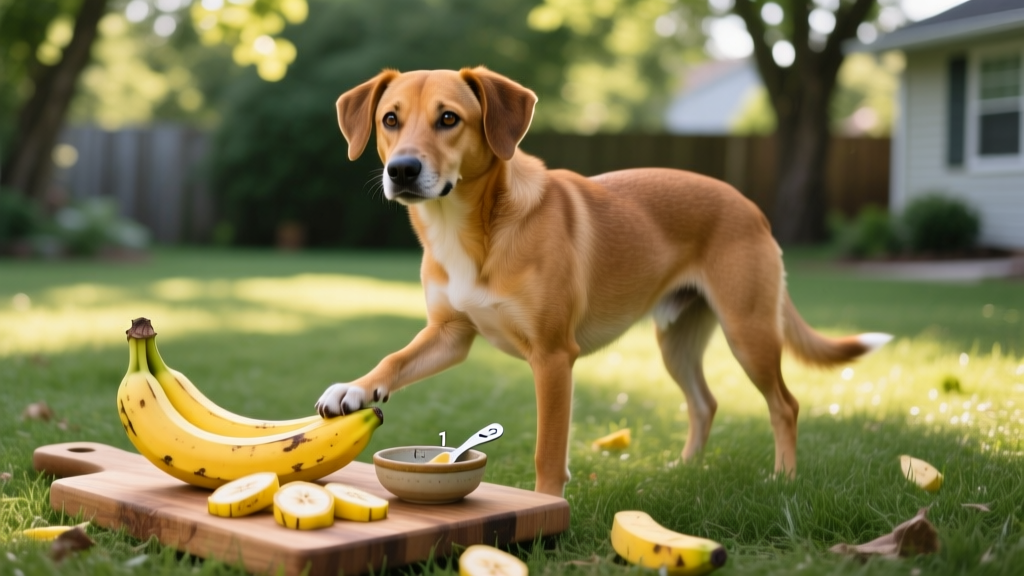
🟢 YES — Dogs Can Eat Plantain (Cooked & Plain)
Plantain is safe for most healthy adult dogs when cooked thoroughly and served without oil, butter, salt, or seasoning. It provides potassium, dietary fiber, and vitamins A and C. However, raw plantain is difficult to digest and can cause gastrointestinal upset. Always introduce in small portions and monitor your dog for 24–48 hours. Plantain should never replace a complete, AAFCO-formulated diet.
If you've ever cooked fried plantains for dinner and caught your dog staring longingly from under the table, you're not alone. Plantains — the starchy, larger cousins of the common banana — are a staple food across Latin American, African, and Caribbean cuisines. But before you toss a piece to your pup, it's worth understanding exactly what plantain does (and doesn't) offer your dog nutritionally, how much is safe, and which preparation methods are actually dog-friendly.
The short answer is that cooked, unseasoned plantain is a safe occasional treat for most dogs. But there are important nuances around portion size, preparation, and which dogs should skip this food entirely. Here's what you need to know, grounded in veterinary nutrition guidance.
What Exactly Is Plantain, and How Does It Differ From Banana?
Plantains (Musa × paradisiaca) belong to the same genus as dessert bananas but are significantly starchier, larger, and lower in sugar when unripe. They're typically cooked before eating — unlike bananas, which are eaten raw. A medium plantain (about 175 g raw) contains roughly:
| Nutrient | Amount per Medium Plantain (Cooked, No Fat) |
|---|---|
| Calories | ~218 kcal |
| Carbohydrates | 57 g |
| Dietary Fiber | 4.6 g |
| Potassium | 893 mg |
| Vitamin A | ~1,087 IU |
| Vitamin C | ~33 mg |
| Vitamin B6 | 0.5 mg |
| Magnesium | ~63 mg |
| Fat | 0.4 g |
Source: USDA FoodData Central — cooked plantain, boiled or baked without added fat.
Compared to a dessert banana, plantain contains roughly twice the calories and nearly double the carbohydrates per equivalent weight. That makes it a much denser energy source — which is important when calculating safe serving sizes for dogs, especially smaller breeds or dogs watching their weight.
How Much Plantain Can I Safely Give My Dog?
The general veterinary guideline for treats is the 10% rule: treats and supplemental foods should never exceed 10% of your dog's daily caloric intake. For a 30 lb dog eating roughly 700 kcal/day, that means no more than ~70 kcal from treats. A single tablespoon of mashed, cooked plantain contains approximately 15–18 kcal, so portions add up quickly.
| Dog Weight Class | Weight Range | Max Serving (Cooked, Mashed) | Max Serving (Cooked, Sliced Rounds) | Frequency |
|---|---|---|---|---|
| Small | 5–20 lb / 2–9 kg | 1–2 tablespoons | 2–3 thin slices (¼" thick) | 2–3 times/week max |
| Medium | 21–50 lb / 10–23 kg | 2–4 tablespoons | 4–6 thin slices | 2–3 times/week max |
| Large | 51–90 lb / 23–41 kg | 4–6 tablespoons (¼ – ⅓ cup) | 6–10 thin slices | 2–3 times/week max |
| Giant | 90+ lb / 41+ kg | 6–8 tablespoons (⅓ – ½ cup) | 8–12 thin slices | 2–3 times/week max |
First-time feeding? Start with one-quarter of the recommended serving and wait 24–48 hours to observe your dog's digestion before offering more. Some dogs have sensitive stomachs that react to new carbohydrate sources with gas, loose stools, or mild vomiting.
How to Prepare Plantain for Your Dog
Preparation is the single most important factor in whether plantain is safe for your dog. Here's a step-by-step guide:
- Choose ripe or semi-ripe plantain. Yellow-to-black skin indicates ripeness. Ripe plantain is softer and easier to digest than green (unripe) plantain, which is very high in resistant starch and can cause gas and bloating in dogs.
- Peel completely. Plantain skin is tough, fibrous, and a choking hazard. It also contains tannins that can irritate a dog's digestive tract. Remove all skin and any stringy fibers underneath.
- Cook thoroughly — no exceptions. Boil, steam, or bake the plantain until fork-tender (approximately 15–20 minutes boiling, 25–30 minutes baking at 375°F / 190°C). Raw plantain is extremely starchy and difficult for canine digestive enzymes to break down.
- Serve plain. No butter, oil, salt, garlic, onion powder, cinnamon sugar, or any seasoning. Many common plantain seasonings for humans (especially garlic and onion) are toxic to dogs.
- Cut or mash appropriately. For small dogs, mash thoroughly or cut into pea-sized pieces. For larger dogs, thin rounds (¼ inch) work well as training treats.
- Cool to room temperature before serving to avoid mouth burns.
Preparation methods to avoid:
- Fried plantain (tostones, maduros, chips): The added oil dramatically increases fat content, risking pancreatitis — especially in susceptible breeds like Miniature Schnauzers, Yorkshire Terriers, and Cocker Spaniels.
- Plantain chips (store-bought): Typically contain salt, oil, and seasonings. Even "plain" chips are usually fried and salted beyond what's safe for dogs.
- Plantain flour or powder: Concentrated carbohydrate source; difficult to dose accurately. Skip it.
- Grilled with marinades: Marinades often contain garlic, onion, or citrus — all problematic for dogs.
Nutritional Benefits of Plantain for Dogs
When prepared correctly and fed in appropriate portions, plantain offers several nutritional advantages:
Potassium (893 mg per medium plantain): Supports normal muscle function, nerve signaling, and heart rhythm. Potassium is an essential electrolyte that dogs obtain from their regular diet, but a small supplemental amount from whole foods is generally safe for healthy dogs. Dogs with kidney disease, however, may need potassium restriction — consult your veterinarian before offering high-potassium foods.
Dietary fiber (4.6 g per medium plantain): The soluble and insoluble fiber in cooked plantain can support healthy bowel movements and feed beneficial gut bacteria. For dogs with occasional mild constipation, a small amount of cooked, mashed plantain may help promote regularity. However, too much fiber too quickly causes the opposite problem — gas, cramping, and diarrhea.
Vitamin A (~1,087 IU per medium plantain): Important for vision, immune function, and skin health. Since vitamin A is fat-soluble, excessive supplementation over time can lead to toxicity — but the amount in a dog-appropriate serving of plantain is well within safe limits.
Vitamin C (~33 mg per medium plantain): Unlike humans, dogs synthesize their own vitamin C in the liver, so dietary vitamin C isn't strictly necessary. However, some veterinary nutritionists note that supplemental vitamin C may benefit dogs under oxidative stress (working dogs, seniors, dogs recovering from illness). The amount in a treat-sized serving of plantain is modest and safe.
Vitamin B6 (0.5 mg per medium plantain): Supports amino acid metabolism, red blood cell production, and nervous system function. Most commercial dog foods already meet B6 requirements, so plantain serves as a complementary source rather than a primary one.
What Happens If My Dog Eats Too Much Plantain?
Overfeeding plantain is the most common mistake owners make. Because plantain is calorie-dense and high in carbohydrates, eating too much can cause:
- Gastrointestinal upset: Diarrhea, gas, bloating, and vomiting — especially if the plantain was undercooked or the dog isn't accustomed to it. Symptoms typically appear within 4–12 hours of ingestion.
- Weight gain: A medium plantain contains ~218 kcal. Feeding even half a plantain regularly to a small dog can add significant excess calories. For reference, a 15 lb dog needs only about 420 kcal/day total.
- Blood sugar spikes: Ripe, cooked plantain has a moderate-to-high glycemic index. Diabetic dogs or breeds predisposed to diabetes (e.g., Australian Terriers, Samoyeds, Keeshonden) should avoid high-glycemic treats.
- Pancreatitis risk (if fried): If your dog raids the kitchen and eats fried plantain cooked in oil or butter, the sudden high-fat load can trigger pancreatitis — a painful, potentially life-threatening inflammation of the pancreas. Symptoms include severe vomiting, abdominal pain (prayer position), lethargy, and loss of appetite, typically appearing within 12–24 hours.
🚨 When to Call Your Vet After Your Dog Eats Plantain
- Repeated vomiting (more than 2 episodes in 24 hours)
- Diarrhea lasting more than 48 hours or containing blood
- Signs of abdominal pain — hunched posture, whining when touched, restlessness
- Lethargy or collapse
- Signs of an allergic reaction: facial swelling, hives, difficulty breathing
- Your dog ate plantain cooked with garlic, onion, xylitol, or other toxic ingredients
- Your dog consumed a very large quantity relative to body size (e.g., a 10 lb dog ate an entire plantain)
ASPCA Animal Poison Control: (888) 426-4435 (24/7, consultation fee applies)
Pet Poison Helpline: (855) 764-7661
Dogs Who Should NOT Eat Plantain
While plantain is safe for most healthy adult dogs, certain dogs should avoid it:
- Puppies under 6 months: Their digestive systems are still developing, and introducing novel, starchy foods can cause upset. Stick to puppy-formulated diets and vet-recommended treats.
- Diabetic dogs: The high carbohydrate content of ripe plantain can interfere with blood glucose management. If your dog is on insulin, consult your veterinarian before adding any high-carb treats.
- Dogs with kidney disease: Plantain's high potassium content may be problematic for dogs with chronic kidney disease (CKD) who require potassium-restricted diets.
- Overweight or obese dogs: At ~218 kcal per medium plantain, it's a calorie-dense treat. For dogs on weight management plans, lower-calorie options like green beans (~31 kcal/cup) or cucumber slices (~16 kcal/cup) are better choices.
- Dogs with a history of pancreatitis: Even plain, boiled plantain isn't inherently high in fat — but if your dog has pancreatitis, any dietary change should be cleared by your veterinarian first. The concern is primarily with fried preparations.
- Dogs with known banana or latex allergies: Plantain is in the same genus as banana. Dogs with documented banana sensitivity may cross-react. Additionally, the latex-fruit syndrome (documented in human medicine) suggests potential cross-reactivity between latex allergens and certain fruits including plantain.
Similar Foods to Avoid or Approach With Caution
If you're exploring plantain as a treat, you may also wonder about related foods:
| Food | Safe for Dogs? | Notes |
|---|---|---|
| Banana (dessert) | ✅ Yes | Lower in calories than plantain; can be fed raw. Same portion guidelines apply. |
| Sweet potato (cooked) | ✅ Yes | Similar starch profile; must be cooked. Slightly lower glycemic index than ripe plantain. |
| Yam (cooked) | ✅ Yes | True yams (Dioscorea genus) are safe when cooked. Must not be confused with sweet potatoes marketed as "yams" in the US. |
| Raw potato | ❌ No | Contains solanine, a glycoalkaloid toxin. Green skin and sprouts are especially dangerous. See AKC guidance on potatoes. |
| Plantain chips (store-bought) | ⚠️ Avoid | Fried, salted, often seasoned. High fat and sodium content unsafe for dogs. |
| Taro root (cooked) | ⚠️ Caution | Must be thoroughly cooked; raw taro contains calcium oxalate crystals that irritate the mouth and throat. |
| Cassava / Yuca (cooked) | ⚠️ Caution | Must be properly prepared to remove cyanogenic glycosides. Not recommended as a casual treat. |
How to Introduce Plantain to Your Dog Safely
Any new food should be introduced gradually to minimize digestive disruption. Here's a practical protocol:
- Day 1: Offer one-quarter of the recommended serving size for your dog's weight. For a 30 lb dog, that's about ½ tablespoon of mashed, cooked plantain.
- Days 1–2: Monitor for vomiting, diarrhea, gas, changes in appetite, itching, or behavioral changes. Most food intolerances appear within 24–48 hours.
- Day 3 (if no reaction): Increase to half the recommended serving. Continue monitoring.
- Day 5 (if still no reaction): You can offer the full recommended serving, but limit frequency to 2–3 times per week maximum.
- Ongoing: Rotate plantain with other safe treats (blueberries, carrots, green beans) rather than feeding it daily. Dietary variety provides a broader nutrient profile and reduces the risk of any single-food sensitivity developing.
Pro tip for training: Cut cooked, cooled plantain into ¼-inch rounds and use them as high-value training rewards. Their soft texture makes them easy to eat quickly, and their mild sweetness is motivating for most dogs. Store pre-cut pieces in an airtight container in the refrigerator for up to 3 days, or freeze individual portions on a parchment-lined baking sheet and transfer to a freezer bag for up to 2 months.
Frequently Asked Questions
Can dogs eat raw plantain?
No. Raw plantain is extremely starchy and difficult for dogs to digest. Feeding raw plantain can lead to gas, bloating, vomiting, and diarrhea. Always cook plantain thoroughly — boiling, steaming, or baking — before offering it to your dog.
Can dogs eat plantain peels?
No. Plantain peels are tough, fibrous, and pose a choking hazard and intestinal blockage risk, especially for small dogs. The peel also contains tannins that can cause gastrointestinal irritation. Always peel plantain completely before cooking and serving.
Is plantain good for dogs with diarrhea?
Cooked, plain plantain contains soluble fiber that can help firm up stools in mild cases. However, if your dog has active diarrhea, it's generally better to feed a bland diet of boiled chicken and white rice and consult your veterinarian if symptoms persist beyond 24–48 hours. Introducing a new food during a GI episode can sometimes worsen the problem.
Can diabetic dogs eat plantain?
Generally, no. Ripe, cooked plantain has a moderate-to-high glycemic index and is very high in carbohydrates (~57 g per medium plantain). This can cause blood sugar spikes that interfere with insulin management. If you want to give a diabetic dog a fruit or vegetable treat, lower-glycemic options like green beans or cucumber are safer choices. Always consult your veterinarian first.
Can puppies eat plantain?
It's best to wait until your puppy is at least 6 months old before introducing plantain or any novel starchy food. Puppies have developing digestive systems and specific nutritional requirements best met through a complete, AAFCO-formulated puppy diet. Consult your veterinarian before adding supplemental foods to a puppy's diet.
What if my dog ate fried plantain?
A small piece of fried plantain is unlikely to cause a serious problem in a healthy, medium-to-large dog. However, the high fat content can trigger pancreatitis in susceptible dogs. Monitor for vomiting, abdominal pain, lethargy, and loss of appetite over the next 12–24 hours. If your dog ate a large quantity of fried plantain or shows any of these symptoms, contact your veterinarian immediately.
How does plantain compare to banana as a dog treat?
Both are safe when prepared properly, but they differ nutritionally. Plantain contains roughly twice the calories and carbohydrates of dessert banana per equivalent weight, making it a denser energy source. Banana can be fed raw; plantain must be cooked. For dogs on calorie-restricted diets, banana (in small portions) is the lighter option. For working or highly active dogs needing sustained energy, plantain may be a useful occasional supplement.
Disclaimer: This article is for informational purposes only and does not replace professional veterinary advice. Always consult your veterinarian before introducing new foods to your dog's diet, especially if your dog has existing health conditions, is on medication, or is fed a prescription diet. Individual dogs may react differently to any food.
Tom Renshaw
All our authors care for dogs every day — read more of their work on the authors page.


