Can Dogs Eat Pickles? A Vet-Backed Safety & Serving Guide
Can dogs eat pickles? Find out which pickles are safe, exact serving sizes by weight, toxic ingredients to avoid, and when to call your vet.
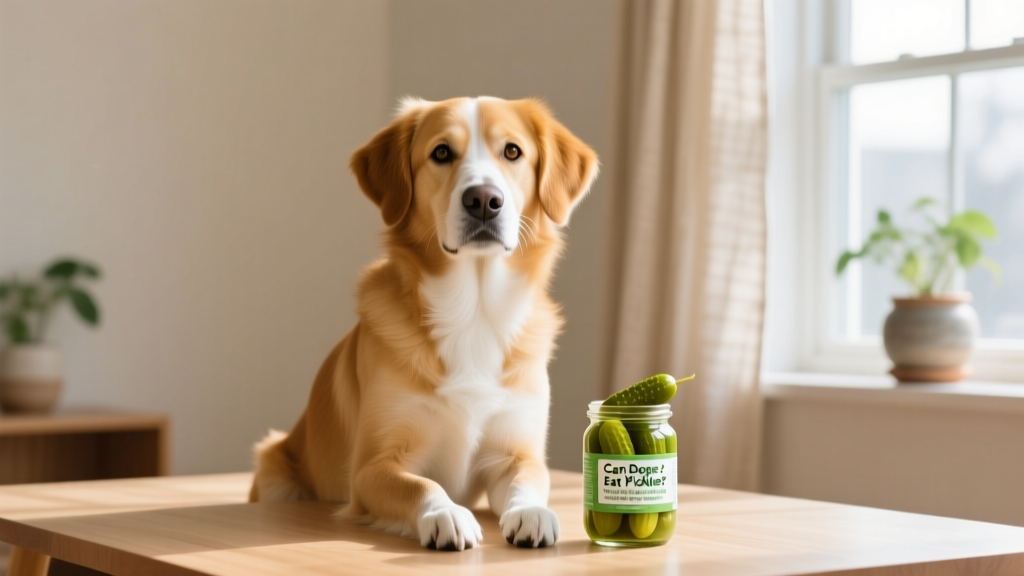
If your dog has ever stared longingly at your sandwich, you may have wondered: can dogs eat pickles? The short answer is yes, but with significant caution. Plain, unseasoned cucumber pickles are not toxic to dogs, but the vast majority of pickles sold in U.S. grocery stores contain ingredients that range from unhealthy to outright dangerous. High sodium levels, garlic, onions, xylitol, and spicy additives turn an otherwise harmless brined cucumber into a potential health risk.
Plain, unsweetened cucumber pickles in very small amounts are safe for most healthy adult dogs. However, flavored, spicy, sweet (Bread & Butter), or onion/garlic-containing pickles should never be fed to dogs. Always check the ingredient label before offering even a small piece.
Why Most Pickles Are Risky for Dogs
The problem isn't the cucumber itself — cucumbers are perfectly safe and low in calories. The problem is what happens during the pickling process. Commercial pickling introduces several ingredients that dogs should avoid:
- Sodium: A single medium dill pickle spear contains approximately 300–500 mg of sodium. For a 30 lb (13.6 kg) dog, the recommended daily sodium intake is roughly 100 mg per 100 kcal of food consumed, which translates to about 200–300 mg per day total depending on diet. One pickle spear can blow past that limit in a single bite.
- Garlic and onion: Many pickle recipes — especially kosher dills, deli-style pickles, and pickled pepper mixes — contain garlic cloves or onion. Both are Allium species and cause oxidative damage to canine red blood cells, leading to hemolytic anemia. Toxicity can occur at doses as low as 15–30 g of garlic per kg of body weight.
- Xylitol: Some "sugar-free" or "low-sugar" sweet pickles use xylitol (birch sugar) as a sweetener. Xylitol is highly toxic to dogs, triggering rapid insulin release and potentially fatal hypoglycemia within 10–60 minutes of ingestion. As little as 0.1 g/kg can cause clinical signs.
- Spices and capsaicin: Hot pickles, jalapeño-stuffed pickles, and "spicy" varieties contain capsaicin, which irritates the canine gastrointestinal tract and can cause vomiting, diarrhea, and oral pain.
- Added sugar: Bread & Butter pickles and sweet gherkins contain 5–8 g of sugar per serving, contributing unnecessary calories and posing risks for diabetic or overweight dogs.
Safe Serving Sizes by Dog Weight
If you've confirmed the pickle is plain, unsweetened, and free of garlic, onion, xylitol, and spicy additives, here are the maximum serving sizes for an occasional treat:
| Dog Weight | Max Serving | Frequency | Sodium Approx. |
|---|---|---|---|
| Small (10–25 lb / 4.5–11 kg) | ½ teaspoon chopped (about 2–3 small pieces) | Once per week max | ~30–50 mg |
| Medium (26–55 lb / 12–25 kg) | 1 teaspoon chopped (about 1 thin slice) | Once per week max | ~60–80 mg |
| Large (56–90+ lb / 25–41+ kg) | 1 tablespoon chopped (about 1–2 thin slices) | Once per week max | ~100–150 mg |
Treats should never exceed 10% of your dog's daily caloric intake, per AKC nutritional guidelines. Pickles contribute negligible calories but meaningful sodium, so the limit here is driven by sodium content, not calories.
Nutritional Profile: Are Pickles Good for Dogs?
Honestly, pickles offer very little nutritional benefit to dogs. Here's what a typical plain dill pickle spear (35 g) contains, based on USDA FoodData Central values:
| Nutrient | Amount per Spear (35 g) | Relevance to Dogs |
|---|---|---|
| Calories | 4 kcal | Negligible |
| Sodium | 300–500 mg | ⚠️ Excessive for dogs |
| Vitamin K | 16.5 µg | Supports blood clotting |
| Vitamin A | 3.5 µg | Trace — minimal benefit |
| Fiber | 0.4 g | Negligible |
| Potassium | 23 mg | Trace |
| Calcium | 18 mg | Trace |
Bottom line: A fresh, un-pickled cucumber provides the same vitamins and fiber with a fraction of the sodium. If you want a hydrating, low-calorie snack for your dog, raw cucumber slices are a far better choice. The Merck Veterinary Manual notes that dogs do not have a nutritional requirement for pickled or fermented foods, and the sodium burden generally outweighs any trace micronutrient benefit.
How to Prepare Pickles Safely for Your Dog
If you decide to offer a tiny amount of pickle as a novel treat, follow these preparation steps to minimize risk:
- Read the ingredient label carefully. The only acceptable ingredients should be: cucumbers, water, vinegar, salt, and dill. Reject anything with garlic, onion, xylitol, sugar, artificial sweeteners, mustard seed, or red pepper flakes.
- Rinse the pickle piece under cold water for 10–15 seconds to wash off excess surface brine and reduce sodium content.
- Pat dry and chop into bite-sized pieces appropriate for your dog's size. For small dogs, pieces should be no larger than a pea. For large dogs, no larger than a dime.
- Remove any seeds if the pickle is made from a seeded cucumber variety, as seeds can be a mild choking hazard for very small dogs.
- Serve plain — never on a sandwich, in a salad, or alongside other seasoned human food.
What Happens If My Dog Eats Too Many Pickles?
Overeating pickles — or eating a pickle containing toxic ingredients — can cause a range of symptoms depending on the quantity and the dog's size:
Sodium Overdose (Hypernatremia)
Signs typically appear within 1–4 hours of excessive sodium intake:
- Excessive thirst and urination
- Vomiting and diarrhea
- Lethargy or disorientation
- Tremors or seizures (severe cases)
- Cerebral edema in extreme cases (life-threatening)
Garlic/Onion Toxicity
If the pickle contained garlic or onion, hemolytic anemia symptoms may not appear for 3–5 days after ingestion, making it easy to miss the connection:
- Pale or bluish gums
- Weakness and rapid breathing
- Dark or reddish-brown urine
- Jaundice (yellowing of eyes/skin)
Xylitol Poisoning
This is a medical emergency. Symptoms can appear within 10–60 minutes:
- Vomiting
- Sudden weakness or collapse
- Seizures
- Without treatment: liver failure within 24–72 hours
Contact your veterinarian or an emergency clinic right away if your dog has eaten a pickle and shows any of the following:
- Vomiting more than twice in 2 hours
- Tremors, seizures, or disorientation
- Known ingestion of a pickle containing garlic, onion, or xylitol (even without symptoms)
- Excessive drooling, pale gums, or collapse
- Diarrhea with blood or dark/tarry stool
ASPCA Animal Poison Control: (888) 426-4435 — available 24/7 (consultation fee applies)
Pet Poison Helpline: (855) 764-7661
Which Dogs Should Never Eat Pickles
Even a tiny, plain pickle piece is not appropriate for every dog. Avoid pickles entirely for:
- Puppies under 12 months: Their kidneys are still developing and cannot efficiently process high sodium loads.
- Senior dogs (typically 7+ years, breed-dependent): Age-related kidney decline makes sodium management critical.
- Dogs with heart disease or congestive heart failure (CHF): Excess sodium increases blood pressure and fluid retention, worsening cardiac workload.
- Dogs with kidney disease (CKD): The kidneys' ability to filter and excrete sodium is compromised, accelerating disease progression.
- Dogs with diabetes: Sweet pickles add unnecessary sugar; even dill pickles may complicate dietary management.
- Dogs on sodium-restricted diets: Your veterinarian will specify a sodium limit — pickles almost certainly exceed it.
- Dogs with a history of pancreatitis: Rich or unusual foods can trigger flare-ups, and some pickle varieties are prepared with oils or fats.
If your dog falls into any of these categories, consult your veterinarian before introducing any new human food, including seemingly harmless items like pickles.
Related Foods to Avoid
If pickles are off the table, be aware of similar brined, pickled, or fermented foods that carry equal or greater risks:
| Food | Safe for Dogs? | Primary Risk |
|---|---|---|
| Pickled onions (cocktail onions) | NO — Toxic | Allium toxicity; hemolytic anemia |
| Pickled jalapeños / peppers | NO | Capsaicin irritation, GI distress |
| Pickled garlic | NO — Toxic | Allium toxicity; RBC damage |
| Sauerkraut (plain, no onion/garlic) | Caution — tiny amounts only | Very high sodium; possible probiotic benefit |
| Olives (plain, pitted, unsalted) | Caution — 1–2 pieces | High sodium if brined; pit choking hazard |
| Raw cucumber (un-pickled) | YES — Safe | Minimal risk; great low-calorie alternative |
| Pickle juice / brine | NO | Concentrated sodium; may contain garlic/onion/xylitol |
How to Introduce Pickles Safely (If You Choose To)
If your dog is a healthy adult with no dietary restrictions and you want to try a tiny piece of plain pickle:
- Start with less than the recommended serving — a single pea-sized piece for any dog.
- Monitor for 24–48 hours. Watch for vomiting, diarrhea, excessive thirst, lethargy, or changes in appetite.
- Check gums and hydration. Healthy gums should be pink and moist. Pale, dry, or tacky gums warrant a vet call.
- If no adverse reaction occurs, you may offer the full recommended serving size (per the table above) on a future occasion — but no more than once per week.
- Never use pickles as a regular treat or training reward. The sodium accumulation over repeated servings is the real danger, not a single isolated exposure.
For training treats, consider lower-sodium alternatives like small pieces of plain cooked chicken breast, freeze-dried liver treats, or commercial training treats that list sodium content on the guaranteed analysis.
Frequently Asked Questions
Can dogs eat dill pickles?
Plain dill pickles with no garlic, onion, or artificial sweeteners are the safest commercial pickle variety for dogs, but only in the very small serving sizes listed above. Always check the ingredient label — many "kosher dill" recipes include garlic cloves.
Can dogs eat sweet pickles or Bread & Butter pickles?
It's best to avoid them. Sweet pickles contain significant added sugar (5–8 g per serving), and some sugar-free varieties use xylitol, which is highly toxic to dogs. If you can confirm no xylitol and only a tiny piece is given, the sugar content still makes them a poor choice compared to plain vegetables.
Can dogs drink pickle juice?
No. Pickle juice is concentrated brine with extremely high sodium levels, and it may contain dissolved garlic, onion, or spice compounds. Even a small amount can cause sodium overload in small dogs.
What should I do if my dog ate a whole pickle off the floor?
First, check the ingredient label of the pickle jar. If the pickle contained garlic, onion, or xylitol, call your vet or the ASPCA Poison Control hotline (888-426-4435) immediately. If it was a plain dill pickle, monitor your dog for vomiting, diarrhea, and excessive thirst over the next 24 hours. Provide plenty of fresh water to help flush the sodium. For a 50 lb (22.7 kg) dog, one whole pickle is unlikely to be dangerous, but for a 10 lb (4.5 kg) Chihuahua, that same pickle represents a significant sodium load — contact your vet for guidance.
Are homemade pickles safer for dogs?
Only if you control every ingredient. A homemade pickle using just cucumbers, water, a small amount of salt, and dill — with no garlic, onion, sugar, or spices — would be the safest option. However, the sodium content from the brining process still limits how much you can safely offer.
Can puppies eat pickles?
No. Puppies under 12 months should not eat pickles. Their developing kidneys are more sensitive to sodium, and their smaller body size means even a tiny piece can deliver a disproportionate sodium dose.
A note from our editorial team: This guide is for informational purposes and does not replace professional veterinary advice. Always consult your veterinarian before introducing new human foods to your dog's diet, especially if your dog has pre-existing health conditions or is on a prescribed diet.
Marcus Aldridge
All our authors care for dogs every day — read more of their work on the authors page.


