Eat Pepper?
Can dogs eat pepper? Learn which peppers are safe (bell peppers), which to avoid (black pepper, chili), serving sizes by weight, and vet-approved prep tips.
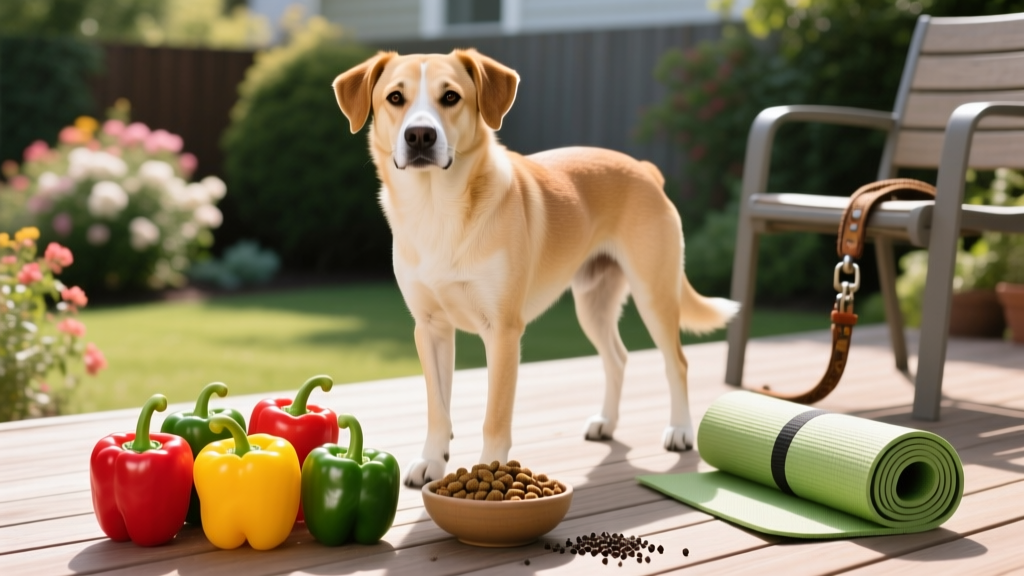
If you've ever dropped a slice of bell pepper on the kitchen floor and watched your dog race to snatch it up, you've probably wondered: can dogs eat pepper? The answer depends entirely on the type of pepper you're talking about. Sweet bell peppers are safe and nutritious for most dogs, while black pepper, chili peppers, and anything containing capsaicin can cause real harm.
Plain, unseasoned bell peppers (red, green, yellow, or orange) are non-toxic and safe for dogs when served in appropriate portions with seeds and stems removed. They're low in calories and rich in vitamins A, C, and E.
Black pepper (ground or whole peppercorns) irritates the canine digestive tract and nasal passages. Chili peppers, jalapeños, habaneros, and any pepper containing capsaicin can cause oral burns, vomiting, diarrhea, and abdominal pain. These should never be fed to dogs.
Which Peppers Can Dogs Safely Eat?
Not all peppers are created equal in the canine world. Here's a breakdown of common pepper types and where they fall on the safety spectrum:
| Pepper Type | Safe for Dogs? | Notes |
|---|---|---|
| Red bell pepper | ✅ Yes | Highest nutrient density — 9x more beta-carotene than green |
| Green bell pepper | ✅ Yes | Slightly more bitter; same safety profile |
| Yellow / Orange bell pepper | ✅ Yes | Sweeter taste, softer texture — good for picky dogs |
| Mini sweet peppers | ✅ Yes | Same species as bell peppers; remove seeds |
| Banana pepper (sweet) | ⚠️ Caution | Mild varieties only; some carry mild heat |
| Jalapeño | ❌ No | Capsaicin causes GI distress and oral irritation |
| Serrano / Habanero / Ghost pepper | ❌ No | Extremely dangerous — high Scoville heat units |
| Black pepper (ground) | ❌ No | Piperine irritates stomach lining and nasal passages |
| Cayenne pepper / chili powder | ❌ No | Often found in seasoned foods; toxic-level irritation |
| Peppercorns (whole) | ❌ No | Choking hazard + piperine concentration |
The key distinction: Capsicum annuum — the species that includes bell peppers — contains virtually zero capsaicin in its sweet cultivars. Hot peppers and black pepper (from the unrelated Piper nigrum plant) contain compounds that actively irritate canine mucous membranes and digestive tracts.
How Much Bell Pepper Can I Give My Dog?
Even safe foods can cause problems when overfed. Bell peppers should make up no more than 10% of your dog's daily caloric intake, per the AKC's treat guideline. Here are specific portion sizes based on your dog's weight class:
| Dog Weight | Daily Max Serving | Visual Equivalent |
|---|---|---|
| Toy / Small (under 20 lb / 9 kg) | 1–2 tablespoons, diced | About 2–3 thin slices |
| Medium (20–50 lb / 9–23 kg) | 2–4 tablespoons, diced | Roughly ¼ of a medium bell pepper |
| Large (50–90 lb / 23–41 kg) | 4–6 tablespoons, diced | About ⅓ to ½ of a medium bell pepper |
| Giant (over 90 lb / 41 kg) | 6–8 tablespoons, diced | Up to ½ of a large bell pepper |
Caloric context: One medium red bell pepper contains approximately 31 calories (per USDA FoodData Central). For a 30 lb dog eating roughly 600–700 calories per day, a quarter pepper (about 8 calories) fits comfortably within the 10% treat allowance.
Nutritional Benefits of Bell Peppers for Dogs
Bell peppers aren't just safe filler — they offer measurable nutritional value. Red bell peppers, in particular, are nutrient-dense. Here's what one medium red bell pepper (about 119g raw) provides:
| Nutrient | Amount per Medium Pepper | Benefit for Dogs |
|---|---|---|
| Vitamin C | 152 mg | Antioxidant support; immune function (dogs synthesize their own, but supplemental C helps during stress/illness) |
| Vitamin A (as beta-carotene) | 3,726 IU | Vision health, skin/coat condition, immune response |
| Vitamin E | 1.9 mg | Cell membrane protection; anti-inflammatory |
| Vitamin B6 | 0.35 mg | Amino acid metabolism; neurotransmitter synthesis |
| Fiber | 2.5 g | Digestive regularity; gut microbiome support |
| Potassium | 251 mg | Muscle function; electrolyte balance |
| Lutein & Zeaxanthin | 208 mcg | Eye health; may slow age-related macular changes |
Red vs. Green: Red bell peppers contain up to 9 times more beta-carotene and 1.5 times more vitamin C than green bell peppers. If you're choosing one color for maximum nutritional benefit, red is the clear winner. Green peppers are harvested earlier and have a slightly more bitter flavor that some dogs reject.
How to Prepare Bell Peppers for Your Dog
Proper preparation reduces choking risk and improves digestibility. Follow these steps every time:
- Wash thoroughly. Rinse under cool running water for 20–30 seconds to remove pesticide residue. The FDA recommends plain water — no produce washes, which can leave residues unsafe for dogs.
- Remove the stem, core, and seeds. The stem is tough and poses a choking hazard. Seeds aren't toxic but are difficult to digest and can cause intestinal irritation in small dogs.
- Cut into bite-sized pieces. For small dogs, dice into ¼-inch pieces. For medium/large dogs, ½-inch chunks work well. Never feed a whole or half pepper — the smooth skin is a major choking risk.
- Serve raw or lightly steamed. Raw peppers retain maximum vitamin C. Lightly steaming (3–4 minutes) softens the cell walls and makes nutrients more bioavailable — a good option for senior dogs or dogs with sensitive stomachs. Never boil (nutrients leach into water) or fry.
- No seasoning. Ever. No salt, no garlic powder, no onion powder, no olive oil drizzle, no butter. Many seasonings commonly paired with peppers (garlic, onion) are toxic to dogs.
What Happens If My Dog Eats Too Much Bell Pepper?
While bell peppers aren't toxic, overfeeding causes predictable problems. Here's what to expect if your dog raids the crisper drawer:
Mild Overconsumption (1.5–2x the recommended serving)
- Soft stool or mild diarrhea within 6–12 hours (the fiber and water content accelerate gut transit)
- Slight gas or bloating
- Usually resolves within 24 hours without intervention
Significant Overconsumption (3x+ the recommended serving)
- Pronounced diarrhea, possibly with undigested pepper pieces visible
- Vomiting (especially if large, tough skin pieces irritate the stomach lining)
- Abdominal discomfort — your dog may show a hunched posture or resist belly touches
- Dehydration risk if vomiting/diarrhea persists beyond 12 hours
Contact your veterinarian or an emergency clinic if your dog exhibits any of the following after eating bell peppers or any spicy pepper:
- Vomiting or diarrhea lasting more than 24 hours
- Blood in stool or vomit
- Lethargy or refusal to drink water
- Signs of abdominal pain (whining, restlessness, prayer position)
- Excessive drooling or pawing at the mouth (indicates oral irritation from capsaicin)
- Difficulty breathing or facial swelling (possible allergic reaction)
If your dog ingested a hot pepper or a large quantity of black pepper, call ASPCA Animal Poison Control at (888) 426-4435 (24/7, consultation fee applies) for immediate guidance.
How to Introduce Bell Peppers Safely
Any new food should be introduced gradually. Here's a practical 3-day protocol:
Day 1: Offer a single small piece (about the size of your thumbnail) as a treat. Watch for 24 hours. Signs to monitor: itching, hives, facial swelling, vomiting, or diarrhea.
Day 2: If no adverse reaction, offer 2–3 small pieces. Continue monitoring.
Day 3: If still no issues, you can begin feeding the full weight-appropriate serving size listed above.
Why the slow start? While true bell pepper allergies are rare in dogs, individual sensitivities to the fiber content or specific plant compounds do occur. Dogs with a history of food sensitivities or inflammatory bowel disease (IBD) should be introduced even more cautiously — consult your veterinarian before adding any new produce to their diet.
Dogs Who Should NOT Eat Bell Peppers
Even though bell peppers are generally safe, some dogs should skip them entirely:
- Puppies under 12 weeks: Their digestive systems are still developing. Stick to puppy-formulated food and treats approved by your vet during weaning and early growth.
- Dogs with IBD or chronic pancreatitis: The fiber content can trigger flare-ups. Your veterinarian may recommend a low-residue diet that excludes raw vegetables.
- Dogs with known nightshade sensitivity: Bell peppers belong to the Solanaceae (nightshade) family. While the solanine content in ripe bell peppers is negligible, dogs with documented sensitivities to tomatoes or potatoes may react similarly.
- Dogs on prescription gastrointestinal diets: If your vet has placed your dog on a hydrolyzed protein or limited-ingredient therapeutic diet (e.g., Royal Canin HP, Hill's z/d), don't add any foods outside the protocol without veterinary approval.
- Dogs prone to calcium oxalate bladder stones: Bell peppers contain moderate oxalates. While the amount in a typical serving is low, dogs with a history of oxalate uroliths should have all oxalate-containing foods evaluated by their veterinarian.
Related Foods: What About Pepper-Adjacent Items?
When people ask "can dogs eat pepper," they often mean more than just the vegetable. Here's a quick reference for related items that commonly show up in pepper discussions:
| Food Item | Safe? | Key Risk |
|---|---|---|
| Stuffed peppers (human recipe) | ❌ No | Typically contain onion, garlic, seasoning, and high-fat cheese/meat |
| Pepperoni | ❌ No | High sodium (≈500 mg per oz), garlic/onion powder, paprika, fat |
| Bell pepper hummus | ❌ No | Hummus contains garlic and lemon juice; both are problematic for dogs |
| Pickled peppers | ❌ No | Extremely high sodium; vinegar causes GI upset |
| Roasted red peppers (plain, jarred) | ⚠️ Caution | Check label — many jarred versions contain added salt, garlic, or oil |
| Pimento cheese | ❌ No | High fat + dairy (lactose) + often contains garlic/onion |
Frequently Asked Questions
Can dogs eat bell pepper skin?
Yes, the skin is safe to eat, but it's tough and harder to digest than the flesh. For small dogs or dogs with sensitive stomachs, lightly steaming the pepper softens the skin and reduces the chance of digestive upset. The skin does not need to be peeled for most healthy adult dogs.
Can dogs eat cooked bell peppers?
Yes — cooked bell peppers are safe as long as they're prepared without oil, butter, salt, garlic, onion, or other seasonings. Steaming is the best cooking method because it preserves more vitamin C than boiling or roasting. Avoid any cooked pepper dishes intended for human consumption, as these almost always contain ingredients that are harmful to dogs.
Is it okay if my dog accidentally ate a small amount of black pepper?
A tiny amount of ground black pepper (a few grains that fell off your plate) is unlikely to cause serious harm, but it may cause sneezing, mild stomach irritation, or temporary diarrhea. Monitor your dog for 12–24 hours. If your dog consumed a larger quantity — such as licking up a spilled pile — contact your veterinarian or ASPCA Poison Control at (888) 426-4435.
Can puppies eat bell peppers?
Puppies over 12 weeks old can have very small amounts of finely diced, steamed bell pepper as an occasional treat. Start with a piece no larger than a pea. Puppies under 12 weeks should not be given bell peppers — their digestive tracts are too immature for fibrous raw vegetables. Always consult your veterinarian before introducing human foods to a puppy's diet.
Are bell peppers good for overweight dogs?
Yes — bell peppers are an excellent low-calorie treat alternative for dogs on a weight management plan. A quarter of a medium red bell pepper contains only about 8 calories, compared to 20–40 calories in a typical commercial training treat. The fiber content also promotes satiety. Just ensure the pepper replaces (not adds to) your dog's existing treat allowance.
This article is for informational purposes only and does not replace professional veterinary advice. Always consult your veterinarian before introducing new foods to your dog's diet, especially if your dog has existing health conditions or is on a prescription diet.
Tom Renshaw
All our authors care for dogs every day — read more of their work on the authors page.


