Can Dogs Eat Lamb Bones? Safety Guide for Raw vs Cooked
Can dogs eat lamb bones safely? Learn which types are safe, correct serving sizes by weight, preparation rules, and when lamb bones become dangerous.
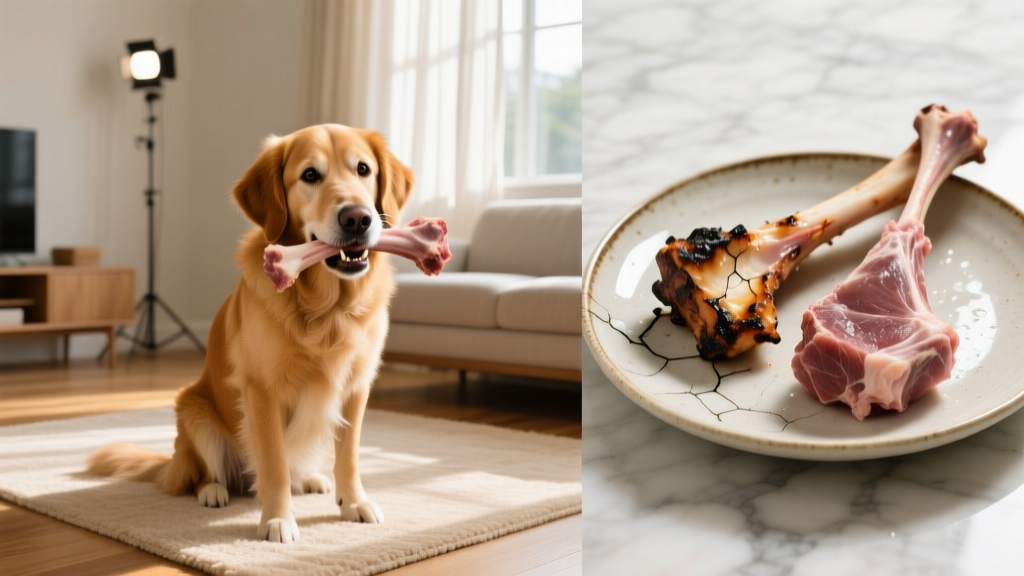
Dogs can eat raw lamb bones under close supervision. However, cooked lamb bones are extremely dangerous and must never be fed to dogs. Cooking makes lamb bones brittle, causing them to splinter into sharp shards that can puncture the esophagus, stomach, or intestines. Even raw lamb bones carry risks including tooth fractures, choking, and intestinal blockage — so proper sizing, preparation, and supervision are non-negotiable.
If you've ever watched your dog gnaw enthusiastically on a bone, you know the primal satisfaction it brings them. Lamb bones, in particular, are a popular choice among raw-feeding advocates and pet owners looking for natural dental chews. But the line between a healthy chewing session and a $3,000 emergency vet visit is thinner than you might think. In my years working with dog owners, lamb bone injuries are among the most preventable — and most heartbreaking — cases I've seen.
This guide breaks down exactly what you need to know about feeding lamb bones to dogs in 2026: which cuts are safer, how to size them correctly, what nutrients they provide, and the red flags that mean you should pick up the phone and call your vet immediately.
Raw vs Cooked Lamb Bones: Why the Difference Matters
The single most important rule about lamb bones — or any bones for that matter — is this: never feed cooked bones to your dog. This applies whether the bone was roasted, grilled, boiled, smoked, or baked.
Here's the science behind it. When lamb bones are exposed to heat above 200°F (93°C), the collagen matrix that gives bone its flexibility denatures and breaks down. The result is a bone that is hard, brittle, and prone to shattering into jagged fragments when your dog's powerful jaw muscles (which can exert 200-450 PSI of bite force depending on breed) apply pressure. These fragments act like shards of glass moving through the gastrointestinal tract.
Raw lamb bones, by contrast, retain their collagen structure. They are denser and more pliable, meaning they tend to crack or crumble rather than splinter into dangerous shards. That said, raw lamb bones are still significantly harder than raw chicken or turkey bones, which is why proper sizing matters enormously.
Cooked vs Raw Lamb Bone Comparison
| Property | Cooked Lamb Bone | Raw Lamb Bone |
|---|---|---|
| Splinter Risk | VERY HIGH | Low to Moderate |
| Safe to Feed | NO — Never | Yes, with supervision |
| Tooth Fracture Risk | High | Moderate (size-dependent) |
| Bacterial Contamination | Low | Moderate (handle carefully) |
| Nutritional Value | Reduced (minerals less bioavailable) | Higher (intact collagen, marrow nutrients) |
According to the FDA's Center for Veterinary Medicine, bone treats of all types have been linked to reports of illness, including gastrointestinal obstruction, choking, cuts and wounds to the mouth or tonsils, vomiting, diarrhea, rectal bleeding, and even death. Their official guidance emphasizes the risks apply to both commercially processed and home-prepared bone treats.
Which Lamb Bone Cuts Are Safer for Dogs?
Not all lamb bones are created equal. The safety profile varies significantly depending on the specific cut and the size of the bone relative to your dog's mouth.
Generally Safer Options (Raw Only, Supervised)
- Raw lamb neck bones: These are relatively soft compared to leg bones and contain good amounts of cartilage and connective tissue. They're suitable for medium and large dogs (40+ lb / 18+ kg).
- Raw lamb rib bones: Flatter and thinner, these work well for medium dogs (25-50 lb / 11-23 kg). The flat shape makes them harder to swallow whole, reducing choking risk.
- Raw lamb tail bones: Small and cartilaginous, these can work for smaller dogs (15-25 lb / 7-11 kg) as a gentler introduction to bone chewing.
Bones to Avoid Entirely
- Lamb leg bones (shank/femur): These are extremely dense weight-bearing bones. They are the number one cause of slab fractures in canine teeth — particularly the upper fourth premolar (carnassial tooth). Veterinary dentists see these fractures regularly, and repair typically costs $800-$2,500 per tooth.
- Lamb knuckle bones: Very hard and round, creating both a tooth fracture risk and a choking hazard for dogs that try to swallow them whole.
- Any cooked lamb bone of any cut: No exceptions.
- Bones smaller than your dog's muzzle: Any bone your dog could fit entirely in their mouth is a choking and obstruction risk.
Serving Size Guide: Lamb Bones by Dog Weight
Bone feeding is not about portion size in the traditional sense — it's about selecting the right bone size and limiting chewing time. A lamb bone is a recreational chew, not a meal component (unless you're following a structured raw feeding protocol designed by a veterinary nutritionist).
| Dog Size | Weight Range | Recommended Bone Cut | Min. Bone Length | Max Chewing Time | Frequency |
|---|---|---|---|---|---|
| Toy/Small | Under 15 lb / 7 kg | Not recommended — use lamb tail only with extreme caution | N/A | 5-10 min | Rarely |
| Medium | 25-50 lb / 11-23 kg | Raw lamb ribs or neck bones | 6 inches (15 cm) | 15-20 min | 1-2x per week |
| Large | 50-90 lb / 23-41 kg | Raw lamb neck bones, large ribs | 8 inches (20 cm) | 20-30 min | 1-2x per week |
| Giant | 90+ lb / 41+ kg | Raw lamb neck or shoulder bones (avoid leg bones) | 10 inches (25 cm) | 20-30 min | 1-2x per week |
Why limit chewing time? Prolonged gnawing on hard bones increases the risk of tooth wear and fractures. After 20-30 minutes, most dogs have received the dental and mental benefits. Take the bone away, refrigerate it, and offer it again in a future session. Discard any bone that has been chewed down to a size your dog could swallow.
Nutritional Benefits of Lamb Bones for Dogs
When fed appropriately, raw lamb bones offer several nutritional and functional benefits. Here's a breakdown based on USDA nutritional data for raw lamb bone and marrow:
Lamb Bone Nutrition Profile (per 100g raw, edible marrow and soft tissue)
| Nutrient | Amount | Benefit for Dogs |
|---|---|---|
| Calcium | ~1,100 mg | Bone density, muscle function, nerve signaling |
| Phosphorus | ~690 mg | Skeletal health, energy metabolism (works with calcium) |
| Collagen/Gelatin | ~8-12 g | Joint support, gut lining integrity, skin and coat health |
| Iron | ~3.2 mg | Red blood cell production, oxygen transport |
| Zinc | ~4.5 mg | Immune function, wound healing, skin health |
| Fat (marrow) | ~20-25 g | Energy-dense calorie source, fat-soluble vitamin absorption |
| Glucosamine/Chondroitin | Trace amounts (in cartilage) | Joint cartilage support |
Source: USDA FoodData Central, adjusted for canine-relevant nutrients. Actual values vary by cut and preparation.
Dental benefit: The mechanical action of chewing raw bones scrapes plaque and tartar from tooth surfaces. While this doesn't replace professional dental cleanings (which the AVMA recommends annually for most dogs), it provides meaningful supplemental oral hygiene between visits.
Mental enrichment: Chewing is a self-soothing, instinctive behavior for dogs. A 20-30 minute bone-chewing session provides mental stimulation comparable to a moderate walk for many dogs, helping reduce boredom-related behaviors like destructive chewing of household items.
Risks and Side Effects: What Can Go Wrong
Even when you follow every guideline, lamb bones carry inherent risks. Being aware of these helps you make informed decisions and respond quickly if something goes wrong.
Common Risks
- Tooth fractures: Slab fractures of the carnassial tooth (upper fourth premolar) are the most common dental injury from bone chewing. The Merck Veterinary Manual notes that fractured teeth expose the pulp cavity, leading to pain, infection, and potential abscess formation. Treatment involves root canal therapy ($800-$2,000) or surgical extraction ($500-$1,500).
- Gastrointestinal obstruction: Bone fragments or pieces swallowed too large can lodge in the esophagus, stomach, or intestines. Surgical removal of an intestinal obstruction typically costs $2,000-$5,000+ depending on complexity.
- Choking: Pieces that break off can become lodged in the throat, particularly with aggressive chewers who don't adequately grind food before swallowing.
- Constipation/bone impaction: Dogs that consume significant amounts of bone can develop rock-hard, chalky stools (sometimes called "bone stool") that are painful or impossible to pass without veterinary intervention, including enemas under sedation.
- Bacterial contamination: Raw lamb bones can carry Salmonella, E. coli, and Campylobacter. While healthy adult dogs have robust digestive systems that typically handle these bacteria, immunocompromised dogs, puppies, and seniors face higher risk. Additionally, these bacteria pose a zoonotic risk (disease transmissible to humans) — handling raw bones and cleaning up after your dog requires thorough handwashing and surface sanitization.
Signs of a Problem
Monitor your dog closely during and for 48-72 hours after any bone-chewing session. Watch for:
- Gagging, retching, or repeated swallowing
- Pawing at the mouth or face
- Drooling excessively or blood-tinged saliva
- Refusal to eat or drink
- Vomiting (especially with blood or bone fragments visible)
- Straining to defecate, or producing small, hard, white/chalky stools
- Lethargy or signs of abdominal pain (hunched posture, whining when picked up)
- Bloody stool or rectal bleeding
Contact your veterinarian or emergency veterinary hospital right away if your dog exhibits any of the following after eating a lamb bone:
- Choking or inability to breathe normally
- Vomiting blood or repeated vomiting (more than 2 episodes)
- Visible distress, pacing, or inability to get comfortable
- Bloody diarrhea or rectal bleeding
- Abdominal distension (swollen, tight belly) — this can indicate GDV (bloat), which is life-threatening
- No bowel movement for 48+ hours after bone consumption
- Signs of oral injury: swelling of the face, reluctance to open mouth
ASPCA Animal Poison Control: (888) 426-4435 (24/7, consultation fee applies)
Pet Poison Helpline: (855) 764-7661
How to Safely Prepare and Serve Lamb Bones
If you've weighed the risks and benefits and decided to offer raw lamb bones, follow this preparation protocol:
Step-by-Step Safe Lamb Bone Preparation
- Source responsibly: Purchase raw lamb bones from a reputable butcher or a supplier that handles meat intended for human consumption. Avoid bones from unknown sources where storage and handling practices are unclear. Look for bones that have been kept refrigerated or frozen at or below 40°F (4°C).
- Select the right size: The bone should be larger than your dog's muzzle — meaning they cannot fit the entire bone in their mouth. Refer to the serving size table above for minimum lengths by weight class.
- Thaw properly: If frozen, thaw the bone in the refrigerator for 12-24 hours. Never thaw at room temperature, which encourages bacterial growth on the surface.
- Inspect before serving: Check for any pre-existing cracks, sharp edges, or loose fragments. Trim any hanging pieces of fat or tissue that could be pulled off and swallowed in large chunks.
- Remove marrow for high-fat-risk dogs: If your dog has a history of pancreatitis, is overweight, or has a sensitive stomach, scoop out some or all of the marrow before offering the bone. Lamb marrow is extremely high in fat (20-25g per 100g), which can trigger pancreatitis in susceptible dogs.
- Supervise the entire session: Never leave your dog alone with a bone. Stay in the room, watch for aggressive gulping, and be prepared to intervene if a piece breaks off that's too large.
- Time the session: Set a timer for 15-30 minutes depending on your dog's size (see serving table). When time is up, trade the bone for a high-value treat (like a small piece of chicken or cheese) to retrieve it without a confrontation.
- Store between sessions: Rinse the bone under cold water, pat dry, and refrigerate in a sealed container. Discard after 3-4 days or if it develops an off odor, slimy texture, or discoloration.
- Discard when small: Once the bone has been chewed down to a size your dog could potentially swallow whole, throw it away. Do not let them "finish" it.
Dogs Who Should NOT Eat Lamb Bones
Even raw lamb bones are not appropriate for every dog. Avoid giving lamb bones to:
- Puppies under 12 months: Developing teeth are more susceptible to fracture, and puppies are more likely to attempt to swallow large pieces. Their digestive systems are also more sensitive to bacterial contamination.
- Senior dogs (typically 8+ years, breed-dependent): Older dogs often have compromised dental health, weaker jaw control, and slower gastrointestinal motility, increasing obstruction risk.
- Dogs with dental disease or prior tooth fractures: Existing dental work (crowns, root canals) or weakened teeth make bone chewing extremely risky.
- Dogs with a history of pancreatitis: The high fat content in lamb marrow can trigger a pancreatitis flare-up, which is painful, expensive to treat ($1,500-$5,000+), and potentially fatal.
- Dogs with GI conditions: Inflammatory bowel disease (IBD), megaesophagus, prior GI surgery, or chronic constipation are all contraindications.
- Aggressive chewers and gulpers: If your dog consistently tries to break bones into large pieces and swallow them quickly rather than gnawing methodically, bones are not safe for them regardless of size.
- Immunocompromised dogs: Dogs on immunosuppressive medications (e.g., for immune-mediated hemolytic anemia or allergies), dogs undergoing chemotherapy, or those with conditions like Cushing's disease face elevated risk from bacterial contamination in raw bones.
- Dogs on certain medications: Dogs taking NSAIDs (like carprofen or meloxicam) or corticosteroids have increased risk of GI ulceration, and bone fragments can exacerbate this.
For dogs in these categories, consider safer alternatives that still provide chewing satisfaction: rubber chew toys (like the Kong Classic or West Paw Zogoflex), edible dental chews approved by the Veterinary Oral Health Council (VOHC), or bully sticks (which are fully digestible, though high in calories).
Related Foods to Avoid
If you're exploring bone and chew options for your dog, be aware of these related hazards:
| Item | Safety Status | Why |
|---|---|---|
| Cooked lamb bones | DANGEROUS | Splinter into sharp shards; high risk of perforation |
| Cooked beef, pork, or poultry bones | DANGEROUS | Same splintering risk as cooked lamb |
| Smoked bones (commercial) | DANGEROUS | Smoking process cooks and dries the bone, creating splinter risk |
| Weight-bearing bones (any species) | HIGH RISK | Extremely dense; top cause of slab tooth fractures |
| Raw chicken bones (wings, necks) | Safer (with caveats) | Softer and more flexible than lamb; still require supervision. Appropriate for raw feeding protocols designed by veterinary nutritionists. |
| Lamb meat (cooked, unseasoned) | SAFE | Excellent protein source; no bones, no seasoning, no garlic/onion |
How to Introduce Lamb Bones Safely
If your dog has never had a raw lamb bone before, follow this introduction protocol:
- Start with a brief session: Offer the bone for just 5 minutes the first time, regardless of your dog's size.
- Watch for chewing style: Does your dog gnaw methodically, or do they try to crack and swallow large pieces? Aggressive chewers may not be good candidates for bones.
- Monitor for 48 hours: Watch for any changes in appetite, stool quality, vomiting, lethargy, or signs of oral discomfort.
- Gradually increase time: If the first session goes well, extend to 10 minutes at the next session, then 15-20 minutes, building up over several sessions across 2-3 weeks.
- Check stools: Slightly firmer stools are normal after bone consumption. Hard, white, chalky stools indicate too much bone intake — reduce frequency or switch to a softer bone type.
Always consult your veterinarian before introducing bones into your dog's routine, especially if your dog has any pre-existing health conditions. Your vet knows your dog's dental health, GI history, and overall risk profile better than any online guide.
Frequently Asked Questions
Can dogs eat lamb bones from a roast dinner?
No. Any lamb bone that has been cooked — roasted, grilled, boiled, baked, or smoked — is unsafe for dogs. The cooking process makes the bone brittle and prone to splintering into sharp fragments that can cause internal injuries. Even if the bone looks intact, microscopic fractures from cooking can cause it to shatter under your dog's bite force. Dispose of cooked lamb bones in a secure trash container your dog cannot access.
How much lamb bone can I give my dog?
Lamb bones should be treated as recreational chews, not food portions. For a medium dog (25-50 lb / 11-23 kg), one appropriately sized raw lamb rib or neck bone offered for 15-20 minutes, 1-2 times per week, is the general guideline. The goal is chewing activity, not consumption of the entire bone. Always remove the bone before it's been gnawed down to a swallowable size.
Is lamb bone nutritionally good for dogs?
Raw lamb bones provide calcium, phosphorus, collagen, and trace minerals like iron and zinc. The marrow is calorie-dense and high in fat. While these nutrients are beneficial, a dog on a complete and balanced commercial diet (one that carries an AAFCO statement of nutritional adequacy) does not need supplemental bone for nutrition. The primary benefits of lamb bones are dental cleaning and mental enrichment rather than nutritional supplementation.
What happens if my dog eats too much lamb bone?
Excessive bone consumption can lead to constipation with hard, chalky, white stools that are painful to pass. In severe cases, bone fragments can cause a complete intestinal obstruction requiring surgical intervention ($2,000-$5,000+). Signs include repeated vomiting, abdominal pain, refusal to eat, and no bowel movements for 48+ hours. If you suspect your dog has consumed too much bone, contact your veterinarian immediately.
How should I prepare lamb bones for my dog?
Only feed raw lamb bones. Source them from a reputable butcher, ensure they've been stored properly (refrigerated or frozen), and select a bone larger than your dog's muzzle. Thaw frozen bones in the refrigerator (not at room temperature). Inspect for cracks or sharp edges before serving. Supervise all chewing sessions and limit them to 15-30 minutes. Refrigerate the bone between sessions and discard after 3-4 days or when chewed down to a small size.
Are there any dogs who should not eat lamb bones?
Yes. Avoid lamb bones for puppies under 12 months, senior dogs, dogs with dental disease or prior tooth fractures, dogs with a history of pancreatitis, dogs with GI conditions (IBD, megaesophagus, chronic constipation), aggressive chewers who gulp rather than gnaw, immunocompromised dogs, and dogs taking NSAIDs or corticosteroids. For these dogs, consider safer alternatives like rubber chew toys, VOHC-approved dental chews, or bully sticks.
My dog ate a cooked lamb bone — what should I do?
Don't induce vomiting unless instructed by a veterinarian — bone fragments can cause additional damage coming back up the esophagus. Instead, monitor your dog closely for the next 48-72 hours for signs of distress: vomiting, gagging, drooling, lethargy, abdominal pain, bloody stool, or difficulty defecating. Feed a soft, bulky meal (like plain canned pumpkin mixed with their regular food) to help cushion any bone fragments moving through the GI tract. If you notice any concerning symptoms, contact your vet or emergency clinic immediately. You can also call the ASPCA Animal Poison Control at (888) 426-4435 for guidance (a consultation fee applies).
Disclaimer: This article is for informational purposes only and does not replace professional veterinary advice. Always consult your veterinarian before introducing new foods, bones, or chews into your dog's diet, particularly if your dog has pre-existing health conditions. Individual dogs vary in their tolerance, and what works for one dog may be dangerous for another.
Aaron Whyte
All our authors care for dogs every day — read more of their work on the authors page.


