Can Dogs Eat Ham Bones? Safety Guide for Cooked vs Raw Bones
Can dogs eat ham bones? Discover why cooked ham bones are dangerous, which bones are safer alternatives, and what to do if your dog swallows one.
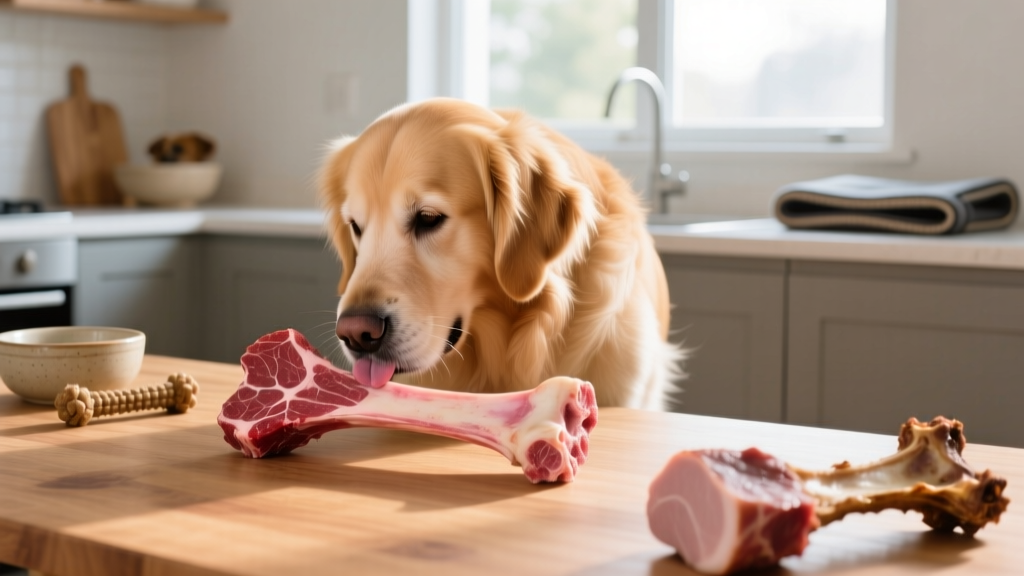
Cooked ham bones are unsafe for dogs. The cooking process makes bones brittle, causing them to splinter into sharp fragments that can puncture your dog's mouth, esophagus, stomach, or intestines. Raw ham bones carry lower splintering risk but still pose bacterial contamination and obstruction hazards. If your dog has already swallowed a cooked ham bone, skip to the emergency guidance below.
Why Cooked Ham Bones Are a Veterinary Emergency Waiting to Happen
The short answer to "can dogs eat ham bones" depends entirely on how the bone is prepared — and the news isn't good for either option. When you cook, bake, roast, or smoke a ham bone, the collagen and moisture inside the bone structure break down. What remains is a brittle, glass-like material that shatters under your dog's jaw pressure into jagged shards.
According to the FDA's Center for Veterinary Medicine, bone treats — including ham bones sold commercially — have been linked to reports of oral wounds, choking, intestinal blockages, vomiting, diarrhea, and even death in dogs. Between 2010 and 2023, the FDA received over 90 complaints related to commercially sold bone treats, with at least 15 dog deaths documented.
Here's what happens mechanically when a dog chews a cooked ham bone:
- Initial bite: The bone cracks into 2-5 large fragments and dozens of smaller shards
- Swallowing: Sharp edges scrape the esophageal lining, potentially causing esophagitis or perforation
- Stomach phase: Fragments may pass into the intestines, or accumulate and cause a gastric obstruction
- Intestinal transit: Splinters can puncture the intestinal wall, leading to peritonitis — a life-threatening abdominal infection with treatment costs ranging from $3,000 to $7,500
Raw ham bones are marginally less likely to splinter, but they introduce a different set of problems. Raw pork carries risks of Trichinella spiralis (a parasitic roundworm), Salmonella, and Yersinia enterocolitica. The AVMA's policy on raw pet food specifically warns that raw meat products pose documented zoonotic disease risks to both pets and the humans handling their food.
Ham Bone Risks by Type: What You Need to Know
| Bone Type | Splinter Risk | Bacterial Risk | Obstruction Risk | Safety Verdict |
|---|---|---|---|---|
| Smoked ham bone (commercial) | Very High | Low | High | DO NOT FEED |
| Baked/roasted ham bone (leftover) | Very High | Low | High | DO NOT FEED |
| Raw ham bone (uncooked pork) | Moderate | Very High | Moderate | NOT RECOMMENDED |
| Ham bone broth (strained, no bone pieces) | None | None (if boiled) | None | CAUTION — high sodium |
What Happens If My Dog Eats a Ham Bone?
If your dog has already grabbed a ham bone from the trash or snatched one off the table, here's a timeline of what to watch for and when symptoms typically appear:
Call your veterinarian or an emergency clinic right away if your dog shows any of these signs after eating a ham bone:
- Gagging, choking, or repeated swallowing attempts (within minutes to 1 hour)
- Vomiting — especially with blood or bone fragments visible (1-6 hours)
- Lethargy, hunched posture, or signs of abdominal pain (2-12 hours)
- Bloody stool or dark, tarry stool (6-48 hours)
- Straining to defecate with no output, or producing only small amounts (12-72 hours)
- Loss of appetite lasting more than 24 hours
- Fever above 103°F (39.4°C)
ASPCA Animal Poison Control: (888) 426-4435 (24/7, consultation fee applies)
Pet Poison Helpline: (855) 764-7661
Even if your dog seems fine initially, bone fragments can cause a slow-developing obstruction. The Merck Veterinary Manual notes that linear and sharp foreign bodies may initially pass through the stomach but become lodged at the pyloric sphincter or the ileocecal junction, sometimes not showing clinical signs for 24-72 hours.
What Your Vet Will Do
If you bring your dog in after ham bone ingestion, expect the following diagnostic process:
- Physical examination ($50-$100): Palpation of the abdomen, oral examination for visible splinters
- Abdominal X-rays ($200-$450): To locate bone fragments and assess for obstruction or perforation
- Blood work ($100-$250): CBC and chemistry panel to check for infection markers and organ function
- Ultrasound ($300-$500): If X-rays are inconclusive, ultrasound can detect intestinal wall damage and free fluid in the abdomen
If surgery is required to remove an obstruction, expect costs between $1,500 and $5,000 depending on complexity and your region. Intestinal perforation repair with peritonitis treatment can push total costs to $7,500 or more.
Safe Chewing Alternatives to Ham Bones
Dogs have a biological drive to chew — it maintains dental health, provides mental stimulation, and satisfies natural instinct. You don't need to eliminate chewing; you need to redirect it to safer options. Here are alternatives ranked by safety and durability:
| Alternative | Safety Rating | Durability | Price Range | Best For |
|---|---|---|---|---|
| Raw beef marrow bones (femur, knuckle — from butcher) | ⭐⭐⭐⭐ | High (30-60 min sessions) | $5-$12 per bone | Power chewers, large breeds |
| Rubber chew toys (Kong Classic, Goughnuts) | ⭐⭐⭐⭐⭐ | Very High (months to years) | $12-$30 | All dogs, especially destructive chewers |
| Bully sticks (single-ingredient beef pizzle) | ⭐⭐⭐⭐ | Medium (15-45 min) | $4-$9 each | Moderate chewers, dental health |
| Yak cheese chews (Himalayan Dog Chew) | ⭐⭐⭐⭐ | High (30-90 min) | $8-$18 each | Dogs with sensitive stomachs |
| Frozen carrot sticks | ⭐⭐⭐⭐⭐ | Low (10-20 min) | $0.25-$0.50 each | Puppies teething, overweight dogs |
| Antler chews (elk/deer — split) | ⭐⭐⭐ | Very High (weeks) | $15-$35 | Gentle chewers only (split antlers; whole antlers risk tooth fracture) |
Important note on raw beef bones: Even raw bones carry some risk. Choose bones larger than your dog's mouth so they can't swallow them whole, always supervise chewing sessions, and limit to 10-15 minutes at a time. Discard any bone that's been chewed down small enough to swallow.
Dogs Who Should Never Have Bones of Any Kind
Even the safest bone alternatives aren't appropriate for every dog. Consult your veterinarian before introducing any chew product if your dog falls into these categories:
- Dogs with dental work: Crowns, root canals, or previously fractured teeth are vulnerable to further damage from hard chews. The cost of a canine dental crown is $1,500-$3,000 per tooth — not worth the risk.
- Brachycephalic breeds (French Bulldogs, Pugs, English Bulldogs, Boston Terriers): Their shortened jaw structure concentrates bite force differently, increasing tooth fracture risk.
- Dogs with a history of pancreatitis: High-fat marrow bones can trigger a pancreatitis flare-up, which requires emergency veterinary care costing $1,000-$5,000.
- Aggressive gulpers: Dogs that don't chew but instead try to swallow objects whole are obstruction risks with any chew item.
- Senior dogs with compromised digestion: Older dogs have slower GI transit times, making bone fragment passage more dangerous.
- Puppies under 6 months: Baby teeth are more fragile, and puppies are more likely to attempt swallowing large pieces.
Frequently Asked Questions About Ham Bones and Dogs
Can I give my dog a small piece of ham without the bone?
Plain, cooked ham meat (no bone, no glaze, no seasoning) is technically safe in tiny amounts — about 1 teaspoon per 20 lb of body weight as an occasional treat. However, ham is extremely high in sodium (approximately 1,050 mg per 3 oz serving according to USDA data) and fat. For a 30 lb dog, the daily sodium requirement is only about 100-200 mg. A single bite of ham can exceed this. Regular ham consumption contributes to excessive thirst, sodium ion concerns, and pancreatitis risk. Lean proteins like plain chicken breast or turkey are far better treat choices.
What about commercially sold "smoked ham bone" dog treats from pet stores?
These are not safer than leftover ham bones. The FDA has specifically issued warnings about commercially sold bone treats, including smoked varieties. The smoking process still applies heat that makes bones brittle. Additionally, some commercial bone treats have been recalled for Salmonella contamination. The "natural" or "smoked" label does not mean "safe."
My dog ate a ham bone 3 days ago and seems fine. Am I in the clear?
Most likely, yes — if your dog is eating normally, having regular bowel movements, and showing no signs of discomfort. However, partial obstructions can sometimes present with delayed symptoms. If you notice any changes in appetite, vomiting, or stool abnormalities over the next week, contact your veterinarian and mention the bone ingestion.
Are there any cooked bones that are safe for dogs?
No. All cooked bones — whether chicken, turkey, beef, pork, lamb, or fish — become brittle and prone to splintering. This includes bones in soups, stews, roasts, and grilled meats. The only exception is bones that have been pressure-cooked for extended periods (12+ hours in a pressure cooker) until they completely disintegrate into a soft, crumbly paste — but at that point, there's no "bone" left to chew, just calcium-rich material that can be mixed into food.
Can ham bone broth be given to dogs?
Strained ham bone broth (with absolutely no bone fragments) can be offered in small amounts — about 1-2 tablespoons for a medium dog — but the high sodium content from the ham makes it less ideal than broth made from unseasoned chicken or beef bones. If you make broth at home specifically for your dog, skip the ham entirely and use plain, unsalted bones with a splash of apple cider vinegar to extract minerals. Never add onions, garlic, or leeks, as these are toxic to dogs.
Skip the ham bone entirely — cooked or raw. The risks of splintering, obstruction, bacterial contamination, and excessive sodium far outweigh any dental or entertainment benefit. Invest in a Kong Classic ($15-$25), stock up on bully sticks ($4-$9 each), or ask your butcher for raw beef knuckle bones specifically sized for your dog's breed. Your dog gets the chewing satisfaction; you avoid a potential $5,000 emergency surgery bill.
Beth Carrasco
All our authors care for dogs every day — read more of their work on the authors page.


