Can Dogs Eat Fish? A Complete Safety & Nutrition Guide
Can dogs eat fish safely? Learn which fish types are safe, proper serving sizes by weight, preparation rules, and health risks to watch for.
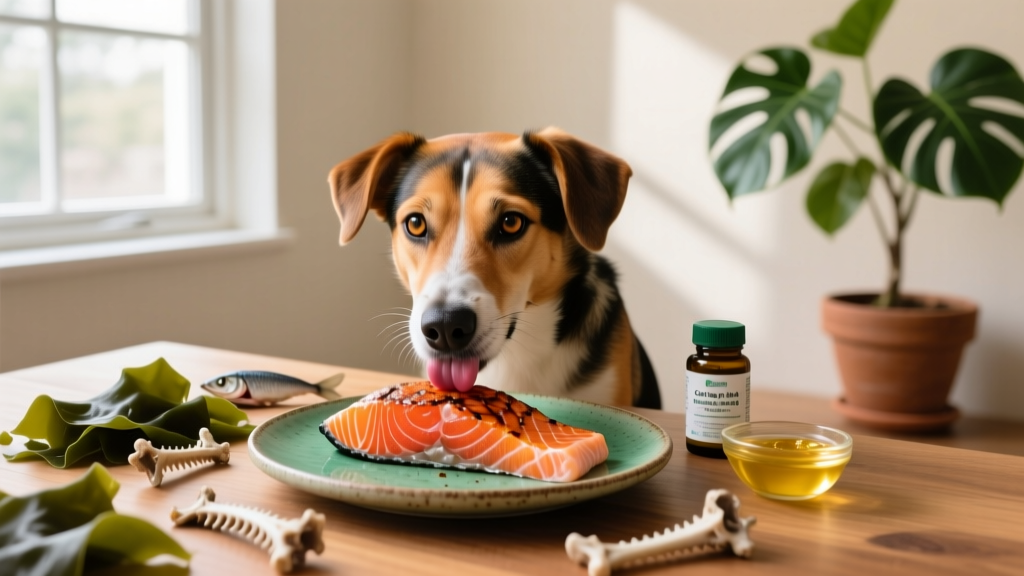
Fully cooked, deboned, unseasoned fish is safe and highly nutritious for most dogs. Fish provides complete protein, omega-3 fatty acids (EPA and DHA), vitamin D, and selenium. However, raw fish, smoked fish, fish bones, and heavily seasoned preparations are dangerous. Certain species like tuna and swordfish carry mercury risks that require strict portion limits. Always introduce fish gradually and consult your veterinarian before adding it to dogs with kidney disease, pancreatitis, or known food allergies.
Which Fish Types Are Safe for Dogs?
Not all fish are created equal when it comes to canine safety. The primary concerns are mercury accumulation, parasite risk, and bone hazards. According to the FDA's mercury monitoring data, shorter-lived, smaller fish accumulate far less mercury than large predatory species.
| Fish Type | Safety Rating | Notes |
|---|---|---|
| Salmon (cooked) | ★★★★★ Excellent | Rich in omega-3s; must be fully cooked to kill Neorickettsia helminthoeca (salmon poisoning disease parasite) |
| Sardines (canned in water) | ★★★★★ Excellent | Low mercury, soft bones safe when canned, high omega-3 content; choose no-salt-added varieties |
| Whitefish (cooked) | ★★★★☆ Very Good | Mild flavor, low fat, easy to digest; good for sensitive stomachs |
| Herring (cooked) | ★★★★☆ Very Good | Small oily fish, low mercury, excellent omega-3 source |
| Tilapia (cooked) | ★★★☆☆ Good | Low mercury but lower omega-3 content; farmed tilapia may contain more contaminants depending on source |
| Cod (cooked) | ★★★☆☆ Good | Lean white fish, low mercury; less omega-3 benefit than oily fish |
| Tuna (cooked, limited) | ⚠️ CAUTION | High mercury content; limit to rare treats only — no more than 1 tablespoon per 20 lb body weight per month |
| Mackerel (king) | ⚠️ CAUTION | King mackerel is high in mercury; Atlantic mackerel (smaller species) is safer |
| Swordfish | ❌ AVOID | Extremely high mercury levels; not safe for dogs at any serving size |
| Tilefish | ❌ AVOID | Among the highest mercury concentrations of any commercial fish per FDA data |
| Raw salmon / trout | ❌ AVOID | Carries Neorickettsia helminthoeca — causes salmon poisoning disease, fatal within 14 days if untreated |
How Much Fish Can I Give My Dog? Serving Sizes by Weight
Fish should never exceed 10% of your dog's daily caloric intake, per the AKC's treat guideline. The portions below assume cooked, unseasoned, deboned fish (such as salmon, sardines, or whitefish) fed as a treat or topper, not a meal replacement.
| Dog Weight Class | Weight Range | Max Serving (per feeding) | Max Frequency |
|---|---|---|---|
| Toy / Small | Under 20 lb (9 kg) | 1–2 tablespoons (≈15–30 g) | 2–3 times per week |
| Medium | 20–50 lb (9–23 kg) | 2–4 tablespoons (≈30–60 g) | 2–3 times per week |
| Large | 50–90 lb (23–41 kg) | ¼ cup (≈60 g) | 2–3 times per week |
| Giant | Over 90 lb (41+ kg) | ⅓ cup (≈80 g) | 2–3 times per week |
Caloric context: A 3-ounce (85 g) serving of cooked salmon contains approximately 177 calories and 10.5 g of fat. For a 30 lb (14 kg) dog with a daily caloric need of roughly 700 kcal, a 60 g fish treat adds about 125 calories — roughly 18% of daily intake. Reduce regular meal portions accordingly to prevent weight gain.
How to Prepare Fish Safely for Your Dog
Step-by-Step Fish Preparation for Dogs
- Choose fresh or frozen fish — Avoid pre-seasoned, marinated, or breaded products. Check for added garlic, onion powder, or sodium-based preservatives on ingredient labels.
- Cook thoroughly to 145°F (63°C) internal temperature — Bake, steam, grill, or poach. The flesh should flake easily and be opaque throughout. This kills parasites including the fluke that carries salmon poisoning disease.
- Remove ALL bones — Run your fingers along the fillet to detect pin bones. Cooked fish bones become brittle and can splinter, causing esophageal or intestinal perforation. This is non-negotiable.
- Skip all seasoning — No salt, butter, oil, garlic, onion, lemon juice, pepper, or herb rubs. Many common fish seasonings (garlic, onion) are toxic to dogs.
- Cool to room temperature — Serve at or slightly above room temperature to avoid mouth burns.
- Flake into bite-sized pieces — Appropriate for your dog's size. Mash for small breeds; larger chunks are fine for big dogs.
Canned fish shortcut: Canned sardines or salmon packed in water with no salt added are convenient and safe. The canning process softens bones in sardines, making them digestible. Drain the liquid and serve directly — no cooking required. One standard 3.75 oz (106 g) can of sardines in water contains roughly 290 mg of EPA+DHA combined, which meets or exceeds the therapeutic omega-3 dose for a 20 lb dog.
Nutritional Benefits of Fish for Dogs
Fish is one of the most nutritionally dense protein sources you can offer a dog. The Merck Veterinary Manual notes that omega-3 fatty acids from marine sources play a critical role in managing inflammation, supporting cognitive function, and maintaining skin and coat health in dogs.
| Nutrient | Amount | Benefit for Dogs |
|---|---|---|
| Protein | 22 g | Complete amino acid profile for muscle maintenance |
| Omega-3 (EPA + DHA) | 1.5–1.8 g | Reduces joint inflammation, supports brain health, improves coat quality |
| Vitamin D | 447 IU | Calcium/phosphorus regulation, immune support |
| Vitamin B12 | 4.9 mcg | Nerve function, red blood cell production |
| Selenium | 31 mcg | Antioxidant protection, thyroid hormone metabolism |
| Niacin (B3) | 8.6 mg | Energy metabolism, skin health |
| Phosphorus | 252 mg | Bone structure (caution for dogs with kidney disease) |
Novel protein advantage: Fish is less commonly used in standard commercial dog foods than chicken or beef. This makes it a valuable novel protein for dogs with food sensitivities. Veterinary dermatologists frequently recommend fish-based elimination diets to identify food allergies because most dogs haven't been previously exposed to it.
Risks and Side Effects: What Happens If My Dog Eats Too Much Fish?
While fish is safe in appropriate portions, overfeeding or improper preparation introduces several risks:
- Mercury toxicity (chronic overfeeding of high-mercury fish): Symptoms include loss of coordination, tremors, blindness, and behavioral changes. This develops over weeks to months of regular high-mercury fish consumption, not from a single exposure.
- Salmon poisoning disease (raw salmon/trout): Caused by the bacterium Neorickettsia helminthoeca carried by the parasitic fluke Nanophyetus salmincola. Symptoms appear 6–14 days after ingestion: vomiting, bloody diarrhea, fever (104–107°F / 40–42°C), lethargy, swollen lymph nodes. Fatal in 90% of untreated cases. Endemic to the Pacific Northwest (Washington, Oregon, northern California, and parts of British Columbia). If you live in or have visited these areas and your dog consumed raw salmon or trout, contact your veterinarian immediately.
- Gastrointestinal obstruction (fish bones): Cooked bones splinter and can lodge in the esophagus, stomach, or intestines. Signs include gagging, pawing at the mouth, drooling, refusal to eat, abdominal pain, and vomiting. This is a surgical emergency.
- Pancreatitis flare (high-fat fish): Oily fish like salmon and mackerel are high in fat. Dogs with a history of pancreatitis may experience a flare-up even from moderate portions. Watch for vomiting, hunched posture, abdominal pain, and diarrhea within 12–24 hours.
- Thiaminase-related deficiency (certain raw fish): Raw carp, herring, and some other species contain the enzyme thiaminase, which destroys vitamin B1 (thiamine). Chronic exposure causes neurological symptoms including seizures and loss of appetite. Cooking destroys thiaminase.
- Parasitic infection (raw fish generally): Beyond salmon poisoning, raw fish can carry roundworms, tapeworms, and flukes transmissible to dogs.
- Ate raw salmon, trout, or steelhead (especially in the Pacific Northwest)
- Shows vomiting, diarrhea, or lethargy within 48 hours of eating fish
- Is gagging, drooling excessively, or pawing at the mouth (possible bone impaction)
- Has a fever above 103.5°F (39.7°C) after consuming fish
- Shows signs of an allergic reaction: facial swelling, hives, difficulty breathing
- Consumed fish seasoned with garlic, onion, or xylitol-containing sauces
If you suspect poisoning, you can also contact the ASPCA Animal Poison Control Center at (888) 426-4435 (24/7, consultation fee applies).
Dogs Who Should Not Eat Fish
While most healthy dogs tolerate cooked fish well, certain populations should avoid it or require veterinary approval first:
- Dogs with chronic kidney disease (CKD): Fish is high in phosphorus (252 mg per 3 oz salmon serving). Elevated phosphorus accelerates kidney damage in CKD patients. Your veterinarian may recommend a phosphorus-restricted diet that excludes fish.
- Dogs with pancreatitis (active or history of): The high fat content in oily fish (10.5 g fat per 3 oz salmon) can trigger pancreatitis episodes. Lean white fish like cod (0.7 g fat per 3 oz) may be acceptable in tiny amounts — ask your vet.
- Dogs with known fish allergies: Though less common than chicken or beef allergies, fish allergies do occur in dogs. If your dog has been diagnosed via veterinary-supervised elimination diet trial, avoid all fish products including fish-oil supplements.
- Puppies under 12 weeks: Their digestive systems are still developing. Stick to a complete-and-balanced puppy food (AAFCO-formulated) and avoid introducing novel proteins as treats until weaning is fully established and your vet gives the green light.
- Dogs on sodium-restricted diets: Canned fish, even "no salt added" varieties, contains naturally occurring sodium. Smoked fish (lox, kippered herring) is extremely high in sodium and should never be fed to dogs with heart disease or hypertension.
- Dogs taking anticoagulant medications: High doses of omega-3 fatty acids can have a mild blood-thinning effect. If your dog is on medications like clopidogrel or warfarin, discuss fish intake with your veterinarian to avoid excessive anticoagulation.
Fish Products to Avoid Completely
Some fish preparations are hazardous regardless of portion size:
- Smoked salmon / lox: Extremely high sodium (1,800+ mg per 3 oz), risk of Neorickettsia if cold-smoked, and often contains sugar and spice rubs unsafe for dogs.
- Fish sticks / breaded fish products: Contain breading with onion/garlic powder, high sodium, and are deep-fried in oils that can cause GI upset.
- Sushi and sashimi: Raw fish carries parasites and bacteria. Additionally, sushi often contains avocado (persin toxicity risk), wasabi, soy sauce (extreme sodium), and raw eggs.
- Fish cooked in butter, garlic, or cream sauces: Garlic is toxic to dogs at doses above 5 g/kg body weight. Butter and cream add unnecessary fat that risks pancreatitis.
- Shellfish (shrimp, crab, lobster): While technically not fish, these are often grouped together. Cooked, shelled, deveined shrimp in small amounts is generally safe, but shellfish carry higher allergy risk and can harbor vibrio bacteria if undercooked.
- Fish oil supplements (without veterinary guidance): Concentrated fish oil capsules designed for humans can deliver excessive omega-3 doses. The recommended therapeutic dose for dogs is 50–75 mg EPA+DHA per kg of body weight daily — exceeding this can impair blood clotting and immune function. Always consult your veterinarian before adding supplements.
How to Introduce Fish to Your Dog's Diet Safely
Any new food should be introduced gradually to monitor for adverse reactions. Follow this protocol:
- Day 1: Offer a pea-sized amount of cooked, deboned, unseasoned fish. Mix it into their regular food or offer it as a standalone treat.
- Days 1–2: Monitor for vomiting, diarrhea, itching, ear scratching, paw licking, or facial swelling. These are signs of food intolerance or allergy.
- Day 3: If no reaction, increase to half the recommended serving size for your dog's weight class.
- Days 3–5: Continue monitoring. Some food sensitivities take 48–72 hours to manifest as soft stools or skin irritation.
- Day 6+: If your dog tolerates the half-portion well, increase to the full recommended serving size and incorporate into the weekly treat rotation (2–3 times per week maximum).
Pro tip from the clinic: If you're using fish as part of an elimination diet trial to diagnose food allergies, you must feed only the novel protein and a single carbohydrate source for 8–12 weeks. No treats, no flavored medications, no table scraps. Work with your veterinarian to design the protocol — home trials without veterinary oversight frequently produce unreliable results because owners unknowingly introduce contaminating proteins.
Frequently Asked Questions
Can dogs eat canned tuna?
Canned tuna is not toxic, but it should be fed very sparingly due to high mercury content. Limit to no more than 1 tablespoon per 20 lb of body weight, once per month at most. Choose tuna packed in water with no added salt. Albacore (white) tuna has roughly three times the mercury of skipjack (light) tuna — opt for light tuna if you feed it at all. For regular fish treats, sardines or salmon are far safer choices.
Is fish skin safe for dogs?
Cooked fish skin is safe and actually contains beneficial omega-3 fatty acids and collagen. However, it must be cooked without oil, butter, or seasoning. Avoid fried fish skin or commercially prepared fish skin snacks intended for humans, as these often contain salt and preservatives. Raw fish skin should never be fed due to parasite risk.
Can dogs eat fish bones?
No. Cooked fish bones are brittle and splinter easily, creating sharp fragments that can perforate the esophagus, stomach, or intestinal wall. This is a life-threatening emergency requiring surgical intervention. The exception is canned sardines, where the canning process softens the bones completely, making them digestible. For all other fish, remove every bone before serving.
Is fish a good protein for dogs with allergies?
Fish can be an excellent novel protein for dogs with chicken, beef, or lamb allergies. Because fish is less common in standard commercial diets, many dogs haven't been sensitized to it. However, approximately 10–15% of dogs with food allergies are allergic to fish itself, according to veterinary dermatology studies. A proper diagnosis requires a veterinary-supervised elimination diet trial — not a guess based on over-the-counter "limited ingredient" foods.
Can I feed my dog fish every day?
No. Even the safest fish varieties should be limited to 2–3 feedings per week. Daily fish consumption increases the risk of mercury accumulation (even in low-mercury species), can create nutritional imbalances if it displaces a complete-and-balanced diet, and may lead to excessive calorie intake and weight gain. Think of fish as a high-value supplement, not a staple.
Can dogs eat fish-based commercial dog food?
Yes. AAFCO-formulated fish-based dog foods (such as those featuring salmon, whitefish, or menhaden fish meal as the primary protein) are nutritionally complete and balanced. These products use controlled fish sources with monitored mercury levels and are formulated to meet all of a dog's dietary requirements. They're a safer option for daily feeding than home-prepared fish treats.
Disclaimer: This article is for informational purposes only and does not replace professional veterinary advice. Always consult your veterinarian before making significant changes to your dog's diet, especially if your dog has existing health conditions, is on medication, or is under 12 months of age. Individual dogs may react differently to new foods.
Anouk Beaumont
All our authors care for dogs every day — read more of their work on the authors page.


