Can Dogs Eat Dill Pickles? A Vet-Backed Safety Guide for Owners
Can dogs eat dill pickles safely? Learn the vet-approved verdict, exact serving sizes by weight, sodium risks, and when to call your veterinarian.
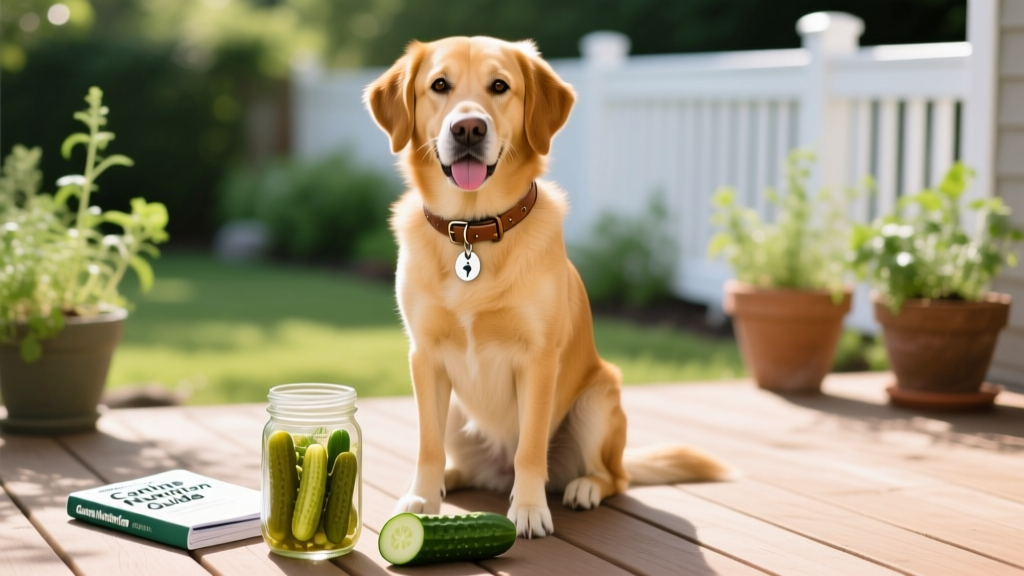
If your dog snatched a dill pickle spear off your plate or you're wondering whether sharing a crunchy pickle is safe, you're not alone. Dill pickles are a staple in American households, and their tangy crunch can be tempting for curious pups. But before you toss a pickle slice to your furry companion, there are some important things you need to know about sodium content, seasonings, and portion safety.
Plain dill pickles are not toxic to dogs, but they are not recommended as a regular treat. The primary concern is the extremely high sodium content — a single medium dill pickle spear (about 35g) contains roughly 280–350 mg of sodium, which can represent 25–50% of a small dog's daily sodium limit. Occasional tiny bites of plain pickle are unlikely to cause harm in healthy adult dogs, but flavored, spicy, or garlic-containing pickles should be strictly avoided. Always consult your veterinarian before introducing any high-sodium human food into your dog's diet.
The Sodium Problem: Why Pickles Aren't an Ideal Dog Treat
Dogs have a significantly lower sodium tolerance than humans. According to the National Research Council, the recommended daily sodium intake for an average adult dog is approximately 10 mg per pound of body weight (roughly 22 mg/kg). For a 20-pound dog, that's only about 200 mg of sodium per day from all dietary sources combined.
A single medium dill pickle spear can contain between 280–350 mg of sodium, depending on the brand and brining process. Some commercial brands push even higher — Vlasic Kosher Dill Spears, for example, contain approximately 290 mg per spear, while Claussen Kosher Dills clock in around 330 mg per spear. A full dill pickle (not just a spear) can deliver 500–800 mg of sodium, easily exceeding an entire day's allowance for a small or medium dog in one bite.
Excessive sodium in dogs can lead to:
- Sodium ion poisoning (hypernatremia) — symptoms include vomiting, diarrhea, excessive thirst, tremors, and seizures at severe levels
- Dehydration — dogs will drink excessively but may still become dehydrated as kidneys work to excrete the salt load
- Increased blood pressure — particularly dangerous for senior dogs or those with cardiac conditions
- Kidney strain — chronic high sodium intake taxes renal function over time
The ASPCA Animal Poison Control reports that salt toxicity in dogs typically becomes a concern at doses above 2–3 grams of sodium per kilogram of body weight, but even lower amounts can cause gastrointestinal distress and behavioral changes like excessive panting and restlessness.
Safe Serving Sizes by Dog Weight
If you choose to share a tiny amount of plain dill pickle with your healthy adult dog, here are the maximum portions based on body weight. These are occasional treats only — no more than once or twice per month, and they should represent less than 10% of your dog's daily caloric intake.
| Dog Size | Weight Range | Max Pickle Amount | Approx. Sodium | Frequency |
|---|---|---|---|---|
| Small (Toy/Small) | 5–20 lb / 2.3–9 kg | ½ teaspoon diced (approx. 2–3g) | 16–30 mg | Rarely (1–2x/month max) |
| Medium | 21–50 lb / 9.5–23 kg | 1 teaspoon diced (approx. 5g) | 40–50 mg | Occasionally (1–2x/month) |
| Large | 51–90 lb / 23–41 kg | ½ tablespoon diced (approx. 8g) | 65–80 mg | Occasionally (1–2x/month) |
| Giant | 91+ lb / 41+ kg | 1 tablespoon diced (approx. 15g) | 120–150 mg | Occasionally (1–2x/month) |
Important: These portions assume a plain dill pickle with no added garlic, onion, chili, or other seasonings. Always dice the pickle into small pieces to reduce choking risk, especially for small breeds.
How to Prepare Dill Pickles for Your Dog
Not all dill pickles are created equal, and preparation matters enormously when it comes to canine safety. Here's exactly how to handle it if you decide to share:
- Read the ingredient label first. The only acceptable ingredients are: cucumbers, water, vinegar, salt, dill, and calcium chloride (a common firming agent). Reject any pickle containing garlic, onion, mustard seed, horseradish, chili peppers, or xylitol (an artificial sweetener that is lethally toxic to dogs).
- Choose plain kosher dill or regular dill — avoid "spicy," "hot," "bread and butter," "sweet," or "garlic" varieties entirely.
- Rinse the pickle piece under cold water for 10–15 seconds to remove surface brine and reduce sodium content by approximately 15–20%.
- Dice into appropriate-sized pieces based on your dog's weight (see table above). For small dogs, pieces should be no larger than a pea.
- Pat dry with a paper towel to remove excess moisture and brine.
- Serve on a clean surface or in a treat-dispensing toy — never toss pickle pieces on the floor where they can pick up bacteria.
Nutritional Profile: What's Actually in a Dill Pickle?
Dill pickles do contain trace amounts of certain nutrients, but the nutritional benefits are minimal compared to the sodium load. Here's what the USDA FoodData Central database reports for a standard dill pickle spear (approximately 35 grams):
| Nutrient | Amount per Spear (35g) | Relevance to Dogs |
|---|---|---|
| Calories | 4 kcal | Negligible |
| Sodium | 280–350 mg | Excessively high — primary concern |
| Vitamin K | 16.4 mcg | Supports blood clotting, but dogs synthesize adequate amounts |
| Vitamin A | 35 IU | Trace amount, nutritionally insignificant |
| Fiber | 0.4 g | Minimal digestive benefit |
| Potassium | 23 mg | Too low to provide benefit |
| Calcium | 16 mg | Insignificant contribution |
The bottom line: dill pickles offer virtually no meaningful nutritional advantage for dogs. The trace vitamins and fiber are easily obtained from safer, lower-sodium alternatives like fresh cucumber, green beans, or carrots — foods that the American Kennel Club specifically recommends as healthy dog treats.
What Happens If Your Dog Eats Too Many Dill Pickles?
If your dog manages to steal a whole pickle or gets into an open jar, watch for these signs of sodium-related distress. Symptoms of excessive sodium intake typically appear within 1–4 hours of ingestion:
- Excessive thirst and urination — drinking far more water than normal and needing to go out frequently
- Vomiting or diarrhea — especially if it persists beyond one episode
- Lethargy or unusual sluggishness — your dog seems "off" or won't get up
- Tremors, muscle twitching, or incoordination — neurological signs that may indicate sodium ion poisoning
- Seizures or collapse — this is a medical emergency; go to the nearest emergency vet clinic immediately
- Swelling or bloating of the abdomen — could indicate fluid retention or, in large/giant breeds, GDV (bloat), which is life-threatening
ASPCA Animal Poison Control: (888) 426-4435 (24/7, consultation fee applies)
Pet Poison Helpline: (855) 764-7661
For mild overconsumption (e.g., a 40-pound dog ate one full pickle spear), provide plenty of fresh water and monitor closely for 24–48 hours. Most healthy adult dogs will drink extra water and excrete the excess sodium through urine without lasting effects. However, if your dog is small, elderly, or has pre-existing kidney or heart disease, contact your veterinarian even for a small overconsumption event.
Related Pickle Products Dogs Should Never Eat
While plain dill pickles are technically non-toxic in tiny amounts, many pickle varieties and related products carry serious risks:
| Product | Safe for Dogs? | Reason |
|---|---|---|
| Garlic dill pickles | NO | Garlic is toxic to dogs — causes oxidative damage to red blood cells (hemolytic anemia) |
| Spicy/hot pickles | NO | Capsaicin causes GI irritation, vomiting, and oral pain |
| Bread and butter pickles | NO | High sugar content; often contain onion and mustard seed |
| Sweet pickles | NO | Excessive sugar; may contain xylitol (lethally toxic to dogs) |
| Pickle juice/brine | NO | Concentrated sodium — one tablespoon of brine can contain 200+ mg sodium |
| Onion-containing pickles | NO | Onion is toxic to dogs — causes Heinz body anemia |
| Fried pickles | NO | High fat content (pancreatitis risk), breading often contains garlic/onion powder |
Dogs Who Should Never Eat Dill Pickles
Even the tiny "safe" portions listed above are off-limits for certain dogs. Skip pickles entirely if your dog falls into any of these categories:
- Puppies under 12 months — developing kidneys cannot efficiently process excess sodium
- Senior dogs (7+ years, breed-dependent) — increased risk of kidney disease and cardiac issues
- Dogs with kidney disease or renal insufficiency — sodium restriction is a cornerstone of renal diets
- Dogs with heart disease or congestive heart failure — excess sodium worsens fluid retention and cardiac workload
- Dogs with hypertension (high blood pressure) — sodium directly elevates blood pressure
- Dogs on sodium-restricted prescription diets (e.g., Hill's h/d, Royal Canin Cardiac, Purina Pro Plan Veterinary Supplements NF Kidney Function)
- Dogs with a history of pancreatitis — while pickles are low-fat, the salt load can trigger GI distress that complicates management
- Brachycephalic breeds prone to dehydration (Bulldogs, Pugs, Boston Terriers) — their compromised respiratory systems make them more vulnerable to fluid imbalances
Better Alternatives to Dill Pickles for Dogs
If your dog enjoys the crunchy texture or cool temperature of pickles, try these far safer alternatives that deliver similar sensory satisfaction without the sodium risk:
- Fresh cucumber slices — the base ingredient of pickles, with only 2 mg sodium per cup. Crunchy, hydrating (96% water), and virtually calorie-free at 16 kcal per cup.
- Frozen green beans — crunchy when frozen, low in sodium (approximately 6 mg per ½ cup), and a good source of fiber and manganese.
- Frozen carrot sticks — satisfying crunch, rich in beta-carotene, and only 41 mg sodium per medium carrot.
- Celery sticks (cut into small pieces) — crunchy and refreshing, with about 32 mg sodium per stalk. Cut into 1-inch pieces to prevent choking in small dogs.
- Plain, unsalted cucumber spears chilled in the fridge — mimics the cool crunch of a pickle without any of the sodium.
Frequently Asked Questions
Can dogs eat dill pickles at all?
Technically yes, plain dill pickles are not toxic. However, they are not recommended due to their extremely high sodium content. If you share at all, keep portions to a few diced pieces no more than once or twice per month, and only for healthy adult dogs.
How much dill pickle can I give my dog?
For a medium dog (21–50 lb), the maximum is about 1 teaspoon of diced plain dill pickle (approximately 5 grams), offered no more than 1–2 times per month. Small dogs should receive even less — about ½ teaspoon. Large dogs can have up to ½ tablespoon. Always rinse the pickle first to reduce surface sodium.
Is dill itself safe for dogs?
Yes, fresh or dried dill herb is safe for dogs and is not toxic. The ASPCA's toxic plant database does not list dill (Anethum graveolens) as toxic to dogs. The problem with dill pickles is the sodium and brine, not the dill seasoning.
What should I do if my dog ate a whole jar of pickles?
This is a potential sodium toxicity emergency, especially for small dogs. Provide unlimited fresh water immediately, and contact your veterinarian or the ASPCA Animal Poison Control at (888) 426-4435. Watch for vomiting, diarrhea, excessive thirst, tremors, and seizures. Do not induce vomiting unless instructed by a veterinary professional.
Can dogs eat homemade dill pickles?
Homemade pickles can be slightly safer if you control the sodium content — use a reduced-sodium brine recipe with no garlic or onion. However, even homemade pickles contain significant salt. Fresh cucumber with a sprinkle of dried dill is a much better option that gives the same flavor profile without the sodium risk.
Are there any health benefits to feeding dogs pickles?
The trace amounts of vitamin K, vitamin A, and fiber in a dill pickle are nutritionally insignificant for dogs. You can obtain these same nutrients — and far more — from fresh vegetables like cucumbers, green beans, and carrots that carry none of the sodium risk. There is no compelling veterinary or nutritional reason to feed pickles to dogs.
Veterinary Disclaimer: This article is for informational purposes only and does not replace professional veterinary advice. Always consult your veterinarian before introducing new human foods into your dog's diet, especially if your dog has pre-existing health conditions or is on a prescription diet.
Marcus Aldridge
All our authors care for dogs every day — read more of their work on the authors page.


