Can Dogs Eat Cheddar Cheese? A Complete Safety & Serving Guide
Can dogs eat cheddar cheese? Yes, with caution. Learn safe serving sizes by weight, nutritional benefits, risks like lactose intolerance, and when to avoid it.
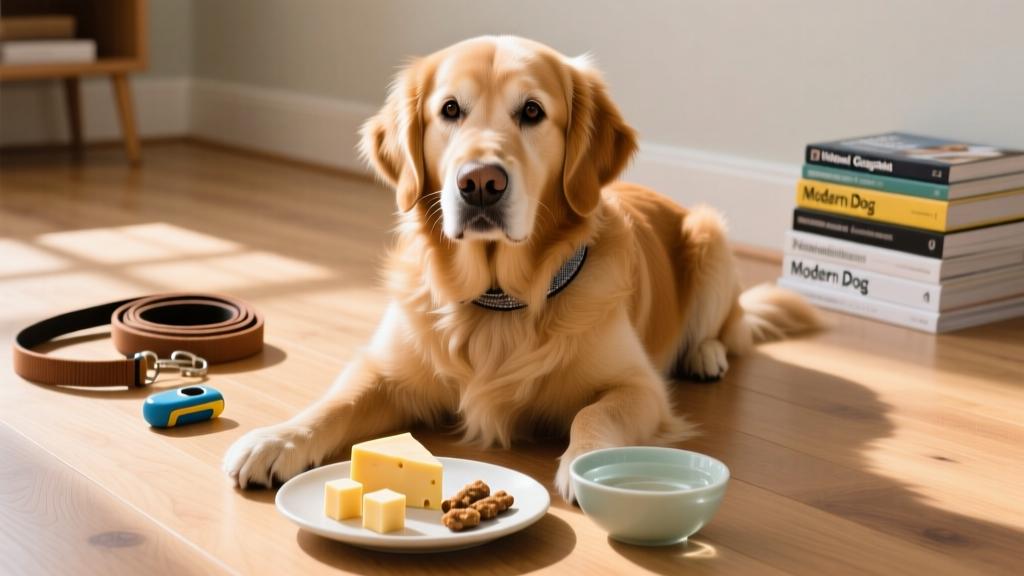
If your dog has ever stared longingly at a cheese board, you've probably wondered: can dogs eat cheddar cheese? The short answer is yes — most dogs can safely eat cheddar cheese in small amounts. Cheddar is actually one of the safer cheese options for dogs because it's relatively low in lactose compared to fresh cheeses like mozzarella or ricotta. However, the high fat and sodium content means portion control is essential, and some dogs should avoid it entirely.
Cheddar cheese is safe for most healthy adult dogs in small, controlled portions. It contains less lactose than many cheeses (roughly 0.1g per ounce), making it tolerable even for some dogs with mild dairy sensitivity. However, the high fat content (9g per ounce) and sodium (174mg per ounce) mean it should be an occasional treat, not a dietary staple. Dogs with pancreatitis, obesity, or severe lactose intolerance should avoid it.
How Much Cheddar Cheese Can I Give My Dog?
The biggest mistake dog owners make with cheese is eyeballing portions. A one-ounce cube of cheddar might seem small to you, but for a 10-pound dog, it's calorically equivalent to a human eating an entire cheeseburger. The American Kennel Club recommends that treats — including cheese — should make up no more than 10% of your dog's daily caloric intake.
Here's a precise breakdown of safe serving sizes based on your dog's weight class. These assume cheddar cheese is the only treat being offered that day:
| Dog Weight | Max Serving Size | Calories | Frequency |
|---|---|---|---|
| Under 10 lb (4.5 kg) | ½ teaspoon grated (~3g) | ~12 kcal | 2–3 times/week max |
| 10–25 lb (4.5–11 kg) | 1 teaspoon grated (~5g) | ~20 kcal | 2–3 times/week max |
| 25–50 lb (11–23 kg) | ½ tablespoon (~7g or one small cube) | ~28 kcal | 3–4 times/week max |
| 50–90 lb (23–41 kg) | 1 tablespoon (~14g or one standard cube) | ~57 kcal | 3–4 times/week max |
| Over 90 lb (41+ kg) | 1½ tablespoons (~21g) | ~85 kcal | 3–4 times/week max |
Pro tip: Grating the cheese makes portions go further as a food topper or training reward. A 2-ounce block of cheddar yields roughly ½ cup grated — enough for multiple training sessions for a medium-sized dog.
Is Cheddar Cheese Good for Dogs Nutritionally?
Cheddar cheese does offer some genuine nutritional value beyond just being a high-value treat. According to USDA nutritional data, one ounce (28g) of sharp cheddar provides:
| Nutrient | Amount per 1 oz (28g) | Benefit for Dogs |
|---|---|---|
| Protein | 6.4g | Muscle maintenance, immune function |
| Calcium | 200mg | Bone strength, nerve signaling |
| Phosphorus | 145mg | Works with calcium for skeletal health |
| Vitamin A | 284 IU | Vision, skin, coat health |
| Vitamin B12 | 0.24 mcg | Red blood cell formation, nervous system |
| Zinc | 0.88mg | Wound healing, immune support |
| Fat | 9.3g | Energy source (but excessive in amount) |
| Sodium | 174mg | ⚠️ Concerning at high portions |
| Lactose | ~0.1g | Low — generally well-tolerated |
The calcium and protein content are legitimately beneficial, especially for active dogs. However, these same nutrients are already present in a complete and balanced commercial diet. Think of cheddar as a bonus, not a nutritional necessity. The fat-to-nutrient ratio is the main trade-off: your dog gets meaningful calcium and B12, but at the cost of nearly 10 grams of fat per ounce.
How to Prepare Cheddar Cheese for Your Dog
Preparation matters more than most owners realize. Follow these steps to minimize risks:
- Choose plain, unflavored cheddar. Avoid any cheddar with added garlic, onion, chives, jalapeños, or herb coatings. Garlic and onion are toxic to dogs and cause hemolytic anemia. Even "herb-crusted" artisan cheddars can contain unsafe seasonings.
- Skip the rind if wax-coated. Natural rind on aged cheddar is generally fine, but the red or black wax coating on many commercial blocks is not digestible and poses an intestinal blockage risk, especially for small dogs.
- Cut or grate into appropriate sizes. For small dogs under 20 lb, grate the cheese finely to prevent choking. For larger dogs, small cubes roughly ½ inch are manageable. Never offer a whole slice or large chunk — dogs tend to inhale these without chewing.
- Serve at room temperature. Cold cheese straight from the fridge is harder to chew and digest. Let it sit out for 10–15 minutes before serving.
- Use as a topper or training treat. Cheddar works exceptionally well as a high-value reward during training sessions because most dogs find it irresistible. Crumble the grated portion over kibble to entice picky eaters, or portion into pea-sized training pieces.
What about melted or cooked cheddar? Melted cheddar is safe if plain, but avoid dishes where cheese is combined with toxic ingredients — think mac and cheese (the dairy and butter load is excessive), cheese sauces (often contain onion powder), or cheese on pizza (garlic, high sodium, and grease). A small amount of plain melted cheddar cooled to a safe temperature is fine.
What Happens If My Dog Eats Too Much Cheddar Cheese?
The consequences depend on how much they ate relative to their size and their individual tolerance. Here's what to watch for, organized by severity:
| Severity | Symptoms | Onset | Action |
|---|---|---|---|
| Mild | Soft stool, mild gas, slight belly rumbling | 2–6 hours | Monitor at home; offer water; withhold cheese going forward |
| Moderate | Diarrhea, vomiting, decreased appetite, lethargy | 4–12 hours | Fast for 12 hours; call vet if symptoms persist beyond 24 hours |
| Severe | Repeated vomiting, abdominal pain (hunched posture), bloody stool, extreme lethargy | 6–24 hours | Call your vet immediately — possible pancreatitis |
The most serious risk from overeating cheddar is pancreatitis — an inflammatory condition of the pancreas triggered by high-fat meals. According to the Merck Veterinary Manual, pancreatitis is more common in certain breeds including Miniature Schnauzers, Cocker Spaniels, and Yorkshire Terriers. A single large dose of fatty food can trigger an episode in predisposed dogs, and treatment costs typically range from $500 to $2,500 depending on severity and hospitalization needs.
- Repeated vomiting (more than twice in 4 hours)
- "Prayer position" — front end down, rear end up (sign of abdominal pain)
- Bloody or tarry diarrhea
- Refusal to eat or drink for more than 12 hours
- Visible abdominal bloating or distension
- Signs of dehydration (tacky gums, skin tenting)
If it's after hours, contact your nearest emergency veterinary clinic or the ASPCA Animal Poison Control Center at (888) 426-4435 (24/7, consultation fee applies) for guidance on ingestion concerns involving toxic additives like garlic or onion.
Which Dogs Should NOT Eat Cheddar Cheese?
While most healthy adult dogs tolerate small amounts of cheddar fine, there are specific groups who should skip it entirely:
- Dogs with pancreatitis (current or history): The high fat content can trigger a painful, potentially life-threatening flare-up. Even a tablespoon could be dangerous for a dog with chronic pancreatitis.
- Overweight or obese dogs (BCS 7–9/9): At 113 calories per ounce, cheddar adds dense calories that undermine weight management. A dog on a weight loss plan should get treats from lower-calorie sources like green beans or carrot sticks.
- Dogs with severe lactose intolerance: While cheddar is low in lactose, some dogs are so sensitive that even trace amounts cause diarrhea and cramping. If your dog reacts to yogurt or ice cream, avoid cheese entirely.
- Dogs with kidney disease: The phosphorus (145mg/oz) and sodium (174mg/oz) in cheddar can strain compromised kidneys. Dogs on renal diets should not receive cheese treats.
- Dogs on sodium-restricted diets: Those with congestive heart failure or hypertension often have strict sodium limits, and cheddar's salt content works against those restrictions.
- Puppies under 12 weeks: Their digestive systems are still developing, and introducing rich dairy can cause significant upset. Stick to puppy-formulated treats.
When in doubt about whether your dog falls into one of these categories, consult your veterinarian before offering any new food. A quick call to your clinic can save you an expensive emergency visit later.
Similar Foods to Avoid and Safer Cheese Alternatives
Not all cheese is created equal for dogs. Here's how cheddar compares to other common options you might have in your fridge:
| Cheese/Food | Safe for Dogs? | Key Concern |
|---|---|---|
| Cheddar (plain) | ✅ Yes, in small amounts | High fat and sodium |
| Mozzarella (low-moisture) | ✅ Yes — slightly better option | Lower fat than cheddar; still moderate sodium |
| Cottage cheese (low-fat) | ✅ Yes — often vet-recommended | Higher lactose than cheddar, but lower fat |
| Blue cheese (Roquefort, Gorgonzola) | ❌ No | Contains roquefortine C, a mycotoxin that can cause vomiting, seizures |
| Cream cheese | ⚠️ Caution | Very high fat; often contains garlic/onion in flavored varieties |
| Cheese spreads (Cheez Whiz, etc.) | ❌ No | Artificial additives, extremely high sodium, often onion powder |
| String cheese | ✅ Yes (it's mozzarella) | Choking hazard for small dogs; tear into strips |
| Swiss cheese | ✅ Yes — good alternative | Very low lactose; moderate fat |
Blue cheese deserves special emphasis. The mold cultures used in Roquefort, Gorgonzola, Stilton, and similar cheeses produce roquefortine C, a tremorgenic mycotoxin. In dogs, ingestion can cause muscle tremors, seizures, and hyperthermia within 2–4 hours. Even a small crumble is risky — never let your dog eat blue cheese under any circumstances.
How to Safely Introduce Cheddar Cheese to Your Dog
If you've never fed your dog cheddar before, follow a gradual introduction protocol to test tolerance:
Step 1: Start with a tiny amount. For your first offering, give roughly half the recommended serving size for your dog's weight class. A pea-sized piece for small dogs, or a ¼ teaspoon of grated cheese for medium dogs.
Step 2: Monitor for 24–48 hours. Watch for gas, loose stool, vomiting, or unusual scratching (a possible sign of a dairy protein sensitivity, though true cheese allergies are rare in dogs). If any of these appear, discontinue cheese and note it as a food sensitivity.
Step 3: Increase to full serving if no reaction. If your dog handles the test portion well with normal digestion and behavior over the next day, you can offer the full serving size for their weight class on future occasions.
Step 4: Track frequency. Keep a mental (or written) note of how often cheese appears in your dog's treat rotation. Rotating between cheese, freeze-dried liver, and commercial training treats prevents over-reliance on any single high-fat food.
This same introduction protocol works for any new human food you want to share. It's the same cautious approach veterinary nutritionists recommend when transitioning between commercial diets — slow introduction minimizes GI upset and helps you identify the specific culprit if problems arise.
Frequently Asked Questions
Can puppies eat cheddar cheese?
Puppies over 12 weeks old can have a tiny taste of cheddar (pea-sized amount), but it's not recommended as a regular treat. Their developing digestive systems are more sensitive to rich, fatty foods. Focus on puppy-specific training treats that are formulated for their nutritional needs. Wait until your dog is at least 6–12 months old before offering cheese regularly.
Is cheddar cheese good for hiding pills?
Yes — cheddar is one of the most effective pill-hiding foods because its strong flavor and malleable texture mask medication well. Roll a small piece around the pill and offer it as a treat. Just remember to count the cheese toward your dog's daily treat allowance, and confirm with your vet that the medication can be taken with food (some drugs require an empty stomach).
Can dogs eat cheddar cheese crackers or cheese-flavored snacks?
No. Cheddar cheese crackers, Goldfish crackers, Cheez-Its, and similar snacks contain significant amounts of salt, artificial flavors, and often onion or garlic powder. The cheese content is minimal while the harmful additives are high. Stick to real, plain cheddar in appropriate portions.
My dog ate a whole block of cheddar — what should I do?
A full block (typically 8 oz) contains roughly 900 calories, 72g of fat, and 1,400mg of sodium — far too much for any dog. Expect gastrointestinal distress within 4–12 hours. Withhold food for 12 hours, provide plenty of water, and contact your veterinarian. For dogs under 25 lb or breeds prone to pancreatitis (Miniature Schnauzers, Yorkshire Terriers), call your vet immediately rather than waiting for symptoms. Your vet may recommend inducing vomiting if ingestion was recent (within 1–2 hours).
Is aged cheddar safer than mild cheddar for dogs?
Aged cheddar actually has slightly less lactose than mild cheddar because the aging process breaks down more milk sugars. However, aged varieties tend to be higher in sodium and have a sharper, more concentrated flavor. Both types are safe in the serving sizes listed above — the difference is marginal. Choose whichever you have on hand, as long as it's plain and unflavored.
Can dogs with diabetes eat cheddar cheese?
Cheddar is relatively low in carbohydrates (0.4g per ounce), which means it won't cause significant blood sugar spikes. However, the high fat content can complicate diabetes management and contribute to pancreatitis risk, which is already elevated in diabetic dogs. Always consult your veterinarian before adding any new treat to a diabetic dog's diet.
This article provides general nutritional guidance and is not a substitute for professional veterinary advice. Always consult your veterinarian before introducing new foods to your dog's diet, especially if your dog has pre-existing health conditions or is on medication. Individual tolerance varies, and your vet knows your dog's specific health profile best.
Dr. Hannah Wickes
All our authors care for dogs every day — read more of their work on the authors page.


