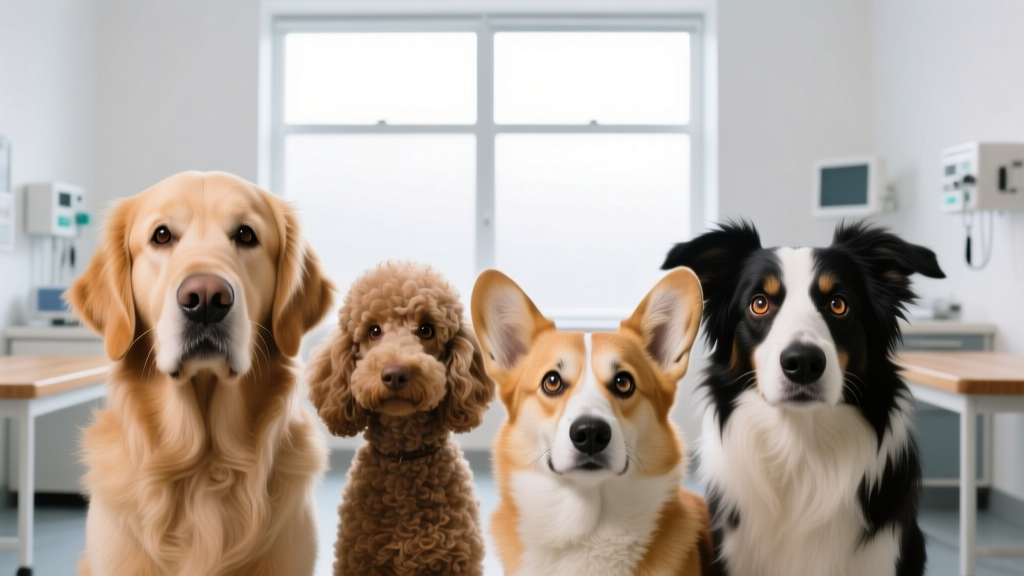
Can Dogs Eat Baby Food? Safe Types, Portions & Vet Tips
Can dogs eat baby food? Yes, but only certain types. Learn safe varieties, exact serving sizes by weight, toxic ingredients to avoid, and vet guidance.

If you've ever spoon-fed a sick dog or needed a palatable way to hide medication, you've probably wondered: can dogs eat baby food? The short answer is YES — with important caveats. Plain, single-ingredient baby foods made from dog-safe fruits, vegetables, or meats can be a gentle, digestible treat. But many commercial baby foods contain hidden ingredients like onion powder, garlic, added sugars, or xylitol that are outright dangerous for dogs.
Dogs can eat baby food if it is plain, single-ingredient, and free of onion, garlic, added sugar, salt, xylitol, and artificial sweeteners. Always check the ingredient label before serving. Baby food should never exceed 10% of your dog's daily caloric intake.
This guide breaks down exactly which baby foods are safe, how much to feed based on your dog's weight, what to watch out for, and when baby food can actually serve a therapeutic purpose. All nutritional data referenced below is sourced from the USDA FoodData Central database and cross-referenced with ASPCA toxic food guidelines.
Which Types of Baby Food Are Safe for Dogs?
Not all baby food jars are created equal. The safest options for dogs fall into three categories:
Safe Baby Food Categories
- Single-fruit purées: Banana, apple (no seeds), blueberry, pear, peach (no pit), mango, watermelon. These provide natural sugars, fiber, and vitamins without additives.
- Single-vegetable purées: Sweet potato, carrot, pumpkin, green bean, pea, squash. These are low-calorie, fiber-rich, and generally well-tolerated by sensitive stomachs.
- Single-meat purées: Chicken, turkey, beef (plain, no broth with onion/garlic). Useful for convalescing dogs or as high-value treat toppers.
Baby Foods to Never Feed Your Dog
- Anything containing onion or garlic powder — even trace amounts cause hemolytic anemia in dogs by damaging red blood cells (Merck Veterinary Manual).
- Foods with added xylitol (birch sugar) — causes rapid hypoglycemia and liver failure.
- Mixed "dinner" varieties — these often contain hidden seasonings, salt, or dairy.
- Grape or raisin-containing products — grapes and raisins cause acute kidney injury in dogs, and the toxic dose is unpredictable.
- Foods with added sugar, corn syrup, or honey — unnecessary calories that contribute to obesity and dental disease.
How Much Baby Food Can I Give My Dog?
Baby food is calorie-dense relative to its volume because it's puréed and concentrated. A typical 2.5 oz (71 g) jar of fruit baby food contains roughly 35–50 calories, while meat-based jars range from 50–80 calories. Use the table below as a starting point, and always factor these calories into your dog's total daily intake.
| Dog Weight | Max Fruit/Veg Baby Food | Max Meat Baby Food | Frequency |
|---|---|---|---|
| Toy breeds (5–12 lb / 2–5 kg) | 1–2 teaspoons (5–10 mL) | 1 teaspoon (5 mL) | Once daily max |
| Small breeds (13–25 lb / 6–11 kg) | 1 tablespoon (15 mL) | 2 teaspoons (10 mL) | Once daily |
| Medium breeds (26–50 lb / 12–23 kg) | 2 tablespoons (30 mL) | 1 tablespoon (15 mL) | 1–2× daily |
| Large breeds (51–90 lb / 23–41 kg) | 3–4 tablespoons (45–60 mL) | 2 tablespoons (30 mL) | 1–2× daily |
| Giant breeds (91+ lb / 41+ kg) | ¼ cup (60 mL) | 3 tablespoons (45 mL) | 1–2× daily |
The 10% rule applies: Treats and supplemental foods — including baby food — should never account for more than 10% of your dog's total daily caloric intake. A 30 lb dog eating roughly 700 calories/day should get no more than 70 calories from treats, which equates to approximately 1.5 jars of fruit baby food or one jar of meat baby food.
Nutritional Benefits of Baby Food for Dogs
When selected carefully, certain baby foods offer genuine nutritional value. Here's a breakdown of common single-ingredient options based on USDA data for a standard 2.5 oz (71 g) jar:
| Baby Food Type | Calories | Key Nutrients | Fiber | Dog Benefit |
|---|---|---|---|---|
| Sweet Potato | 54 kcal | Vitamin A (4,380 IU), Vitamin C (4 mg), Potassium (160 mg) | 2.1 g | Digestive support, immune function |
| Carrot | 25 kcal | Beta-carotene (3,200 µg), Vitamin K (5 µg) | 1.8 g | Eye health, low-cal treat |
| Banana | 46 kcal | Potassium (180 mg), Vitamin B6 (0.2 mg), Magnesium (14 mg) | 1.4 g | Energy, electrolyte balance |
| Pumpkin | 20 kcal | Vitamin A (2,500 IU), Iron (0.5 mg) | 2.5 g | Stool firming, GI motility |
| Chicken (plain) | 65 kcal | Protein (8 g), Niacin (2.5 mg), Phosphorus (70 mg) | 0 g | Muscle maintenance, appetite stimulation |
Baby food is not nutritionally complete for dogs. It lacks the calcium-to-phosphorus ratio, taurine, and essential fatty acid balance that an AAFCO-approved dog food provides. Think of it as a supplement or treat, never a meal replacement.
How to Prepare and Serve Baby Food Safely
Follow this preparation protocol to minimize risk:
- Read the full ingredient list. Confirm the product contains only the named ingredient and water. Reject anything with onion, garlic, salt, sugar, xylitol, or "natural flavors."
- Check the expiration date. Expired baby food can harbor Clostridium botulinum spores — the same bacteria that causes botulism. Dogs are more resistant than humans but still at risk with heavy contamination.
- Serve at room temperature. Cold baby food straight from the fridge can cause stomach cramping in small dogs. Let it sit for 10–15 minutes or warm slightly (body temperature, ~100°F / 38°C).
- Portion into a clean bowl or use as a topper. Never feed directly from the jar if you plan to store leftovers — introducing bacteria from your dog's mouth (or a spoon you've licked) contaminates the remaining food.
- Refrigerate opened jars immediately. Use within 48 hours. Discard any jar that smells off, shows mold, or has separated unusually.
- Start with ¼ of the recommended serving on the first day. Wait 24–48 hours and monitor for vomiting, diarrhea, gas, or lethargy before increasing the portion.
Medication Hiding Tip
Meat-based baby food is one of the most effective pill-hiding tools veterinarians recommend. Its smooth texture coats tablets well, and the strong meat aroma masks bitter drug flavors. Mix a pea-sized amount of chicken or beef baby food around the pill and form a small ball. For liquid medications, stir the dose into 1 teaspoon of baby food. Always confirm with your vet that the medication can be taken with food.
What Happens If My Dog Eats Too Much Baby Food?
Overindulgence in baby food typically causes gastrointestinal upset rather than toxicity (assuming the ingredients were dog-safe). Here's what to expect:
Mild Overconsumption (2–3× the recommended serving)
- Soft stools or mild diarrhea within 6–12 hours
- Increased flatulence
- Slightly decreased appetite at the next meal
- Action: Withhold treats for 24 hours, feed a bland diet (boiled chicken and white rice), and ensure access to fresh water. Symptoms typically resolve within 24–48 hours.
Significant Overconsumption (entire jar or more, especially in small dogs)
- Profuse diarrhea, possibly with mucus
- Vomiting
- Abdominal discomfort or bloating
- Lethargy
- Action: If your dog is a toy or small breed and has consumed an entire jar, contact your veterinarian. Small dogs are more susceptible to dehydration from fluid loss.
Consumption of Toxic-Ingredient Baby Food
If your dog ate baby food containing onion, garlic, grapes, raisins, or xylitol, this is an emergency. Onion and garlic toxicity symptoms (pale gums, weakness, dark urine) may not appear for 1–5 days, but early intervention dramatically improves outcomes.
- Your dog consumed baby food containing onion, garlic, grapes, raisins, or xylitol
- Vomiting or diarrhea persists beyond 24 hours
- You notice pale or yellow-tinged gums (sign of hemolytic anemia)
- Your dog becomes lethargic, refuses water, or shows signs of abdominal pain (hunched posture, whining when touched)
- Your dog is a puppy under 6 months, a senior, or has a pre-existing condition (diabetes, kidney disease, pancreatitis)
ASPCA Animal Poison Control: (888) 426-4435 — available 24/7 (consultation fee applies)
Which Dogs Should NOT Eat Baby Food?
While most healthy adult dogs tolerate small amounts of safe baby food, certain populations should avoid it entirely or require veterinary approval first:
| Dog Category | Reason to Avoid | Alternative |
|---|---|---|
| Puppies under 6 months | Developing GI tracts are sensitive; caloric displacement from puppy food can cause growth deficits | Puppy-specific treats or small pieces of their regular kibble |
| Diabetic dogs | Fruit-based baby foods contain concentrated natural sugars that spike blood glucose | Plain meat baby food (with vet approval) or green bean purée |
| Dogs with pancreatitis | Meat baby foods may contain fat levels that trigger pancreatic flare-ups | Prescription low-fat treats from your vet |
| Dogs with food allergies | Cross-contamination during manufacturing; multi-ingredient varieties may contain undisclosed allergens | Single-ingredient treats you prepare at home |
| Obese dogs (BCS 7+/9) | Extra calories from treats impede weight loss plans; fruit sugars add unnecessary carbs | Carrot or green bean baby food in tiny amounts (under 1 tsp) |
| Senior dogs with kidney disease | Meat baby foods are high in phosphorus, which accelerates renal damage | Vet-prescribed renal treats or small amounts of apple purée |
Homemade Baby Food Alternative for Dogs
If you want full control over ingredients, making your own dog-safe "baby food" at home takes about 15 minutes and costs roughly $1–2 per batch compared to $1.50–3.00 per commercial jar. Here's a simple method:
- Choose a single dog-safe ingredient: sweet potato, carrot, pumpkin, banana, or boneless skinless chicken breast.
- Cook thoroughly: Steam or boil vegetables until fork-tender (12–18 minutes). Boil or bake chicken to an internal temperature of 165°F (74°C).
- Purée: Blend with a small amount of cooking water (no salt, no broth, no butter) until smooth. A standard blender or immersion blender works fine.
- Portion and freeze: Spoon into silicone ice cube trays (each cube ≈ 1 tablespoon). Freeze for 2 hours, then transfer cubes to a labeled zip-top bag. Frozen portions last up to 3 months.
- Thaw and serve: Defrost one cube in the refrigerator overnight or microwave on low for 10–15 seconds.
This approach eliminates the label-reading guesswork entirely and lets you batch-prep weeks of treats in one session. Always consult your veterinarian before making any significant additions to your dog's diet, especially if your dog has health conditions.
Frequently Asked Questions
Can dogs eat baby food every day?
Small amounts of safe, single-ingredient baby food can be given daily as long as it stays within the 10% treat calorie rule. However, daily feeding of the same ingredient can lead to food sensitivities over time. Rotate between 2–3 different safe options (e.g., sweet potato Monday/Wednesday, pumpkin Tuesday/Thursday) to provide variety and reduce the risk of developing an intolerance.
Is baby food good for sick dogs?
Yes — plain meat-based baby food (chicken, turkey, beef) is frequently recommended by veterinarians to entice appetite in sick or post-surgical dogs. Its smooth texture and strong aroma appeal to dogs who refuse kibble. You can also mix a teaspoon into warm water to create a palatable hydration broth. Always confirm with your vet that baby food is appropriate for your dog's specific condition.
Can puppies eat baby food?
Puppies under 6 months should generally not eat baby food. Their caloric needs are high, and every calorie should come from a nutritionally complete puppy diet to support proper bone, muscle, and organ development. After 6 months, a tiny taste (¼ teaspoon) of plain pumpkin or sweet potato baby food is unlikely to cause harm, but it's not necessary.
Does baby food help dogs with diarrhea?
Plain pumpkin baby food (not pumpkin pie filling, which contains spices and sugar) can help firm up mild diarrhea due to its soluble fiber content. Offer 1–2 teaspoons for small dogs or 1–2 tablespoons for large dogs mixed into their regular bland diet. If diarrhea persists beyond 24–48 hours, contains blood, or is accompanied by vomiting, contact your veterinarian — these may signal infection, parasites, or a more serious condition.
Are organic baby foods safer for dogs?
Organic certification means the ingredients were grown without synthetic pesticides, which marginally reduces chemical residue exposure. However, organic baby foods can still contain onion, garlic, sugar, or other dog-unsafe additives. The ingredient list matters far more than the organic label. An organic sweet potato baby food with one ingredient is excellent; an organic "vegetable dinner" with six ingredients and hidden garlic powder is not.
Can dogs eat Stage 1, Stage 2, or Stage 3 baby food?
Stage 1 (single-ingredient, very smooth purées, typically for 4–6 month old human infants) are the safest choice for dogs because they contain only one ingredient. Stage 2 (6–8 months) often combines two or more ingredients — check the label carefully. Stage 3 (8–12 months) contains chunkier textures and mixed meals with seasonings — these are the highest risk for hidden toxic ingredients and should generally be avoided.
Disclaimer: This article is for informational purposes only and does not replace professional veterinary advice. Always consult your veterinarian before introducing new foods to your dog's diet, particularly if your dog has existing health conditions, is on medication, or is under 1 year of age.
Priya Sutaria
All our authors care for dogs every day — read more of their work on the authors page.