Can Dogs Drink Lemon Water? Safety, Risks & Vet Guidance
Can dogs drink lemon water safely? Learn the risks of citric acid, safe serving limits by weight, and when to skip the lemon entirely.
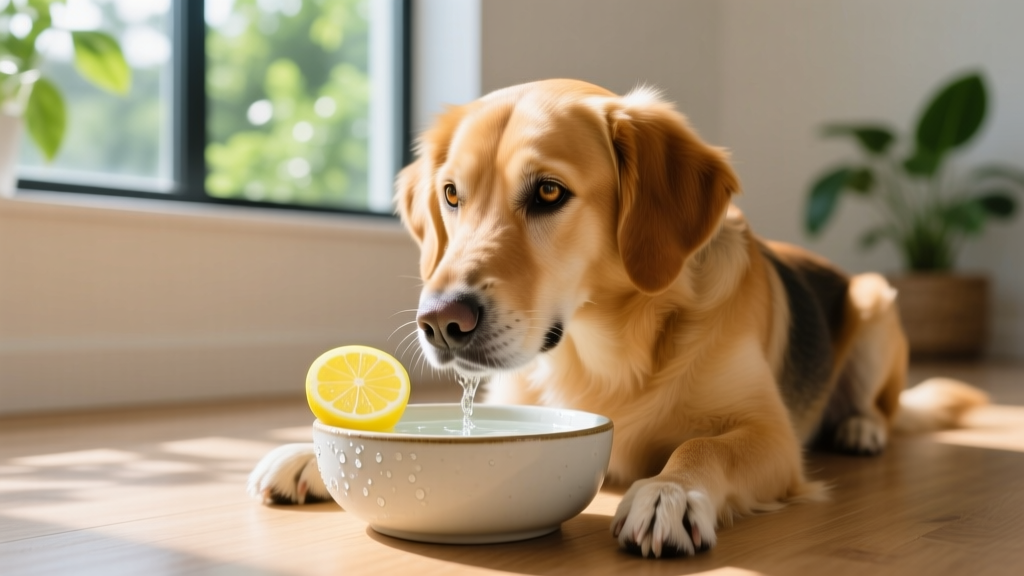
Lemon water is not safe as a regular drink for dogs. While a few drops of diluted lemon juice in a large bowl of water is unlikely to cause serious harm, the citric acid, psoralen compounds, and essential oils found in lemons pose real risks of gastrointestinal upset, enamel erosion, and photosensitivity. There is no nutritional benefit to giving dogs lemon water that cannot be obtained from safer, dog-friendly sources. Plain, fresh water should always be your dog's primary hydration.
If you've seen wellness influencers suggesting lemon water for dogs as a "detox" or digestive aid, it's understandable to wonder whether this human health trend translates to our pets. The short answer is that dogs process citric acid very differently than humans, and what feels like a refreshing, healthful addition to your morning routine can actually irritate your dog's stomach lining and cause more harm than good.
Let's break down exactly what happens when a dog consumes lemon water, the specific compounds that cause concern, and what to do if your dog has already had some.
Why Lemon Water Is Problematic for Dogs
Lemons contain three categories of compounds that make them unsuitable for canine consumption:
- Citric acid: Lemons contain approximately 1.44 grams of citric acid per ounce of juice, according to ASPCA's toxic plant database. In dogs, this level of acidity can erode tooth enamel over time, irritate the esophageal and gastric lining, and trigger vomiting or diarrhea — especially in small breeds.
- Psoralen: A phototoxic compound found in all citrus fruits but concentrated in lemons and limes. Psoralen can cause photosensitivity (skin reactions to sunlight) and, in larger doses, liver damage. The Merck Veterinary Manual notes that essential oils containing psoralen are particularly dangerous to pets.
- Limonene and linalool: These essential oils, concentrated in lemon peel and pith, are toxic to dogs. Even trace amounts in lemon water made with whole slices (rind included) can cause central nervous system depression, tremors, and liver dysfunction in sensitive individuals.
The acidity of lemon water also varies dramatically depending on preparation. A squeeze of fresh lemon into 16 oz of water yields a pH around 3.0–3.5, while commercial lemon-infused waters may contain added citric acid or xylitol (an artificial sweetener that is extremely toxic to dogs, causing rapid hypoglycemia and liver failure).
What Happens If My Dog Drinks Lemon Water?
The severity of symptoms depends on the concentration of lemon, your dog's size, and individual sensitivity. Here's what to expect based on exposure level:
| Exposure Level | Likely Symptoms | Onset Time | Action Required |
|---|---|---|---|
| Accidental lick (few drops from a spilled glass) | Lip smacking, drooling, possible mild nausea | 5–15 minutes | Offer plain water; monitor for 2 hours |
| Small amount (1–2 tablespoons of diluted lemon water, ~50:1 water-to-juice ratio) | Vomiting, loose stool, decreased appetite | 30 minutes – 2 hours | Withhold food 4–6 hours; reintroduce bland diet; call vet if vomiting persists >12 hours |
| Moderate amount (¼ cup or more of concentrated lemon water, or water with peel/pith) | Repeated vomiting, diarrhea, abdominal pain, lethargy, possible photosensitivity | 15 minutes – 1 hour | Call your veterinarian immediately |
| Large amount or peel ingestion | Severe vomiting, tremors, depression, potential GI obstruction from peel | 10–30 minutes | Emergency vet visit; contact ASPCA Poison Control: (888) 426-4435 |
Small-breed dogs (under 20 lb / 9 kg) are disproportionately affected. A Chihuahua drinking the same amount of lemon water as a Labrador will experience roughly 5–10 times the concentration of citric acid per kilogram of body weight.
Is Lemon Water Nutritionally Useful for Dogs?
Proponents of lemon water for dogs sometimes cite vitamin C content as a benefit. However, this reasoning overlooks a fundamental difference in canine physiology:
Dogs produce their own vitamin C. Unlike humans, who must obtain vitamin C from dietary sources, healthy dogs synthesize ascorbic acid in their liver. A 50 lb (23 kg) dog produces approximately 2,000–4,000 mg of vitamin C daily, far exceeding what a squeeze of lemon provides (~3–5 mg per tablespoon of juice). Supplementing vitamin C is only recommended by veterinarians in specific clinical situations, such as certain liver conditions or oxidative stress disorders, and even then, buffered forms like calcium ascorbate are preferred over acidic sources.
Here's what a tablespoon of fresh lemon juice actually contains versus what a dog needs:
| Nutrient | Amount in 1 Tbsp Lemon Juice | Dog's Daily Requirement (50 lb dog) | Useful to Dogs? |
|---|---|---|---|
| Vitamin C | ~3.5 mg | Self-synthesized (~2,000+ mg) | No — redundant |
| Potassium | ~14 mg | ~1,200 mg | Negligible contribution |
| Citric Acid | ~650 mg | Not required; harmful in excess | Risk factor |
| Fiber | ~0.1 g (juice only) | ~5–15 g | Negligible contribution |
The nutritional math is clear: lemon water provides virtually no benefit that justifies the risks of acidity and toxic compounds.
Similar Foods and Drinks to Avoid
If you're evaluating lemon water, you may also be considering other citrus or flavored waters. Here's a quick safety cross-reference:
- Lime water: Same risks as lemon — high citric acid, psoralen, and toxic essential oils in peel. Not recommended.
- Orange juice/water: Slightly lower acidity than lemon, but still high in sugar and citric acid. Small amounts of peeled orange flesh are safe as an occasional treat, but juice is not recommended due to sugar concentration (~21 g per cup).
- Grapefruit water: More dangerous than lemon. Grapefruit contains higher concentrations of psoralen and the compound naringin, which is toxic to dogs. All parts of the grapefruit (flesh, peel, pith, seeds) should be avoided.
- Flavored water with xylitol: Many commercial flavored waters (including some lemon varieties) contain xylitol, which causes life-threatening hypoglycemia in dogs at doses as low as 0.1 g/kg. Always check ingredient labels.
- Apple cider vinegar water: Sometimes recommended as an alternative. While less risky than lemon, ACV is still acidic (pH ~2.5–3.0) and can cause similar GI upset. Not recommended as a routine addition.
Safe Hydration Alternatives for Dogs
If your goal is to encourage your dog to drink more water — perhaps because they're a picky drinker or recovering from illness — there are far safer options than lemon water:
- Bone broth (unsalted, no onion/garlic): Add 1–2 tablespoons of plain, dog-safe bone broth to their water bowl. Look for products with no added sodium, onion powder, or garlic. Brands like Brutus Broth and The Honest Kitchen offer AAFCO-compliant options ($4–$8 per carton).
- Ice cubes: Many dogs love crunching ice. Freeze low-sodium chicken broth in ice cube trays for an enriching hydration treat.
- Cucumber-infused water: Cucumber is safe for dogs, low in calories, and adds a mild flavor. Slice a few rounds into fresh water and let it steep for 30 minutes. Remove cucumber slices before serving to prevent choking.
- Watermelon water: Blend seedless, rind-free watermelon flesh with water and strain. Watermelon is 92% water and safe for dogs in small amounts (1–2 Tbsp per 20 lb body weight).
- Fresh, filtered water: Sometimes the simplest answer is best. If your dog avoids tap water, try a filtered pitcher or a pet water fountain ($25–$45) that keeps water circulating and oxygenated.
Dogs Who Should Never Have Lemon Water
While lemon water isn't recommended for any dog, certain populations face elevated risks:
- Puppies under 12 months: Developing digestive systems are more sensitive to acidity. Citric acid can disrupt the gut microbiome during a critical developmental window.
- Senior dogs (8+ years): Older dogs often have reduced kidney function and thinner stomach lining, making them more vulnerable to acid irritation and dehydration from vomiting.
- Dogs with kidney disease: The citrate load from lemon water can alter urinary pH and complicate management of conditions like calcium oxalate urolithiasis.
- Dogs with GI conditions: Inflammatory bowel disease (IBD), gastritis, acid reflux, or a history of pancreatitis makes any acidic food or drink a potential trigger for flare-ups.
- Brachycephalic breeds: Bulldogs, Pugs, and Boston Terriers already struggle with esophageal reflux. Adding citric acid worsens this tendency.
- Dogs on medications: Citric acid can alter the absorption rate of certain oral medications, including some antibiotics and NSAIDs. Always consult your veterinarian before introducing any new food or drink alongside prescription drugs.
🚨 When to Call the Vet After Lemon Exposure
Contact your veterinarian or ASPCA Animal Poison Control at (888) 426-4435 (24/7, consultation fee applies) if your dog shows any of the following after consuming lemon water or lemon products:
- Repeated vomiting (more than 2 episodes in 1 hour)
- Blood in vomit or stool
- Lethargy or collapse
- Tremors, staggering, or disorientation
- Excessive drooling that doesn't resolve within 30 minutes
- Refusal to drink plain water for more than 12 hours
- Signs of abdominal pain (hunched posture, whining when touched)
- Skin redness or rash after sun exposure (possible psoralen photosensitivity)
For emergencies after hours: Locate your nearest 24-hour emergency veterinary clinic. Treatment costs for citrus-related GI distress typically range from $150–$400 for outpatient care (exam, anti-nausea injection, subcutaneous fluids) and $800–$2,500 if hospitalization is required for severe dehydration or toxicity.
What About Lemon as a Flea Repellent?
Some online sources recommend spraying diluted lemon water on a dog's coat as a natural flea deterrent. This practice is not supported by veterinary evidence and carries real risks. The limonene in lemon peel oil is indeed insecticidal — it's the active ingredient in many commercial citrus-based insecticides — but the concentration in homemade lemon water is too low to effectively repel fleas while still being high enough to cause skin irritation, photosensitivity, and potential toxicity if your dog licks their coat afterward.
For effective flea prevention, the AVMA recommends veterinarian-approved topical or oral preventives (such as isoxazoline-class medications like Bravecto, NexGard, or Simparica), which have demonstrated efficacy rates above 95% in clinical trials. These products typically cost $15–$25 per month and are far safer and more reliable than DIY lemon sprays.
Frequently Asked Questions
Can dogs drink lemon water if it's very diluted?
A single drop of lemon juice in a full water bowl (approximately 1:500 ratio) is unlikely to cause harm to a healthy adult dog, but it also provides no benefit. There's no veterinary or nutritional reason to add lemon to your dog's water, even in trace amounts. If your dog accidentally laps up a few drops from your glass, simply offer fresh plain water and monitor for any signs of stomach upset over the next few hours.
My dog licked a lemon slice — should I be worried?
A quick lick of lemon flesh is unlikely to cause serious problems in a medium or large dog. You may see some lip smacking, drooling, or a head shake as your dog reacts to the sour taste. Offer fresh water to help rinse their mouth. However, if your dog chewed and swallowed the peel or pith, or if they're a small breed (under 15 lb / 7 kg), contact your veterinarian for guidance, as the essential oil concentration in the rind is significantly higher.
Is bottled lemon juice safer than fresh lemon?
No. Bottled lemon juice often contains preservatives like sodium benzoate and sulfites, which can cause additional GI irritation or allergic reactions in sensitive dogs. Some brands also contain added sugar or artificial sweeteners. Fresh lemon juice is at least a known quantity, but neither form is recommended for dogs.
Can lemon water help with my dog's bad breath?
While the acidity in lemon water might temporarily mask odor, it actually contributes to tooth enamel erosion over time, which can worsen dental health and ultimately make breath problems worse. For dog bad breath, the most effective approach is regular tooth brushing with dog-specific enzymatic toothpaste (poultry or beef flavored, $6–$12 per tube), professional dental cleanings under anesthesia ($300–$800 depending on your region), and dental chews approved by the Veterinary Oral Health Council (VOHC).
What should I do if my dog drank a full glass of lemon water?
First, determine the concentration — was it a few squeezes in 16 oz of water, or a stronger mix? Remove the lemon water and replace it with fresh, plain water. Do not induce vomiting unless directed by a veterinarian. Call your vet or ASPCA Poison Control at (888) 426-4435 with details about your dog's weight, the estimated amount consumed, and whether any peel or seeds were involved. They'll guide you on whether monitoring at home is sufficient or if an exam is needed.
This article is intended for informational purposes and does not replace professional veterinary advice. Always consult your veterinarian before introducing new foods or drinks to your dog's diet, especially if they have pre-existing health conditions or are on medication.
Robin Maitland
All our authors care for dogs every day — read more of their work on the authors page.