Can Dogs Drink Carbonated Water? A Complete Safety Guide for Owners
Can dogs drink carbonated water safely? Learn about risks, safe serving sizes by weight, preparation tips, and when to avoid fizzy water for your dog.
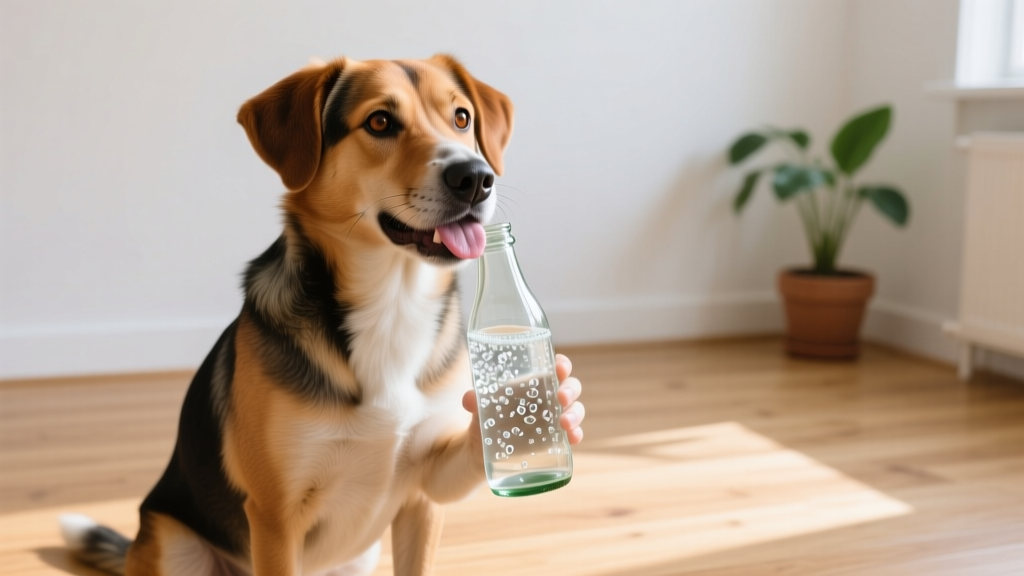
If you've ever cracked open a bottle of sparkling water on a hot afternoon and watched your dog give you that hopeful stare, you've probably wondered: is it safe to share? Carbonated water has become a staple in many households, and it's natural to question whether the fizz makes it any different from plain water for your pup.
Plain, unflavored carbonated water (seltzer) is not toxic to dogs and can be offered in very small amounts as an occasional novelty. However, the carbonation introduces gas into your dog's digestive tract, which can cause bloating, discomfort, and in susceptible breeds, may contribute to the risk of gastric dilatation-volvulus (GDV or bloat). It should never replace plain fresh water as your dog's primary hydration source. Always consult your veterinarian before introducing anything new into your dog's diet.
Can Dogs Drink Carbonated Water? The Full Picture
Plain carbonated water — also called seltzer or sparkling water — is simply water infused with carbon dioxide gas under pressure. It contains no calories, no sugar, and no toxic ingredients in its purest form. According to the ASPCA, water itself is non-toxic to dogs, and the carbonation process doesn't introduce any inherently poisonous compounds.
That said, dogs and humans process gas in the digestive system differently. Humans can burp to release excess gas voluntarily. Dogs cannot easily burp on command, and their esophageal sphincter makes it harder for trapped gas to escape upward. This means the CO₂ from carbonated water moves through the stomach and into the intestines, where it can cause distension, flatulence, and abdominal discomfort.
For large and giant breed dogs — particularly deep-chested breeds like Great Danes, Standard Poodles, German Shepherds, and Weimaraners — any gas accumulation in the stomach is a serious concern. GDV is a life-threatening emergency where the stomach fills with gas and twists on itself. While carbonated water alone is unlikely to trigger GDV in a healthy dog, it adds unnecessary gas volume to a system already at risk.
Safe Serving Sizes by Dog Weight
If you decide to offer your dog a taste of plain carbonated water, portion control is critical. These serving sizes assume unflavored, unsweetened, sodium-free seltzer served at room temperature or slightly cool (never ice-cold, which can cause additional stomach cramping).
| Dog Weight Class | Weight Range | Max Serving Size | Frequency |
|---|---|---|---|
| Toy / Small | Under 20 lb (9 kg) | 1–2 tablespoons (15–30 mL) | Once per week max |
| Medium | 20–50 lb (9–23 kg) | 2–4 tablespoons (30–60 mL) | Once per week max |
| Large | 50–90 lb (23–41 kg) | ¼ cup (60 mL) | Once per week max |
| Giant | Over 90 lb (41 kg+) | ¼ cup (60 mL) | Rarely — consult vet first |
Important note for giant breeds: If your dog is a breed predisposed to bloat (Great Dane, Saint Bernard, Irish Wolfhound, Standard Poodle, German Shepherd, Doberman, Weimaraner, Boxer), the safest serving size is zero. The small novelty value does not outweigh the GDV risk. Discuss any carbonated beverage with your veterinarian before offering it to these breeds.
Is Carbonated Water Good for Dogs Nutritionally?
The honest answer: carbonated water provides virtually no nutritional benefit to dogs. Here's what's actually in a typical 8 oz (240 mL) serving of plain, unflavored seltzer:
| Nutrient | Amount per 8 oz (240 mL) | Relevance to Dogs |
|---|---|---|
| Calories | 0 kcal | No energy contribution |
| Protein | 0 g | None |
| Fat | 0 g | None |
| Carbohydrates | 0 g | None |
| Sodium | 0–20 mg (varies by brand) | Negligible; some club sodas contain 75+ mg |
| Calcium | 0–2 mg | Insignificant (dogs need 50 mg/kg daily) |
| Carbon dioxide (dissolved CO₂) | ~5–8 g | Source of gas/bloating risk |
Unlike plain water, which is essential for thermoregulation, joint lubrication, nutrient transport, and kidney function, carbonated water adds nothing your dog can't get from the tap. The Merck Veterinary Manual notes that adequate hydration is critical for canine health, but there is no veterinary literature suggesting carbonated water offers any advantage over still water.
If your goal is to encourage a picky drinker to consume more water, there are far safer strategies: adding low-sodium chicken broth (1 tablespoon per bowl), using a pet water fountain (models like the Catit Flower Fountain or PetSafe Drinkwell retail for $25–$45), or offering ice cubes made from plain water or diluted bone broth.
How to Prepare Carbonated Water Safely for Your Dog
If you've weighed the risks and still want to offer a small taste, follow these preparation steps carefully:
- Choose the right product. Select a plain, unflavored seltzer with zero sodium, zero sweeteners, zero added minerals, and zero citric acid. Check the ingredient list — the only ingredient should be "carbonated water." Avoid brands like LaCroix (contains natural flavor essences), club soda (high sodium, typically 75–100 mg per 8 oz), or tonic water (contains quinine, which is toxic to dogs at sufficient doses).
- Let it go partially flat. Open the bottle or can and let it sit for 10–15 minutes at room temperature. This reduces the dissolved CO₂ content by approximately 30–40%, lowering the gas burden on your dog's stomach while still providing the novelty of slight fizz.
- Serve at room temperature. Cold liquids can cause stomach cramping and may trigger faster gulping, which introduces additional air. Pour the seltzer into your dog's regular water bowl or a small separate dish.
- Measure the serving. Use a measuring spoon or cup — don't free-pour. Refer to the serving size table above for your dog's weight class.
- Offer alongside fresh plain water. Always ensure your dog has access to a full bowl of regular water. Carbonated water should never be the only water available.
- Monitor for 24–48 hours. Watch for signs of digestive upset: excessive flatulence, abdominal distension, restlessness, repeated swallowing, vomiting, or decreased appetite.
Potential Risks and Side Effects
While plain seltzer isn't toxic, the risks are real and worth understanding before you pour that first sip:
Bloating and Gastric Distension
The dissolved CO₂ in carbonated water releases gas as it warms to body temperature in your dog's stomach. A 2024 review in the Journal of the American Veterinary Medical Association (JAVMA) noted that gastric gas accumulation is a known contributing factor in GDV pathogenesis in predisposed breeds. Even in small dogs without GDV risk, trapped gas causes visible abdominal swelling, discomfort, and increased flatulence that can last 2–6 hours.
Acid Reflux and Esophageal Irritation
Carbonated water has a pH of approximately 3–4 (mildly acidic due to carbonic acid formation). Dogs with pre-existing acid reflux, megaesophagus, or esophagitis may experience worsened symptoms after consuming acidic beverages. Signs include lip-licking, repeated swallowing, regurgitation of foamy material, and reluctance to eat.
Dental Enamel Erosion (Long-Term)
While a single serving won't harm your dog's teeth, repeated exposure to acidic beverages can contribute to enamel softening over time. Dogs can't tell you their teeth are sensitive, so this risk is easily overlooked until a veterinary dental exam reveals damage.
Accidental Toxicity from Flavored Varieties
This is the most dangerous risk category. Many carbonated waters marketed to humans contain ingredients that are toxic to dogs:
- Xylitol (birch sugar): Found in some "zero sugar" flavored sparkling waters. Xylitol causes rapid insulin release in dogs, leading to hypoglycemia within 10–60 minutes and potentially fatal liver failure within 24–72 hours. The toxic dose is approximately 0.1 g/kg for hypoglycemia and 0.5 g/kg for hepatic necrosis.
- Citric acid and citrus oils: Found in lemon, lime, and grapefruit-flavored seltzers. Can cause GI upset and central nervous system depression in large quantities.
- Caffeine: Some sparkling waters (e.g., caffeinated seltzers) contain 30–60 mg caffeine per can. Caffeine toxicity in dogs begins at approximately 14 mg/kg and can cause tachycardia, tremors, and seizures.
- Grape/raisin flavoring: While most flavorings are synthetic, any product with actual grape-derived ingredients poses a kidney failure risk.
Contact your vet or an emergency clinic right away if your dog shows any of these signs after drinking carbonated water:
- Visible abdominal swelling or a hard, distended belly
- Repeated unproductive retching (trying to vomit but nothing comes up)
- Excessive drooling or repeated swallowing
- Restlessness, pacing, or inability to get comfortable
- Collapse, weakness, or pale gums
- Vomiting, especially if it contains blood or looks like coffee grounds
- Signs of xylitol poisoning: weakness, stumbling, seizures, or loss of consciousness
If you suspect ingestion of a xylitol-containing product, call the ASPCA Animal Poison Control Center at (888) 426-4435 (24/7, consultation fee applies) or the Pet Poison Helpline at (855) 764-7661 immediately.
What Happens If My Dog Drinks Too Much Carbonated Water?
If your dog gets into an unattended bottle or can and drinks more than the recommended serving, here's what to expect based on the amount consumed:
Small excess (2–3× the recommended serving): Most dogs will experience increased flatulence and mild abdominal discomfort for 4–8 hours. You may hear gurgling stomach sounds (borborygmi). Offer plain water freely and monitor. Gentle leash walking can help move gas through the digestive tract.
Moderate excess (an entire 12 oz / 355 mL can for a medium dog): Expect significant gas, possible vomiting, and abdominal distension. Withhold food for 4–6 hours but keep fresh water available. If distension doesn't resolve within 2 hours or if your dog shows signs of pain (whining, hunched posture, guarding the belly), contact your veterinarian.
Large excess or unknown flavored product: If you're unsure what your dog drank or how much, especially if the product may have contained xylitol, caffeine, or other additives, call your vet or poison control immediately. Do not wait for symptoms to appear — early intervention for xylitol and caffeine toxicity dramatically improves prognosis.
Dogs Who Should Never Drink Carbonated Water
Some dogs face elevated risk and should avoid carbonated water entirely:
| Category | Reason | Risk Level |
|---|---|---|
| Deep-chested / giant breeds | Predisposed to GDV; added gastric gas increases risk | High |
| Puppies under 6 months | Immature digestive system; small stomach volume easily distended | Moderate-High |
| Senior dogs (8+ years) | Slower GI motility; may have undiagnosed organ dysfunction | Moderate |
| Dogs with GI disease | IBD, gastritis, megaesophagus, or acid reflux worsened by gas and acidity | High |
| Dogs with kidney disease | Some mineral waters contain phosphorus or sodium that strains compromised kidneys | High |
| Dogs with heart conditions | Sodium-containing club sodas can worsen fluid retention | Moderate-High |
| Post-surgical dogs | GI tract may be sensitive; gas can stress surgical sites | High |
Carbonated Beverages That Are Never Safe for Dogs
While plain seltzer sits in the "caution" zone, several carbonated beverages are outright dangerous and should never be offered to dogs in any quantity:
- Tonic water: Contains quinine, which can cause kidney damage, blood cell destruction, and cardiac arrhythmias in dogs. Even the small amount of quinine in commercial tonic water (approximately 83 mg per liter) is unnecessary risk.
- Club soda: Contains added sodium bicarbonate, potassium sulfate, and sodium chloride. A typical 8 oz serving contains 75–100 mg sodium — problematic for dogs with heart or kidney conditions, and excessive sodium can cause sodium ion poisoning in small dogs.
- Sparkling juice or cider: High sugar content causes GI upset and contributes to obesity and dental disease. Grape-based sparkling drinks carry the additional grape toxicity risk.
- Diet or "zero sugar" sparkling drinks: May contain xylitol, aspartame, or sucralose. Xylitol is acutely toxic; while aspartame and sucralose are less dangerous, they can still cause GI upset and are unnecessary in a dog's diet.
- Caffeinated sparkling water: Products like AHA caffeinated seltzer or Bubly Bounce contain 30–35 mg caffeine per can. Caffeine is a methylxanthine (same family as theobromine in chocolate) and causes similar toxicity in dogs.
- Kombucha: Contains trace alcohol (0.5–2.5%), caffeine, and live bacterial cultures. Alcohol is toxic to dogs at relatively low doses, and the acidity and carbonation compound the digestive risk.
Frequently Asked Questions
Can dogs drink flavored sparkling water like LaCroix?
It's not recommended. While LaCroix uses "natural essence" oils rather than artificial sweeteners or xylitol, the citrus oils and other flavor compounds can irritate a dog's digestive tract. The specific concentration of these oils is proprietary, making it impossible to determine a safe dose. Stick to plain, unflavored seltzer if you must offer carbonated water.
Is sparkling mineral water like Perrier safe for dogs?
Plain sparkling mineral water (Perrier, San Pellegrino) is non-toxic in small amounts, but it contains naturally occurring minerals including calcium, magnesium, and sodium at higher levels than plain seltzer. San Pellegrino, for example, contains approximately 31 mg sodium and 174 mg calcium per liter. While not acutely dangerous in a tablespoon-sized serving, these minerals are unnecessary and could be problematic for dogs on restricted-mineral diets (e.g., those with urinary stones or kidney disease).
Can carbonated water help a dog with an upset stomach?
No. This is a human home remedy myth that doesn't translate to canine physiology. In humans, carbonation can sometimes settle nausea by promoting burping. Dogs don't burp effectively, so the gas stays trapped and can worsen abdominal discomfort. For canine nausea, ask your veterinarian about famotidine (Pepcid AC) at 0.25–0.5 mg/kg every 12–24 hours, or a bland diet of boiled chicken and white rice.
My dog accidentally drank a whole glass of seltzer — should I panic?
If it was plain, unflavored, unsweetened seltzer, don't panic — but do monitor closely. Your dog will likely have a gassy, uncomfortable evening. Offer fresh water, take them for a gentle walk to promote GI motility, and watch for the red-flag symptoms listed above. If the seltzer was flavored or you're unsure of the ingredients, call your veterinarian or poison control for guidance.
Can I use carbonated water to make my dog's food more appealing?
It's not the best strategy. The carbonation will dissipate quickly when poured over food, leaving only slightly acidic water. Better alternatives for food toppers include: low-sodium chicken or beef broth (1–2 tablespoons), a spoonful of plain canned pumpkin (not pie filling), a drizzle of salmon oil, or warm water to enhance the food's aroma.
Are there any benefits to giving my dog carbonated water?
There are no evidence-based nutritional or health benefits. The only potential "benefit" is novelty or enrichment — some dogs find the fizz interesting. If you're looking for enrichment through hydration, try freezing low-sodium broth into ice cube trays, using a lick mat with diluted yogurt, or offering water from a pet fountain. These options provide sensory stimulation without the gas risk.
Disclaimer: This article is for informational purposes only and does not replace professional veterinary advice. Always consult your veterinarian before introducing new foods or beverages into your dog's diet, especially if your dog has pre-existing health conditions or is on medication.
Beth Carrasco
All our authors care for dogs every day — read more of their work on the authors page.