Can Dogs Drink Almond Milk? A Complete Safety & Serving Guide
Can dogs drink almond milk safely? Learn exact serving sizes by weight, preparation tips, nutritional benefits, risks, and when to avoid it entirely.
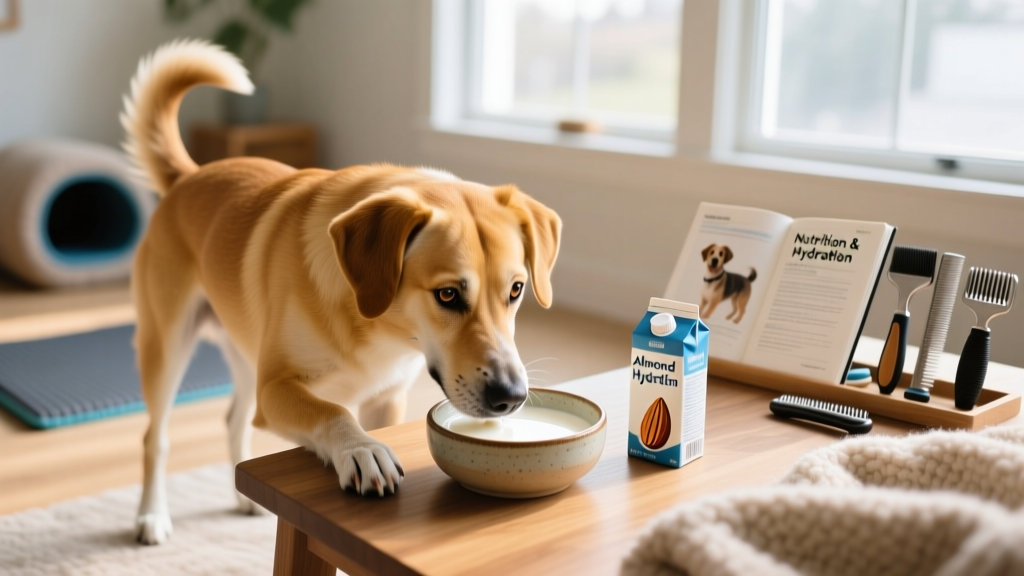
Dogs can drink plain, unsweetened almond milk in small amounts. It is not toxic, but it offers limited nutritional benefit for dogs and can cause digestive upset if overfed. Flavored, sweetened, or xylitol-containing varieties are unsafe. Always check the ingredient label before offering any almond milk to your dog.
If you've ever caught your dog licking up a spilled splash of almond milk from the kitchen floor, you probably wondered whether it's actually safe. The short answer is yes — plain, unsweetened almond milk is non-toxic to dogs. But "non-toxic" and "good for your dog" are two very different things. As a milk alternative made from ground almonds and water, almond milk lacks the lactose that makes cow's milk problematic for many dogs, yet it introduces its own set of considerations around fat content, additives, and caloric density.
This guide breaks down exactly how much almond milk is safe based on your dog's weight, which ingredients to avoid, and when almond milk should stay off your dog's menu entirely.
Is Almond Milk Safe for Dogs? What the Science Says
Almond milk itself is not listed as a toxic substance by the ASPCA. The almonds used in commercial almond milk are sweet almonds (Prunus dulcis), which are generally safe for dogs in processed forms. However, a few critical factors determine whether a specific carton of almond milk is safe for your dog:
- Lactose content: Almond milk is naturally lactose-free, making it a better option than cow's milk for the estimated 65% of dogs with some degree of lactose intolerance, according to the Merck Veterinary Manual.
- Xylitol (birch sugar): Some "unsweetened" or "low-calorie" almond milks use xylitol as a sweetener. Xylitol is extremely toxic to dogs — even small amounts can cause rapid hypoglycemia and liver failure. Always read the label.
- Added sugars and flavors: Vanilla, chocolate, and sweetened varieties contain sugars, artificial flavorings, or cocoa derivatives that are unnecessary or harmful to dogs.
- Carrageenan and gums: Many commercial brands use carrageenan, gellan gum, or locust bean gum as stabilizers. While FDA-approved for human consumption, these can cause gastrointestinal irritation in sensitive dogs.
How Much Almond Milk Can I Give My Dog?
Almond milk should be treated as an occasional treat, not a dietary staple. Treats of any kind should comprise no more than 10% of your dog's daily caloric intake, per AKC nutrition guidelines. Unsweetened almond milk contains roughly 30-40 calories per cup (240 mL), so portion control matters — especially for smaller breeds.
| Dog Weight Class | Weight Range | Safe Serving Size | Max Frequency |
|---|---|---|---|
| Small | Under 20 lb / 9 kg | 1-2 tablespoons (15-30 mL) | 2-3 times per week |
| Medium | 20-50 lb / 9-23 kg | ¼ cup (60 mL) | 2-3 times per week |
| Large | 50-90 lb / 23-41 kg | ⅓ cup (80 mL) | 2-3 times per week |
| Giant | Over 90 lb / 41 kg | ½ cup (120 mL) | 2-3 times per week |
Practical tip: Start with half the recommended serving the first time you offer almond milk. Wait 24-48 hours and monitor for loose stools, gas, vomiting, or signs of abdominal discomfort before offering the full amount.
Nutritional Breakdown: Is Almond Milk Good for Dogs?
Almond milk is often marketed as a health food for humans, but dogs have different nutritional requirements. Here's what a typical 1-cup (240 mL) serving of plain, unsweetened commercial almond milk contains, based on USDA FoodData Central values:
| Nutrient | Amount per Cup (240 mL) | Relevance to Dogs |
|---|---|---|
| Calories | 30-40 kcal | Low caloric density — suitable as occasional treat |
| Fat | 2.5-3 g | Moderate; excess fat risks pancreatitis in predisposed breeds |
| Protein | 1 g | Negligible — dogs need animal-based protein |
| Calcium (fortified) | 450 mg | Beneficial for bone health, but absorption rate in dogs is lower than from animal sources |
| Vitamin E | 7.3 mg (alpha-tocopherol) | Antioxidant; supports skin and coat health |
| Vitamin D (fortified) | 2.5 mcg (100 IU) | Supports calcium metabolism; most dogs get adequate D from balanced diets |
| Fiber | 0.5-1 g | Minimal; not a meaningful fiber source |
| Sugar | 0 g (unsweetened) | Ideal — avoid any variety with added sugar |
The bottom line: Almond milk provides small amounts of vitamin E and fortified calcium, but these nutrients are already present in any AAFCO-approved complete and balanced dog food. Almond milk is not a nutritional upgrade for dogs — it's a harmless novelty at best, and an unnecessary calorie source at worst.
How to Prepare and Serve Almond Milk for Your Dog
Follow these steps before offering almond milk to your dog:
- Read the full ingredient list. The only acceptable ingredients are almonds, water, and possibly a small amount of salt. Avoid anything containing xylitol (also labeled as birch sugar or birch sap), chocolate, cocoa, vanilla extract (contains alcohol), carrageenan, or added sugars (cane sugar, agave, high-fructose corn syrup).
- Choose unsweetened, unflavored, original variety. "Original" and "unsweetened" are not the same — some "original" flavors contain 7-10 g of added sugar per serving. Verify the sugar line reads 0 g.
- Shake well before pouring. Commercial almond milk separates, and calcium-fortified versions settle at the bottom. An uneven pour could deliver a concentrated dose of additives.
- Serve at room temperature or slightly cool. Ice-cold liquids can cause stomach cramping in some dogs, particularly small breeds.
- Pour into a clean bowl, not directly from the carton. This lets you control the exact portion and prevents contamination of the remaining milk with dog saliva.
- Discard any leftover almond milk from the bowl after 30 minutes. Bacterial growth accelerates once the milk is exposed to air and oral bacteria.
Homemade almond milk option: If you make almond milk at home, you have full control over ingredients. Blend 1 cup of raw, unsalted almonds (soaked overnight) with 4 cups of filtered water, then strain through a nut milk bag. This eliminates gums, stabilizers, and hidden sweeteners. However, homemade almond milk has a shorter shelf life — refrigerate and use within 3-4 days.
Risks and Side Effects: What Happens If My Dog Drinks Too Much Almond Milk?
While a small serving of plain almond milk is unlikely to harm most dogs, overconsumption or exposure to the wrong variety can cause problems ranging from mild discomfort to a veterinary emergency.
Mild to Moderate Reactions
- Diarrhea and loose stools: The fat content and unfamiliar plant proteins can irritate the canine GI tract, especially in dogs not accustomed to nut-based foods. Onset typically within 6-12 hours of ingestion.
- Gas and bloating: Almonds contain compounds that some dogs struggle to digest, leading to flatulence and mild abdominal distension.
- Vomiting: Usually self-limiting, occurring within 2-4 hours if the dog consumed too much or has a sensitivity to almonds.
Serious Reactions Requiring Veterinary Attention
- Xylitol poisoning: If the almond milk contained xylitol, symptoms can appear within 15-30 minutes and include vomiting, lethargy, ataxia (uncoordinated movement), collapse, and seizures. This is a life-threatening emergency.
- Pancreatitis: Dogs with a history of pancreatitis or breeds predisposed to it (Miniature Schnauzers, Cocker Spaniels, Yorkshire Terriers) may experience a flare-up from the fat content. Symptoms include severe vomiting, hunched posture, abdominal pain, and loss of appetite.
- Allergic reaction: Though uncommon, some dogs are allergic to tree nuts. Signs include facial swelling, hives, itching, and in severe cases, difficulty breathing.
Contact your vet or an emergency clinic if your dog shows any of the following after drinking almond milk:
- Vomiting more than twice within 4 hours
- Bloody or black, tarry stools
- Lethargy, weakness, or collapse
- Uncoordinated movement or tremors
- Facial swelling or difficulty breathing
- Signs of abdominal pain (hunched back, whining when touched, "prayer position" stretching)
- Any known or suspected ingestion of xylitol-containing almond milk
ASPCA Animal Poison Control: (888) 426-4435 (available 24/7, consultation fee applies)
Pet Poison Helpline: (855) 764-7661
Dogs Who Should NOT Drink Almond Milk
Almond milk is not appropriate for every dog. Avoid offering it to dogs in the following categories:
| Category | Reason to Avoid |
|---|---|
| Puppies under 12 months | Developing digestive systems are more sensitive to novel foods. Puppies need species-appropriate nutrition from AAFCO puppy-formulated diets, not plant-based milk alternatives. |
| Dogs with pancreatitis | Even the moderate fat content (2.5-3 g per cup) can trigger a pancreatitis episode in predisposed dogs. |
| Dogs with kidney disease | Fortified almond milk can contain 150-200 mg of phosphorus per cup, which may worsen renal function in dogs with chronic kidney disease (CKD). |
| Overweight or obese dogs | Extra liquid calories contribute to weight gain without providing satiety. Focus on low-calorie, high-fiber treats like green beans or carrot sticks instead. |
| Dogs with known tree nut allergies | If your dog has reacted to almonds, cashews, or other tree nuts previously, almond milk poses the same allergenic risk. |
| Senior dogs with sensitive digestion | Older dogs often have reduced digestive enzyme production, making novel foods harder to tolerate. |
Related Foods and Drinks: What Else to Watch For
If you're considering almond milk, you may also be wondering about similar products. Here's how they compare in safety:
| Food/Drink | Safe for Dogs? | Key Concern |
|---|---|---|
| Whole almonds | Caution | Choking hazard, high fat, difficult to digest; risk of esophageal or intestinal obstruction in small dogs |
| Almond butter (unsweetened) | Yes, small amounts | Very high fat (16 g per 2 tbsp); check for xylitol in "no sugar added" varieties |
| Cow's milk | Caution | High lactose content causes diarrhea in most adult dogs |
| Oat milk (unsweetened) | Yes, small amounts | Higher in carbohydrates than almond milk; check for added sugar |
| Coconut milk | Caution | Very high in saturated fat; can cause GI upset and pancreatitis risk |
| Soy milk | Caution | Soy is a common canine allergen; many brands contain added sugar |
| Macadamia nut milk | NO | Macadamia nuts are toxic to dogs — causes weakness, vomiting, hyperthermia, and tremors |
| Chocolate almond milk | NO | Chocolate contains theobromine and caffeine, both toxic to dogs |
Frequently Asked Questions About Almond Milk and Dogs
Can I use almond milk to hide my dog's medication?
In most cases, yes — a small amount of plain, unsweetened almond milk can help wash down a pill or mix with powdered medication. However, confirm with your veterinarian first, as some medications interact with calcium (which fortified almond milk contains in high amounts). Calcium can bind to certain antibiotics like tetracyclines and fluoroquinolones, reducing absorption. If your vet approves, use no more than 1-2 tablespoons to administer the medication, regardless of your dog's size.
Is almond milk safe for lactose-intolerant dogs?
Yes, almond milk is naturally lactose-free, making it a safer liquid treat than cow's milk for dogs with lactose intolerance. However, lactose intolerance and almond sensitivity are separate issues — a dog can be lactose intolerant and still react poorly to almond milk due to its fat content or plant proteins.
Can dogs drink vanilla almond milk?
No. Vanilla-flavored almond milk typically contains added sugar (7-15 g per serving), natural flavors, and often vanilla extract, which contains alcohol. Even "natural" vanilla flavoring can include compounds that irritate a dog's digestive system. Stick to plain, unsweetened varieties only.
My dog drank a whole carton of almond milk — what should I do?
First, check the ingredient list immediately for xylitol (birch sugar). If xylitol is listed, this is an emergency — contact your vet or the ASPCA Poison Control hotline at (888) 426-4435 right away. If the almond milk was plain and unsweetened, your dog will likely experience diarrhea and possibly vomiting within 6-12 hours. Withhold food for 12 hours (but provide fresh water), then reintroduce a bland diet of boiled chicken and white rice. If vomiting persists beyond 24 hours or you see blood in the stool, contact your veterinarian.
Can almond milk replace my dog's water?
No. Water should always be your dog's primary hydration source. Almond milk adds calories and fat that water does not, and regular consumption can lead to weight gain and nutritional imbalance. If your dog is reluctant to drink water, try adding a tablespoon of low-sodium chicken broth to their water bowl instead — it's a more species-appropriate way to encourage hydration.
Is homemade almond milk safer than store-bought for dogs?
Homemade almond milk gives you full ingredient control, which eliminates the risk of hidden xylitol, gums, and added sugars. However, homemade versions may have a higher concentration of almond solids and fat compared to commercial brands, which are mostly water. If you serve homemade almond milk to your dog, dilute it with an equal part of water to reduce the fat density, and follow the same serving size guidelines listed above.
Disclaimer: This article is for informational purposes only and does not replace professional veterinary advice. Always consult your veterinarian before introducing new foods to your dog's diet, especially if your dog has existing health conditions, is on medication, or has a history of food sensitivities.
Aaron Whyte
All our authors care for dogs every day — read more of their work on the authors page.


