Can Dogs Be Allergic to Chicken? Symptoms, Diagnosis & Treatment
Can dogs be allergic to chicken? Learn the symptoms, diagnosis process, treatment costs, and how to manage chicken allergies in dogs with expert guidance.
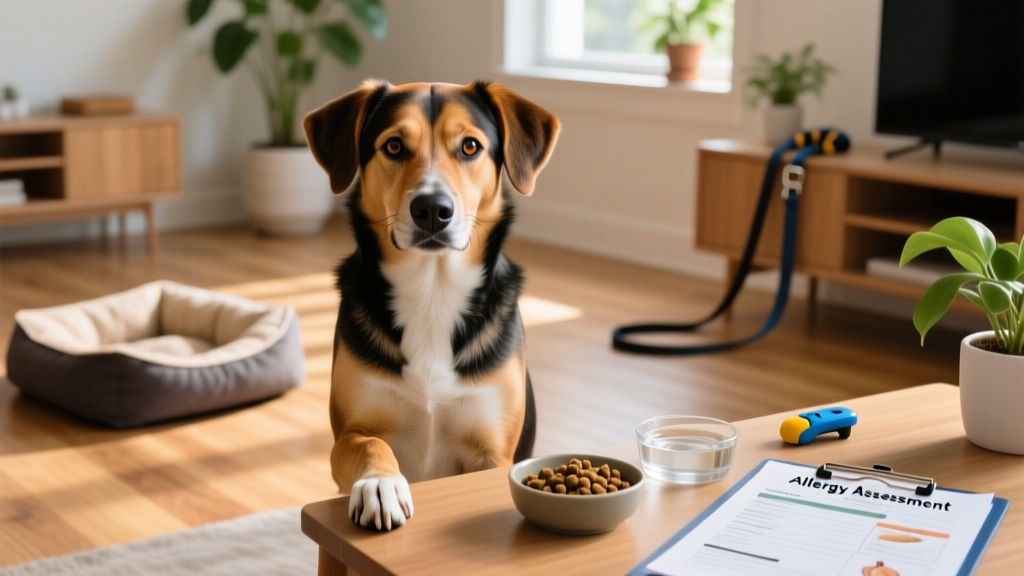
Can Dogs Be Allergic to Chicken? Understanding Canine Chicken Allergy
Yes, dogs can be allergic to chicken. In fact, chicken is one of the most common food allergens in dogs, ranking alongside beef, dairy, and wheat. A chicken allergy in dogs is an adverse immune response to proteins found in chicken meat — most commonly chicken serum albumin and ovotransferrin. Unlike food intolerances (which cause digestive upset without immune involvement), a true chicken allergy triggers the immune system to produce IgE antibodies that release histamine and other inflammatory chemicals.
Food allergies account for approximately 10–15% of all allergic skin disease in dogs, according to the Merck Veterinary Manual. Among food-allergic dogs, chicken is implicated in roughly 15% of cases, making it the third or fourth most common food allergen after beef and dairy. The condition can develop at any age, though most dogs first show signs between 6 months and 3 years old.
What Are the Symptoms of Chicken Allergy in Dogs?
Chicken allergy symptoms in dogs primarily manifest as dermatological (skin-related) issues, though gastrointestinal signs occur in 10–30% of food-allergic dogs. Symptoms typically develop gradually over weeks to months, making it easy to miss the early connection to diet.
| Severity Level | Symptom | What to Look For |
|---|---|---|
| Early Warning | Intermittent itching (pruritus) | Paw licking, face rubbing, ear scratching — especially after meals |
| Early Warning | Recurrent ear infections | Head shaking, dark discharge, yeasty odor; 3+ episodes per year |
| Early Warning | Mild GI upset | Soft stools, occasional vomiting, increased flatulence |
| Moderate | Hot spots (acute moist dermatitis) | Red, weeping, painful patches — often on hips, legs, or under ears |
| Moderate | Chronic skin inflammation | Reddened skin, hair loss (alopecia), darkened or thickened skin patches |
| Moderate | Chronic diarrhea or vomiting | 3+ loose stools per week; vomiting more than twice monthly |
| Advanced | Secondary bacterial/yeast infections | Musty odor, crusty lesions, pus-filled bumps (pustules) |
| Advanced | Lichenification | Thickened, leathery, elephant-like skin from chronic scratching |
| Advanced | Behavioral changes | Restlessness, irritability, sleep disruption from constant itch |
Risk Factors: Which Dogs Are Most Likely to Develop Chicken Allergy?
Chicken Allergy Risk Factor Profile
- Breed predisposition: West Highland White Terriers, Cocker Spaniels, German Shepherds, Labrador Retrievers, Golden Retrievers, French Bulldogs, Boxers, Shar-Peis, and Dachshunds show higher rates of food allergies overall
- Age of onset: Most common first presentation between 6 months and 3 years; however, food allergies can develop in senior dogs, particularly those with compromised gut barriers
- Genetics: Dogs with a family history of atopic dermatitis or food sensitivities have elevated risk; heritability estimates for atopy range from 0.15 to 0.60 depending on breed
- Concurrent allergies: Dogs already diagnosed with environmental atopy are 2–3x more likely to develop food allergies (a phenomenon called the "allergy threshold effect")
- Gut health: Early antibiotic use, inflammatory bowel disease (IBD), and dysbiosis can compromise intestinal barrier integrity, increasing allergen exposure to the immune system
- Diet history: Prolonged exposure to chicken-based diets from puppyhood increases sensitization risk — ironically, the most commonly fed protein is also one of the most common allergens
It is worth noting that mixed-breed dogs are not immune. While purebreds with known atopic lineages carry higher statistical risk, any dog — regardless of breed or mix — can develop a chicken protein allergy. The American Kennel Club confirms that food allergies are not breed-exclusive and can emerge in any dog with sufficient immune sensitization.
How Is Chicken Allergy Diagnosed in Dogs?
Diagnosing a chicken allergy requires a systematic veterinary approach. There is no single blood test or skin prick that definitively confirms a specific food allergen with high reliability. Here is the diagnostic process your veterinarian will likely follow:
| Step | Procedure | Purpose | Estimated Cost (2026) |
|---|---|---|---|
| 1. Clinical History | Detailed diet and symptom timeline | Rule out environmental/parasite causes; identify dietary patterns | Included in exam fee ($60–$120) |
| 2. Parasite Elimination | Flea comb, skin scraping, fecal float | Rule out fleas, mites, and intestinal parasites as itch causes | $40–$150 |
| 3. Skin Cytology | Tape prep or impression smear | Check for secondary bacterial (Staphylococcus) or yeast (Malassezia) infections | $50–$100 |
| 4. Blood Work | CBC, chemistry panel, thyroid | Rule out hypothyroidism, liver disease, or systemic causes of skin issues | $150–$300 |
| 5. Serum Allergy Testing | IgE blood panel (e.g., Heska, VARL) | Screen for environmental allergens; limited utility for food allergies (low specificity) | $200–$400 |
| 6. Elimination Diet Trial | 8–12 week novel protein or hydrolyzed diet | Gold standard — removes chicken entirely and monitors symptom resolution | $80–$200 (food cost) + follow-up visits |
| 7. Provocation Challenge | Reintroduce chicken protein | Confirm allergy by observing symptom return within 1–14 days | Included in follow-up ($60–$120) |
What About At-Home Allergy Test Kits?
Direct-to-consumer food sensitivity tests (saliva or hair analysis kits sold online for $60–$150) lack scientific validation. A 2019 study published in BMC Veterinary Research found that hair analysis kits could not reliably distinguish between allergic and non-allergic dogs, and many produced inconsistent results on repeated testing. Save your money and invest it in a proper elimination diet trial supervised by your veterinarian.
Treatment Options: Managing Chicken Allergy in Dogs
The good news: chicken allergy is one of the most manageable allergic conditions in dogs. Unlike environmental allergies (which require ongoing immunotherapy or medication), food allergies can often be controlled entirely through diet modification. Here is a comparison of treatment approaches:
| Treatment | How It Works | Success Rate | Timeline | Monthly Cost |
|---|---|---|---|---|
| Novel Protein Diet | Replace chicken with a protein the dog has never eaten (venison, rabbit, kangaroo, alligator) | 80–90% symptom resolution when strictly followed | Improvement in 4–8 weeks | $60–$150 |
| Hydrolyzed Protein Diet | Proteins broken into fragments too small to trigger IgE response (e.g., Royal Canin HP, Hill's z/d) | 85–95% symptom resolution | Improvement in 3–6 weeks | $80–$180 |
| Home-Cooked Elimination Diet | Veterinary nutritionist-formulated recipes using novel proteins | 90%+ when properly formulated | Improvement in 4–8 weeks | $100–$250+ |
| Symptomatic Medication (short-term) | Oclacitinib (Apoquel), lokivetmab (Cytopoint), antihistamines for acute flare control | Variable — manages symptoms, not the cause | Relief in 4–24 hours (Apoquel) | $40–$120 (Apoquel); $65–$130/injection (Cytopoint) |
| Secondary Infection Treatment | Antibiotics (cephalexin) or antifungals (ketoconazole) for hot spots and yeast overgrowth | High for infection resolution; allergy persists without diet change | 2–4 weeks course | $30–$80 per course |
Novel Protein Options for Chicken-Allergic Dogs
When selecting a novel protein, the key criterion is that your dog has never consumed it before. Common novel protein sources include:
- Venison — widely available in commercial limited-ingredient diets (LID)
- Rabbit — excellent for small to medium dogs; available from brands like Natural Balance and Blue Buffalo Basics
- Duck — note: some dogs with chicken allergy cross-react to duck due to protein similarity (approximately 10–15% of chicken-allergic dogs)
- Salmon or whitefish — good option if your dog has no prior fish exposure
- Kangaroo — highly novel in the US; very low cross-reactivity risk
- Alligator or crocodile — available through veterinary-exclusive diets (e.g., Rayne Clinical Nutrition)
Cross-reactivity warning: Chicken-allergic dogs may also react to turkey, duck, and eggs due to shared albumin proteins. Your vet's provocation challenge will help determine which poultry products are safe and which must be permanently avoided. Until testing is complete, avoid all avian proteins.
Prognosis and Life Expectancy for Dogs With Chicken Allergy
Chicken allergy is not a life-threatening condition. With proper dietary management, affected dogs have a normal life expectancy identical to non-allergic dogs of the same breed and size. The prognosis is excellent — this is a condition you manage, not one that shortens your dog's life.
| Scenario | Expected Outcome | Quality of Life |
|---|---|---|
| Strict elimination diet followed long-term | Complete or near-complete symptom resolution; normal lifespan | Excellent — most owners report dramatic improvement in energy and comfort |
| Inconsistent diet (occasional chicken exposure) | Chronic low-grade inflammation; recurrent ear/skin infections; progressive skin thickening | Fair — dog remains uncomfortable; ongoing medication costs |
| Untreated (chicken remains in diet) | Escalating skin damage, chronic secondary infections, potential for antibiotic resistance, behavioral issues from persistent itch | Poor — significant daily discomfort; risk of secondary complications |
The primary risk of leaving a chicken allergy unmanaged is not the allergy itself but the cascade of secondary problems: chronic ear infections can lead to aural hematomas or permanent ear canal narrowing (stenosis), and repeated antibiotic courses for skin infections contribute to antimicrobial resistance.
Home Care and Daily Management
Once your veterinarian confirms a chicken allergy and identifies a safe diet, long-term management at home is straightforward but requires consistency. Here is a practical daily management framework:
Diet Management
- Read every label. Chicken appears in pet food under many names: chicken meal, chicken fat, chicken by-product meal, chicken broth, chicken liver, poultry digest, and "natural flavors" (which may contain chicken-derived components). When in doubt, contact the manufacturer.
- Single-protein treats only. Use treats made from the same novel protein as your dog's main diet. Avoid variety packs and multi-protein biscuits.
- Medication check. Many flavored medications (heartworm preventives like Heartgard Plus, some NSAIDs) use chicken or beef flavoring. Ask your vet for unflavored alternatives or non-chicken-flavored options.
- Supplement audit. Glucosamine supplements often derive from chicken cartilage. Fish oil capsules may contain gelatin from poultry. Verify every supplement with your vet.
Skin and Coat Care
- Bathing: Bathe every 1–2 weeks during active flare-ups using a veterinary-recommended hypoallergenic shampoo (e.g., Douxo S3 Calm or Malaseb for yeast). Water temperature should be lukewarm (approximately 98–100°F / 37–38°C) — hot water worsens inflammation.
- Ear cleaning: Clean ears weekly with a veterinarian-approved ear cleanser (e.g., Epi-Otic Advanced). Food-allergic dogs are prone to recurrent otitis externa, and proactive cleaning reduces infection frequency by up to 50%.
- Paw care: Wipe paws after outdoor time to remove environmental allergens that compound the food allergy itch threshold.
Monitoring and Record Keeping
Maintain a simple symptom journal tracking:
- Itch severity on a 1–5 scale daily
- Stool consistency (use the Purina Fecal Scoring System: ideal is score 3–4)
- Ear condition weekly (odor, discharge, redness)
- Any new products introduced (treats, supplements, medications)
How Much Does Chicken Allergy Treatment Cost?
Budgeting for a chicken allergy diagnosis and ongoing management helps avoid sticker shock. Here is a realistic cost breakdown based on 2026 US veterinary pricing:
| Phase | Items | Cost Range |
|---|---|---|
| Initial Diagnosis | Exam, skin cytology, blood work, parasite screening | $300–$670 |
| Elimination Diet Trial | Prescription diet food (8–12 weeks) + 2 follow-up visits | $300–$600 |
| Provocation Challenge | Follow-up visit + monitoring | $60–$120 |
| Flare-Up Treatment | Apoquel or Cytopoint + antibiotics if secondary infection | $100–$350 per episode |
| Ongoing Annual Care | Specialty diet ($80–$150/month) + 2 wellness checks + ear cleanser | $1,100–$2,100/year |
| Worst-Case Annual | Prescription diet + 4+ infection episodes + dermatologist referral | $3,000–$5,500/year |
Pet insurance can offset some of these costs. Most comprehensive plans (Trupanion, Healthy Paws, Nationwide) cover allergy diagnostics and treatment if the condition is not pre-existing. Expect to pay a $250–$500 annual deductible, after which plans typically reimburse 70–90% of covered expenses. Food costs are generally not covered, but diagnostic tests, medications, and specialist visits usually are.
Prevention: Can You Prevent Chicken Allergy?
There is no guaranteed way to prevent a food allergy from developing, as the underlying mechanism involves genetic immune predisposition. However, you can reduce risk and catch problems early:
- Protein rotation: Some veterinary nutritionists recommend rotating protein sources every 6–12 months during puppyhood and early adulthood to prevent over-exposure to a single protein. Evidence is limited but the approach is low-risk.
- Gut health support: Probiotics (e.g., Enterococcus faecium-based products like Purina FortiFlora) may support intestinal barrier integrity. Discuss with your vet before starting any supplement.
- Avoid unnecessary antibiotics: Early-life antibiotic courses disrupt gut microbiome development and are associated with increased allergy risk in both dogs and humans. Use antibiotics only when clearly indicated by your veterinarian.
- Early recognition: If your dog develops recurrent ear infections or paw licking, consider a diet trial before assuming it is "just seasonal allergies." Early dietary intervention prevents years of unnecessary steroid use and skin damage.
When to See the Vet: Red Flag Symptoms
Call Your Veterinarian Promptly If Your Dog Shows:
- Persistent itching lasting more than 2 weeks despite flea prevention
- Recurrent ear infections (3 or more episodes within 12 months)
- Hot spots that do not improve within 48 hours of home cleaning
- Chronic diarrhea or vomiting lasting more than 5 days
- Hair loss in distinct patches, especially on the paws, belly, or around the ears
- Visible skin thickening, darkening, or a persistent musty/sweet odor
- Behavioral changes — restlessness, irritability, or reluctance to be touched
Seek emergency veterinary care if your dog experiences:
- Facial swelling or hives (angioedema) — potential anaphylactic reaction
- Difficulty breathing or wheezing after eating
- Severe vomiting with lethargy or collapse
While anaphylaxis from food is rare in dogs (far more common with insect stings), it can occur. If you suspect a severe allergic reaction, contact your nearest emergency veterinary hospital immediately or call the ASPCA Animal Poison Control Center at (888) 426-4435 (24/7, consultation fee applies) for guidance.
Frequently Asked Questions About Chicken Allergy in Dogs
Can a dog suddenly become allergic to chicken after eating it for years?
Yes. Food allergies can develop at any point in a dog's life, even after years of uneventful consumption. Sensitization is a gradual immune process — the body must be exposed to the allergen multiple times before mounting an IgE-mediated response. It is not uncommon for a 5-year-old dog who has eaten chicken-based kibble since puppyhood to suddenly develop itching and ear infections.
Is chicken fat safe for dogs with chicken allergy?
This is debated among veterinary dermatologists. Pure chicken fat contains minimal protein (the allergenic component), and some allergic dogs tolerate it. However, commercial processing does not guarantee complete protein removal, and trace amounts can trigger reactions in highly sensitive dogs. The safest approach is to avoid chicken fat during the elimination trial and reintroduce it cautiously during the provocation phase under veterinary guidance.
Can dogs be allergic to chicken but not turkey?
Possibly, but cross-reactivity between poultry species is common. Approximately 60–70% of chicken-allergic dogs will also react to turkey due to homologous serum albumin proteins. Your vet's provocation challenge will determine your individual dog's tolerance. Never assume turkey is safe without testing.
Are grain-free diets helpful for chicken-allergic dogs?
Not inherently. Grain-free and chicken-free are not the same thing. Many grain-free diets use chicken as the primary protein. Conversely, many grain-inclusive limited-ingredient diets use novel proteins safely. Focus on the protein source, not the grain content. Additionally, the FDA has investigated a potential link between grain-free diets and dilated cardiomyopathy (DCM), so discuss grain-free feeding with your veterinarian before making the switch.
How long does it take for chicken allergy symptoms to resolve after diet change?
Skin symptoms typically begin improving within 4–6 weeks of strict chicken elimination, with full resolution taking 8–12 weeks in most dogs. Gastrointestinal symptoms (diarrhea, vomiting) often improve faster, within 2–4 weeks. If no improvement occurs after 12 weeks of strict diet adherence, your vet will investigate other causes such as environmental atopy, sarcoptic mange, or a different food allergen.
What is the life expectancy of a dog with chicken allergy?
Normal. Chicken allergy does not reduce lifespan when properly managed through dietary avoidance. A chicken-allergic dog on a safe, nutritionally complete diet will live as long as any other dog of their breed and size. The condition requires lifelong dietary vigilance but carries an excellent long-term prognosis.
This article provides educational information and should not replace professional veterinary advice. Always consult your veterinarian for diagnosis and treatment of your dog's specific condition. If you suspect a food allergy, work with your vet to design an appropriate elimination diet trial rather than attempting dietary changes independently.
Tom Renshaw
All our authors care for dogs every day — read more of their work on the authors page.


