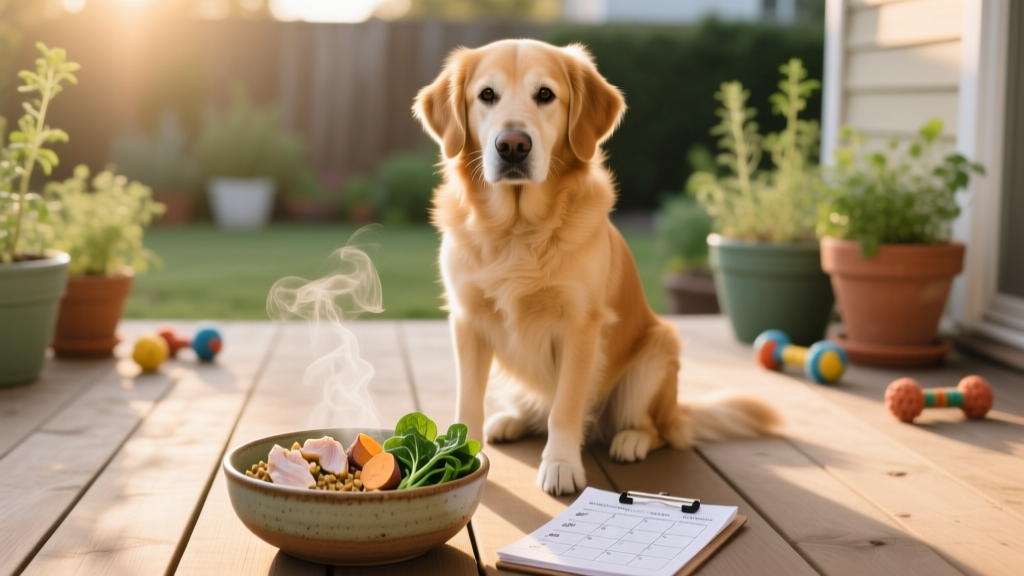
Boiled Chicken and Rice for Dogs: The Complete Feeding Guide
Boiled chicken and rice for dogs: safe, nutritious, and vet-approved. Learn serving sizes, benefits, and when to avoid.

If your dog has ever had an upset stomach, chances are your vet recommended the classic bland diet. But even if you've heard about boiled chicken and rice for dogs a hundred times, you might still wonder: is it actually safe, how much should you serve, and can it replace regular meals? This guide breaks down everything you need to know — from precise portion sizes to preparation mistakes that can do more harm than good.
Plain, unseasoned boiled chicken breast and white rice is one of the most veterinarian-recommended bland diets for dogs with gastrointestinal upset. It's easily digestible, low in fat, and provides a gentle source of protein and carbohydrates. However, it is not nutritionally complete and should only be fed short-term (typically 3–5 days) unless directed otherwise by your veterinarian.
Why Veterinarians Recommend Boiled Chicken and Rice for Dogs
The combination of boiled chicken and white rice has been a staple recommendation in veterinary medicine for decades — and for good reason. According to the Merck Veterinary Manual, bland diets are a first-line approach for managing acute gastroenteritis in dogs because they minimize digestive stimulation while providing adequate caloric support.
Here's why this specific pairing works:
- Low fat content: Skinless, boneless chicken breast contains approximately 3.6g of fat per 100g cooked, compared to 10–15g in darker cuts. Fat slows gastric emptying and can worsen diarrhea.
- Highly digestible protein: Chicken breast provides roughly 31g of protein per 100g cooked, with a digestibility rate exceeding 90% — meaning your dog absorbs most of the nutrients without excess residue in the gut.
- Low-fiber carbohydrates: White rice has only 0.4g of fiber per 100g cooked, which reduces bowel stimulation. Brown rice, while more nutritious for humans, contains roughly 1.8g fiber per 100g and can aggravate an already inflamed intestine.
- Hypoallergenic profile: While chicken is a known allergen for some dogs, the simplicity of two ingredients makes it easy to identify if a reaction occurs.
Nutritional Profile: What Boiled Chicken and Rice Actually Provides
Understanding the nutritional breakdown helps explain why this diet works short-term but falls short for long-term feeding. Values below are based on USDA food composition data for a combined serving of 100g boiled, skinless chicken breast and 100g cooked white rice.
| Nutrient | Amount | Dog's Daily Requirement (50 lb dog) | % of Requirement Met |
|---|---|---|---|
| Calories | 296 kcal | ~900 kcal | ~33% |
| Protein | 33.9g | 25–30g minimum | 100%+ |
| Fat | 4.0g | 14g minimum | ~29% |
| Calcium | 18mg | ~1,000mg | ~2% |
| Phosphorus | 246mg | ~750mg | ~33% |
| Vitamin A | 6μg | ~375μg | ~2% |
| Zinc | 1.1mg | ~8mg | ~14% |
Key takeaway: Notice the severe calcium deficiency — only 2% of a 50 lb dog's daily requirement. This is the primary reason boiled chicken and rice should never be fed as a long-term diet. Prolonged calcium deficiency leads to nutritional secondary hyperparathyroidism, causing bone demineralization and fractures. The American Kennel Club confirms this diet is intended only for temporary digestive rest.
Exact Serving Sizes by Dog Weight
Portion control is critical. Overfeeding even a bland diet can overwhelm a sensitive stomach. The standard veterinary recommendation is a 2:1 ratio of rice to chicken by volume. Total daily caloric needs vary, but during GI recovery, feeding approximately 75% of normal maintenance calories is common practice.
| Dog Weight | Total Daily Amount | Rice Portion | Chicken Portion | Meals Per Day |
|---|---|---|---|---|
| 5–10 lb (2–5 kg) | ½ – ¾ cup | ⅓ – ½ cup | 2 – 4 tbsp shredded | 3–4 small meals |
| 11–25 lb (5–11 kg) | 1 – 1½ cups | ⅔ – 1 cup | ⅓ – ½ cup shredded | 3 meals |
| 26–50 lb (12–23 kg) | 2 – 3 cups | 1⅓ – 2 cups | ⅔ – 1 cup shredded | 2–3 meals |
| 51–80 lb (23–36 kg) | 3 – 4 cups | 2 – 2⅔ cups | 1 – 1⅓ cups shredded | 2–3 meals |
| 81+ lb (36+ kg) | 4 – 5½ cups | 2⅔ – 3⅔ cups | 1⅓ – 1¾ cups shredded | 2–3 meals |
Pro tip: Divide the total daily amount into smaller, more frequent meals. Feeding 3–4 smaller portions instead of 1–2 large ones reduces the workload on an inflamed GI tract and promotes more consistent nutrient absorption.
Step-by-Step Preparation: How to Cook Boiled Chicken and Rice for Dogs
Improper preparation is where most owners go wrong. Seasonings, excess fat, and undercooked rice can all worsen your dog's condition. Follow these steps exactly:
- Choose the right chicken. Use boneless, skinless chicken breast. Do not use thighs, drumsticks, or wings — the higher fat content can trigger pancreatitis in susceptible dogs. Avoid pre-marinated or "enhanced" chicken breasts, which often contain added sodium (some brands contain up to 300mg sodium per serving) and flavorings that may include onion or garlic powder.
- Boil in plain water only. Place chicken breasts in a pot and cover with water. Bring to a boil, then reduce to a simmer for 15–20 minutes until the internal temperature reaches 165°F (74°C). Do NOT add salt, pepper, bouillon, garlic, onion, bay leaves, or any seasoning. Many common seasonings — particularly garlic and onion — are toxic to dogs.
- Shred the chicken finely. Once cooled, shred the chicken into small, bite-sized pieces using two forks. For small dogs, shred into very fine strands to prevent choking. Discard any visible fat, gristle, or connective tissue.
- Cook the white rice separately. Use a 2:1 water-to-rice ratio. Bring to a boil, then cover and simmer for 18–20 minutes until fully soft and fluffy. The rice should be slightly overcooked compared to what you'd eat — softer rice is easier to digest. Do not use instant rice (higher glycemic index, less consistent texture) or brown rice (too much fiber for an upset stomach).
- Mix at a 2:1 rice-to-chicken ratio. Combine two parts rice to one part shredded chicken by volume. Mix thoroughly.
- Cool to room temperature before serving. Test the temperature on your wrist — it should feel lukewarm, approximately 85–95°F (29–35°C). Hot food can further irritate an inflamed stomach lining.
Storage: Refrigerate prepared chicken and rice in an airtight container for up to 3 days. You can batch-cook and portion into individual servings using silicone muffin trays, then freeze for up to 2 months. Thaw overnight in the refrigerator — never microwave to thaw, as uneven heating can create hot spots.
How to Safely Introduce Boiled Chicken and Rice to Your Dog
Even a bland diet requires careful introduction, especially if your dog hasn't eaten for 12–24 hours due to vomiting or diarrhea.
The 48-Hour Introduction Protocol
- Hour 0–12 (fasting period): Withhold food but provide small amounts of water or ice chips every 30 minutes. This allows the GI tract to rest. Never fast a dog for more than 24 hours without veterinary guidance, and never fast puppies under 6 months — they are at risk of hypoglycemia.
- Hour 12–24: Offer 1–2 tablespoons of the chicken and rice mixture. Wait 2 hours and observe. If no vomiting occurs, offer another small portion.
- Hour 24–36: Gradually increase to the full serving size for your dog's weight, divided into 3–4 meals.
- Hour 36–48: Continue feeding the bland diet at full portions. Monitor stool consistency — it should begin firming within 24–48 hours of starting the diet.
- Day 3–5: If stools have normalized, begin transitioning back to regular food. Mix 75% bland diet with 25% regular food on day one, then 50/50 on day two, then 25% bland diet with 75% regular food on day three.
When NOT to Feed Boiled Chicken and Rice
While this diet is broadly safe, certain dogs should avoid it or require veterinary supervision before starting:
⚠️ Dogs Who Should Avoid This Diet
- Dogs with chicken allergies: Chicken is among the top 5 most common food allergens in dogs. If your dog has a known poultry allergy, substitute with boiled lean ground turkey (93% lean or higher) or boiled white fish such as cod.
- Diabetic dogs: White rice has a high glycemic index (approximately 73 on the GI scale), which causes rapid blood sugar spikes. Diabetic dogs require carefully managed carbohydrate sources — consult your veterinarian before offering this diet.
- Dogs with chronic kidney disease (CKD): The high protein content and unfavorable calcium-to-phosphorus ratio (approximately 1:13.7 in this diet, versus the ideal 1:1 to 2:1) can worsen kidney function. CKD dogs need prescription renal diets.
- Puppies under 6 months: Growing puppies have strict nutritional requirements for bone development. A calcium-deficient diet even for 5–7 days can impact skeletal growth. Always consult your vet before using a bland diet in young puppies.
- Dogs with pancreatitis: While chicken breast is low in fat, any dietary change during a pancreatitis flare should be veterinarian-directed. Some vets prefer prescription GI low-fat diets over homemade options.
Risks and What Happens If Your Dog Eats Too Much
Overfeeding boiled chicken and rice — or feeding it too long — introduces several risks:
| Risk | Cause | Symptoms | Timeframe |
|---|---|---|---|
| Nutritional deficiencies | Calcium, vitamin A, zinc, and essential fatty acid gaps | Lethargy, poor coat, lameness, weakened immunity | 2–4 weeks of exclusive feeding |
| Constipation | Low fiber content slows bowel motility | Straining, hard dry stools, decreased appetite | 2–3 days |
| Refeeding syndrome | Too much food too fast after prolonged fasting | Vomiting, weakness, electrolyte imbalances | Within 24 hours of refeeding |
| Weight gain | Caloric density if over-portioned | Rapid weight increase, reduced mobility | 1–2 weeks of overfeeding |
| Bone demineralization | Severe calcium deficiency (only 2% of daily need) | Limping, bone pain, pathological fractures | 3+ weeks (especially in puppies) |
Related Foods to Avoid
When preparing bland diets, owners sometimes add "extras" thinking they're helping. These common additions are dangerous:
- Onion and garlic (all forms): Powdered, cooked, or raw — these cause oxidative damage to red blood cells leading to hemolytic anemia. Toxic dose: as little as 5g/kg of onion or 1.25 mL/kg of garlic extract. If ingested, contact ASPCA Animal Poison Control at (888) 426-4435 (24/7, consultation fee applies).
- Butter, oil, or pan-fried chicken: Added fat can trigger pancreatitis, particularly in Miniature Schnauzers, Yorkshire Terriers, and Cocker Spaniels, who have breed-level predispositions.
- Chicken bones (cooked): Cooked chicken bones become brittle and splinter, risking esophageal perforation, gastric obstruction, or intestinal puncture. Always use boneless breast meat.
- Seasoned rice mixes: Products like Rice-a-Roni or instant seasoned rice packets contain onion powder, garlic powder, and excessive sodium.
- Raisins or grapes as "treats" alongside: Grapes and raisins are nephrotoxic to dogs and can cause acute kidney failure at doses as low as 0.3 oz/kg body weight.
🚨 When to Call Your Veterinarian
Stop home treatment and contact your vet immediately if your dog exhibits any of the following:
- Vomiting persists beyond 24 hours despite fasting and bland diet introduction
- Blood in vomit (looks like coffee grounds) or stool (bright red or black/tarry)
- Abdominal bloating, distension, or signs of pain (whining, praying position, restlessness)
- Lethargy, collapse, or inability to stand
- Refusal to drink water for more than 12 hours
- No improvement in diarrhea after 48 hours on the bland diet
- Known ingestion of a toxic substance (seasoned food, bones, grapes, xylitol)
- Your dog is a puppy under 6 months, a senior over 10 years, or has pre-existing conditions (diabetes, kidney disease, Addison's disease)
Emergency contacts: ASPCA Animal Poison Control: (888) 426-4435 | Pet Poison Helpline: (855) 764-7661
Frequently Asked Questions
Can I feed my dog boiled chicken and rice every day?
No. Boiled chicken and rice is not a nutritionally complete diet. It lacks adequate calcium, essential fatty acids, fat-soluble vitamins (A, D, E, K), and trace minerals. Feeding it beyond 3–5 days risks serious nutritional deficiencies. For long-term homemade diets, consult a board-certified veterinary nutritionist (ACVN) to formulate a balanced recipe, typically using resources like BalanceIT.com to supplement specific nutrient gaps.
Is brown rice better than white rice for dogs?
For healthy dogs eating a complete diet, brown rice offers more fiber, B vitamins, and manganese. But for dogs with GI upset — which is the primary reason you'd feed this bland diet — white rice is superior because its lower fiber content (0.4g vs 1.8g per 100g) is gentler on inflamed intestines. Save brown rice for healthy meal toppers, not recovery diets.
Can I use rotisserie chicken instead of boiling my own?
Only if you remove all skin, seasoning, and visible fat, and the chicken was prepared without onion, garlic, or brine. Most store-bought rotisserie chickens contain 400–600mg sodium per serving and are seasoned with garlic and onion powder — both toxic to dogs. The safest approach is always boiling plain, unseasoned chicken breast at home.
How much boiled chicken and rice can I give my 30-pound dog?
For a 30 lb (14 kg) dog, feed approximately 2–3 cups of the combined mixture per day, split into 2–3 meals. Use the 2:1 ratio: roughly 1⅓–2 cups of rice and ⅔–1 cup of shredded chicken daily. Adjust based on your dog's appetite and stool response.
My dog is allergic to chicken — what can I use instead?
Substitute with an equal amount of boiled lean ground turkey (93% or higher), boiled white fish (cod, haddock, or tilapia), or boiled extra-lean ground beef (96% lean). Drain and rinse ground meats after cooking to remove excess fat. The rice portion and preparation method remain the same.
Should I add vegetables or supplements to the bland diet?
During acute GI upset, no — the purpose of a bland diet is simplicity and minimal digestive stimulation. Adding vegetables, supplements, or probiotics introduces variables that can complicate recovery. Once your dog transitions back to their regular diet, you can discuss probiotic supplementation (such as FortiFlora or Proviable) with your veterinarian to support gut flora restoration.
Disclaimer: This article provides educational guidance and does not replace professional veterinary advice. Always consult your veterinarian before making dietary changes, especially for dogs with pre-existing health conditions, puppies, or senior dogs.
Anouk Beaumont
All our authors care for dogs every day — read more of their work on the authors page.