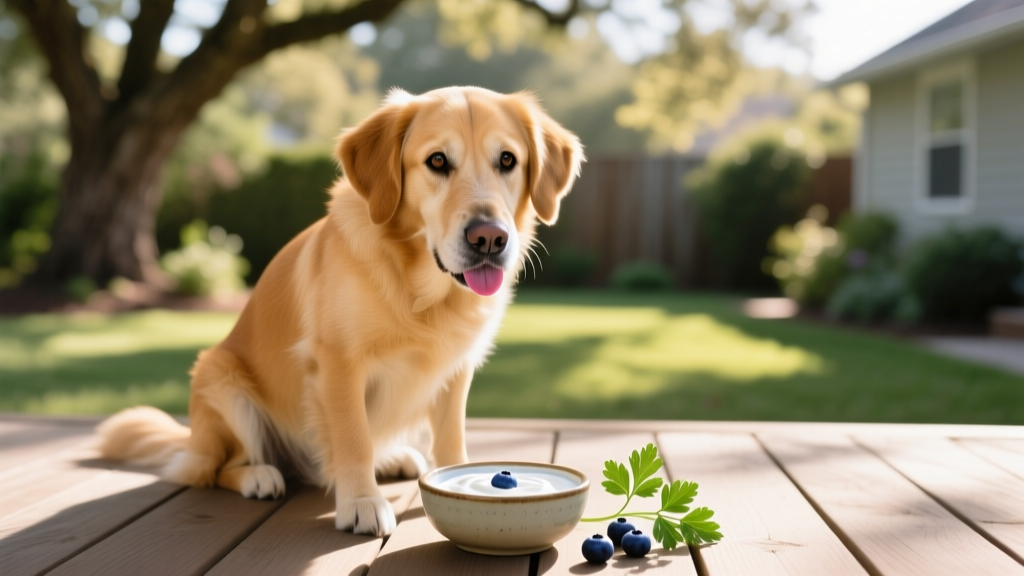
Blueberries for Dogs That Have Blue Tongues: Safe Snack Guide
Can dogs that have blue tongues eat blueberries? Get serving sizes, prep tips, nutritional data, and safety guidance for Chow Chows, Shar-Peis, and mixes.

A blue or blue-black tongue (common in Chow Chows, Chinese Shar-Peis, and some mixed breeds) is caused by heavy melanin pigmentation — the same pigment that colors human skin and hair. This is a normal genetic trait, not a disease, and it does not affect how a dog digests or tolerates blueberries. Blueberries are non-toxic, low-calorie, and rich in antioxidants for all dogs, including those with pigmented tongues. The only exception: if your dog has a diagnosed food allergy or specific gastrointestinal condition, consult your veterinarian before introducing any new food.
If you've ever watched your blue-tongued Chow Chow or Shar-Pei happily crunch through a handful of berries and wondered whether their unique pigmentation changes anything about food safety — you're not alone. Many owners of these distinctive breeds search specifically for guidance tailored to their dogs. The short answer is reassuring: a pigmented tongue doesn't alter digestive function, immune response, or nutrient absorption. What matters for feeding blueberries safely is the same for every dog — portion size, preparation, and monitoring.
Below, we break down everything you need to know about feeding blueberries to dogs with blue tongues, including breed-specific considerations for Chow Chows and Shar-Peis, who have unique health predispositions that can influence treat choices.
How Much Blueberries Can I Give My Dog?
Blueberries are low in calories (about 84 calories per cup for humans, roughly 0.5 calories per berry), but treat intake should still follow the 10% rule: treats should never exceed 10% of your dog's daily caloric intake. Here are specific serving sizes based on weight class:
| Dog Weight | Daily Blueberry Serving | Calories (approx.) | Frequency |
|---|---|---|---|
| Toy/Small (5–15 lb / 2–7 kg) | 2–4 berries (1–2 tsp) | 1–2 cal | Daily or every other day |
| Medium (16–40 lb / 7–18 kg) | 5–10 berries (1 Tbsp) | 3–6 cal | Daily |
| Large (41–75 lb / 18–34 kg) | 10–20 berries (2 Tbsp) | 6–12 cal | Daily |
| Giant (76+ lb / 34+ kg) | 20–30 berries (3–4 Tbsp) | 12–18 cal | Daily |
Breed-specific note: Chow Chows typically weigh 45–70 lb (20–32 kg) and Shar-Peis 45–60 lb (20–27 kg), placing most adults in the large serving category (10–20 berries daily). However, both breeds are prone to obesity if overfed, so measure treats carefully rather than free-feeding from the container.
Is Blueberries Good for Dogs Nutritionally?
Blueberries are one of the most nutrient-dense treats you can offer a dog. According to USDA nutritional data, a half-cup serving (about 75 g) of raw blueberries contains:
| Nutrient | Amount per ½ cup | Benefit for Dogs |
|---|---|---|
| Calories | 42 kcal | Low-energy treat, weight-friendly |
| Dietary Fiber | 1.8 g | Supports healthy digestion and stool firmness |
| Vitamin C | 7.2 mg | Antioxidant; dogs synthesize their own, but supplemental C may benefit seniors |
| Vitamin K | 14.3 mcg | Essential for blood clotting function |
| Manganese | 0.25 mg | Bone development and enzyme function |
| Anthocyanins | High concentration | Powerful antioxidants linked to reduced oxidative stress (per research published in the Journal of Agricultural and Food Chemistry) |
For Chow Chows and Shar-Peis specifically, the antioxidant profile is noteworthy. Both breeds are predisposed to entropion (eyelid irritation) and certain skin conditions where reducing systemic inflammation may provide ancillary support. While blueberries are not a treatment for these conditions, their anthocyanin content contributes to overall cellular health.
How Should I Prepare Blueberries for My Dog?
- Wash thoroughly: Rinse under cold running water for 15–20 seconds to remove pesticide residue. Organic blueberries reduce but don't eliminate this concern — they can still carry environmental contaminants.
- Serve raw or frozen: Raw blueberries retain maximum vitamin C. Frozen blueberries are an excellent summer treat and have a satisfying crunch. Do not cook, bake into sugary goods, or blend into sweetened smoothies.
- No added sugar or seasoning: Never add honey, yogurt coatings, or xylitol-containing products. Xylitol is highly toxic to dogs even in small amounts.
- Remove stems (optional): Stems aren't toxic but can be a minor choking risk for toy breeds. For most Chow Chows and Shar-Peis, stems are negligible.
- For small or senior dogs: Gently crush or halve berries to reduce choking risk and improve digestibility.
Pro tip for Shar-Pei owners: Shar-Peis have deep facial wrinkles that trap food debris. After feeding any treat, wipe your dog's muzzle and wrinkle folds with a damp cloth to prevent bacterial or yeast buildup — especially if berry juice gets into skin folds.
Breed-Specific Health Considerations for Blue-Tongued Dogs
While a blue tongue itself doesn't affect food tolerance, the breeds most commonly associated with blue tongues — Chow Chows and Chinese Shar-Peis — have health profiles that influence treat decisions:
Chow Chow Considerations
- Hip dysplasia prevalence: Estimated 15–20% in the breed (per OFA data). Maintaining lean body weight is critical, so calorie-count treats like blueberries are preferable to high-fat alternatives.
- Food allergies: Chow Chows rank among breeds with higher rates of cutaneous adverse food reactions. If your Chow has known protein allergies (chicken, beef, lamb), blueberries are generally safe as a plant-based treat — but introduce cautiously.
- Dental health: Chow Chows often have crowded teeth. Frozen blueberries can provide mild dental scraping action but are not a substitute for brushing.
Shar-Pei Considerations
- Shar-Pei fever (familial renal amyloidosis): This breed-specific inflammatory condition affects kidneys. Dogs with compromised kidney function may need restricted potassium — blueberries contain 57 mg potassium per half-cup, which is low but should be discussed with your vet if your Shar-Pei has renal disease.
- Mucinosis: The breed's characteristic wrinkles result from excess mucin in the skin. Anti-inflammatory diets are often recommended; blueberries' antioxidant content aligns well with this dietary approach.
- Sensitive digestion: Many Shar-Pei owners report food sensitivities. Introduce blueberries one at a time and monitor stool quality for 48 hours.
What Happens If My Dog Eats Too Many Blueberries?
Blueberries are not toxic at any dose, but overconsumption causes predictable gastrointestinal effects:
- Mild excess (2–3× normal serving): Soft stool or mild diarrhea within 6–12 hours due to fiber overload. This typically resolves within 24 hours with a bland diet (boiled chicken and white rice).
- Significant excess (entire pint or more): Vomiting, diarrhea, abdominal discomfort, and possible dehydration. The high fiber content (3.6 g per cup) accelerates intestinal transit.
- Choking risk: Small dogs that gulp large quantities of whole berries face a mechanical choking hazard. A 10 lb dog eating 50+ whole berries rapidly could experience esophageal obstruction.
If your dog has consumed a very large quantity and shows persistent vomiting, lethargy, or bloody stool, contact your veterinarian or the ASPCA Animal Poison Control Center at (888) 426-4435 (24/7, consultation fee applies) for guidance.
Foods to Avoid That Are Similar or Related
Not all berries and berry-adjacent foods are safe. Here's what to watch for:
| Food | Safe for Dogs? | Notes |
|---|---|---|
| Strawberries | ✅ Yes | Safe in similar portions; higher sugar content than blueberries |
| Raspberries | ✅ Yes (limited) | Contain trace xylitol — limit to ½ cup for large dogs |
| Blackberries | ✅ Yes | Safe; similar nutritional profile to blueberries |
| Grapes and raisins | ❌ TOXIC | Can cause acute kidney failure at any dose. Never feed. See ASPCA toxic food list |
| Cherries (flesh only) | ⚠️ Caution | Flesh is safe; pits, stems, and leaves contain cyanide compounds |
| Blueberry muffins/pies | ❌ No | Added sugar, butter, and potentially xylitol make baked goods unsafe |
| Dried blueberries | ⚠️ Caution | Concentrated sugar — reduce serving to 25% of fresh portion; check for added sugar |
- Your dog has eaten any amount of grapes or raisins (even alongside blueberries)
- Persistent vomiting or diarrhea lasting more than 24 hours after blueberry overconsumption
- Signs of allergic reaction: facial swelling, hives, difficulty breathing, or collapse
- Bloody stool or black, tarry stool following any new food introduction
- Lethargy, refusal to drink water, or signs of abdominal pain (hunched posture, whining when touched)
For Shar-Peis with known kidney issues (familial renal amyloidosis), call your vet if your dog has consumed blueberries and shows increased thirst or changes in urination patterns.
How to Introduce Blueberries Safely
Follow this protocol the first time you offer blueberries to your dog, regardless of breed:
- Day 1: Offer 1–2 berries (small dogs) or 3–4 berries (large dogs) as a single serving. Observe for 24 hours.
- Day 2: If stool is normal and no vomiting, itching, or behavioral changes occurred, offer the full weight-appropriate serving.
- Days 3–7: Continue daily servings and monitor stool consistency. Some dogs produce slightly softer stool during the adjustment period — this is normal and typically resolves within 3–5 days.
- Long-term: Blueberries can be a daily treat. Rotate with other safe fruits (strawberries, watermelon, banana) for nutritional variety.
For Chow Chows and Shar-Peis with sensitive stomachs: Extend the introduction period to 5–7 days, starting with a single berry every other day. Both breeds can have delayed-onset food sensitivities that take 48–72 hours to manifest.
When NOT to Feed Blueberries
While blueberries are broadly safe, certain dogs should avoid them or require veterinary approval first:
- Puppies under 12 weeks: Their digestive systems are immature; stick to puppy-formulated food and treats approved by your vet.
- Dogs with diabetes: Blueberries have a low glycemic index but still contain natural sugars (10 g per half-cup). Your vet may recommend limiting or timing servings around insulin doses.
- Dogs with chronic kidney disease (CKD): Potassium and phosphorus content is low but should be tracked as part of total daily intake for CKD patients.
- Dogs on anticoagulant medication: Vitamin K in blueberries (14.3 mcg per half-cup) is minimal but theoretically relevant for dogs on warfarin. Consult your vet.
- Dogs with known berry allergies: Rare but documented. If your dog has reacted to strawberries or raspberries, introduce blueberries under veterinary supervision.
Frequently Asked Questions
Why does my dog have a blue tongue in the first place?
Blue or blue-black tongue coloration is caused by melanin deposits in the tongue's mucosal tissue — the same pigment responsible for dark skin, hair, and eye color. It's a hereditary trait most strongly associated with Chow Chows and Chinese Shar-Peis, but it can appear in any breed or mixed-breed dog. The American Kennel Club breed standard for Chow Chows actually requires a blue-black tongue; a pink-spotted tongue is considered a fault in conformation. The pigmentation has no impact on taste, digestion, or food tolerance.
Can blueberries change the color of my dog's tongue or stool?
Blueberries will not alter your dog's natural tongue pigmentation. However, eating large quantities may temporarily darken stool or give it a blue-green tint. This is harmless and resolves within 24–48 hours after the berries pass through the digestive system.
Are frozen blueberries better than fresh for dogs?
Nutritionally, frozen blueberries retain equal or slightly higher antioxidant levels compared to fresh berries that have been stored for several days, according to USDA data. Frozen berries also provide a crunchy texture many dogs enjoy and can soothe teething puppies over 12 weeks. The main consideration: frozen berries are a harder choking hazard for dogs that gulp without chewing — supervise your dog or thaw slightly before serving to small breeds.
My Chow Chow has food allergies — are blueberries safe?
Blueberry allergy in dogs is extremely rare. Most canine food allergies involve animal proteins (chicken, beef, dairy) or grains. However, Chow Chows are predisposed to atopic dermatitis and may react to environmental allergens that cross-react with certain plant foods. If your Chow has a history of food reactions, introduce a single blueberry and monitor for 72 hours before increasing the serving. Always consult your veterinarian or a veterinary dermatologist for allergy-specific diet planning.
Can I give my Shar-Pei blueberry-flavored dog treats?
Check the ingredient label carefully. Many "blueberry-flavored" commercial treats contain artificial flavoring, added sugars, or preservatives like BHA/BHT. Look for treats where blueberries appear in the first five ingredients and that carry an AAFCO statement of nutritional adequacy. Better yet, use fresh or frozen whole blueberries — they're cheaper per serving and contain no additives.
What other breeds besides Chow Chows and Shar-Peis can have blue tongues?
Blue or partially blue tongues have been observed in Labrador Retrievers, Golden Retrievers, German Shepherds, Australian Cattle Dogs, and various mixed breeds. In non-Chow/Shar-Pei dogs, blue tongue spots are usually small patches of pigmentation rather than full tongue coverage. Regardless of breed, the pigmentation doesn't affect dietary recommendations — blueberries are equally safe.
Disclaimer: This article provides general nutritional guidance and does not replace professional veterinary advice. Always consult your veterinarian before making dietary changes, especially for dogs with pre-existing health conditions. If you suspect your dog has ingested a toxic substance, contact the ASPCA Animal Poison Control Center at (888) 426-4435 immediately.
Dr. Hannah Wickes
All our authors care for dogs every day — read more of their work on the authors page.