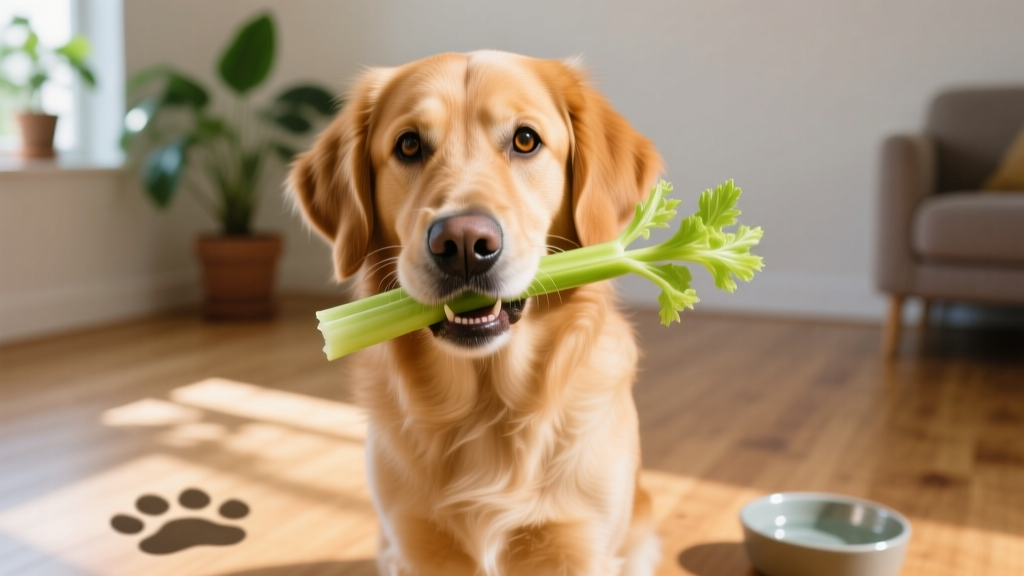
Bland Dog Food for Upset Stomach: Complete 2026 Feeding Guide
Complete guide to bland dog food for upset stomach: vet-approved recipes, top commercial picks, feeding charts by weight, and recovery timelines.

What Is a Bland Diet and When Does Your Dog Need One?
A bland diet is a short-term, easily digestible feeding protocol designed to rest your dog's gastrointestinal tract during episodes of vomiting, diarrhea, or general digestive upset. Unlike maintenance diets, bland dog food for upset stomach prioritizes low fat, moderate protein, and minimal fiber to reduce the workload on an inflamed gut while still providing enough calories to prevent muscle wasting.
Board-certified veterinary nutritionists typically recommend a bland diet for 2–5 days following acute gastroenteritis, dietary indiscretion (your dog ate something they shouldn't have), stress colitis, or post-surgical recovery. The goal isn't long-term nutrition — it's gut rest and gradual reintroduction of normal food.
Nutritional Requirements for a Recovery Bland Diet
The macronutrient profile of a proper bland diet differs significantly from standard adult maintenance food. Here's what veterinary nutritionists target when formulating GI-rest diets:
| Nutrient | Bland Diet Target | Standard Adult Maintenance (AAFCO Min) | Why It Matters |
|---|---|---|---|
| Crude Protein | 22–28% | 22% | Enough to prevent muscle catabolism without overloading the gut |
| Crude Fat | 8–12% | 8% | Low fat reduces pancreatic stimulation and bile secretion |
| Crude Fiber | 1–3% | — | Minimal fiber reduces colonic fermentation and gas production |
| Caloric Density | 320–380 kcal/cup | 300–450 kcal/cup | Moderate density prevents osmotic diarrhea from excess calories |
| Moisture (canned/wet) | 70–82% | — | High moisture combats dehydration from fluid losses |
| Sodium | 0.2–0.4% | 0.08% | Slightly elevated to replace losses from diarrhea/vomiting |
For a homemade chicken-and-rice bland diet, the classic ratio is 1 part lean protein to 2 parts cooked white rice by volume. This yields approximately 25% protein, 8% fat, and 1.3 kcal per gram of prepared food. While this isn't AAFCO-complete for long-term feeding, it's appropriate for the 3–5 day window most dogs need.
Caloric Needs During GI Recovery
During recovery, feed at resting energy requirement (RER) rather than full maintenance calories. Calculate RER using the formula: 70 × (body weight in kg)^0.75. For a 50 lb (22.7 kg) dog, that's approximately 70 × (22.7)^0.75 = 70 × 10.4 = 728 kcal/day during recovery, compared to roughly 983 kcal/day for normal maintenance.
| Dog Weight | RER (Recovery Calories/Day) | Approximate Bland Diet Volume/Day |
|---|---|---|
| 10 lb / 4.5 kg | 218 kcal | ~1 cup cooked chicken + rice |
| 25 lb / 11.3 kg | 424 kcal | ~2 cups cooked chicken + rice |
| 50 lb / 22.7 kg | 728 kcal | ~3.5 cups cooked chicken + rice |
| 75 lb / 34 kg | 998 kcal | ~5 cups cooked chicken + rice |
| 100 lb / 45.5 kg | 1,240 kcal | ~6 cups cooked chicken + rice |
Top 7 Commercial Bland and GI-Support Dog Foods
If preparing homemade meals isn't practical or your vet recommends a therapeutic diet, several commercial options are formulated specifically for GI recovery. These products carry an AAFCO statement of nutritional adequacy for adult maintenance or all life stages — something a homemade bland diet cannot claim for long-term use.
1. Hill's Prescription Diet i/d Digestive Care (Canned)
Price: $42–$52 per case of 12 cans (13 oz each)
Key Specs: 44% protein, 23% fat (DMB); 352 kcal/can
Why It Works: Highly digestible formula with prebiotic fiber (psyllium) and electrolytes to replace losses. Clinically tested to improve stool quality within 3 days. Requires veterinary authorization.
Best For: Dogs with recurring GI sensitivity who need a step-up from basic bland diets.
2. Royal Canin Veterinary Diet Gastrointestinal Low Fat (Canned)
Price: $48–$58 per case of 12 cans
Key Specs: 30% protein, 9% fat (DMB); 298 kcal/can
Why It Works: The lowest fat option among therapeutic GI diets — critical for dogs with pancreatitis or fat malabsorption. Enhanced with soluble fiber for stool formation. Requires veterinary authorization.
Best For: Dogs with concurrent pancreatitis or fat-sensitive conditions.
3. Purina Pro Plan Veterinary Diets EN Gastroenteric (Canned)
Price: $44–$54 per case of 12 cans
Key Specs: 40% protein, 20% fat (DMB); 380 kcal/can
Why It Works: High protein digestibility (94%+) with medium-chain triglycerides (MCTs) that bypass normal fat digestion pathways. Requires veterinary authorization.
Best For: Dogs needing higher caloric density due to weight loss during illness.
4. Hill's Science Diet Sensitive Stomach & Skin (Dry, Over-the-Counter)
Price: $22–$30 per 4 lb bag; $55–$72 per 15.5 lb bag
Key Specs: 24% protein, 17% fat (as-fed); 363 kcal/cup
Why It Works: No prescription needed. Uses chicken meal and brewer's rice for easy digestion, plus vitamin E and omega-6 for coat support. Prebiotic fiber blend supports gut flora.
Best For: Mild, chronic digestive sensitivity — not acute GI crises, but a good step-down food after recovery.
5. Royal Canin Digestive Care (Dry, Over-the-Counter)
Price: $26–$34 per 6 lb bag; $60–$78 per 25 lb bag
Key Specs: 22% protein, 15% fat (as-fed); 341 kcal/cup
Why It Works: Ring-shaped kibble encourages chewing, which improves digestion. Highly digestible proteins and a blend of prebiotics and fibers. No prescription required.
Best For: Dogs with mild, ongoing stool quality issues.
6. Purina Pro Plan Sensitive Skin & Stomach (Salmon & Oat, Dry)
Price: $18–$25 per 6 lb bag; $48–$62 per 16 lb bag
Key Specs: 26% protein, 16% fat (as-fed); 396 kcal/cup
Why It Works: Salmon as the first ingredient provides a novel protein for dogs who may be reacting to chicken. Oat-based carbohydrate is gentler than corn or wheat. Guaranteed live probiotics.
Best For: Dogs with suspected chicken sensitivity alongside GI upset.
7. Blue Buffalo Basics Limited Ingredient Diet (Turkey & Potato, Dry)
Price: $20–$28 per 4 lb bag; $55–$70 per 22 lb bag
Key Specs: 22% protein, 12% fat (as-fed); 365 kcal/cup
Why It Works: Single animal protein (turkey) with a short ingredient list reduces the chance of triggering food sensitivities. No chicken, beef, corn, wheat, soy, or eggs. AAFCO complete and balanced.
Best For: Dogs with known or suspected food intolerances causing GI upset.
How to Make a Homemade Bland Diet: Vet-Approved Recipes
The classic chicken-and-rice bland diet remains the gold standard for home preparation. However, there are important preparation rules that many online sources get wrong.
Recipe 1: Classic Chicken and White Rice
Ingredients:
- 1 lb (454 g) boneless, skinless chicken breast
- 2 cups (370 g) long-grain white rice (not brown — brown rice has too much fiber for GI rest)
- 4 cups water (for cooking rice)
- Additional water for boiling chicken
Preparation:
- Boil chicken breast in plain water until internal temperature reaches 165°F (74°C) — approximately 15–20 minutes. Do NOT add salt, garlic, onion, or any seasoning.
- Remove chicken, let cool, then shred into small pieces (no larger than ½ inch).
- In the same water used for chicken (adds palatability), cook white rice according to package directions.
- Mix 1 part shredded chicken to 2 parts cooked rice by volume.
- Cool to room temperature before serving. Store refrigerated up to 3 days or freeze individual portions for up to 2 weeks.
Yield: Approximately 5 cups of prepared food (~650 kcal total). Adjust batch size based on your dog's caloric needs.
Recipe 2: Ground Turkey and Pumpkin (Alternative Protein)
Ingredients:
- 1 lb (454 g) 93% lean ground turkey
- 2 cups cooked white rice or 1.5 cups plain canned pumpkin (NOT pumpkin pie filling — check that the only ingredient is pumpkin)
Preparation:
- Brown ground turkey in a non-stick skillet over medium heat until no pink remains (165°F / 74°C internal). Drain excess fat.
- Mix turkey with rice or pumpkin in a 1:2 ratio.
- Cool and serve as directed above.
Recipe 3: Scrambled Egg and Rice (For Dogs With Poultry Meat Sensitivity)
Ingredients:
- 4 large eggs
- 2 cups cooked white rice
Preparation: Scramble eggs in a non-stick pan with no butter or oil. Mix with cooked rice in a 1:2 ratio. Note: eggs are higher in fat than chicken breast, so this is best for dogs without pancreatitis.
Feeding Amounts, Schedule, and Transition Protocol
How Much Bland Food to Feed Per Day
Feed the RER-calculated daily amount divided into 4–6 small meals rather than 2 large ones. Smaller, more frequent meals reduce gastric distension and are easier on an inflamed gut.
| Dog Weight | Daily Amount (Homemade) | Daily Amount (Canned Therapeutic) | Per Meal (6x/day) |
|---|---|---|---|
| 5–15 lb / 2.3–6.8 kg | ¾–1.5 cups | ½–1 can (13 oz) | 2–4 Tbsp |
| 15–30 lb / 6.8–13.6 kg | 1.5–2.5 cups | 1–2 cans | ¼–½ cup |
| 30–50 lb / 13.6–22.7 kg | 2.5–3.5 cups | 2–3 cans | ½–⅔ cup |
| 50–75 lb / 22.7–34 kg | 3.5–5 cups | 3–4.5 cans | ⅔–¾ cup |
| 75–100 lb / 34–45.5 kg | 5–6 cups | 4.5–5.5 cans | ¾–1 cup |
| 100+ lb / 45.5+ kg | 6+ cups (scale RER) | 5.5+ cans | 1+ cup |
Adjustment factors: Reduce portions by 10–15% for sedentary or senior dogs. Increase by 10–20% for intact males, highly active dogs, or dogs in cold climates. Puppies under 12 months need 1.5–2x RER to support growth — consult your vet for puppy-specific recovery feeding.
The 7–10 Day Transition Back to Regular Food
Once your dog has had 2–3 days of normal stools and no vomiting on the bland diet, begin the transition back to regular food. Rushing this step is the most common reason for relapse.
| Day | Bland Diet | Regular Food | Notes |
|---|---|---|---|
| Day 1–2 | 75% | 25% | Watch for stool softening — if it occurs, hold at this ratio |
| Day 3–4 | 50% | 50% | Stools may be slightly softer; this is normal |
| Day 5–6 | 25% | 75% | If diarrhea returns, step back to 50/50 for 2 more days |
| Day 7+ | 0% | 100% | Full transition complete if stools are formed |
If your dog has a history of sensitive digestion, extend each phase to 3 days instead of 2, making it a 10–14 day transition. Never skip phases even if your dog seems "fine."
Foods and Ingredients to Avoid During GI Recovery
During and immediately after a GI episode, certain foods and ingredients can trigger relapse or worsen inflammation. Remove these from your dog's diet entirely during the recovery period:
- High-fat foods: Fatty cuts of meat, bacon grease, cheese, butter, peanut butter (even "natural" varieties are 50%+ fat). Fat delays gastric emptying and stimulates cholecystokinin release, which can trigger pancreatitis in predisposed dogs.
- Dairy products: Most adult dogs are lactose intolerant. Milk, yogurt, and cheese can cause osmotic diarrhea even in healthy dogs.
- Bones and rawhide: Mechanical irritants that can worsen an inflamed intestinal lining. Also a perforation risk.
- Spices and seasonings: Garlic, onion, salt, pepper — all GI irritants. Garlic and onion are also toxic to dogs (causing Heinz body anemia).
- Grain-free or legume-heavy diets: Peas, lentils, chickpeas, and potato-heavy formulations are harder to digest during GI recovery and have been linked to dilated cardiomyopathy (DCM) per FDA investigations.
- Table scraps and treats: Even "safe" human foods add dietary variables your dog's gut isn't ready for. Zero treats during recovery — bland diet only.
- Raw diets: The AVMA discourages raw feeding due to Salmonella and Campylobacter risk. During GI recovery, when the gut barrier is compromised, bacterial translocation risk is even higher.
Supplements to Support GI Recovery
While a short-term bland diet doesn't require extensive supplementation, a few targeted additions can accelerate recovery:
| Supplement | Dosage | Purpose | When to Add |
|---|---|---|---|
| Probiotics (Enterococcus faecium or Lactobacillus acidophilus) | 1–5 billion CFU/day depending on dog size | Restore gut microbiome disrupted by diarrhea or antibiotics | Start Day 1 of bland diet; continue 2–4 weeks after transition |
| Canned plain pumpkin (not pie filling) | 1–4 Tbsp per meal depending on size | Soluble fiber absorbs excess water in the colon, firms stools | Days 2–5 of bland diet if stools remain loose |
| Slippery elm bark powder | ½ tsp per 20 lb body weight, mixed into food | Mucilaginous coating soothes inflamed intestinal lining | Days 1–3; discontinue once vomiting stops |
| Electrolyte solution (unflavored Pedialyte) | 1–2 mL per lb body weight, offered 2–3x daily | Replace sodium, potassium, and chloride lost through vomiting/diarrhea | First 24–48 hours if dog is mildly dehydrated |
| Fish oil (EPA/DHA) | 20–55 mg EPA+DHA per kg body weight daily | Anti-inflammatory omega-3s support gut mucosal healing | Day 3+ of recovery; not during active vomiting |
Avoid: Over-the-counter anti-diarrheal medications (Imodium/loperamide, Pepto-Bismol) unless specifically prescribed by your veterinarian. These can mask serious conditions and are contraindicated in some breeds (MDR1 gene mutation carriers like Collies, Australian Shepherds, and German Shepherds can have severe reactions to loperamide).
Monitoring Your Dog's Recovery: What to Track
Objective monitoring helps you determine whether the bland diet is working or if your dog needs veterinary intervention. Track these four parameters daily:
1. Stool Quality (Purina Fecal Scoring System)
Use a 1–7 scale: Score 1 = hard pellets (constipation); Score 2 = firm, formed, easy to pick up (ideal); Score 3 = formed but soft, leaves slight residue; Score 4 = soft, loses form; Score 5 = very soft, puddle-like; Score 6 = watery with some texture; Score 7 = entirely liquid. You're aiming for a return to Score 2–3 within 48–72 hours of starting the bland diet.
2. Hydration Status
Perform the "skin tent test": gently pinch the skin over the shoulder blades and release. In a hydrated dog, it snaps back in under 1 second. If it takes 2+ seconds, your dog is dehydrated and needs veterinary attention. Also check gum moisture — gums should feel slick, not tacky or dry.
3. Energy and Appetite
A recovering dog should show gradual improvement in energy within 24–48 hours. Refusal to eat the bland diet for more than 12 hours (in adult dogs) is a red flag requiring veterinary evaluation. Puppies who refuse food for 6+ hours need immediate attention.
4. Body Condition Score (BCS)
Weight loss is expected during a short bland diet period, but it should not exceed 3–5% of body weight. For a 50 lb dog, that's no more than 1.5–2.5 lb lost over the recovery period. If your dog appears visibly thinner, has prominent ribs, or shows a marked abdominal tuck, caloric intake needs adjustment.
- Vomiting persists beyond 24 hours despite bland diet
- Blood in vomit (looks like coffee grounds) or stool (bright red or black/tarry)
- Abdominal bloating, distension, or obvious pain (whining when touched, "prayer position")
- Temperature above 103.5°F (39.7°C) or below 99°F (37.2°C)
- Skin tent test >2 seconds (moderate-severe dehydration)
- Lethargy progressing to unresponsiveness
- No improvement in stool quality after 72 hours on bland diet
Special Considerations by Life Stage and Condition
Puppies (Under 12 Months)
Puppies have smaller glycogen reserves and dehydrate faster than adults. A puppy with vomiting and diarrhea can develop hypoglycemia within 6–12 hours. Feed bland diet at 1.5–2x RER (growth requirement) and offer food every 3–4 hours rather than 4–6. If a puppy under 6 months shows GI signs, skip home treatment and go directly to your veterinarian — parvovirus, intestinal parasites, and foreign body obstruction are common and life-threatening in this age group.
Senior Dogs (Over 7–8 Years)
Senior dogs often have reduced kidney function, making dehydration more dangerous. Add extra moisture to the bland diet (mix in warm water or low-sodium chicken broth — ensure broth contains no onion or garlic). Senior dogs on NSAIDs (carprofen, meloxicam) are at higher risk for GI ulceration; vomiting in a dog on NSAIDs warrants immediate vet evaluation, not home bland diet treatment.
Dogs With Kidney Disease
Standard chicken-and-rice bland diets are relatively high in phosphorus, which is problematic for dogs with chronic kidney disease (CKD). For CKD dogs, substitute egg whites for whole eggs or chicken, and consider adding a phosphorus binder if directed by your veterinarian. A veterinary nutritionist can formulate a low-phosphorus bland diet specific to your dog's IRIS kidney disease stage.
Dogs With Food Allergies
If your dog has a known protein allergy (chicken, beef, etc.), substitute with a novel protein they've tolerated previously — options include venison, rabbit, duck, or whitefish. The carbohydrate base (white rice) is hypoallergenic for nearly all dogs. Avoid introducing a truly novel protein during a GI crisis, as you won't know if a reaction is from the illness or the new food.
Frequently Asked Questions
How long can I feed my dog a bland diet?
A homemade bland diet (chicken and rice) should not be fed for more than 3–5 days without veterinary nutritionist guidance, as it lacks essential vitamins, minerals, and proper calcium-phosphorus balance. Commercial therapeutic GI diets (Hill's i/d, Royal Canin GI) are AAFCO-complete and can be fed longer-term under veterinary supervision. If your dog requires bland food beyond 5 days, your vet needs to investigate the underlying cause.
Can I feed my dog a raw diet during GI recovery?
No. Raw diets carry a significantly higher risk of Salmonella, Campylobacter, and E. coli contamination. During GI recovery, the intestinal barrier is compromised, increasing the risk of bacterial translocation into the bloodstream. The AVMA and the FDA both advise against raw feeding, and this is especially critical during illness. Cooked bland diets are the safe choice.
Should I withhold food (fast) my dog before starting a bland diet?
For adult dogs, a 12–24 hour fasting period (with free access to water) can help the GI tract rest before reintroducing bland food. However, never fast puppies under 12 months, toy breeds prone to hypoglycemia (Chihuahuas, Yorkshire Terriers), diabetic dogs, or dogs with underlying metabolic conditions. After the fast, start with small amounts — 1–2 tablespoons every 2–3 hours — and gradually increase.
My dog won't eat the bland diet. What can I do?
Warm the food to body temperature (about 100°F / 38°C) to increase aroma and palatability. You can add a small amount of low-sodium chicken broth (onion/garlic-free) or the water you boiled the chicken in. Hand-feeding small amounts can also encourage eating. If your dog refuses food for more than 12 hours (adults) or 6 hours (puppies), contact your veterinarian — appetite loss beyond the initial GI episode may indicate a more serious condition.
Can I use brown rice instead of white rice for a bland diet?
White rice is preferred because it's lower in fiber and more easily digested than brown rice. The whole point of a bland diet is to minimize fiber and reduce colonic fermentation. Brown rice's bran layer contains phytic acid and additional fiber that can worsen loose stools during recovery. Save the brown rice for maintenance feeding when your dog's gut is healthy.
Does my dog need supplements during a short bland diet period?
For a 3–5 day bland diet, a quality probiotic is the most beneficial supplement. Canned plain pumpkin can help firm stools. Fish oil and slippery elm are optional additions. Full-spectrum vitamin/mineral supplements are unnecessary for such a short period and may actually irritate a sensitive stomach. If the bland diet extends beyond 5 days, work with a veterinary nutritionist to add a balanced supplement blend.
When should I switch back to regular food?
Begin the 7–10 day transition once your dog has had at least 2 consecutive days of formed stools (Purina Fecal Score 2–3), no vomiting, and a return to normal energy levels. If your dog was on a therapeutic veterinary diet, follow your veterinarian's specific transition timeline — some conditions require a longer GI diet period before switching back.
Priya Sutaria
All our authors care for dogs every day — read more of their work on the authors page.