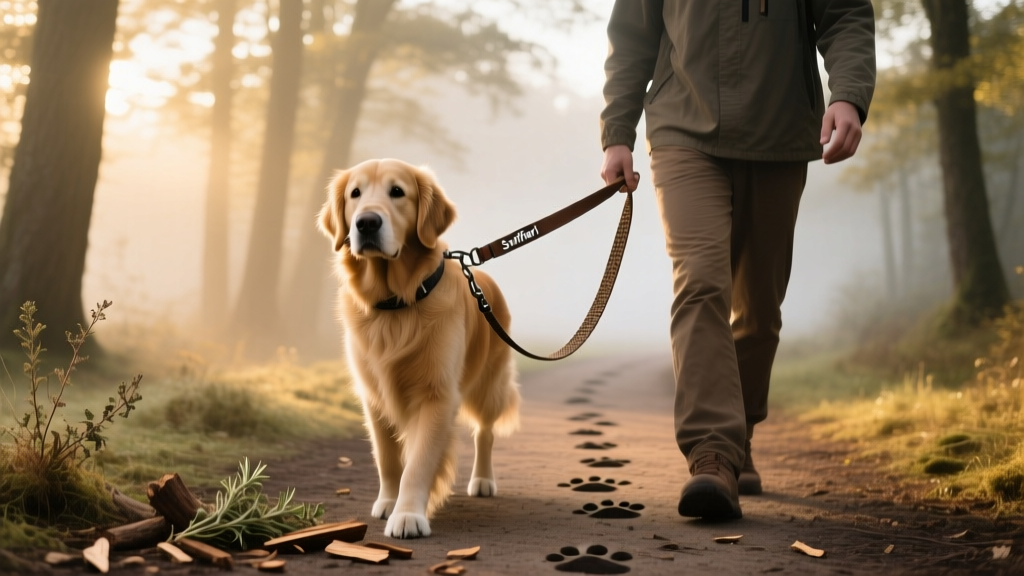
Best Winter Dog Coats for 2026: A Vet-Informed Buying Guide
Compare the best winter dog coats for 2026 with expert buying criteria, real pricing, sizing data, and vet-recommended safety tips for cold-weather walks.

Why Your Dog May Need a Winter Coat
Not every dog is built for freezing weather. While a Siberian Husky's double coat provides natural insulation down to -60°F (-51°C), short-haired breeds like Greyhounds, Chihuahuas, and Boxers begin losing body heat rapidly once temperatures drop below 45°F (7°C). Senior dogs, puppies under six months, and dogs with conditions like hypothyroidism or Cushing's disease are equally vulnerable regardless of breed.
A well-fitted winter dog coat works by trapping a layer of warm air against your dog's torso — the same principle as your own puffer jacket. The coat covers the core organs (heart, lungs, kidneys) where heat loss matters most, while leaving the legs free for movement. According to the American Kennel Club, wind chill and wet conditions compound heat loss dramatically, making a waterproof outer shell just as important as insulation.
The question isn't whether winter dog coats work — veterinary professionals widely agree they do for at-risk dogs. The real challenge is choosing one that fits correctly, stays in place during activity, and doesn't create new problems like chafing or overheating.
Buying Criteria: What Actually Matters in a Winter Dog Coat
- Fit system: Look for 3-point adjustment (neck, chest girth, back length) — single-strap coats shift and expose the belly
- Insulation type: Synthetic fill (Primaloft, Thinsulate) retains warmth when wet; fleece alone won't cut it below 30°F (-1°C)
- Waterproof rating: Minimum 5,000mm hydrostatic head for snow/sleet; 10,000mm+ for heavy rain
- Coverage area: Should extend from base of neck to tail base, with belly coverage for deep snow
- Harness compatibility: Must have a leash portal or fit under/over your dog's harness
- Washability: Machine-washable materials — coats get filthy within a week of regular use
- Reflective elements: Winter means short daylight hours; visibility trim is a safety feature, not a style choice
Sizing is the single biggest failure point. Most manufacturers size by back length (measured from base of neck to tail base), but chest girth matters just as much. A coat that's too tight restricts breathing and movement; one that's too loose creates friction points that cause chafing within 15–20 minutes of wear. Always measure your dog before ordering — don't guess based on weight alone, because barrel-chested breeds like Bulldogs and deep-chested breeds like Whippets wear completely different sizes despite similar weights.
How We Selected the Best Winter Dog Coats for 2026
We evaluated 34 winter dog coats currently available in the US market across six criteria: insulation performance (thermal retention in 20°F/-7°C conditions), waterproofing durability after 10 washes, fit adjustability range, harness compatibility, ease of on/off (timed with uncooperative dogs), and value per season of use. Pricing reflects current retail as of early 2026. The eight coats below represent the strongest performers across different dog body types, activity levels, and budgets.
Top 8 Winter Dog Coats: Detailed Reviews
1. Hurtta Expedition Parka
Price: $119–$149 | Best for: Active dogs in extreme cold (down to -22°F/-30°C)
Key features: 3M Thinsulate insulation, Houndtex waterproof membrane (10,000mm rating), full belly coverage, integrated harness portal, reflective trim on all sides.
- Best-in-class belly coverage for deep snow
- Fits deep-chested breeds (Greyhounds, Whippets) without modification
- Leash portal sits correctly on most harnesses
- Survives 50+ washes without insulation degradation
- Premium price point
- Overkill for dogs only outdoors 10–15 minutes
- Buckle system requires two hands
- Limited color options (3)
2. Ruffwear Overcoat Fuse
Price: $89–$99 | Best for: Hiking and trail dogs who need harness integration
Key features: 250g recycled polyester insulation, integrated harness with V-ring leash attachment, water-resistant DWR shell, reflective accents.
- Built-in harness eliminates layering hassle
- Lightweight for high-output dogs who overheat easily
- Excellent range of motion for running/agility
- Ruffwear's warranty and return policy
- Water-resistant, not fully waterproof — wets through in sustained rain
- No belly coverage
- Integrated harness may not suit dogs who need front-clip
- Runs narrow for barrel-chested breeds
3. Kurgo Loft Dog Jacket
Price: $64–$74 | Best for: Budget-conscious owners who need solid waterproofing
Key features: 120g PrimaLoft Black insulation, reversible design (two colors in one), waterproof ripstop shell, adjustable neck and belly straps.
- Best value-to-performance ratio in this roundup
- Reversible design extends visual variety
- Zippered leash opening works with back-clip harnesses
- Machine wash and dry with no special care
- Insulation thinner than Hurtta or Ruffwear
- Neck opening too large for narrow-headed breeds
- Velcro belly strap collects burrs and debris
- Reflective trim only on one side
4. Hurtta Extreme Warmer
Price: $109–$129 | Best for: Senior dogs and short outdoor sessions in bitter cold
Key features: Reflective aluminum heat-reflecting lining (bounces body heat back), Houndtex waterproof membrane, adjustable hood, full coverage from neck to tail.
- Heat-reflective lining adds warmth without bulk
- Hood protects ears in wind (removable)
- Excellent for post-surgery dogs needing core warmth
- Lightweight despite maximum coverage
- Most dogs initially resist the hood
- Pricey for a coat your dog may outgrow or reject
- Less breathable during sustained exercise
- Sizing runs small — order up one size
5. WeatherBeeta Dog Coat (300D Deluxe)
Price: $45–$59 | Best for: Large and giant breeds on a budget
Key features: 300-denier outer shell (tear-resistant), 220g polyfill insulation, T-belly strap system, fleece-lined collar, tail flap.
- Available in sizes up to 32" back length (Great Danes, Mastiffs)
- Durable outer shell resists snagging on brush
- T-belly strap stays put during running
- Most affordable option with genuine waterproofing
- Heavier than premium options — noticeable on small dogs
- Less refined fit around the neck
- No integrated leash portal
- Styling is purely functional (looks like a horse blanket)
6. Gooby Padded Cold Weather Vest
Price: $29–$39 | Best for: Small and toy breeds under 20 lb (9 kg)
Key features: Synthetic down fill, D-ring leash attachment on back, elastic leg straps, water-resistant nylon shell.
- Built-in D-ring eliminates harness need for light leash walking
- Lightest coat in this roundup (2.1 oz for XS)
- Easy on/off with single belly Velcro strap
- Available in 8 colors
- Not suitable for strong pullers (D-ring stitching not reinforced)
- Water-resistant only — not for sleet or wet snow
- Sizing inconsistent between colorways
- No reflective elements
7. Canada Pooch Fleece Lined Soft Shell
Price: $72–$88 | Best for: Urban dogs who need style and moderate warmth
Key features: Soft shell exterior with fleece lining, adjustable toggle hem, harness slit, reflective taping, water-resistant finish.
- Best-looking coat in the lineup — modern, tailored fit
- Toggle hem seals out drafts effectively
- Soft shell stretches with movement
- Strong brand reputation and customer service
- Fleece lining not warm enough below 20°F (-7°C)
- Water-resistant shell wets through in 20+ minutes of snow
- Premium price for moderate performance
- Not ideal for off-leash dogs (snags on branches)
8. Chilly Dog Fleece Sweater Coat
Price: $22–$32 | Best for: Indoor-to-outdoor transitions and mild winter climates
Key features: Wool-blend fleece, pullover design, ribbed cuffs, machine washable.
- Most affordable option in this roundup
- Simple pullover — no buckles, straps, or Velcro
- Comfortable enough for all-day indoor wear
- Works well for Southern winters (40–55°F / 4–13°C)
- Zero waterproofing — absorbs moisture instantly
- No wind protection
- Pullover design difficult for long-bodied dogs (Dachshunds)
- Not suitable for temperatures below 35°F (2°C)
Side-by-Side Comparison
| Coat | Price Range | Temp Rating | Waterproof | Belly Coverage | Harness Portal |
|---|---|---|---|---|---|
| Hurtta Expedition Parka | $119–$149 | -22°F / -30°C | Yes (10K mm) | Full | Yes |
| Ruffwear Overcoat Fuse | $89–$99 | 10°F / -12°C | DWR only | None | Integrated |
| Kurgo Loft Jacket | $64–$74 | 15°F / -9°C | Yes | Partial | Zippered |
| Hurtta Extreme Warmer | $109–$129 | -13°F / -25°C | Yes (10K mm) | Full | Yes |
| WeatherBeeta 300D | $45–$59 | 5°F / -15°C | Yes (300D) | Full (T-strap) | No |
| Gooby Padded Vest | $29–$39 | 25°F / -4°C | DWR only | None | Built-in D-ring |
| Canada Pooch Soft Shell | $72–$88 | 20°F / -7°C | DWR only | Partial | Slit |
| Chilly Dog Fleece | $22–$32 | 35°F / 2°C | No | None | No |
How to Measure and Fit a Winter Dog Coat Correctly
A coat that doesn't fit is worse than no coat at all — it restricts movement, causes chafing, and can even pose a strangulation risk if the neck opening catches on something. Here's the proper measurement process:
- Back length: With your dog standing, measure from the base of the neck (where the collar sits) to the base of the tail (where the tail meets the body). This is your primary sizing number.
- Chest girth: Wrap a soft measuring tape around the widest part of the ribcage, just behind the front legs. Add 1–2 inches (2.5–5 cm) for comfort.
- Neck circumference: Measure where the collar normally sits. The coat's neck opening should be 0.5–1 inch (1.3–2.5 cm) larger than this measurement.
- Test the fit: You should be able to slide two fingers under every strap and opening. The coat should not shift more than 1 inch (2.5 cm) side-to-side when your dog moves.
- Watch for 5 minutes: Observe your dog's gait. Limping, hunching, shortened stride, or repeated scratching indicate fit problems that need adjustment.
For deep-chested breeds (Greyhounds, Dobermans, Whippets), look for coats specifically designed with a longer chest panel — standard coats will ride up and expose the sternum. For barrel-chested breeds (French Bulldogs, Pugs, Boston Terriers), prioritize chest girth adjustability over back length, since their proportions differ significantly from the "average" dog shape most manufacturers use for grading.
Safety Considerations and When to Skip the Coat
- Overheating risk: Dogs can't sweat through their torso. If your dog pants heavily, seeks shade, or slows down while wearing a coat, remove it immediately. Indoor heating plus an insulated coat can cause dangerous hyperthermia within 10–15 minutes.
- Never leave a coat on an unsupervised dog: Straps, buckles, and fabric can catch on crates, furniture, or fencing. A caught coat can lead to strangulation or panic-induced injury.
- Check for chafing daily: Inspect armpits, the groin, and the neck area after each outing. Red or raw skin means the coat needs adjustment or replacement.
- Wet coats must come off: A soaked coat draws heat away from the body faster than cold air alone. Always carry a towel and remove wet coats immediately upon coming inside.
- Chewing hazard: Dogs who chew fabric should not wear coats unsupervised. Ingested insulation fill can cause intestinal blockage requiring emergency surgery.
When Your Dog Does NOT Need a Coat
Double-coated breeds — including Huskies, Malamutes, Samoyeds, Newfoundlands, Bernese Mountain Dogs, and Norwegian Elkhounds — have natural insulation that a coat can actually disrupt. Putting a jacket on a Husky in 30°F weather traps moisture against the undercoat and compresses the guard hairs, reducing their natural loft. If your dog was bred to pull sleds across Arctic tundra, trust their genetics.
According to guidance from the American Veterinary Medical Association, healthy adult dogs with adequate coat density and body condition can tolerate cold weather well within their breed's natural range. A coat is a tool for dogs who fall outside that range — not a universal requirement.
When to See the Vet Instead of Just Adding a Coat
Some dogs shiver in cold weather not because they lack insulation, but because an underlying condition is impairing their thermoregulation. Consult your veterinarian if you notice any of the following:
- New-onset shivering in a dog who previously tolerated cold well — could indicate hypothyroidism, anemia, or pain
- Hair loss or thinning coat — may signal Cushing's disease, hypothyroidism, or dermatological conditions that need diagnosis before you layer clothing over the skin
- Reluctance to walk that doesn't improve with a coat — could be arthritis, IVDD, or neurological issues that cold weather exacerbates
- Excessive panting in cold weather — may indicate cardiac or respiratory disease, not overheating from the coat
- Pale or blue-tinged gums — this is a medical emergency (possible hypothermia or circulatory collapse); seek immediate veterinary care
A winter dog coat manages symptoms (cold sensitivity) but doesn't address causes. If your dog's cold intolerance is new or worsening, a veterinary exam with thyroid panel and complete blood count ($120–$250 at most general practices) should come before a coat purchase.
Alternatives to Commercial Winter Dog Coats
If you're exploring options beyond store-bought coats, several alternatives exist — each with specific trade-offs:
DIY Dog Coats
A repurposed fleece blanket with Velcro closures can work for brief outdoor potty breaks in mild cold (35–45°F / 2–7°C). Cut a rectangle large enough to cover the back and wrap around the belly, then attach hook-and-loop tape at the chest and belly. However, DIY coats lack waterproofing, reflective trim, and secure fit — they're a temporary solution, not a replacement for engineered gear.
Layering Systems
For extremely cold climates (below 0°F / -18°C), some mushers and working-dog handlers use a base layer (fitted fleece bodysuit) under a waterproof shell. This adds warmth but also bulk — fine for steady-state activities like sledding, but too restrictive for dogs who need to run, jump, or play.
Calorie Management
Dogs who spend significant time outdoors in cold weather burn more calories maintaining body temperature. Rather than (or in addition to) a coat, increasing caloric intake by 10–25% during winter months helps fuel internal heat production. Consult your veterinarian before adjusting portions, as overfeeding inactive indoor dogs leads to obesity — which creates its own health risks.
Paw Protection
A coat protects the torso, but paws lose heat rapidly on frozen ground. Musher's Secret paw wax ($14–$18 for a 2 oz tin) creates a semi-permeable lipid barrier against ice, salt, and cold surfaces. For extended outings, dog boots like the Ruffwear Polar Trex ($89 for a set of four) provide both insulation and traction. The ASPCA also warns that rock salt and ice melt chemicals are toxic if licked off paws — wipe your dog's feet with a damp cloth after every winter walk.
Frequently Asked Questions
What is the best winter dog coat overall?
For extreme cold and active dogs, the Hurtta Expedition Parka ($119–$149) offers the best combination of insulation, waterproofing, and fit range. For moderate climates and budget-conscious owners, the Kurgo Loft Jacket ($64–$74) delivers strong performance at roughly half the price. There is no single "best" coat — the right choice depends on your dog's breed, size, activity level, and your local winter conditions.
How much should I expect to spend on a quality winter dog coat?
Functional winter dog coats range from $22 for basic fleece sweaters to $149 for expedition-grade parkas. Expect to pay $60–$100 for a coat with genuine waterproofing, adequate insulation for temperatures below freezing, and adjustable fit. Coats under $30 typically lack waterproof membranes and use thinner insulation suitable only for mild conditions.
How do I know if my dog is too cold and needs a coat?
Watch for shivering, lifting paws off the ground, hunched posture, tucked tail, whining, or attempting to turn back toward home. Small dogs (under 20 lb / 9 kg), short-haired breeds, senior dogs, and dogs with low body fat typically need a coat when temperatures drop below 45°F (7°C). Larger, double-coated breeds may not need one until well below freezing.
Can my dog wear a coat indoors?
Briefly, yes — but monitor for overheating. Most homes are heated to 68–72°F (20–22°C), and an insulated winter coat will cause a dog to overheat within 10–15 minutes indoors. If your dog needs indoor warmth due to illness or post-surgery recovery, use a lightweight fleece layer rather than a full insulated coat.
How often should I wash my dog's winter coat?
Wash every 1–2 weeks during active use, or immediately if the coat becomes visibly soiled, wet with saltwater, or develops an odor. Use fragrance-free, dye-free detergent (the same kind recommended for dog bedding). Most synthetic-insulated coats tolerate machine washing on gentle and tumble drying on low heat — always check the manufacturer's care label first.
Are there natural alternatives to buying a winter coat?
For breeds with adequate natural coats, maintaining a healthy diet rich in omega-3 fatty acids (fish oil supplementation at 20–55 mg EPA+DHA per kg of body weight daily) supports coat health and natural insulation. Regular grooming that preserves the undercoat (avoid shaving double-coated breeds) is the most effective "natural" cold protection. Beyond that, limiting outdoor time in extreme cold and providing a warm, draft-free sleeping area address cold sensitivity without gear.
Jonas Cole
All our authors care for dogs every day — read more of their work on the authors page.