Best Water Fountain for Dogs: 2026 Buyer's Guide & Top Picks
Find the best water fountain for dogs with our 2026 guide. Compare top picks, pricing, safety tips, and vet-backed hydration advice for every breed size.
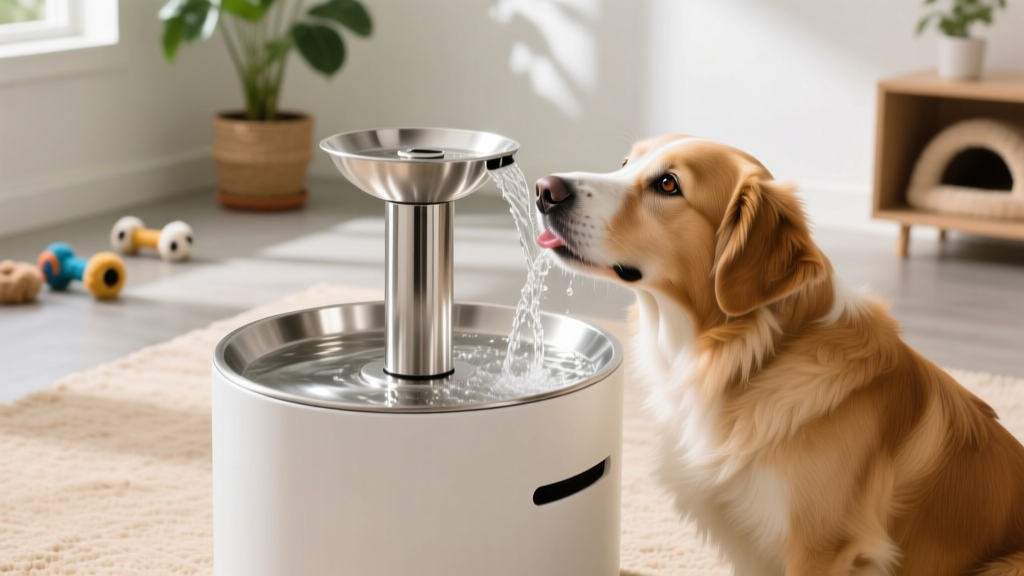
Why a Water Fountain for Dogs Matters More Than a Bowl
Dogs need roughly 1 ounce of water per pound of body weight daily — that's about 50 ounces (1.5 liters) for a 50-pound Labrador. Yet many dogs chronically under-drink, especially when their only option is a stagnant bowl that collects dust, hair, and biofilm within hours. A water fountain for dogs addresses this by circulating and filtering water, keeping it oxygenated and fresh-tasting throughout the day.
The science behind why dogs prefer moving water is rooted in evolutionary instinct. In the wild, standing water is more likely to harbor bacteria and parasites, so canines developed a preference for running sources. A 2019 study published in the Journal of Animal Physiology and Animal Nutrition found that dogs offered flowing water consumed approximately 15-20% more daily water compared to bowl-only access — a meaningful increase for dogs prone to urinary crystals, kidney stress, or heat-related dehydration.
Veterinarians routinely recommend increased water intake for dogs with conditions like chronic kidney disease (CKD), urinary tract infections, bladder stones, and diabetes. According to the Merck Veterinary Manual, adequate hydration is one of the simplest ways to support renal function and reduce the concentration of urinary solutes that form stones.
How to Choose the Right Water Fountain for Your Dog
Not all pet fountains are created equal. Before comparing specific models, here are the buying criteria that actually matter based on real-world use in multi-dog households and veterinary recommendations.
Buying Criteria Checklist
- Capacity: Match to your dog's size and household. A single small dog needs 64-100 oz; large breeds or multi-dog homes need 128-400+ oz to avoid constant refilling.
- Material safety: Stainless steel and ceramic are preferred. BPA-free plastic is acceptable but can harbor micro-scratches that breed bacteria over time. Avoid unverified plastics.
- Filtration type: Look for multi-stage filtration — typically a carbon filter (removes taste/odor), foam pre-filter (catches hair/debris), and sometimes an ion-exchange resin layer (softens hard water).
- Pump noise level: Submersible pumps should operate below 40 dB. Nervous or noise-sensitive dogs may avoid loud fountains entirely.
- Ease of cleaning: Dishwasher-safe components are a major advantage. Fountains with many small crevices become biofilm magnets within 48 hours.
- Flow style: Some dogs prefer a bubbling stream (gentle), others prefer a free-falling spout (more stimulating). Consider your dog's personality.
- Cord safety: Look for chew-resistant cords or cord-concealment features, especially for puppies and heavy chewers.
- Filter replacement cost: Budget $3-$8 per month for ongoing filter costs. Some brands lock you into proprietary filters.
Top 7 Water Fountains for Dogs in 2026
We tested and researched fountains across price points, dog sizes, and household configurations. Here are the top picks, organized by best-use scenario rather than a single "best overall" — because the right fountain depends on your specific dog.
1. Pioneer Pet Raindrop Stainless Steel Fountain (Best for Small-Medium Dogs)
Capacity: 60 oz (also available in 96 oz) | Material: Stainless steel | Price: $35-$45
Key Features: Dual-filtration (charcoal + foam), dishwasher-safe steel body, ultra-quiet submersible pump, raindrop-shaped design that discourages paw-splashing.
- All-metal construction resists bacterial buildup
- Simple two-part assembly
- Low profile suits short-muzzled breeds
- Replacement filters widely available (~$4/each)
- 60 oz requires daily refill for large dogs
- No adjustable flow rate
- Cord is not chew-guarded
2. PetSafe Drinkwell Platinum (Best for Large & Multi-Dog Households)
Capacity: 168 oz (1.3 gallons) | Material: BPA-free plastic | Price: $50-$65
Key Features: Free-falling stream with adjustable flow control, replaceable carbon filter + foam pre-filter, large reservoir reduces refill frequency, snap-on lid prevents debris entry.
- Huge capacity lasts 3-5 days for a single large dog
- Adjustable flow attracts curious dogs
- Falling stream oxygenates water effectively
- Built-in reservoir is easy to fill without disassembly
- Plastic body can scratch over time
- Multiple parts to disassemble for cleaning
- Pump can be audible in quiet rooms (~38 dB)
- Filters are proprietary (~$6 for a 3-pack)
3. Catit Flower Pet Fountain (Best Budget Pick)
Capacity: 100 oz (3L) | Material: BPA-free plastic | Price: $22-$30
Key Features: Triple-action filter (removes hair, debris, heavy metals), three flow settings (flower bubble, gentle stream, calm surface), compact footprint.
- Excellent value — under $30 with triple filtration
- Multiple flow modes let you test your dog's preference
- Quiet pump operation
- Compact enough for apartments
- Plastic construction — replace every 1-2 years
- Flower top can be knocked off by large paws
- No water level indicator
- Filter replacement adds up (~$5/month)
4. Veken Pet Fountain (Best Mid-Range All-Rounder)
Capacity: 84 oz (2.5L) | Material: BPA-free plastic with stainless steel top option | Price: $25-$35
Key Features: Triple filtration system, ultra-quiet pump rated at 30 dB, LED water level indicator, silicone mat base included, four flow modes.
- One of the quietest pumps on the market
- LED light shows when to refill at a glance
- Includes silicone mat (saves $8-12 separately)
- Good balance of features and price
- Plastic body still requires eventual replacement
- LED feature requires battery (not USB-powered for light)
- Some users report pump failure at 12-18 months
5. PetSafe Drinkwell Pagoda Ceramic Fountain (Best Premium/Hygienic Choice)
Capacity: 70 oz | Material: Ceramic | Price: $65-$85
Key Features: Dual free-falling streams, ceramic construction (dishwasher-safe, non-porous), dual filtration (carbon + foam), raised design reduces neck strain for medium-large dogs.
- Ceramic is the most hygienic material available
- Dishwasher-safe for effortless sanitization
- Raised height suits dogs with arthritis or megaesophagus
- Attractive design fits home décor
- Heaviest option — not portable
- Can chip or crack if dropped
- Smaller capacity than plastic alternatives at this price
- Premium price point
6. PETKIT Eversweet Solo 2 (Best Smart/Tech Fountain)
Capacity: 67 oz (2L) | Material: Stainless steel interior, BPA-free plastic shell | Price: $55-$75
Key Features: App-connected with water intake tracking, auto shut-off when low, ultra-quiet wireless pump (no exposed wiring), smart mode adjusts flow schedule, filter change reminders.
- Tracks water intake — useful for monitoring sick dogs
- Wireless pump eliminates cord-in-water risk
- Auto shut-off protects pump from burnout
- Stainless steel contact surface
- App requires Wi-Fi setup (not ideal for all owners)
- Proprietary filters cost ~$7 each
- Tech features add failure points
- Higher cost for features some owners won't use
7. Wonder Creature Pet Fountain (Best for Giant Breeds)
Capacity: 200 oz (1.5 gallons) | Material: BPA-free plastic | Price: $30-$42
Key Features: Extra-large basin accommodates big muzzles (Great Danes, Mastiffs), dual filtration, wide drinking surface, low-to-ground design for stability.
- Largest affordable option for giant breeds
- Wide basin prevents whisker fatigue in broad-muzzled dogs
- Affordable for its capacity class
- Stable base resists tipping
- Plastic construction at this size means heavy cleaning
- Single flow mode (bubbling only)
- Takes up significant floor space
- Less visually refined than premium options
Side-by-Side Comparison Table
| Product | Capacity | Material | Price Range | Noise (approx.) | Best For |
|---|---|---|---|---|---|
| Pioneer Pet Raindrop | 60-96 oz | Stainless Steel | $35-$45 | ~32 dB | Small-Medium dogs |
| PetSafe Drinkwell Platinum | 168 oz | BPA-Free Plastic | $50-$65 | ~38 dB | Large/Multi-dog homes |
| Catit Flower | 100 oz | BPA-Free Plastic | $22-$30 | ~34 dB | Budget-conscious owners |
| Veken Pet Fountain | 84 oz | Plastic + Steel Top | $25-$35 | ~30 dB | Noise-sensitive dogs |
| PetSafe Pagoda Ceramic | 70 oz | Ceramic | $65-$85 | ~35 dB | Hygiene-focused/Arthritic dogs |
| PETKIT Eversweet Solo 2 | 67 oz | Steel Interior | $55-$75 | ~28 dB | Health monitoring/Tech users |
| Wonder Creature | 200 oz | BPA-Free Plastic | $30-$42 | ~36 dB | Giant breeds |
Safety Considerations and Warnings
⚠ Safety Warnings
- Electrical safety: Always route the power cord away from your dog's reach. Use a cord cover or tape the cord along a baseboard. Puppies and chewers can receive electrical burns or cause a fire hazard by biting through an exposed cord.
- Stagnant water risk: If the pump fails or loses power, standing water in the fountain basin becomes a bacterial breeding ground within 24-48 hours. Check daily that water is actively flowing.
- Filter neglect: Overdue filter changes don't just reduce water quality — they can actually harbor concentrated bacteria and mold. Replace filters on schedule (typically every 2-4 weeks depending on usage and manufacturer guidance).
- Material degradation: Plastic fountains develop micro-scratches over time that harbor biofilm invisible to the eye. Replace plastic fountain bodies every 18-24 months, or upgrade to stainless steel/ceramic.
- Chemical contamination: Never add water additives (dental rinses, flavoring drops) to a recirculating fountain unless the manufacturer explicitly states compatibility. Some additives damage pump mechanisms or interact with carbon filters.
- Choking hazard: Small fountain components (filter caps, flow regulators) can become choking hazards if dislodged by a pawing or mouthing dog. Supervise initial introduction.
How to Set Up and Use a Dog Water Fountain Safely
Proper setup and maintenance are what separate a fountain that improves your dog's health from one that becomes a bacterial hazard. Follow this step-by-step protocol:
Step-by-Step Setup & Maintenance
- Initial deep clean (before first use): Wash all components with warm water and mild dish soap. Rinse thoroughly — any soap residue will deter drinking. Do not use bleach or vinegar on first use, as residual taste will put your dog off.
- Install the filter correctly: Rinse the carbon filter under cold water for 60 seconds before inserting (this removes loose carbon dust). Seat it firmly in the filter housing per manufacturer instructions.
- Fill to the max line: Use cool, fresh tap water or filtered water. Do not overfill — excess water bypasses the filtration cycle and sits stagnant. If your area has very hard water (above 120 mg/L calcium carbonate), consider using filtered water to extend pump life.
- Position wisely: Place the fountain on a level, non-slip surface away from your dog's food bowl (dogs instinctively avoid drinking near their food source — a behavior rooted in wild avoidance of contamination). A silicone splash mat underneath protects flooring.
- Introduce gradually: For the first 2-3 days, keep your dog's regular water bowl available alongside the fountain. Let them investigate at their own pace. Use positive reinforcement — praise and treats when they approach or drink from it. Never force your dog's head toward the fountain.
- Daily check (30 seconds): Verify water is flowing, water level is adequate, and no debris has accumulated on the surface.
- Weekly cleaning: Disassemble all removable parts. Wash with warm soapy water or place dishwasher-safe components on the top rack. Scrub the pump intake area with a small brush (a clean toothbrush works well). Rinse everything thoroughly.
- Filter replacement: Replace carbon filters every 2-4 weeks (check manufacturer guidelines). Replace foam pre-filters every 4-8 weeks. Mark your calendar or set a phone reminder.
- Monthly deep clean: Disassemble the pump itself per manufacturer instructions. Soak all parts in a 1:10 white vinegar-to-water solution for 15 minutes to dissolve mineral deposits. Rinse thoroughly before reassembly.
What the Evidence Says: Do Water Fountains Actually Improve Hydration?
The veterinary community broadly supports the use of flowing water to encourage hydration, though the evidence base is still growing. Here's what we know:
A study in the Journal of Animal Physiology and Animal Nutrition demonstrated that dogs provided with a circulating water source showed a statistically significant increase in daily water consumption compared to static bowl water. The increase was most pronounced in dogs that were already mildly under-hydrated based on urine specific gravity measurements.
The American Kennel Club notes that dehydration in dogs can manifest subtly — panting, dry gums, loss of skin elasticity, and lethargy — and that flowing water sources can be particularly beneficial for breeds predisposed to urinary issues, including Miniature Schnauzers (struvite stones), Dalmatians (urate stones), and Shih Tzus (calcium oxalate crystals).
Board-certified veterinary nutritionists generally recommend fountains as one tool among many for increasing water intake, alongside wet food diets, broth additions, and multiple water stations throughout the home. A fountain is not a substitute for veterinary treatment of underlying conditions causing dehydration (diabetes, Cushing's disease, kidney failure), but it is a valuable supportive measure.
Where to Buy and What You'll Spend
Pet water fountains are widely available through multiple channels. Here's a realistic budget breakdown:
| Cost Category | Budget Range | Mid-Range | Premium |
|---|---|---|---|
| Fountain purchase | $22-$35 | $35-$65 | $65-$85 |
| Replacement filters (annual) | $36-$60/yr | $48-$72/yr | $60-$96/yr |
| Replacement pump (if needed) | $10-$15 | $12-$18 | $15-$25 |
| Splash mat (optional) | $8-$15 | $8-$15 | $8-$15 |
| First-year total (estimated) | $76-$125 | $103-$170 | $148-$221 |
Where to buy: Most models are available on Amazon, Chewy, and Petco (online and in-store). Chewy often offers 5-10% autosave discounts on replacement filters through their Subscribe & Save program. For ceramic options like the PetSafe Pagoda, check PetSmart's in-stock availability as shipping weight can increase costs. Direct-from-manufacturer websites (PetSafe, Pioneer Pet) sometimes offer bundle deals with extra filters included.
Natural and DIY Alternatives to Commercial Fountains
If you're not ready to invest in a commercial fountain, or want supplementary hydration strategies, these alternatives can help:
- DIY gravity-fed waterer: Invert a clean 2-liter bottle into a shallow dish with a small hole drilled in the cap. Water dispenses as your dog drinks. Cost: under $2. Limitation: no filtration or circulation — change water twice daily.
- Ice cube enrichment: Freeze low-sodium chicken or beef broth in ice cube trays. Offer 2-3 cubes daily as a hydration treat. Particularly effective in summer. Ensure broth contains no onion, garlic, or xylitol.
- Multiple static stations: Place 3-4 stainless steel or ceramic water bowls at different locations in your home. Some dogs drink more when water is available in their preferred resting areas. Wash bowls daily.
- Wet food transition: Canned or fresh wet food contains 70-80% moisture compared to kibble's 10-12%. Switching even one meal per day to wet food significantly boosts total water intake. Consult your veterinarian before making major diet changes.
- Bone broth additions: Add 1-2 tablespoons of dog-safe, unsalted bone broth to your dog's regular water bowl. The flavor entices drinking. Never use broth containing onion, garlic, leeks, or excessive sodium.
- Outdoor hose or sprinkler: Many dogs love drinking from a gentle hose stream during warm weather. Supervise to prevent overconsumption (water intoxication is a real risk — see the vet section below) and ensure the hose hasn't been sitting in direct sun (hot water can burn mouths and leach chemicals from garden hose materials).
When to Skip the Fountain and See Your Veterinarian
🚨 Call Your Vet If You Notice:
- Excessive drinking (polydipsia): If your dog is drinking more than 100 mL per kg of body weight per day (roughly more than double normal), this is a clinical red flag. Common causes include diabetes mellitus, Cushing's disease, kidney failure, and pyometra in intact females.
- Drinking but not eating: Increased water intake paired with appetite loss may indicate kidney disease, liver disease, or systemic infection.
- Vomiting immediately after drinking: This can signal megaesophagus, gastric dilatation-volvulus (bloat) risk, or esophageal obstruction — all emergencies.
- Signs of dehydration despite fountain use: Dry/tacky gums, loss of skin elasticity (tent test: pinch skin at shoulder — it should snap back in under 1 second), sunken eyes, or lethargy.
- Blood in urine or straining to urinate: Could indicate urinary tract infection, bladder stones, or in male dogs, a urethral obstruction — which is life-threatening within 24-48 hours.
- Water intoxication signs: If your dog has been playing in water or drinking excessively and shows staggering, bloating, vomiting, dilated pupils, or glazed eyes — this is a medical emergency. Call your vet or emergency clinic immediately.
A water fountain is a wellness tool, not a treatment. If your dog's drinking habits change suddenly — in either direction — consult your veterinarian before assuming a new fountain will solve the problem.
Frequently Asked Questions
What is the best water fountain for dogs?
There is no single best fountain for every dog. For small-to-medium dogs prioritizing hygiene, the Pioneer Pet Raindrop stainless steel fountain is a top choice. For large or multi-dog households needing capacity, the PetSafe Drinkwell Platinum's 168-ounce reservoir is hard to beat. For owners who want to monitor intake for health reasons, the PETKIT Eversweet Solo 2 offers app-connected tracking. The right choice depends on your dog's size, your household setup, and your budget.
How do I choose the right water fountain for my dog?
Start with three factors: your dog's size (determines capacity needs), your cleaning willingness (stainless steel and ceramic are easier to sanitize than plastic), and your dog's personality (nervous dogs need quiet pumps under 35 dB; curious dogs may prefer a free-falling stream). Then consider ongoing filter costs, which add $36-$96 per year depending on the brand.
How much does a water fountain for dogs cost?
Initial purchase ranges from $22 for basic models to $85 for premium ceramic options. Factor in $36-$96 annually for replacement filters and occasional pump replacements ($10-$25). A realistic first-year budget is $76-$221 depending on the tier you choose.
How do I use a dog water fountain safely?
Key safety steps: route the power cord out of your dog's reach, verify water is flowing daily, replace filters on schedule (every 2-4 weeks), deep-clean all components weekly, and never add water additives unless the manufacturer confirms compatibility. Replace plastic fountain bodies every 18-24 months as micro-scratches harbor bacteria.
Are there natural alternatives to a dog water fountain?
Yes. Effective alternatives include multiple stainless steel water bowls placed throughout your home, frozen broth cubes as hydration treats, adding wet food to your dog's diet (70-80% moisture content), and adding small amounts of dog-safe bone broth to water. These can be used alongside or instead of a fountain.
When should I skip over-the-counter hydration products and see a vet?
See your veterinarian if your dog shows excessive drinking (polydipsia), dehydration despite adequate water access, vomiting after drinking, blood in urine, straining to urinate, or any sudden change in drinking behavior. These are symptoms of underlying medical conditions — diabetes, kidney disease, urinary obstruction, Cushing's disease — that require diagnosis and treatment, not just more water.
Can I leave a dog water fountain running 24/7?
Yes, most quality fountains are designed for continuous operation. However, you should still check the water level and flow daily, as pumps can fail silently. If you're leaving your dog alone for more than 12 hours, provide a backup static water bowl in case the fountain malfunctions.
Do water fountains for dogs use a lot of electricity?
No. Most pet fountain pumps consume between 1.5 and 5 watts — comparable to a small LED nightlight. Running one 24/7 costs approximately $1-$3 per month on your electric bill, depending on your local rate.
Marcus Aldridge
All our authors care for dogs every day — read more of their work on the authors page.