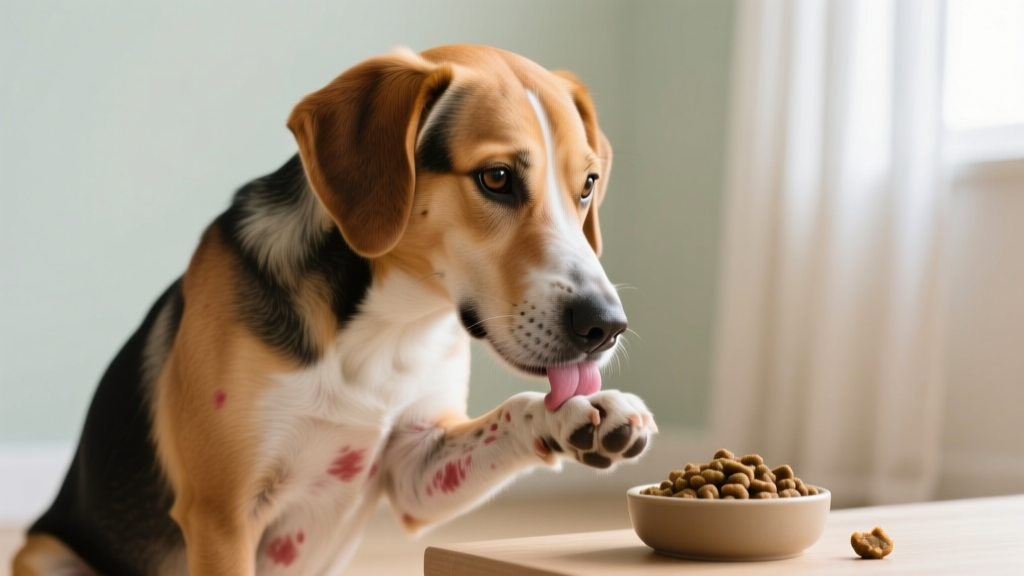
Best Puppy Food in 2026: Vet-Backed Picks & Feeding Guide
Find the best puppy food for your growing dog with vet-backed picks, AAFCO label tips, feeding charts by weight, and a safe 10-day transition protocol.

Why Puppy Nutrition Is Non-Negotiable
The first 12 months of a dog's life pack more growth into fewer days than any other life stage. A Great Dane puppy can gain 2–3 pounds per week; a Chihuahua puppy might gain just 2 ounces. Either way, the best puppy food must deliver precise ratios of protein, fat, calcium, and phosphorus to support skeletal development, immune maturation, and brain growth—without triggering obesity or orthopedic disease.
This guide walks through exact nutrient targets, label-reading skills, six 2026-tested product picks with real pricing, and a day-by-day transition schedule so you can switch foods without triggering diarrhea or appetite crashes.
Nutritional Requirements: The Numbers Behind the Best Puppy Food
Puppies are not small adults. The Association of American Feed Control Officials (AAFCO) sets separate nutrient profiles for growth/reproduction and adult maintenance. A food labeled for "all life stages" must meet the stricter growth profile. Here are the minimums and typical targets you should see on a guaranteed analysis:
| Nutrient | AAFCO Minimum (Growth) | Typical Premium Puppy Food | Why It Matters |
|---|---|---|---|
| Crude Protein | 22.0% DM | 26–32% DM | Muscle, organ, and immune tissue development |
| Crude Fat | 8.5% DM | 14–20% DM | Concentrated energy, fat-soluble vitamins, brain myelination |
| Calcium | 1.2% DM (max 1.8% for large breeds) | 1.2–1.5% DM | Bone mineralization; excess causes developmental orthopedic disease |
| Phosphorus | 1.0% DM | 1.0–1.3% DM | Works with calcium; Ca:P ratio should stay 1.1:1 to 1.4:1 |
| DHA (Omega-3) | 0.05% DM | 0.05–0.15% DM | Retinal and cognitive development |
| Calories (metabolizable energy) | — | 380–450 kcal/cup | Puppies need 2–3× the resting energy of adults per pound |
Calorie targets by expected adult weight (daily totals, divided into 3–4 meals until 6 months, then 2 meals):
- Toy breeds (under 12 lb adult): 200–400 kcal/day at 12 weeks; 350–550 kcal/day at 6 months
- Small breeds (12–25 lb): 400–650 kcal/day at 12 weeks; 550–800 kcal/day at 6 months
- Medium breeds (25–60 lb): 600–1,000 kcal/day at 12 weeks; 900–1,300 kcal/day at 6 months
- Large breeds (60–100 lb): 1,000–1,500 kcal/day at 12 weeks; 1,400–1,800 kcal/day at 6 months
- Giant breeds (over 100 lb): 1,400–2,000 kcal/day at 12 weeks; 1,800–2,400 kcal/day at 6 months
These are starting points. Adjust ±10–15% based on body condition score (BCS), stool quality, and growth curve. According to the Merck Veterinary Manual, large and giant breed puppies should be fed a calorie-dense but calcium-controlled diet (≤1.5% DM calcium, ≤3.5 kcal/g) to reduce hip dysplasia and osteochondrosis risk.
How to Read a Puppy Food Label Like a Vet Nutritionist
The 5-Point AAFCO Label Checklist
- AAFCO statement: Look for "formulated to meet the nutritional levels established by the AAFCO Dog Food Nutrient Profiles for growth" or "all life stages." Avoid foods that only claim "adult maintenance."
- First ingredient: A named animal protein (chicken, lamb, salmon)—not "meat by-products" or "animal digest." Fresh meat contains ~75% water, so a named meat meal (e.g., chicken meal) listed second is a good sign of protein density.
- Named fat source: "Chicken fat" or "sunflower oil" beats generic "animal fat" or "vegetable oil," which can vary batch to batch.
- Carbohydrate quality: Whole grains (brown rice, oats, barley) or single starches (sweet potato) are preferable to vague "cereal grain fines" or multiple split legumes (peas, pea flour, pea protein) stacked to inflate plant protein.
- Added DHA/EPA: Should appear in the guaranteed analysis or ingredient list as fish oil, algae oil, or salmon oil. Plant-based ALA (flax) converts poorly in dogs—less than 10% reaches the tissues as DHA.
Best Puppy Food Picks for 2026: Six Tested Options
These picks reflect current retail pricing (Q1 2026), AAFCO growth compliance, and ingredient quality. Prices are for 25–30 lb bags unless noted. Always consult your veterinarian to match a food to your puppy's breed, size, and any comorbidities.
1. Purina Pro Plan Large Breed Puppy Focus
- Best for: Large and giant breeds (expected adult weight 50+ lb)
- Protein/Fat: 28% / 13% (as fed)
- Calcium: ~1.2% DM (controlled for skeletal safety)
- Key features: DHA from fish oil, glucosamine, rice-based carb profile (low legume content—relevant given FDA's grain-free/DCM investigation)
- Price range: $55–$70 for 34 lb bag
2. Royal Canin Size Health Nutrition Puppy (Medium)
- Best for: Medium breeds (22–55 lb adult) with picky appetites
- Protein/Fat: 28% / 18% (as fed)
- Key features: Kibble shape calibrated to medium-breed jaws, prebiotic fiber (MOS), L-carnitine for lean growth
- Price range: $70–$85 for 30 lb bag
3. Hill's Science Diet Puppy Healthy Development
- Best for: First-time owners who want clinical backing
- Protein/Fat: 25.9% / 16.3% (as fed)
- Key features: Feeding trials completed (not just formulation), DHA from fish oil, no artificial colors
- Price range: $60–$78 for 27.5 lb bag
4. Orijen Puppy (Champion Petfoods)
- Best for: Owners prioritizing whole-food ingredients and high protein
- Protein/Fat: 38% / 20% (as fed)
- Key features: 85% animal ingredients (free-run poultry, wild-caught fish), freeze-dried coated kibble, WholePrey ratios (organs + cartilage)
- Price range: $95–$115 for 25 lb bag
5. Wellness Complete Health Puppy (Deboned Chicken, Oatmeal & Salmon)
- Best for: Budget-conscious buyers who still want named proteins
- Protein/Fat: 28% / 16% (as fed)
- Key features: No meat by-products, added DHA, probiotics (Enterococcus faecium), USA-made
- Price range: $48–$62 for 26 lb bag
6. Nom Nom Fresh Puppy Recipe (gently cooked, refrigerated)
- Best for: Puppies with food sensitivities or owners preferring fresh food
- Protein/Fat: ~30% / ~14% DM (varies by recipe)
- Key features: Human-grade ingredients, AAFCO growth-compliant, portioned by weight, subscription delivery
- Price range: $4–$8/day for a 20 lb puppy (subscription pricing)
How Much Should I Feed My Puppy? (Weight-Based Calculator)
Use this table as a starting framework. Adjust based on body condition score, activity level, and growth trajectory. Neutered puppies (typically 6–9 months) often need 10–20% fewer calories post-surgery due to metabolic slowdown.
| Current Puppy Weight | 8–12 Weeks | 3–6 Months | 6–12 Months |
|---|---|---|---|
| 5 lb / 2.3 kg | ¾ – 1 cup (3 meals) | 1 – 1¼ cups (3 meals) | 1 – 1½ cups (2 meals) |
| 15 lb / 6.8 kg | 1½ – 2 cups (3 meals) | 2 – 2¾ cups (3 meals) | 2 – 3 cups (2 meals) |
| 30 lb / 13.6 kg | 2½ – 3 cups (3 meals) | 3½ – 4½ cups (3 meals) | 3½ – 5 cups (2 meals) |
| 50 lb / 22.7 kg | 3½ – 4 cups (3 meals) | 4½ – 6 cups (3 meals) | 4½ – 6½ cups (2 meals) |
| 75 lb / 34 kg | 4 – 5 cups (3 meals) | 5½ – 7 cups (3 meals) | 6 – 8 cups (2 meals) |
Adjustment factors:
- Highly active working/sport puppies: add 10–20%
- Cold-weather outdoor breeds (Huskies, Malamutes): add 10–15% in winter
- Post-spay/neuter: reduce 10–20% and monitor BCS weekly
- Overweight-trending (BCS 6+/9): reduce 10% and reassess in 2 weeks
Ingredients to Avoid in Puppy Food
Not all "fillers" are bad—corn and wheat, for example, are digestible and nutritionally valid when properly processed. But these ingredients should trigger a pass:
- Unnamed meat sources: "meat by-products," "animal digest," "poultry by-product meal"—these lack traceability and can vary nutritionally batch to batch.
- Artificial preservatives: BHA, BHT, ethoxyquin. Look for mixed tocopherols (vitamin E) instead.
- Added sugars and propylene glycol: Palatability boosters that add empty calories and, in propylene glycol's case, can cause Heinz body anemia in cats (less risk in dogs, but still unnecessary).
- Excessive legume stacking: Peas, lentils, chickpeas, and pea protein listed in the top 5 ingredients have been flagged by the FDA's ongoing DCM investigation. Correlation isn't causation, but caution is warranted for growing puppies.
- Raw diets for puppies: The AVMA, FDA, and CDC all warn against raw meat diets for puppies due to Salmonella, Listeria, and Campylobacter risk—plus the difficulty of balancing calcium and vitamin D at home. If you pursue raw or home-cooked, work with a board-certified veterinary nutritionist (ACVN).
Homemade Puppy Diets: What You Need to Know Before Cooking
A 2013 UC Davis study found that 95% of homemade dog food recipes (many sourced from pet books and websites) had at least one essential nutrient deficiency, and 83.5% had multiple deficiencies. Puppies are far less forgiving than adults—calcium-phosphorus imbalance can cause irreversible angular limb deformities within weeks.
If you want to home-cook:
- Consult a DACVN (Diplomate of the American College of Veterinary Nutrition) to formulate a recipe. Expect to pay $150–$350 for a custom recipe and follow-up.
- Use a veterinary-formulated supplement (e.g., Balance IT Canine, Hilary's Blend) to close nutrient gaps.
- Never rely on internet recipes without independent lab analysis.
- Recheck bloodwork and body condition every 4–6 weeks during the first year.
A sample vet-formulated cooked recipe (for illustration only—do not use without nutritionist approval): 55% lean cooked chicken thigh, 25% cooked white rice, 15% steamed carrots/green beans, 5% chicken liver, plus a calcium carbonate and trace mineral supplement calibrated to the batch weight.
How to Switch Your Puppy to a New Food: The 7–10 Day Transition
Sudden food changes disrupt the gut microbiome and commonly cause loose stools, vomiting, or appetite refusal. Use this graduated schedule:
| Day | Old Food % | New Food % | Notes |
|---|---|---|---|
| Days 1–2 | 75% | 25% | Mix thoroughly; warm slightly to boost aroma |
| Days 3–4 | 50% | 50% | Watch for soft stool—hold at this stage an extra day if needed |
| Days 5–6 | 25% | 75% | Appetite may dip; this is normal |
| Days 7–8 | 10% | 90% | Final blend before full switch |
| Days 9–10 | 0% | 100% | Monitor stool, energy, and coat over the next 2 weeks |
Pro tips: Add ½ teaspoon of plain canned pumpkin (not pie filling) per 10 lb body weight during transition to firm stool. If diarrhea persists beyond 48 hours at any stage, pause the transition and consult your vet.
Does My Puppy Need Supplements?
If you're feeding a complete and balanced AAFCO growth-formula commercial food, additional supplements are usually unnecessary—and can be harmful. Excess calcium in large breeds, for example, dramatically increases osteochondrosis and hip dysplasia risk.
Situations where your veterinarian may recommend targeted supplementation:
- Fish oil (EPA/DHA): 50–100 mg combined EPA+DHA per kg body weight daily for puppies with dry coat, mild skin allergies, or joint-predisposed breeds. Do not exceed 300 mg/kg—high doses impair clotting.
- Probiotics: During antibiotic courses, post-deworming GI upset, or stress events (travel, boarding). Look for products with guaranteed CFU counts (e.g., Purina FortiFlora, Proviable-DC).
- Glucosamine/chondroitin: Generally not needed before 12 months unless your vet identifies early joint concerns. If used, dose at 20 mg/kg glucosamine daily.
- Vitamin D or calcium: NEVER supplement without veterinary bloodwork guidance. Toxicity causes soft-tissue mineralization and kidney damage.
Monitoring Success: How to Know the Food Is Working
The 4-Point Puppy Health Check
- Body Condition Score (BCS): Use the 9-point Purina scale. Ideal is 4–5/9: ribs easily felt with light pressure but not visible; waist visible from above; abdominal tuck present from the side. Puppies can drift to 6/9 easily—adjust portions immediately.
- Stool quality: Firm, segmented, chocolate-brown, picked up cleanly. Score 2–3 on the 7-point fecal scoring chart. Persistent soft stool (score 4+), mucus, or undigested kibble after 2 weeks on a food suggests intolerance.
- Coat and skin: Glossy, soft, minimal flaking, no hotspots. Dull, brittle, or greasy coat after 6–8 weeks on a food points to fatty acid imbalance.
- Energy and growth curve: Puppies should have bursts of high energy followed by deep sleep. Plot weight weekly against breed-specific growth charts (AKC and WSAVA publish these). Steady gain without sudden plateaus or spikes indicates appropriate caloric intake.
Frequently Asked Questions
What is the best puppy food for large breeds?
Large breed puppies (expected adult weight over 50 lb) need a food specifically formulated for large-breed growth—meaning calcium capped at 1.5% DM and calories around 3.5 kcal/g or less. Purina Pro Plan Large Breed Puppy, Royal Canin Giant Puppy, and Hill's Science Diet Large Breed Puppy all meet these criteria. The goal is slow, steady growth to protect developing joints.
How often should I feed my puppy?
8–12 weeks: 3–4 meals per day. 3–6 months: 3 meals per day. 6–12 months: 2 meals per day. Toy breeds (under 10 lb) may need 4 meals longer to prevent hypoglycemia. Free-feeding is not recommended—it masks appetite changes that signal illness.
Can I feed my puppy adult dog food?
No. Adult maintenance formulas are too low in protein, fat, calcium, and DHA for growing puppies. Feeding adult food to a puppy can cause stunted growth, poor bone density, and cognitive deficits. Switch to adult food only when growth plateaus—typically 10–12 months for small breeds, 18–24 months for giant breeds.
Is grain-free puppy food safe?
The FDA's DCM investigation (updated 2023, still referenced in 2026 guidance) found a correlation between grain-free diets high in peas, lentils, and potatoes and dilated cardiomyopathy in dogs not genetically predisposed. Until the mechanism is fully understood, most veterinary nutritionists recommend grain-inclusive diets for puppies unless a diagnosed grain allergy (rare—true food allergies are usually to proteins, not grains) warrants an elimination trial.
My puppy has loose stool on the new food—what do I do?
If stool is soft but formed and your puppy is otherwise energetic, add plain canned pumpkin (½ tsp per 10 lb body weight) and slow the transition by holding at the current mix ratio 2–3 extra days. If stool is watery, contains blood, or persists beyond 48 hours, contact your veterinarian. Puppies dehydrate quickly.
How do I know if my puppy is getting enough food?
Track weight weekly and plot it on a breed-appropriate growth chart. An ideal puppy should have palpable (not visible) ribs, a visible waist, and steady weight gain. If your puppy's BCS drops below 4/9 or weight gain stalls for 2+ weeks, increase portions by 10% and recheck in 7 days. Always rule out parasites (common in puppies) with a fecal test before assuming it's a calorie issue.
This article is for informational purposes only and does not replace professional veterinary advice. Always consult your veterinarian before making significant dietary changes, especially for puppies with diagnosed health conditions, breed-specific risks, or food allergies.
Dr. Hannah Wickes
All our authors care for dogs every day — read more of their work on the authors page.