Best Over the Counter Flea Treatment for Dogs: Complete 2026 Guide
Find the best over the counter flea treatment for dogs with expert-backed product comparisons, dosage data, and prevention strategies for 2026.
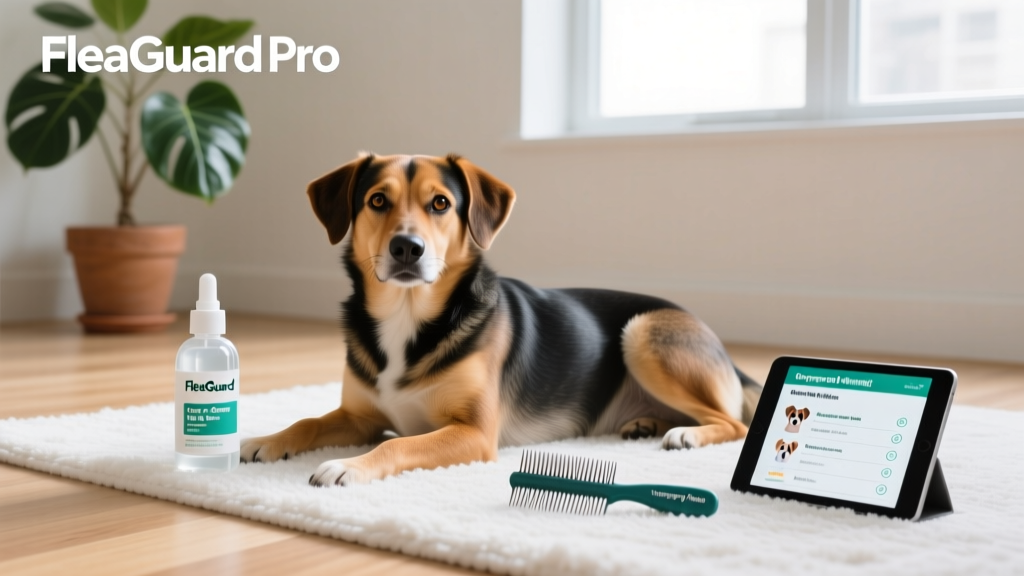
Spotting Fleas: Visual Identification and Where to Look
Adult fleas (Ctenocephalides felis, the cat flea — which, despite the name, is the primary flea species found on dogs in North America) are tiny, measuring roughly 1.5–3.3 mm in length. They appear dark brown to reddish-brown, are wingless, and have laterally flattened bodies designed to slip between hairs. Their powerful hind legs allow them to jump up to 7 inches vertically.
Flea Identification Checklist
| Feature | Description |
|---|---|
| Size | 1.5–3.3 mm (roughly the size of a pinhead to a small sesame seed) |
| Color | Dark brown to reddish-brown; may appear nearly black when engorged |
| Shape | Laterally flattened (side-to-side), oval when viewed from above |
| Movement | Rapid, darting through coat; jumps when disturbed |
| Common locations on dog | Base of tail, groin, inner thighs, belly, armpits, neck |
| Evidence even without seeing adults | Flea dirt (black specks that turn red when moistened on a paper towel) |
To check for fleas, use a fine-toothed flea comb over a white surface. Part the fur in the areas listed above and look for adult fleas, flea dirt, or eggs (tiny white ovals, about 0.5 mm, that resemble grains of salt). According to the Merck Veterinary Manual, flea dirt is often the first visible sign of infestation, appearing before you ever spot a live adult.
The Flea Life Cycle: Why One Treatment Is Never Enough
Understanding the flea life cycle is critical because adult fleas on your dog represent only about 5% of the total flea population in your home. The remaining 95% exists as eggs, larvae, and pupae in the environment.
Stage Breakdown
- Egg (2–12 days): A single female flea can lay 20–50 eggs per day after her first blood meal. Eggs are non-adhesive and fall off the dog into carpet, bedding, and yard soil. They hatch in 2–12 days depending on temperature and humidity (optimal: 65–80°F / 18–27°C, 70–85% humidity).
- Larva (5–21 days): Maggot-like larvae (4–5 mm, white/translucent with brown head capsules) avoid light and burrow deep into carpet fibers, under furniture, and into cracks. They feed on flea dirt (digested blood in adult feces) and organic debris. This stage lasts 5–21 days.
- Pupa (5 days–5 months): The larva spins a sticky cocoon that camouflages with dust and debris. The pupa is the most resilient stage — resistant to insecticides, vacuuming, and environmental extremes. The adult can emerge in as few as 5 days or remain dormant for up to 5 months, waiting for vibration, warmth, or CO₂ signals that a host is near.
- Adult (2–3 months on host): Once emerged, the adult flea must find a host within days or it dies. After the first blood meal (within 24 hours of finding a host), females begin laying eggs within 24–48 hours. Adults live 2–3 months on a host, occasionally longer.
This life cycle explains why treating your dog alone is insufficient. You must simultaneously break the cycle at multiple stages — killing adults on the pet, preventing egg production, and addressing environmental stages. The Companion Animal Parasite Council (CAPC) recommends year-round flea prevention for this reason.
How Dogs Get Fleas: Transmission Routes
Fleas are not picky about how they find a host. Common transmission routes include:
- Environment: Flea eggs and pupae persist in carpets, upholstery, pet bedding, garages, and yards. Your dog picks them up simply by walking through infested areas. Pupae can remain dormant for months, meaning a previously "clean" house can suddenly produce an outbreak.
- Other animals: Contact with infested dogs, cats, rabbits, opossums, raccoons, or feral cats introduces fleas. Wildlife visiting your yard (especially under decks and porches) seeds the environment.
- Grooming/boarding facilities: Multi-pet environments can be sources if hygiene protocols are inconsistent.
- Used furniture or rugs: Bringing in second-hand items that harbor pupae can introduce fleas to a previously clean home.
Indoor-only dogs are not immune. Fleas can hitch a ride on your clothing or shoes, and pupae can activate months after you move into a new home where previous tenants had pets.
Symptoms by Severity: From Mild Itch to Veterinary Emergency
| Infestation Level | Symptoms | What You'll Observe |
|---|---|---|
| Mild (1–10 fleas) | Occasional scratching, biting at base of tail | May see 1–2 adult fleas or flea dirt on comb; dog otherwise comfortable |
| Moderate (10–50 fleas) | Frequent scratching, licking, chewing; mild hair loss; reddened skin | Visible flea dirt clusters; hot spots possible; restlessness, especially at night |
| Heavy (50+ fleas) | Intense pruritus, widespread hair loss, secondary bacterial/yeast infections, open sores | Adult fleas clearly visible; dog may be unable to rest; skin thickened and hyperpigmented |
| Flea Allergy Dermatitis (FAD) | Severe reaction to flea saliva — even 1 bite triggers intense itching | Disproportionate symptoms relative to flea count; concentrated on lower back, tail base, hind legs |
| Anemia (heavy burden in small/young dogs) | Pale gums, lethargy, weakness, rapid heart rate | Emergency — puppies, toy breeds, and debilitated dogs can develop life-threatening anemia from heavy flea burdens |
- Your puppy or small-breed dog has pale gums and lethargy alongside fleas (anemia risk)
- Your dog has open, oozing sores or a foul odor from the skin (secondary infection)
- You notice tapeworm segments (rice-grain-like pieces) in stool or around the anus
- OTC treatments fail after 2–3 applications and symptoms persist
Health Risks: Diseases and Complications From Fleas
Fleas are more than a nuisance — they are vectors and intermediate hosts for several conditions:
- Tapeworms (Dipylidium caninum): Flea larvae ingest tapeworm eggs. When your dog bites or swallows an infected flea during grooming, the tapeworm matures in the intestine. Tapeworms rarely cause serious illness but are unpleasant and require treatment (praziquantel, available OTC and by prescription).
- Flea Allergy Dermatitis (FAD): One of the most common allergic skin diseases in dogs. Dogs with FAD react to proteins in flea saliva, causing intense itching that can persist for days after a single bite. FAD requires veterinary management alongside flea elimination.
- Bartonellosis (Bartonella henselae): Fleas transmit this bacterium, which can cause endocarditis, hepatitis, and lymph node enlargement in dogs. It is also zoonotic — humans can contract cat scratch disease from flea feces contaminating scratches.
- Anemia: A single flea consumes approximately 13.6 microliters of blood per day. In puppies under 10 lb (4.5 kg) or debilitated dogs, heavy infestations (50+ fleas) can cause clinically significant blood loss.
- Mycoplasma haemocanis: A blood parasite transmitted by fleas that can cause hemolytic anemia, particularly in splenectomized or immunocompromised dogs.
Best Over the Counter Flea Treatment for Dogs: Treatment Protocol
Step-by-Step Flea Elimination
- Day 1 — Apply fast-kill adulticide: Use an OTC oral product containing nitenpyram (Capstar or generic equivalent) for rapid knockdown. Nitenpyram kills adult fleas within 30 minutes and continues working for 24 hours. This is a short-acting "rescue" product — it does not provide ongoing protection. Cost: approximately $10–$15 per dose for a 25 lb dog.
- Day 1–2 — Bathe with a flea shampoo: Use a pyrethrin-based or d-limonene shampoo to remove fleas, flea dirt, and eggs from the coat. Bathing alone does not prevent reinfestation but provides immediate relief. Note: wait 48 hours after bathing before applying a topical spot-on treatment, as natural skin oils are needed for spread.
- Day 1 — Begin a long-acting preventive: Apply or administer a monthly product that kills adults and/or disrupts the life cycle (insect growth regulators like lufenuron, methoprene, or pyriproxyfen). See the comparison table below for OTC options.
- Day 1 — Treat the environment simultaneously: See the environmental control section below.
- Days 14–30 — Monitor and re-evaluate: Continue combing weekly. Expect to see some fleas for 2–4 weeks as pupae emerge. Do not reapply monthly products early — instead, use nitenpyram as needed for breakthrough adults between applications.
- Monthly ongoing — Maintain prevention: Continue monthly applications year-round. The CAPC recommends 12-month prevention regardless of climate.
OTC vs. Prescription: Efficacy Comparison
| Category | Active Ingredients (Examples) | Speed of Kill | Duration | Typical Cost per Dose |
|---|---|---|---|---|
| OTC Oral — Short-Acting | Nitenpyram (Capstar) | 30 minutes | 24 hours | $8–$15 |
| OTC Topical | Fipronil + (S)-methoprene (Frontline Plus generics), Imidacloprid + permethrin (K9 Advantix II) | 12–24 hours | 30 days | $8–$15 |
| OTC Collar | Imidacloprid + flumethrin (Seresto) | 24 hours | Up to 8 months | $50–$65 (one-time) |
| Prescription Oral | Spinosad + milbemycin (Trifexis), Afoxolaner (NexGard), Sarolaner + moxidectin (Simparica Trio), Lotilaner (Credelio) | 4–8 hours (isoxazolines) | 30 days | $18–$30 |
| Prescription Topical | Selamectin + sarolaner (Revolution Plus), Fluralaner (Bravecto topical) | 8–12 hours | 30–90 days | $20–$35 |
Key difference: Prescription isoxazoline-class oral medications (NexGard, Bravecto, Credelio, Simparica) typically achieve faster and more complete flea kills than most OTC topicals, and they are not affected by bathing or swimming. However, OTC products containing fipronil or imidacloprid remain effective choices for many dogs and are more accessible. Consult your veterinarian to determine which class is appropriate for your dog's health status — isoxazolines carry a seizure risk warning in dogs with a history of neurological disorders.
Prevention Products Comparison Table
| Product Type | Example Products | Active Ingredients | Flea Life Stages Targeted | Duration | Water Resistance | Notes |
|---|---|---|---|---|---|---|
| Topical Spot-On | Frontline Plus (generic: PetArmor Plus) | Fipronil + (S)-methoprene | Adults + eggs/larvae (IGR) | 30 days | Waterfast after 48 hrs; frequent swimming may reduce efficacy | Apply between shoulder blades; do not bathe 48 hrs before/after |
| Topical Spot-On | K9 Advantix II | Imidacloprid + permethrin + pyriproxyfen | Adults + eggs/larvae (IGR); repels ticks, mosquitoes | 30 days | Waterfast after application dries | TOXIC TO CATS — permethrin is lethal to cats. Do not use in multi-pet cat households without strict separation |
| Oral (OTC) | Capstar | Nitenpyram | Adults only | 24 hours | N/A (oral) | Rapid knockdown; not a standalone preventive; use alongside monthly product |
| Collar | Seresto | Imidacloprid 10% + flumethrin 4.5% | Adults + larvae (repels and kills ticks) | Up to 8 months | Water-resistant; monthly bathing may shorten duration to 5–7 months | Fits dogs 8 weeks+; remove during grooming/bathing for best longevity |
| Oral (OTC chewable) | Various generic lufenuron products | Lufenuron | Eggs/larvae only (IGR — does not kill adults) | 30 days | N/A (oral) | Must be combined with an adulticide; does not eliminate existing adults |
| Spray | Vet's Best Flea & Tick Spray (OTC) | Peppermint oil + eugenol (clove oil) | Adults (contact kill/repellent) | Hours (reapply frequently) | Not water-resistant | Natural option with limited residual efficacy; not suitable as sole preventive for heavy infestations. Eugenol is toxic to cats. |
Environmental Control: Treating Your Home and Yard
Skipping environmental treatment is the single most common reason flea control fails. Here is a protocol:
Indoor Treatment
- Vacuum thoroughly — carpets, rugs, upholstery, under furniture, along baseboards, and in pet sleeping areas. Vacuuming removes up to 90% of eggs and stimulates pupae to emerge (making them vulnerable to treatment). Immediately dispose of the vacuum bag or empty the canister into an outdoor trash bin.
- Wash all pet bedding in hot water (at least 140°F / 60°C) and dry on high heat for at least 20 minutes. Repeat weekly for 3–4 weeks.
- Apply an indoor insect growth regulator (IGR) spray containing methoprene or pyriproxyfen (e.g., Precor 2000 Plus, Martin's IGR). These prevent eggs and larvae from developing for up to 7 months. Cost: $15–$25 per can, covers approximately 2,000 sq ft. Focus on areas where your dog spends the most time.
- Consider a professional pest control treatment if the infestation is severe or persists after 4–6 weeks of DIY efforts. Professional treatment typically costs $150–$350 for a single-family home.
Yard Treatment
- Identify flea hot spots: Shaded, humid areas where your dog rests — under decks, porches, doghouses, and shrubs. Flea larvae cannot survive in direct sunlight or dry, hot areas.
- Apply outdoor IGR granules or spray containing pyriproxyfen or methoprene. Products like Martin's IGR Yard Spray ($20–$30) cover up to 5,000 sq ft and remain active for 4–6 weeks.
- Mow grass short and remove leaf litter to reduce shade and humidity in flea-prone zones.
- Discourage wildlife: Secure trash cans, seal crawl spaces under decks, and consider motion-activated sprinklers to deter opossums, raccoons, and feral cats that carry fleas into your yard.
Seasonal Risk Calendar: When Fleas Peak by Region
| Region | Peak Flea Season | Moderate Risk | Low Risk |
|---|---|---|---|
| Southeast US (FL, GA, AL, MS, LA, TX Gulf) | Year-round (no true off-season) | — | — |
| Pacific Northwest (WA, OR) | July–November | April–June | December–March |
| Northeast US (NY, MA, PA, NJ) | August–October | May–July, November | December–April |
| Midwest US (IL, OH, MI, MN) | July–October | May–June | November–April |
| Southwest US (AZ, NM, SoCal inland) | Year-round in low desert; June–October at higher elevation | Varies | Varies by altitude |
| Mountain West (CO, UT, MT, WY) | July–September | June, October | November–May |
Important: Indoor environments maintain flea-friendly temperatures (65–80°F) year-round. Even in "low risk" months, fleas can thrive indoors. The CAPC and AVMA recommend year-round prevention for all dogs, regardless of geography.
Zoonotic Potential: Can Humans Get Fleas From Dogs?
Yes, with caveats. Dog fleas (C. felis) can bite humans, causing itchy red papules typically around the ankles and lower legs. However, fleas strongly prefer canine hosts and will not establish a sustained infestation on humans. The bites resolve on their own in most people within a few days.
The more significant zoonotic concern is Bartonella henselae, which fleas transmit between animals. Humans can contract cat scratch disease (CSD) when flea feces contaminate a scratch or bite wound from an infected animal. Symptoms in humans include fever, swollen lymph nodes, and fatigue. In immunocompromised individuals, Bartonella can cause more serious conditions (bacillary angiomatosis, endocarditis). According to the CDC, approximately 12,000 cases of CSD are diagnosed in the US annually.
Tapeworms (D. caninum) can theoretically infect humans (most often children who accidentally ingest an infected flea), though this is rare. Flea control eliminates this risk.
Frequently Asked Questions
How do I know if my dog has fleas?
Use a fine-toothed flea comb on your dog's belly, groin, and base of tail over a white surface. Look for adult fleas (dark brown, 1–3 mm, fast-moving) or flea dirt (black specks that turn reddish-brown when placed on a damp paper towel). Excessive scratching, biting at the hindquarters, and hair loss in these areas are strong behavioral indicators.
How do dogs get fleas?
Dogs pick up fleas from infested environments (carpets, yards, kennels), contact with other infested animals, or from wildlife (opossums, raccoons, feral cats) that visit your yard. Flea pupae can remain dormant in a home for months, activating when a new host arrives — so even newly adopted dogs or dogs in new homes can suddenly show fleas.
What are the best prevention products?
For OTC options, fipronil + (S)-methoprene topicals (Frontline Plus and generics), Seresto collars (imidacloprid + flumethrin, lasting up to 8 months), and K9 Advantix II (imidacloprid + permethrin — not for homes with cats) are well-established choices. For prescription options, isoxazoline-class oral medications (NexGard, Bravecto, Simparica, Credelio) offer faster kill times and are unaffected by bathing. Consult your veterinarian to choose the right product for your dog's size, health history, and lifestyle.
How do I treat a flea infestation?
Use a three-pronged approach: (1) Kill adults on your dog with a fast-acting product like nitenpyram (Capstar) for immediate relief, then start a monthly long-acting preventive. (2) Treat your home with thorough vacuuming, hot-washing bedding, and applying an IGR spray. (3) Treat your yard with outdoor IGR products and reduce shaded, humid areas. Continue all treatments for at least 3–4 months to fully break the flea life cycle.
Can fleas spread to humans or other pets?
Fleas can bite humans (causing itchy ankle bites) and will readily move between dogs and cats in the same household. All pets in the home should be treated simultaneously, even if only one shows symptoms. The zoonotic disease risk includes Bartonella (cat scratch disease) and, rarely, tapeworm transmission to children.
How often should I treat my dog for fleas?
Monthly for most topical and oral preventives, or every 8 months for Seresto collars. Year-round treatment is recommended by veterinary parasitologists, even in cold climates, because indoor environments support flea survival throughout winter. Nitenpyram (Capstar) can be given as often as daily for breakthrough adults between monthly applications.
Are natural or home remedies effective against fleas?
Some essential oil-based sprays provide short-term repellency but lack the residual efficacy needed to control an established infestation. Products containing eugenol (clove oil) or peppermint oil may kill fleas on contact but evaporate quickly. Diatomaceous earth (food-grade) can help in the environment but is not effective as a sole treatment on dogs and can cause respiratory irritation if inhaled. For proven efficacy, use EPA-registered or FDA-approved products and consult your veterinarian.
My dog had a reaction to a flea treatment — what should I do?
Wash off topical products immediately with mild dish soap and lukewarm water. Contact your veterinarian or the ASPCA Animal Poison Control Center at (888) 426-4435 (24/7, consultation fee applies). Common mild reactions include drooling (from bitter taste), localized skin redness, or temporary lethargy. Severe reactions — tremors, seizures, vomiting, difficulty breathing — require emergency veterinary care.
Disclaimer: This article provides general educational information and is not a substitute for professional veterinary advice. Always consult your veterinarian before starting any new medication or preventive product, especially for puppies under 8 weeks, pregnant or nursing dogs, dogs with seizure disorders, or dogs on other medications.
Tom Renshaw
All our authors care for dogs every day — read more of their work on the authors page.