Best Orthopedic Dog Beds for Joint Support: 2026 Buyer's Guide
Find the best orthopedic dog bed for your pet's joint health.
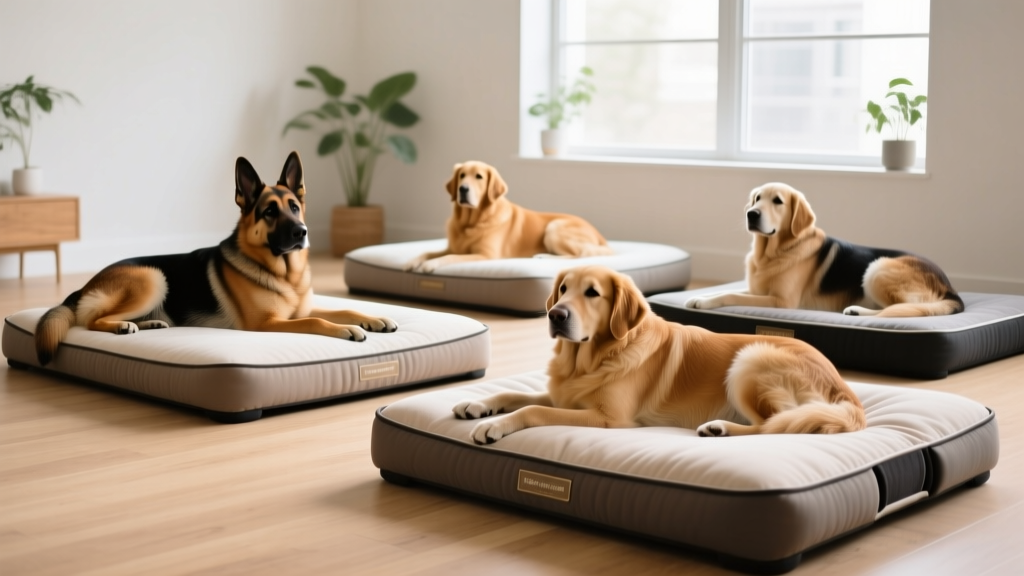
Why an Orthopedic Dog Bed Matters for Joint Health
Dogs spend 12 to 14 hours sleeping each day — and for senior dogs or large breeds prone to hip dysplasia, arthritis, and degenerative joint disease, the surface they rest on directly affects their mobility and pain levels. A quality orthopedic dog bed isn't a luxury upgrade; it's a therapeutic tool that redistributes pressure away from bony prominences (elbows, hips, hocks) and maintains spinal alignment during rest.
According to the Merck Veterinary Manual, osteoarthritis affects an estimated 20% of dogs over one year of age and up to 80% of dogs over eight years old. While an orthopedic bed won't cure joint disease, veterinary rehabilitation specialists consistently recommend pressure-relieving sleep surfaces as part of a multimodal pain management plan alongside weight control, NSAIDs, and physical therapy.
The difference between a standard polyester-fill dog bed and a true orthopedic bed comes down to foam engineering. Genuine orthopedic beds use high-density memory foam (minimum 3 lb/ft³ density) or multi-layer foam systems that contour to the body without bottoming out under a dog's weight. Cheap knockoffs use thin egg-crate foam over a cardboard base — providing zero therapeutic benefit.
How Orthopedic Dog Beds Work: Foam Science Explained
Understanding foam specifications helps you separate real orthopedic support from marketing claims. Here's what matters:
Memory foam (viscoelastic polyurethane) responds to body heat and weight, softening around pressure points while supporting lighter areas. This reduces peak pressure on joints by 30-50% compared to flat polyester-fill beds, based on pressure-mapping studies in canine rehabilitation research. The support layer underneath — typically firmer polyurethane foam — prevents the dog from sinking through to the hard floor.
Some premium beds use open-cell foam structures or gel-infused layers to improve airflow and prevent heat retention, which matters for thick-coated breeds like Bernese Mountain Dogs or Newfoundlands that overheat easily.
Top 7 Orthopedic Dog Beds: Detailed Reviews
1. Big Barker 7" Pillow Top Orthopedic Dog Bed
Price: $239.95 (Medium) – $339.95 (Giant)
Key Features: 7 inches of therapeutic foam (3-layer system: 2" H10 comfort foam + 3" H45 support foam + 2" H10 comfort foam), microfiber suede cover, 10-year "won't flatten" warranty, made in the USA.
Pros:
- Clinically tested — a University of Pennsylvania study found significant improvement in joint pain and mobility in dogs using Big Barker beds over 28 days
- Exceptional durability; foam maintains 90%+ firmness after a decade
- Generous sizing (up to 52" x 36" for giant breeds)
- Machine-washable cover
Cons:
- Premium pricing — most expensive option in this roundup
- No bolstered edge option
- Cover is water-resistant but not fully waterproof
2. Furhaven Orthopedic CertiPUR-US Certified Foam Bed (Luxe Edition)
Price: $44.99 (Medium) – $79.99 (Jumbo Plus)
Key Features: Solid memory foam base (medical-grade), L-shaped bolster design, CertiPUR-US certified, multiple cover styles (plush, cooling, quilted), available in 6 sizes.
Pros:
- Best value — genuine memory foam at under $80
- L-shaped bolster supports head and back simultaneously
- Easy-cover removal with two-zipper design
- Water-resistant foam liner
Cons:
- Foam density (~2.5 lb/ft³) lower than premium options — may compress faster for heavy dogs
- 30-90 day typical lifespan before softening in dogs over 80 lb
- Bolster fill is polyester, not foam
3. PetFusion Ultimate Orthopedic Dog Bed
Price: $129.95 (Large) – $179.95 (XL)
Key Features: 4" solid memory foam base + bolster walls, waterproof inner liner, tear-resistant cover (65% polyester / 35% twill), non-slip bottom, passes stricter European REACH safety standards.
Pros:
- Firm 4" foam provides excellent support for large/giant breeds up to 150 lb
- Full bolster surround gives a sense of security for anxious dogs
- Durable cover holds up to scratching and nesting behavior
- Replacement covers and foam available separately
Cons:
- Bolster reduces usable sleep surface — order one size up
- Heavier than competitors (32 lb for XL) — harder to move
- Initial off-gassing odor for 24-48 hours
4. K9 Ballistics Tough Orthopedic Dog Bed
Price: $195.00 (Medium) – $285.00 (XXL)
Key Features: 5" dual-layer CertiPUR-US foam, 1680-denier ballistic nylon cover (chew-resistant), 120-day chew-proof guarantee, waterproof cover + waterproof foam liner, hidden zipper.
Pros:
- Most durable cover in this roundup — withstands determined chewers
- Dual-layer foam (2" memory + 3" support) balances comfort and firmness
- Chew-proof guarantee covers free replacement if destroyed within 120 days
- Ideal for crates (rectangular sizing matches standard crate dimensions)
Cons:
- Ballistic nylon texture is less plush/soft than microfiber options
- No bolster — flat mattress style only
- Limited color options (black, gray, green)
5. Orvis ToughChew Memory Foam Bolster Bed
Price: $249.00 (Medium) – $349.00 (Large)
Key Features: Dual-density memory foam, ripstop ballistic nylon cover with ToughChew weave, full U-shaped bolster, lifetime cover replacement guarantee if chewed through.
Pros:
- Best bolster design for dogs who need head/neck support
- Orvis's replacement guarantee is genuinely lifetime (not limited)
- High-density foam resists compression even for 100+ lb breeds
- Attractive furniture-grade aesthetic
Cons:
- Highest price point alongside Big Barker
- Cover is water-resistant, not waterproof — not ideal for incontinent senior dogs
- Heavy — difficult to reposition for cleaning
6. Casper Dog Bed
Price: $125.00 (Small) – $175.00 (Large)
Key Features: Two-layer foam system (viscoelastic memory foam + polyurethane support foam), removable bolster inserts, microfiber cover, designed by the same engineers behind Casper's human mattresses.
Pros:
- Engineered using human sleep science principles applied to canine anatomy
- Loose bolster design lets dogs push, burrow, and nest naturally
- Sleek, modern design fits contemporary home decor
- Lightweight and easy to move
Cons:
- Only 2.5" of foam — insufficient for dogs over 70 lb with significant joint issues
- Bolster is polyester fill, not supportive foam
- No waterproof liner — accidents soak into foam
7. BarkBox Orthopedic Memory Foam Dog Bed
Price: $39.99 (Medium) – $69.99 (XL)
Key Features: 2" gel memory foam + 2" support foam, water-resistant liner, removable plush cover, available in 4 sizes.
Pros:
- Most affordable genuine memory foam option
- Gel-infused foam runs cooler than standard memory foam
- Lightweight — good for travel or crate use
Cons:
- 4" total thickness is minimum threshold — not enough for giant breeds
- Foam softens noticeably within 6-12 months for dogs over 60 lb
- Cover zipper quality is inconsistent — may break with frequent washing
Orthopedic Dog Bed Comparison Table
| Product | Foam Thickness | Foam Density | Waterproof Liner | Max Dog Weight | Price Range |
|---|---|---|---|---|---|
| Big Barker 7" Pillow Top | 7" (3-layer) | H10/H45 graded | No (water-resistant) | Up to 150+ lb | $240–$340 |
| Furhaven Luxe Edition | 3" solid foam | ~2.5 lb/ft³ | Yes (liner) | Up to 95 lb | $45–$80 |
| PetFusion Ultimate | 4" solid foam | ~3.0 lb/ft³ | Yes (full liner) | Up to 150 lb | $130–$180 |
| K9 Ballistics Tough | 5" (dual-layer) | CertiPUR-US | Yes (cover + liner) | Up to 150+ lb | $195–$285 |
| Orvis ToughChew Bolster | 4" dual-density | High-density | No (water-resistant) | Up to 120 lb | $249–$349 |
| Casper Dog Bed | 2.5" (dual-layer) | Not disclosed | No | Up to 70 lb | $125–$175 |
| BarkBox Orthopedic | 4" (gel + support) | ~2.5 lb/ft³ | Yes (liner) | Up to 90 lb | $40–$70 |
How to Use an Orthopedic Dog Bed for Maximum Benefit
Buying the right bed is only half the equation. Proper placement and introduction determine whether your dog actually uses it — and whether it delivers therapeutic results.
Step-by-Step Setup and Introduction
- Choose placement carefully. Position the bed in a quiet, draft-free area where your dog already naturally rests. Avoid high-traffic hallways or spots near heating vents (overheating negates cooling foam benefits). For dogs with arthritis, place the bed on the same floor level as family activity — isolation increases anxiety and reduces use.
- Unbox and air out for 24-48 hours. Compressed memory foam needs time to fully expand and off-gas volatile organic compounds (VOCs). Place it in a well-ventilated room before introducing your dog. CertiPUR-US foams have low VOC emissions, but a brief airing period eliminates any residual odor.
- Transfer familiar scents. Place your dog's existing blanket or a worn t-shirt on the new bed. Dogs rely heavily on scent for comfort — a sterile, new-smelling bed may be avoided for days without familiar olfactory cues.
- Use positive reinforcement to encourage use. Toss high-value treats onto the bed and reward your dog for stepping on it. Feed meals on the bed for the first week. Never force your dog onto the bed or use it as a time-out location — this creates negative associations.
- Monitor for the first 2 weeks. Check whether your dog is using the bed for extended rest periods (not just brief sits). If they consistently avoid it, try repositioning or adding a familiar blanket. Some dogs prefer cooler surfaces — if your dog pants or moves off the bed after 10-15 minutes, consider a cooling gel topper or switching to a raised cot-style bed.
- Establish a washing schedule. Remove and machine-wash the cover every 1-2 weeks (or immediately after accidents). Foam bases should be spot-cleaned with enzymatic cleaner and aired monthly. A waterproof liner between the foam and cover extends foam lifespan significantly.
Safety Considerations and Warnings
Important Safety Notes
- Chewing hazard: If your dog is a destructive chewer, memory foam ingestion can cause gastrointestinal blockage requiring emergency surgery ($2,000–$5,000). Choose chew-resistant covers (K9 Ballistics, Orvis ToughChew) and supervise initial use. If your dog tears through the cover and exposes foam, remove the bed immediately.
- Heat retention: Memory foam traps body heat. Brachycephalic breeds (Bulldogs, Pugs, Boston Terriers) and thick-coated northern breeds (Huskies, Malamutes) are at higher risk of overheating. Choose gel-infused or open-cell foam, and ensure the bed is placed away from direct sunlight and heating sources.
- Slipping hazard: Dogs with hind-leg weakness or IVDD (intervertebral disc disease) can injure themselves further if they slip while getting on or off the bed. Always use beds with non-slip rubberized bases, or place a yoga mat underneath on hardwood floors.
- Chemical safety: Verify CertiPUR-US or OEKO-TEX certification. Uncertified imported foams may contain formaldehyde, heavy metals, or flame retardants linked to endocrine disruption. The ASPCA Animal Poison Control hotline at (888) 426-4435 is available 24/7 if your dog ingests any foam material.
- Incontinence management: For senior dogs with bladder control issues, a waterproof liner is essential. Urine soaking into untreated foam creates persistent odor, bacterial growth, and foam degradation. Use washable waterproof bed pads on top of the cover for easy changes.
Effectiveness Evidence: What the Research Shows
The strongest clinical evidence for orthopedic dog beds comes from a 2018 University of Pennsylvania study (published in the Journal of Veterinary Internal Medicine) evaluating the Big Barker bed. The 28-day study tracked dogs with diagnosed joint pain and found statistically significant improvements in:
- Joint stiffness: 21.3% reduction in morning stiffness scores
- Pain-related behaviors: 22.1% decrease in pain-associated movements during sleep
- Overall mobility: Owners reported noticeable improvement in ability to rise, jump, and climb stairs
While this study was brand-specific, the underlying mechanism — pressure redistribution via high-density viscoelastic foam — is well-established in human orthopedic medicine and applies across quality foam products. The American Veterinary Medical Association recognizes environmental modification (including supportive bedding) as a core component of osteoarthritis management in dogs.
Board-certified veterinary rehabilitation therapists (CCRT or CCRP credentialed) consistently recommend firm, thick foam beds over soft, plush beds for post-surgical recovery (TPLO, FHO, spinal surgery) and chronic joint conditions. The key metric they emphasize: the bed must be thick and dense enough that the dog's joints never contact the floor through the foam.
Pricing Guide: What You Should Expect to Pay
Orthopedic dog bed pricing correlates directly with foam quality, thickness, and cover durability. Here's a realistic breakdown for 2026:
| Tier | Price Range | What You Get | Expected Lifespan |
|---|---|---|---|
| Budget | $35–$70 | 3-4" foam, ~2.5 lb/ft³ density, basic cover, water-resistant liner | 6–18 months before foam compresses |
| Mid-Range | $120–$180 | 4-5" solid memory foam, 3+ lb/ft³ density, durable twill or canvas cover, full waterproof liner | 2–4 years |
| Premium | $195–$350 | 5-7" multi-layer foam systems, ballistic nylon or graded foam, extended warranties (10-year to lifetime) | 5–10+ years |
For large and giant breeds, budget-tier beds are a false economy — a 90 lb Labrador will compress a 2.5 lb/ft³ foam bed within months, leaving you buying replacements twice a year. Investing in a mid-range or premium bed for a large dog typically saves money over a 3-5 year period.
Where to buy: All beds reviewed here are available through the manufacturers' websites, Amazon, and major pet retailers (Chewy, Petco). Buying direct from the manufacturer often provides better warranty coverage and easier returns.
Alternatives to Orthopedic Foam Beds
Not every dog or situation calls for a foam-based orthopedic bed. Here are effective alternatives:
Raised Cooling Cots
Elevated beds (Cooler cot, Kuranda) use a taut mesh fabric stretched over an aluminum or PVC frame. They provide firm, even support with maximum airflow — ideal for hot climates, thick-coated breeds, and outdoor use. They lack the pressure-point contouring of memory foam but eliminate heat retention entirely. Price range: $75–$175.
Veterinary-Grade Pressure-Relief Mattresses
For post-surgical dogs or those with severe mobility impairment, veterinary rehabilitation clinics use medical-grade air-filled or gel mattresses (similar to human hospital beds). Products like the Drybed system or TheraPaw therapeutic mats are available for home use. Price range: $150–$400.
DIY Orthopedic Bed
Budget-conscious owners can build a comparable bed using a CertiPUR-US certified foam mattress topper (3-4" thick, available from bedding retailers for $40–$80) placed inside a heavy-duty canvas cover or zippered duffel bag. Add a waterproof crib mattress protector between the foam and cover. Total cost: $60–$120 for a large dog.
Natural and Eco-Friendly Options
Latex foam beds (natural Dunlop or Talalay latex) offer pressure relief similar to memory foam with better breathability and no off-gassing. Brands like Avocado and Haiku Designs offer pet-sized natural latex beds. Price range: $150–$300. Kapok fiber and organic wool fill beds provide moderate cushioning but lack the firm support of foam — better suited as comfort toppers over a firm base.
When to Skip the Bed and See Your Veterinarian
An orthopedic dog bed is a supportive tool, not a treatment. Certain symptoms require veterinary evaluation before you invest in bedding:
- Sudden onset lameness or reluctance to move — could indicate acute injury (ACL tear, fracture, spinal disc herniation) requiring immediate diagnosis
- Vocalizing (whining, yelping) when lying down or standing up — suggests significant pain that may require prescription NSAIDs (carprofen, meloxicam), gabapentin, or other pain management beyond environmental modification
- Progressive hind-leg weakness or dragging — possible degenerative myelopathy, IVDD, or fibrocartilaginous embolism requiring neurological workup
- Visible joint swelling or heat — could indicate septic arthritis (infection), immune-mediated polyarthritis, or Lyme disease
- Weight loss combined with decreased mobility — may signal systemic illness (cancer, metabolic disease) rather than simple arthritis
Consult your veterinarian before relying solely on an orthopedic bed for a dog showing any of these symptoms. A thorough orthopedic exam, radiographs, and possibly joint fluid analysis are needed to establish a diagnosis and comprehensive treatment plan. Your vet may also recommend adjunctive therapies including physical rehabilitation, acupuncture, Adequan (polysulfated glycosaminoglycan) injections, or surgical intervention.
Frequently Asked Questions
What is the best orthopedic dog bed for dogs?
The best overall orthopedic dog bed depends on your dog's size and needs. For large breeds with significant joint issues, the Big Barker 7" Pillow Top offers clinically validated support and a 10-year warranty. For budget-conscious owners of medium dogs, the Furhaven Luxe Edition delivers genuine memory foam under $80. For destructive chewers, K9 Ballistics Tough is the most durable option. There is no single universally best bed — match foam thickness and density to your dog's weight and condition.
How do I choose the right orthopedic dog bed?
Start with three factors: your dog's weight (determines required foam density and thickness), their primary condition (arthritis vs. post-surgical vs. general comfort), and your environment (hardwood floors need non-slip bases; hot climates need cooling foam or cots). Measure your dog lying fully stretched and add 4-6 inches to determine minimum bed dimensions. For dogs over 50 lb with diagnosed joint disease, prioritize foam thickness (minimum 4") and density (minimum 3 lb/ft³) over aesthetics or price.
How much does an orthopedic dog bed cost?
Genuine orthopedic dog beds range from $40 to $350. Budget options ($40–$70) use thinner, lower-density foam suitable for small dogs or temporary use. Mid-range beds ($120–$180) offer 4-5 inches of quality foam appropriate for most medium-to-large dogs. Premium beds ($195–$350) feature multi-layer foam systems, extended warranties, and heavy-duty covers built to last 5-10+ years. Factor in replacement costs: a $60 bed replaced every 8 months costs more annually than a $250 bed lasting 7 years.
How do I use an orthopedic dog bed safely?
Place the bed on a stable, non-slip surface away from heat sources and direct sunlight. Air out compressed foam for 24-48 hours before use. Ensure the cover fits snugly without loose fabric that could tangle paws. Inspect the bed weekly for foam tears, exposed zippers, or cover damage. For dogs with incontinence, use a waterproof liner and washable pads. If your dog chews through the cover and exposes foam, remove the bed immediately — ingested foam can cause life-threatening intestinal blockage.
Are there natural alternatives to orthopedic dog beds?
Yes. Natural latex foam beds (Dunlop or Talalay latex) provide comparable pressure relief with better breathability and no chemical off-gassing. Raised cooling cots offer firm, even support with maximum airflow. DIY options using CertiPUR-US mattress toppers inside canvas covers can match commercial beds at lower cost. Organic wool or kapok fill beds offer comfort but lack the firm structural support that dogs with joint disease need — use them as toppers over a firm foam base rather than standalone beds.
When should I skip OTC products and see a vet?
See your veterinarian — not a pet store — if your dog shows sudden lameness, vocalizes in pain when moving, has progressive weakness, displays visible joint swelling, or loses weight alongside decreased mobility. These symptoms may indicate conditions requiring prescription medication, surgery, or diagnostic imaging that an orthopedic bed alone cannot address. An orthopedic bed works best as part of a veterinary-directed treatment plan, not as a substitute for professional diagnosis and care.
Robin Maitland
All our authors care for dogs every day — read more of their work on the authors page.


