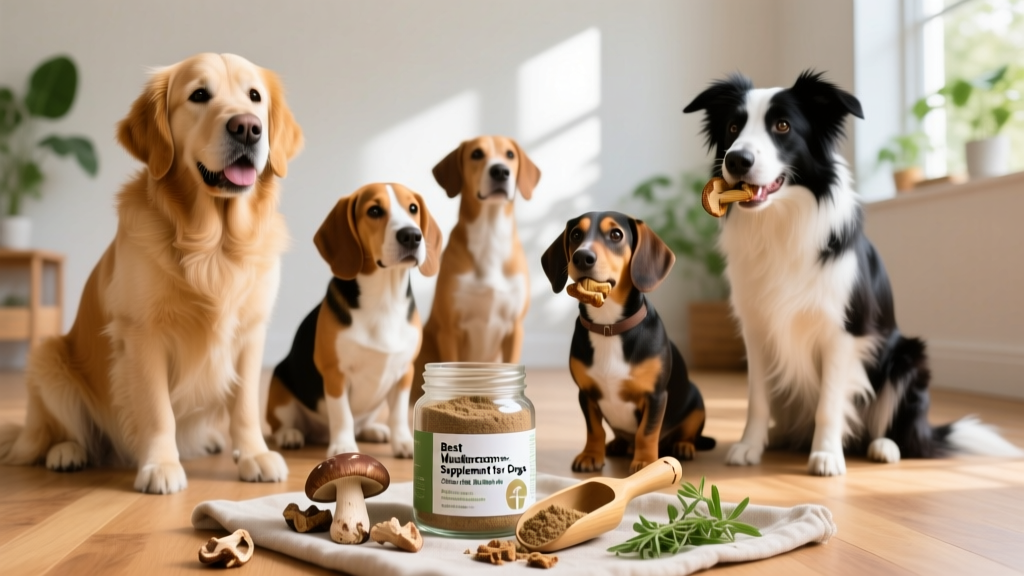
Best Mushroom Supplement for Dogs: 2026 Buyer's Guide & Reviews
Find the best mushroom supplement for dogs with our 2026 guide. Compare top products, pricing, safety tips, and vet-approved recommendations.
Why Mushroom Supplements Matter for Canine Health
Functional mushrooms have moved beyond human wellness trends into evidence-based veterinary care. Unlike culinary mushrooms, medicinal varieties like reishi, turkey tail, lion's mane, and cordyceps contain bioactive compounds—primarily beta-glucans, triterpenes, and polysaccharides—that modulate immune function, reduce inflammation, and support cognitive health in dogs.
Research published in the Journal of Veterinary Internal Medicine demonstrates that turkey tail mushroom (Trametes versicolor) can extend survival times in dogs with hemangiosarcoma when used alongside conventional treatment. While mushroom supplements aren't miracle cures, they offer legitimate adjunctive support for aging dogs, those with chronic conditions, or pets needing immune system reinforcement.
Top Mushroom Supplements for Dogs in 2026
1. Real Mushrooms Dog & Cat Turkey Tail Extract
Price: $39.95 for 60 capsules (30-day supply for 50 lb dog)
Key Features: 100% fruiting body, dual-extracted, certified organic, minimum 30% beta-glucans
- Pros: Transparent COA available, high beta-glucan content, single-ingredient formula, human-grade manufacturing facility
- Cons: Capsule form requires opening for small dogs, higher price point, only turkey tail available (no blends)
2. Four Leaf Rover Defend
Price: $44.99 for 60g powder (45-day supply for 40 lb dog)
Key Features: Six-mushroom blend (turkey tail, reishi, maitake, shiitake, chaga, lion's mane), fruiting body only, dual-extracted
- Pros: Comprehensive immune support, powder mixes easily into food, detailed dosing chart by weight, veterinary-formulated
- Cons: Proprietary blend means individual mushroom ratios undisclosed, strong earthy taste some dogs reject, no single-species options
3. K9 Medicinals Reishi Mushroom Powder
Price: $34.99 for 100g powder (60-day supply for 50 lb dog)
Key Features: Organic reishi fruiting body, hot water extracted, tested for heavy metals
- Pros: Budget-friendly per serving, targets anxiety and inflammation specifically, fine powder dissolves well, longer shelf life
- Cons: Single-extraction method misses triterpenes, limited third-party verification, only available direct from manufacturer
4. Fera Pet Wellness Mushroom Complex
Price: $28.99 for 60 soft chews (30-day supply for 25 lb dog)
Key Features: Five-mushroom blend in palatable chew form, includes prebiotics for absorption, chicken flavored
- Pros: High palatability (dogs treat them as snacks), convenient pre-measured doses, includes digestive support ingredients
- Cons: Lower mushroom concentration per serving, contains additional ingredients (tapioca, glycerin), not suitable for chicken allergies
5. Host Defense MycoDog
Price: $49.99 for 120 capsules (60-day supply for 40 lb dog)
Key Features: Turkey tail and reishi blend, mycelium and fruiting body combination, developed by mycologist Paul Stamets
- Pros: Backed by renowned mycologist research, includes both mycelium compounds and fruiting body benefits, widely available
- Cons: Mycelium on grain dilutes beta-glucan concentration, higher cost per serving, capsule size difficult for small breeds
6. Vital Plan Canine Immune Support
Price: $54.99 for 90ml liquid extract (45-day supply for 50 lb dog)
Key Features: Liquid tincture with coriolus, reishi, and astragalus, alcohol-free glycerin base, rapid absorption
- Pros: Liquid allows precise dosing adjustments, faster bioavailability than capsules, easy to administer to pill-averse dogs
- Cons: Shortest shelf life (12 months), requires refrigeration after opening, highest upfront cost
Product Comparison: Features, Pricing, and Effectiveness
| Product | Form | Mushroom Species | Extraction | Price/30 Days (50 lb dog) | Beta-Glucan % |
|---|---|---|---|---|---|
| Real Mushrooms Turkey Tail | Capsules | Turkey tail only | Dual (water + alcohol) | $39.95 | 30%+ guaranteed |
| Four Leaf Rover Defend | Powder | 6 species blend | Dual | $29.99 | Not disclosed |
| K9 Medicinals Reishi | Powder | Reishi only | Hot water only | $17.50 | Not disclosed |
| Fera Pet Mushroom Complex | Soft chews | 5 species blend | Not specified | $28.99 | Not disclosed |
| Host Defense MycoDog | Capsules | Turkey tail + reishi | Not specified | $24.99 | Not disclosed |
| Vital Plan Immune Support | Liquid | 3 species blend | Glycerin tincture | $61.10 | Not disclosed |
How Mushroom Supplements Work in Dogs
Mushroom supplements deliver concentrated beta-1,3-glucans and beta-1,6-glucans—polysaccharide chains that bind to receptors on canine immune cells (macrophages, natural killer cells, and neutrophils). This binding activates immune surveillance without causing overstimulation, making mushrooms immunomodulators rather than simple immune boosters.
Different species target different systems:
- Turkey tail (Trametes versicolor): Contains polysaccharopeptide (PSP) and polysaccharide-K (PSK), extensively studied for cancer adjunctive therapy. Clinical trials show 50-100% survival extension in hemangiosarcoma dogs at 25-100 mg/kg daily doses.
- Reishi (Ganoderma lucidum): Triterpenes (ganoderic acids) reduce histamine release and inflammation, beneficial for allergies and anxiety. Acts on GABA receptors for calming effects.
- Lion's mane (Hericium erinaceus): Stimulates nerve growth factor (NGF) production, supporting cognitive function in senior dogs and neurological recovery post-injury.
- Cordyceps (Cordyceps militaris): Adenosine and cordycepin improve oxygen utilization and ATP production, supporting exercise tolerance and kidney function.
- Chaga (Inonotus obliquus): Highest antioxidant capacity (ORAC value) of medicinal mushrooms, melanin-rich for skin and coat support.
Critical Safety Considerations
Consult your veterinarian before starting any mushroom supplement, especially if your dog:
- Is on immunosuppressive medications (cyclosporine, prednisone, chemotherapy)
- Has autoimmune disease (lupus, immune-mediated hemolytic anemia)
- Is scheduled for surgery within 2 weeks (mushrooms can affect blood clotting)
- Has liver or kidney disease (may alter metabolism)
- Is pregnant or nursing (insufficient safety data)
Potential side effects: Digestive upset (10-15% of dogs), allergic reactions (rare), interactions with blood thinners. Start at 25% recommended dose and increase gradually over 7-10 days.
Never feed wild-foraged mushrooms to dogs—misidentification risks fatal poisoning. If your dog ingests unknown mushrooms, contact ASPCA Animal Poison Control: (888) 426-4435 (24/7, consultation fee applies) or Pet Poison Helpline: (855) 764-7661 immediately.
How to Use Mushroom Supplements Safely and Effectively
- Calculate the correct dose: Most studies use 25-100 mg/kg of mushroom extract daily. For a 50 lb (23 kg) dog, this equals 575-2,300 mg daily. Check your product's concentration—1000 mg of raw mushroom powder ≠ 1000 mg of extract.
- Start low and go slow: Begin with 25% of the target dose for the first week. A 50 lb dog would start with 150-250 mg daily, increasing by 25% every 3-4 days until reaching full dose.
- Time administration with meals: Fat-soluble compounds (triterpenes) absorb better with food. Give supplements within 30 minutes of a meal containing healthy fats (fish oil, coconut oil).
- Choose consistent timing: Beta-glucans have cumulative effects. Administer at the same time daily to maintain steady immune modulation. Split doses (morning/evening) for dogs over 75 lbs or those with digestive sensitivity.
- Monitor for 8-12 weeks: Unlike pharmaceuticals, mushroom benefits build gradually. Track energy levels, coat quality, digestion, and specific symptoms weekly. Discontinue if no improvement after 12 weeks at full dose.
- Store properly: Keep powders and capsules in cool, dark, dry locations (below 75°F/24°C). Liquids require refrigeration after opening. Discard any product past expiration or showing moisture damage.
Where to Buy and What to Expect to Pay
Quality mushroom supplements range from $17-$65 for a 30-day supply for a 50 lb dog. Price variations reflect extraction methods, organic certification, third-party testing, and mushroom species rarity.
Reliable purchasing channels:
- Direct from manufacturer: Often 10-20% cheaper, guarantees freshness, access to COAs. Real Mushrooms, Four Leaf Rover, K9 Medicinals sell direct.
- Chewy and Amazon: Convenient but verify seller authenticity—counterfeit supplements exist. Check lot numbers with manufacturer.
- Veterinary clinics: Higher prices ($60-$100) but vet-vetted quality and personalized dosing guidance.
- Health food stores: Human-grade mushroom supplements can work but verify no xylitol or toxic additives in flavored products.
Cost-saving strategies: Buy 90-day supplies (typically 15-25% discount), subscribe-and-save programs, or bulk powders that last 4-6 months when stored properly.
Natural and Prescription Alternatives
If commercial supplements don't fit your needs, consider these alternatives:
DIY Mushroom Broth (Supportive, Not Therapeutic)
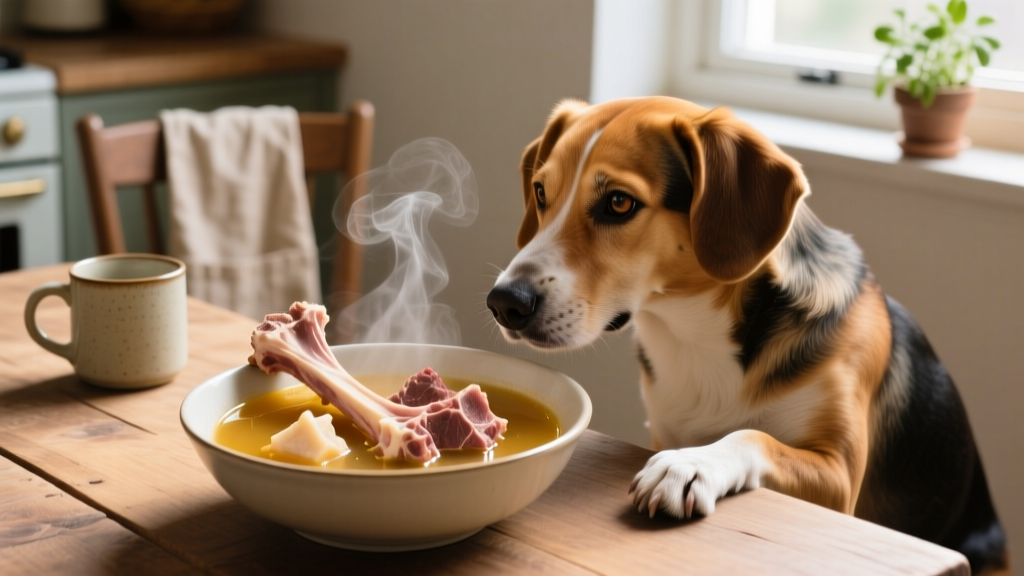
Simmer organic shiitake and maitake mushrooms (fruiting bodies only) in water for 2 hours. Strain and cool. Add 1-2 tablespoons to food daily. This provides mild immune support but lacks concentrated beta-glucans of extracts. Never use wild mushrooms or species like reishi that require specialized extraction.
Prescription Immunomodulators
For serious conditions, veterinarians may prescribe:
- I'm-Yunity (turkey tail extract): Human-grade PSP supplement, sometimes used off-label for canine cancer. $150-$200/month.
- VetImmune (beta-glucan injection): Injectable immunostimulant for recurrent infections. Requires veterinary administration.
- Transfer factor supplements: Concentrated immune signaling molecules, often combined with mushroom extracts in veterinary oncology protocols.
Complementary Supplements
Mushrooms work synergistically with:
- Omega-3 fatty acids (EPA/DHA): Enhance anti-inflammatory effects. Combine with reishi for allergies.
- Probiotics: Improve beta-glucan absorption. Give 2 hours apart from mushroom supplements.
- Curcumin: Amplifies cancer-fighting properties. Use with turkey tail for oncology patients (with vet approval).
When to Skip OTC Supplements and See Your Veterinarian
Mushroom supplements support health but don't replace veterinary care. Consult your veterinarian immediately if your dog shows:
- Sudden weight loss or appetite changes (potential cancer, metabolic disease)
- Lethargy lasting more than 48 hours
- Vomiting, diarrhea, or blood in stool
- Difficulty breathing or persistent coughing
- Lumps, bumps, or swollen lymph nodes
- Behavioral changes, confusion, or seizures
- Excessive thirst or urination (kidney disease, diabetes)
For dogs with diagnosed cancer, autoimmune disease, or chronic infections, work with a veterinarian experienced in integrative medicine. The American Veterinary Medical Association maintains directories of board-certified veterinary oncologists and internists who can coordinate conventional and complementary treatments safely.
Mushroom supplements show genuine promise for canine health when used appropriately. Choose products with transparent testing, follow evidence-based dosing, and maintain realistic expectations—these are supportive tools, not replacements for veterinary care. For most dogs, turkey tail offers the strongest evidence base, while multi-species blends provide broader immune support for general wellness.
What is the best mushroom supplement for dogs with cancer?
Turkey tail (Trametes versicolor) has the strongest clinical evidence for canine cancer support, particularly hemangiosarcoma and lymphoma. Real Mushrooms Turkey Tail Extract or I'm-Yunity provide the highest beta-glucan concentrations studied in clinical trials. Always use alongside conventional treatment under veterinary oncologist supervision.
How long does it take for mushroom supplements to work in dogs?
Most dogs show noticeable benefits within 4-8 weeks of consistent daily use. Immune modulation is gradual—don't expect overnight changes. Track specific symptoms weekly and give supplements 12 weeks before determining effectiveness.
Can I give my dog human mushroom supplements?
Yes, if the product contains only mushroom extract without additives. Check for xylitol (toxic to dogs), artificial flavors, or high-dose vitamin blends. Human supplements often have higher concentrations, so adjust doses by weight: divide the human dose by 150 lbs and multiply by your dog's weight.
Are mushroom supplements safe for puppies?
Most manufacturers recommend waiting until 6-12 months of age. Puppies' developing immune systems may respond unpredictably to immunomodulators. Consult your veterinarian before giving any supplement to dogs under one year old.
Do mushroom supplements interact with medications?
Yes. Turkey tail and reishi can enhance blood thinners (aspirin, warfarin), increasing bleeding risk. Reishi may amplify sedatives and blood pressure medications. Always disclose all supplements to your veterinarian, especially before surgery or when starting new prescriptions.
Can I feed my dog medicinal mushrooms from my garden or the wild?
No. Wild mushroom identification requires expert mycological knowledge—mistakes can be fatal. Even correctly identified species like reishi or chaga require specialized extraction (dual water/alcohol) to unlock beneficial compounds. Raw or simply dried mushrooms provide minimal bioavailability and risk contamination with heavy metals or pesticides.
Dr. Hannah Wickes
All our authors care for dogs every day — read more of their work on the authors page.