Best Hypoallergenic Dogs: Top Low-Allergen Products for...
Discover the best hypoallergenic dogs care products for 2026 — shampoos, wipes, air purifiers, and diets reviewed with pricing, pros/cons, and vet guidance.

Why Hypoallergenic Products Matter for Sensitive Dogs
When we talk about "hypoallergenic dogs," most people think of breeds that don't trigger human allergies. But the flip side is equally important: dogs who themselves suffer from allergic skin disease. According to the Merck Veterinary Manual, canine atopic dermatitis affects an estimated 10–15% of the dog population, with breeds like West Highland White Terriers, French Bulldogs, and Golden Retrievers showing significantly higher prevalence.
Hypoallergenic dog products — shampoos, wipes, diets, air purifiers, and laundry detergents — work by reducing exposure to environmental allergens (pollen, dust mites, mold spores) and soothing the inflammatory cascade that causes itching, redness, and secondary infections. They don't cure allergies, but they form a critical layer in a multimodal management plan alongside veterinary-prescribed treatments like oclacitinib (Apoquel) or lokivetmab (Cytopoint).
Top 7 Hypoallergenic Dog Products for 2026
1. Douxo S3 Calm Shampoo (by Ceva)
Price: $22–$28 for 6.8 oz (200 mL)
Key Features: Contains Ophytrium (a natural ingredient from wheat grain) that strengthens the mechanical skin barrier. Soap-free, sulfate-free, and specifically formulated for itchy, irritated canine and feline skin. Recommended frequency: 2–3 times per week during flare-ups, then weekly for maintenance.
- Clinically shown to reduce pruritus (itching) scores within 3 weeks
- Does not strip topical flea/tick preventives when used correctly
- Pleasant but mild scent; no artificial fragrance
- Available through vet clinics and online retailers
- Higher price point than drugstore shampoos
- Requires 10-minute contact time before rinsing
- Not a standalone treatment for severe atopy
2. Malaseb Medicated Shampoo (by Bayer/Elanco)
Price: $18–$24 for 8 oz (237 mL)
Key Features: Contains 2% chlorhexidine gluconate and 2% miconazole nitrate. Targets secondary bacterial and yeast (Malassezia) infections that commonly complicate allergic dermatitis. Use when your vet identifies a secondary infection via skin cytology.
- Gold-standard antimicrobial shampoo in veterinary dermatology
- Reduces reliance on systemic antibiotics
- Effective against both bacteria and yeast simultaneously
- Can stain light-colored fabrics if not rinsed thoroughly
- Not for long-term daily use (may disrupt normal skin flora)
- Requires vet diagnosis of secondary infection first
3. Pet Head Oatmeal Natural Hypoallergenic Shampoo
Price: $10–$14 for 16 oz (473 mL)
Key Features: Colloidal oatmeal and aloe vera base. Budget-friendly option for mild sensitivity. Free of parabens, sulfates, and dyes. pH-balanced for dogs.
- Very affordable; large bottle lasts months
- Gentle enough for puppies over 8 weeks
- Widely available at pet stores and online
- Lacks ceramides or advanced barrier-repair ingredients
- Minimal clinical evidence for moderate-to-severe atopy
- Some dogs may react to oat proteins (rare but possible)
4. Earthbath Hypoallergenic Dog & Cat Wipes
Price: $9–$13 for a pack of 100 wipes
Key Features: Pre-moistened wipes with aloe vera and vitamin E. Designed for quick post-walk wipe-downs to remove pollen, dust, and grass allergens from paws and coat before they penetrate the skin.
- Convenient for daily allergen removal without full baths
- Biodegradable and fragrance-free
- Safe for face, paws, and body
- Not a substitute for medicated baths during flare-ups
- Cost adds up with daily use on large breeds
- Limited penetration for thick-coated breeds
5. Royal Canin Veterinary Diet Hydrolyzed Protein HP
Price: $85–$105 for a 19-lb (8.6-kg) bag (requires veterinary authorization)
Key Features: Hydrolyzed soy protein with a molecular weight below 10 kDa — too small for the immune system to recognize as an allergen. AAFCO-approved for adult maintenance. Often used as an elimination diet trial food for 8–12 weeks to diagnose food allergies.
- Clinically validated hydrolyzed protein technology
- Highly palatable despite limited ingredients
- Complete and balanced for long-term feeding if needed
- Requires vet prescription — not available OTC
- Premium price; $4.50–$5.50 per pound
- Not appropriate if soy is a confirmed allergen
6. Levoit Core P350 Pet Air Purifier
Price: $110–$140
Key Features: True HEPA H13 filter captures 99.97% of airborne particles down to 0.3 microns, including dander, pollen, and dust mite debris. Pet-specific pre-filter captures larger hair and fur. Covers rooms up to 219 sq ft. Noise level: 24–52 dB (quiet enough for bedrooms).
- Reduces environmental allergen load in your dog's living space
- Also benefits allergic humans in the household
- Replacement filters cost ~$25 every 6–8 months
- Only effective in enclosed rooms; doesn't help outdoors
- Doesn't address contact allergens (grass, chemicals)
- Filter replacement is an ongoing cost
7. Allerpet Dog Allergy Relief Spray
Price: $16–$22 for 12 oz (355 mL)
Key Features: Spray-on formula designed to neutralize Can f 1 and Can f 2 proteins (the primary allergens in dog dander that trigger human allergic reactions). Applied to the dog's coat 1–2 times weekly. Also reduces loose dander shedding.
- Targets human allergy triggers (useful for allergic family members)
- Easy spray application — no rinsing needed
- Non-toxic and safe for regular use
- Does not treat the dog's own allergic skin disease
- Variable effectiveness depending on individual allergen sensitivity
- Some dogs dislike being sprayed
Product Comparison Table
| Product | Type | Price Range | Best For | Vet Rx Required? | Frequency |
|---|---|---|---|---|---|
| Douxo S3 Calm | Shampoo | $22–$28 | Barrier repair, mild-moderate itch | No | 2–3×/week → weekly |
| Malaseb | Medicated shampoo | $18–$24 | Secondary infections | Recommended | 2×/week for 2–4 weeks |
| Pet Head Oatmeal | Gentle shampoo | $10–$14 | Mild sensitivity, budget | No | Weekly to biweekly |
| Earthbath Wipes | Allergen wipes | $9–$13 (100 ct) | Post-walk allergen removal | No | Daily as needed |
| RC Hydrolyzed HP | Prescription diet | $85–$105 (19 lb) | Food allergy elimination trial | Yes | 8–12 weeks minimum |
| Levoit Core P350 | Air purifier | $110–$140 | Environmental allergen reduction | No | Continuous use |
| Allerpet Spray | Dander spray | $16–$22 | Reducing human allergy triggers | No | 1–2×/week |
How to Use Hypoallergenic Products Safely: Step-by-Step
- Start with a veterinary diagnosis. Before investing in products, have your vet perform skin cytology, allergy testing (intradermal or serum IgE), and rule out parasites (fleas, mites) and endocrine disorders (hypothyroidism, Cushing's). According to the AVMA, many conditions mimic allergic dermatitis.
- Patch test new topical products. Apply a small amount of shampoo or spray to a 2×2 inch area on your dog's inner thigh. Wait 24 hours. If no redness, swelling, or increased scratching occurs, proceed with full application.
- Follow contact time instructions. Medicated shampoos like Douxo S3 and Malaseb require 10 minutes of contact time on wet skin before rinsing. Rinsing too early drastically reduces efficacy.
- Bathe with lukewarm water (85–95°F / 29–35°C). Hot water strips skin oils and worsens inflammation. Cool-to-lukewarm water soothes and preserves the lipid barrier.
- Use allergen wipes within 15 minutes of outdoor exposure. Pollen and environmental allergens begin penetrating the skin barrier quickly. A rapid post-walk wipe-down of paws, belly, and muzzle removes the majority of surface allergens.
- Transition diets gradually over 7–10 days. If starting a hypoallergenic diet, mix increasing proportions of the new food: Day 1–2 (25% new), Day 3–4 (50%), Day 5–6 (75%), Day 7+ (100%). Sudden transitions cause GI upset.
- Run air purifiers continuously in your dog's primary room. HEPA filters only work when air is actively cycling through them. Turn them off only for filter changes.
⚠️ Safety Warnings
- Never use human shampoo on dogs. Human skin pH (5.5) differs significantly from canine skin (6.2–7.4). Human products disrupt the acid mantle and invite bacterial overgrowth.
- Avoid tea tree oil (melaleuca). While marketed as "natural," tea tree oil is toxic to dogs at concentrations above 1–2%. The ASPCA lists it as a known toxin. If your dog ingests any product containing tea tree oil, call ASPCA Animal Poison Control at (888) 426-4435 immediately.
- Don't combine multiple medicated shampoos. Using Malaseb and Douxo S3 in the same bath can cause excessive drying. Alternate on different days if your vet recommends both.
- Prescription diets must be exclusive. Even one treat, table scrap, or flavored medication outside the elimination diet can invalidate the trial and delay diagnosis by weeks.
- Monitor for adverse reactions. Increased redness, hives, facial swelling, vomiting, or lethargy after applying any product warrants immediate rinsing and a call to your vet.
Clinical Evidence: What the Research Says
The evidence base for hypoallergenic dog products varies significantly by category:
Topical barrier-repair shampoos (e.g., Douxo S3): A 2021 study published in Veterinary Dermatology demonstrated that Ophytrium-containing shampoos reduced canine atopic dermatitis lesion scores (CADESI-4) by an average of 40% over 28 days when used as an adjunct to standard therapy. Ceramide-based shampoos have similar supporting data for improving transepidermal water loss measurements.
Chlorhexidine/miconazole shampoos (e.g., Malaseb): Multiple studies confirm that topical antimicrobial therapy reduces bacterial colony counts on canine skin by 90%+ and can eliminate the need for systemic antibiotics in mild-to-moderate pyoderma cases. This is increasingly important given rising antimicrobial resistance concerns.
Hydrolyzed protein diets: A 2023 systematic review in the Journal of Veterinary Internal Medicine found that hydrolyzed diets achieved clinical remission in 60–80% of dogs with confirmed food adverse reactions during 8-week elimination trials, making them the diagnostic gold standard for food allergy.
HEPA air purifiers: While direct canine studies are limited, human allergy research consistently shows that HEPA filtration reduces indoor airborne allergen concentrations by 50–70%. Veterinary dermatologists commonly recommend them as part of environmental control for atopic dogs.
When to Skip OTC Products and See Your Vet
Hypoallergenic products are support tools, not replacements for veterinary diagnosis and treatment. Schedule an appointment if you notice any of the following:
- Persistent itching lasting more than 2 weeks despite regular use of OTC shampoos and wipes
- Open sores, hot spots, or bleeding from excessive scratching or licking
- Recurrent ear infections (head shaking, ear odor, dark discharge) — often the first sign of underlying allergies
- Hair loss in patches (alopecia) — could indicate demodectic mange, ringworm, or endocrine disease
- GI signs alongside skin issues (chronic diarrhea, vomiting, frequent gas) — suggests food allergy or inflammatory bowel disease
- Seasonal patterns — if symptoms peak in spring/fall, your vet may recommend allergy testing and immunotherapy (allergy shots or sublingual drops)
Your veterinarian may prescribe medications like oclacitinib (Apoquel, $2–$4 per tablet), lokivetmab (Cytopoint injections, $65–$120 per injection every 4–8 weeks), or cyclosporine (Atopica, $1.50–$3.00 per capsule depending on dose). These target the immune pathways driving the allergic response at a level that topical products alone cannot achieve.
Natural and DIY Alternatives
If you prefer to minimize commercial product use, several evidence-supported alternatives exist:
- Colloidal oatmeal baths: Grind plain, unflavored oats into a fine powder and dissolve in lukewarm bath water. Oat avenanthramides have documented anti-inflammatory properties. Soak for 10 minutes, then rinse lightly.
- Coconut oil (topical): Virgin coconut oil contains lauric acid with mild antimicrobial properties. Apply a thin layer to dry, flaky patches. Caution: some dogs will lick it off, and excess ingestion can cause pancreatitis in predisposed breeds.
- Apple cider vinegar rinse (diluted): Mix 1 part ACV with 3 parts water as a final rinse after bathing. The mild acidity helps restore skin pH. Do NOT use on open wounds or raw skin — it will sting.
- Regular vacuuming and washing: Wash your dog's bedding weekly in hot water (130°F / 54°C) to kill dust mites. Vacuum with a HEPA-equipped vacuum cleaner 2–3 times per week in rooms your dog frequents.
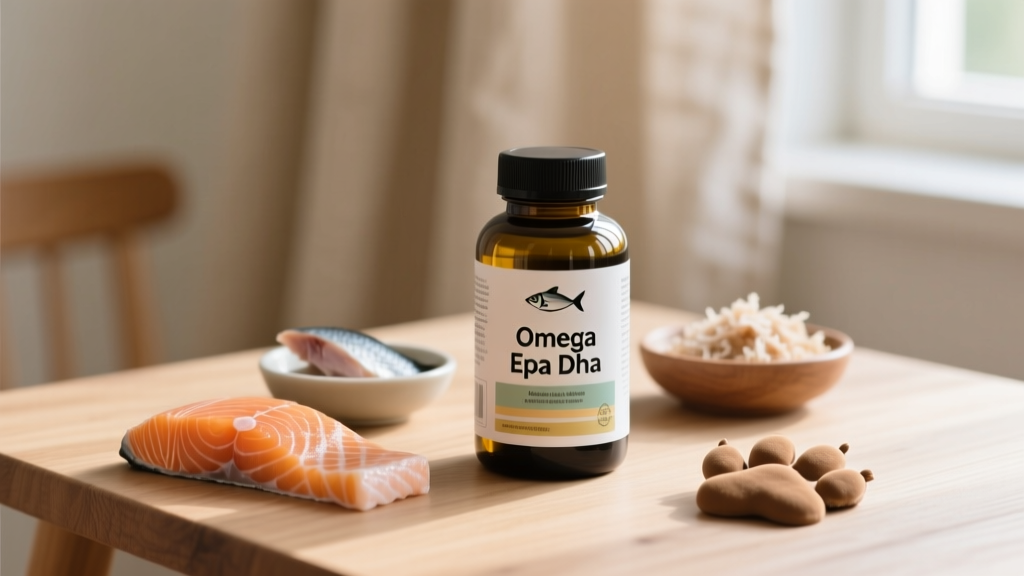
- Omega-3 fatty acid supplementation: Fish oil (EPA + DHA) at a dose of 20–55 mg per kg of body weight daily has demonstrated anti-inflammatory effects on canine skin. Brands like Nordic Naturals Pet Omega-3 ($20–$30) provide measured dosing.
Important caveat: if you're preparing a homemade diet as a "hypoallergenic" food trial, consult a veterinary nutritionist. Home-cooked elimination diets must be nutritionally complete, and a board-certified nutritionist (search via the ACVN directory) can formulate a recipe using a novel protein your dog hasn't been exposed to.
Frequently Asked Questions
What is the best hypoallergenic product for dogs with itchy skin?
For most dogs with mild-to-moderate allergic dermatitis, Douxo S3 Calm Shampoo offers the best balance of efficacy, safety, and accessibility. It strengthens the skin barrier with Ophytrium and can be used long-term. For dogs with secondary infections, Malaseb is the veterinary standard. Pair either with daily allergen wipes for environmental control.
How much do hypoallergenic dog products cost annually?
Budget approximately $200–$500 per year for a comprehensive hypoallergenic care routine: shampoo ($120–$200/year), wipes ($50–$80/year), air purifier filter replacements ($50–$75/year), and omega-3 supplements ($100–$150/year). Prescription diets add $900–$1,300/year. These costs are in addition to veterinary visits and prescription medications.
How do I choose the right hypoallergenic shampoo for my dog?
Match the product to your dog's specific condition: barrier-repair formulas (Douxo S3, Allerderm) for dry, flaky atopic skin; antimicrobial formulas (Malaseb, Chlorhexiderm) for infected skin; gentle oatmeal shampoos for mild sensitivity or maintenance between medicated baths. When in doubt, ask your vet — many clinics carry professional-grade shampoos at comparable prices to online retailers.
Are there truly hypoallergenic dog breeds?
No breed is 100% hypoallergenic. According to the AKC, breeds like Poodles, Bichon Frises, and Portuguese Water Dogs produce less dander and shed minimally, making them better tolerated by allergic humans. However, the primary allergens (Can f 1 and Can f 2 proteins) are found in saliva and sebaceous gland secretions, not just fur — so even "hypoallergenic" breeds produce them.
Can I use baby shampoo on my allergic dog?
Baby shampoo is gentler than adult human shampoo but still not pH-optimized for canine skin. In an emergency (your dog rolled in something toxic and you have nothing else), it's acceptable for a one-time wash. For regular bathing of a dog with allergic skin, invest in a canine-specific hypoallergenic formula — the $10–$25 difference prevents worsening skin barrier damage over time.
When should I skip OTC products and see a veterinary dermatologist?
If your dog has failed two or more OTC management strategies, requires increasingly frequent bathing without improvement, develops recurrent secondary infections, or shows year-round symptoms, request a referral to a board-certified veterinary dermatologist (search via the ACVD). They can perform intradermal allergy testing ($400–$800) and formulate custom immunotherapy, which has a 60–75% success rate for long-term atopy management.
Dr. Hannah Wickes
All our authors care for dogs every day — read more of their work on the authors page.