2026 Buyer's Guide & Vet-Reviewed Picks
Find the best dog harness for large dogs with our 2026 vet-reviewed guide.
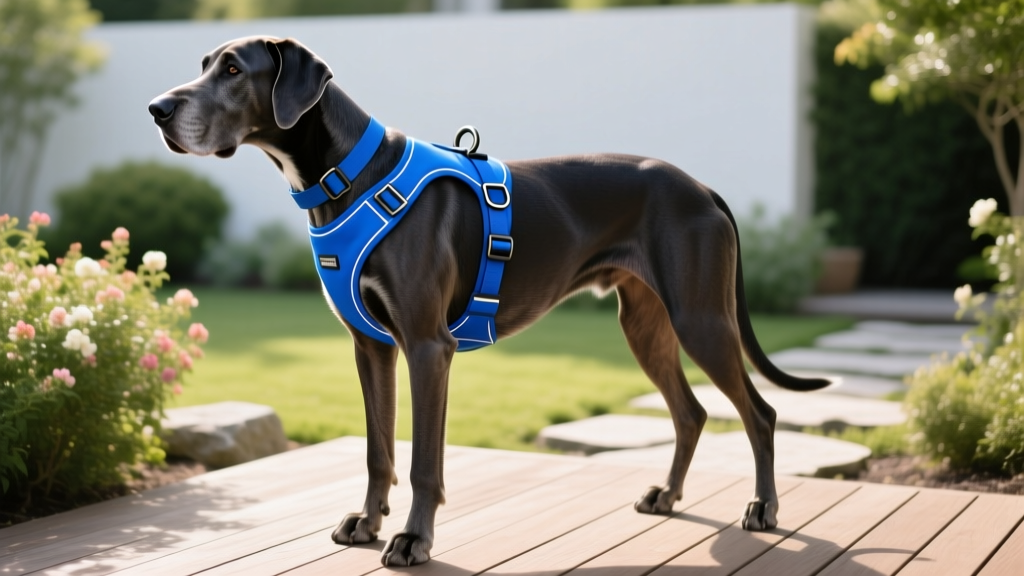
Why the Right Harness Matters for Large-Breed Dogs
Walking a 90-pound Labrador on a flat collar puts concentrated force on the trachea, thyroid gland, and cervical vertebrae. For large-breed dogs — generally defined as those weighing 50 lb (23 kg) or more — a well-fitted harness redistributes pulling force across the sternum and ribcage, reducing neck injury risk by an estimated 60-70% compared to traditional buckle collars, according to biomechanical analyses published in the Merck Veterinary Manual.
But not all harnesses are created equal. A poorly fitted harness can restrict shoulder extension, cause chafing in the axillary region, or allow a powerful dog to escape and bolt into traffic. This guide breaks down exactly what to look for, which models perform best across different use cases, and how to fit a harness so it actually protects your dog.
How Dog Harnesses Work: Pressure Distribution Explained
A flat collar concentrates leash force on approximately 2-4 square inches of neck tissue. When a 80-lb dog pulls at full force, that translates to significant pressure on the trachea, esophagus, and jugular veins. Repeated stress can contribute to tracheal collapse — a condition the AKC notes is particularly common in certain breeds, though large dogs are not immune to cervical injuries.
A Y-shaped or H-shaped harness spreads the same force across 40-80 square inches of chest and torso surface area. The key design principle: the harness should form a Y-shape when viewed from the front, with straps passing on either side of the sternum and joining at a chest plate. This preserves full shoulder range of motion — critical for large, active breeds like German Shepherds and Rottweilers.
Avoid "T-shaped" harnesses where a single strap crosses horizontally over the dog's shoulders. These restrict the supraspinatus and infraspinatus muscles, potentially altering gait over time. A 2019 study from the University of London's Royal Veterinary College found that restrictive harness designs reduced shoulder extension by up to 20% during trotting.
Top 7 Harnesses for Large Dogs: Detailed Reviews
The following picks are based on construction quality, fit range for dogs 50-150+ lb, veterinary and professional trainer recommendations, and long-term durability reports from multi-dog households. Prices reflect typical retail as of early 2026.
1. Ruffwear Front Range Harness
Price: $39.95–$44.95 | Size range: Chest girth 27–42 inches (69–107 cm) | Best for: Everyday walking, trail use
Key features: Dual clip points (aluminum V-ring on back, reinforced webbing loop on chest), 4 adjustment points, foam-padded chest and belly straps, reflective trim, ID tag pocket.
- Lightweight (7.2 oz for L/XL) — dogs barely notice it
- Y-shape design preserves full shoulder movement
- Machine washable; holds up after 100+ washes
- Available in 5 colors
- Chest clip loop is fabric, not metal — may wear with heavy pullers
- Not rated for vehicle crash restraint
- Max girth 42 inches may not fit giant breeds (Great Danes, Mastiffs)
2. Kurgo Tru-Fit Smart Harness (Crash-Tested)
Price: $44.99–$54.99 | Size range: Chest girth 25–44 inches (64–112 cm), up to 110 lb (50 kg) | Best for: Car travel, safety-conscious owners
Key features: Independently crash-tested at University of Michigan Transportation Research Institute (dynamic sled test at 30 mph), steel nesting buckles, 5 adjustment points, padded chest plate, doubles as vehicle restraint with included carabiner and loop.
- Only harness in this list with independent crash-test certification
- Steel buckles won't snap under sudden force
- Front and back D-rings for leash attachment
- Lifetime warranty against manufacturer defects
- Heavier than competitors (14 oz for XL) — some dogs notice it initially
- Bulkier padding can cause overheating in summer for thick-coated breeds
- Upper weight limit of 110 lb excludes many giant-breed dogs
3. Julius PowerHarness (IDC)
Price: $69.99–$89.99 | Size range: Chest girth 23–44.5 inches (58–113 cm), sizes up to XXXL for dogs over 175 lb | Best for: Working dogs, service dogs, powerful pullers
Key features: Saddle-style design with wide chest strap, hook-and-loop patch area for ID/service labels, heavy-duty steel D-ring, built-in handle, reflective elements, interchangeable chest strap option.
- Extremely durable — used by search-and-rescue and police K9 units worldwide
- Available in sizes fitting dogs up to 176+ lb (80+ kg)
- Excellent handle for controlling large dogs in public settings
- Wide chest plate distributes force effectively
- T-shape strap design can restrict shoulder movement on some body types
- Only back-clip — no front-clip option for pull training
- Premium price point; may be overkill for casual walks
4. 2 Hounds Design Freedom No-Pull Harness
Price: $33.99–$39.99 | Size range: Chest girth 22–44 inches (56–112 cm), fits dogs 40–250 lb depending on size | Best for: Pull training, reactive dogs, professional trainer recommendation
Key features: Dual-connection system (front and back rings used simultaneously with included two-clip leash), Swiss velvet lining prevents chafing, martingale-style tightening on back ring provides gentle correction without aversive force.
- Highly recommended by certified professional dog trainers (CPDT-KA) for pull retraining
- Dual-clip leash system gives maximum control without pain or fear
- Swiss velvet lining eliminates underarm chafing — a common complaint with nylon harnesses
- Fits giant breeds in 2XL size (up to 250 lb / 113 kg)
- More complex to put on than step-in styles (3 buckle points)
- Not designed for vehicle restraint
- Leash must be purchased as part of the system for full benefit
5. Blue-9 Balance Harness
Price: $54.95–$64.95 | Size range: Chest girth 24–46 inches (61–117 cm), 6 sizes from XS to XL | Best for: Custom fit on oddly proportioned dogs (barrel-chested, deep-chested)
Key features: 6 adjustment points (most in this list), Y-shape front design, independent neck and chest sizing, front and back clip points, lightweight buckles.
- Best adjustability on the market — ideal for Bulldogs, Greyhounds, and other non-standard builds
- True Y-shape preserves shoulder biomechanics
- Neck opening adjusts independently from girth — solves "head too big" fitting problems
- Lightweight yet sturdy construction
- 6 buckles means slower on/off compared to 2-buckle designs
- Higher price for a non-padded harness
- Limited color options (black, blue, red)
6. PetSafe 3-in-1 Harness
Price: $24.95–$29.95 | Size range: Chest girth 28–46 inches (71–117 cm), Large and X-Large sizes | Best for: Budget-conscious owners, multi-use (walking + car)
Key features: Front and back clip, included vehicle safety strap with seatbelt loop, neoprene-padded chest, reflective stitching, martingale-style front control.
- Best value pick — includes car restraint strap at no extra cost
- Easy 2-buckle on/off design
- Widely available at big-box pet stores for quick replacement
- Adequate padding for daily walks
- Not independently crash-tested (vehicle strap is a basic restraint only)
- Plastic buckles — not as durable as steel for powerful pullers
- Stitching quality inconsistent across production batches
- May not hold up beyond 12-18 months of heavy daily use
7. Haqihana H-Harness
Price: $42.00–$52.00 | Size range: Chest girth 22–45 inches (56–114 cm), sizes M through H (huge) | Best for: Escape-prone dogs, anxious dogs who back out of harnesses
Key features: H-shape design with additional belly strap behind the ribcage, double-layer webbing, Italian-made stainless steel hardware, padded chest section.
- Extra belly strap virtually eliminates escape — even for Houdini-level dogs
- H-shape avoids shoulder restriction entirely
- Stainless steel hardware resists corrosion from water exposure
- Excellent for sighthound body types
- Only available from specialty retailers; limited US availability
- Back-clip only — not ideal for pull training
- Sizing runs small — most owners need to size up from chart recommendation
Side-by-Side Comparison: Large Dog Harnesses at a Glance
| Harness | Max Dog Weight | Clip Points | Crash Tested | Adjust Points | Handle | Price Range |
|---|---|---|---|---|---|---|
| Ruffwear Front Range | ~100 lb / 45 kg | Front + Back | No | 4 | No | $40–$45 |
| Kurgo Tru-Fit | 110 lb / 50 kg | Front + Back | Yes | 5 | Yes | $45–$55 |
| Julius IDC PowerHarness | 176+ lb / 80+ kg | Back only | No | 2 | Yes | $70–$90 |
| 2 Hounds Freedom | 250 lb / 113 kg | Front + Back | No | 4 | No | $34–$40 |
| Blue-9 Balance | ~130 lb / 59 kg | Front + Back | No | 6 | No | $55–$65 |
| PetSafe 3-in-1 | ~120 lb / 54 kg | Front + Back | No* | 4 | No | $25–$30 |
| Haqihana H-Harness | ~150 lb / 68 kg | Back only | No | 4 | No | $42–$52 |
*PetSafe includes a vehicle strap but has not undergone independent crash testing at a certified laboratory.
How to Measure and Fit a Harness on a Large Dog
The most common reason harnesses fail is incorrect sizing. "I ordered a Large because my dog is a large breed" is not a sizing strategy. Here's exactly how to get it right.
Step-by-Step Fitting Process
Step 1: Measure chest girth. Use a soft measuring tape. Wrap it around the widest part of your dog's ribcage, typically just behind the front legs and over the withers. The tape should be snug but not tight — you should be able to slide two fingers underneath. Record the measurement in both inches and centimeters.
Step 2: Measure neck circumference (if applicable). Some harnesses (Blue-9 Balance, certain Ruffwear models) require a separate neck measurement. Measure at the base of the neck where it meets the shoulders, not where a collar would sit.
Step 3: Weigh your dog. Use a home scale (weigh yourself, then weigh yourself holding your dog, and subtract) or your vet's scale. Compare to the harness manufacturer's weight chart — but prioritize girth over weight, as body condition varies.
Step 4: Check the size chart. Every manufacturer's sizing is different. A "Large" at Ruffwear fits chest girth 32–42 inches, while a "Large" at Julius IDC fits 27.5–33.5 inches. Always use the actual measurement chart, never the generic size name.
Step 5: Fit test. Once the harness is on, perform the two-finger test at every strap: you should be able to slide two flat fingers between the strap and your dog's skin at all contact points. Any tighter restricts breathing; any looser allows escape.
Step 6: Movement check. Watch your dog walk, trot, sit, and lie down in the harness. The chest plate should not shift more than 1 inch laterally. The straps should not rub the inside of the front legs. Your dog's gait should look identical to their un-harnessed movement.
Step 7: Re-check after 48 hours. New harnesses stretch slightly after initial wear. Re-adjust all buckles after the first two days of use.
Safety Considerations and Warnings
⚠️ Critical Harness Safety Rules
- Never leave a harness on an unsupervised dog. Straps can catch on crate latches, furniture legs, or fence posts, creating a strangulation hazard.
- Inspect stitching and hardware weekly. A frayed strap or cracked buckle on a 90-lb dog in a high-distraction environment is a safety emergency. Replace immediately if you see wear.
- Do not use a harness as a tie-out anchor. Tying a dog to a fixed object via harness can result in injury if the dog lunges or panics. Use a purpose-built tie-out with a swivel snap.
- Remove the harness in the car if not using the vehicle restraint strap. An unclipped harness in a crash offers zero protection and loose straps can tangle.
- Watch for heat stress. Padded harnesses add insulation. In temperatures above 80°F (27°C), limit harness wear time and watch for excessive panting, drooling, or stumbling — signs of heat exhaustion.
- Harnesses are not muzzles. A harness does not prevent biting. If your dog has a bite history, consult a certified behaviorist (CAAB or DACVB) for appropriate management tools alongside the harness.
When to Consult Your Veterinarian Instead of Relying on a Harness
A harness is a management tool, not a medical device. Certain situations require veterinary evaluation rather than a product swap:
- Sudden pulling or reluctance to walk: Could indicate pain from hip dysplasia, IVDD, arthritis, or a soft tissue injury. A dog who previously walked politely and suddenly resists may be in pain — not "stubborn."
- Chafing or skin lesions under harness straps: Recurrent hot spots or abrasions may signal an underlying dermatological condition, allergy, or improper fit that needs professional assessment.
- Collapsing or coughing during walks: These are red flags for cardiac disease, laryngeal paralysis, or tracheal issues that require immediate veterinary attention. Consult your veterinarian before continuing any walking program.
- Neurological symptoms: Dragging rear feet, knuckling, or wobbling suggest degenerative myelopathy or spinal cord compression — a harness won't address the underlying condition.
Alternatives to Standard Harnesses
Depending on your dog's needs, you might consider these alternatives alongside or instead of a traditional harness:
Head halters (Gentle Leader, Halti): These fit over the muzzle and behind the ears, giving control similar to a horse halter. They're effective for powerful pullers but require a gradual desensitization period using positive reinforcement. Never jerk a head halter — this can cause cervical injury. Head halters work best as a training bridge while you build loose-leash walking skills.
Martingale collars: These tighten slightly when the dog pulls (to a preset limit) and are popular for sighthounds with narrow heads. They are not a substitute for a harness for daily walking but can be useful as a backup attachment point alongside a harness for escape-prone dogs.
Professional training: The most effective long-term "product" for pulling is a certified positive-reinforcement trainer. Look for CPDT-KA, KPA-CTP, or IAABC credentials. A 6-8 week loose-leash walking program typically costs $300–$600 for private sessions and addresses the root behavior rather than managing it with equipment alone. The ASPCA Virtual Pet Behaviorist offers free foundational resources to supplement professional training.
DIY harness considerations: While some owners craft custom harnesses, we strongly advise against DIY for large dogs unless you have sewing expertise with load-rated webbing and hardware. A failed DIY harness on a 100-lb dog near traffic carries real risk. If your dog has an unusual body shape that off-the-shelf options don't fit, consider a custom-made harness from a professional maker (expect $80–$150) rather than homemade.
Where to Buy and What You'll Spend
Here's what to expect when shopping for a large-dog harness in 2026:
| Retailer | Typical Price Range | Selection | Return Policy |
|---|---|---|---|
| Chewy.com | $25–$90 | Wide (most major brands) | 365-day returns |
| Amazon | $20–$85 | Largest (but watch for counterfeits) | 30-day returns |
| REI / specialty outdoor | $40–$90 | Curated (Ruffwear, Kurgo, Hurtta) | 1-year satisfaction guarantee |
| Local independent pet store | $30–$75 | Limited but staff can help fit | Varies by store |
| Direct from manufacturer | $40–$90 | Full line + custom sizing | 30–60 days |
Budget planning tip: Expect to replace a harness every 18–36 months depending on use frequency and your dog's chewing habits. Factor in $35–$60/year for harness replacement in your annual dog care budget.
Frequently Asked Questions
What is the best harness for large dogs that pull?
The 2 Hounds Design Freedom No-Pull Harness is the top pick for pulling dogs because its dual-clip leash system provides steering control from the front while the back clip offers a safety backup. The martingale-style tightening on the back ring applies gentle, non-aversive pressure that discourages pulling without causing pain. Pair it with a positive-reinforcement loose-leash walking program for lasting results.
How do I choose the right harness size for my large dog?
Measure your dog's chest girth at the widest point of the ribcage using a soft tape measure. Compare this number — not your dog's weight or breed name — to the manufacturer's specific size chart. If your measurement falls between two sizes, choose the larger size and adjust down. A harness that's too small restricts breathing and movement; one slightly too large can be tightened.
How much does a good large dog harness cost?
Quality harnesses for large dogs range from $25 to $90. Budget options (PetSafe 3-in-1 at $25–$30) work for occasional use but may need replacement within 12–18 months. Mid-range options ($35–$55) like the Ruffwear Front Range and Kurgo Tru-Fit offer the best value-to-durability ratio. Premium options ($55–$90) like the Julius IDC and Blue-9 Balance provide specialized features for working dogs or difficult-to-fit body types.
Is a harness or collar better for a large dog?
For leash walking, a harness is significantly safer for large dogs because it distributes force across the chest rather than concentrating it on the neck. This reduces risk of tracheal damage, cervical disc issues, and thyroid gland trauma. A flat collar is still useful for holding ID tags but should not be the primary leash attachment point for dogs over 30 lb (14 kg).
Can I leave the harness on my dog all day?
No. Remove the harness when your dog is unsupervised, crated, or sleeping. Continuous wear causes matting in long-coated breeds, skin irritation from friction, and a strangulation risk if a strap catches on furniture or fencing. Put the harness on before walks and remove it when you return home.
Are there natural or DIY alternatives to commercial harnesses?
While some owners craft rope or fabric harnesses, we strongly recommend against DIY solutions for large dogs. The forces generated by a pulling 80+ lb dog require load-tested webbing (typically rated to 600+ lb breaking strength), bartacked stitching at stress points, and hardware tested for shear force. Commercial harnesses from reputable brands undergo this testing; homemade versions rarely do. If budget is a concern, the PetSafe 3-in-1 at $25 provides safe, tested performance at an accessible price point.
When should I skip OTC harness solutions and see a vet?
Consult your veterinarian if your dog shows sudden behavioral changes on walks (reluctance to move, yelping, limping), if you notice skin lesions or hair loss under harness contact points, or if your dog exhibits coughing, gagging, or collapse during exercise. These symptoms may indicate underlying orthopedic, cardiac, or dermatological conditions that no harness can address.
This guide reflects product availability and pricing as of early 2026. Always verify current pricing and sizing charts directly with manufacturers before purchasing. Product selections are based on construction analysis, veterinary biomechanical principles, and professional trainer input — no manufacturer sponsored or influenced these recommendations.
Aaron Whyte
All our authors care for dogs every day — read more of their work on the authors page.


