Best Dog Food for Frenchies: Top Picks for French Bulldog Nutrition
Discover the best dog food for Frenchies in 2026. Expert-reviewed picks for French Bulldog nutrition, allergy-friendly formulas, and feeding guides by age and weight.
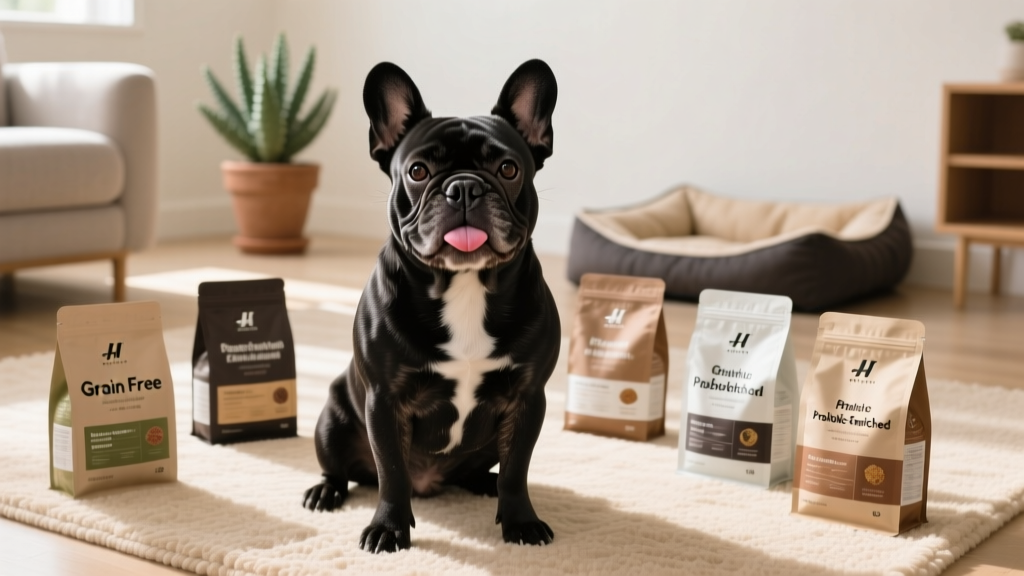
Why French Bulldogs Need Specialized Nutrition
French Bulldogs are not your average small breed when it comes to dietary needs. Their brachycephalic (flat-faced) anatomy, compact muscular build, and notorious sensitivity to food allergens create a perfect storm of nutritional challenges that generic dog foods simply cannot address. If you've ever watched your Frenchie gulp air while eating, develop itchy skin patches, or struggle with weight gain despite modest portions, you already know that food choice is one of the most consequential decisions you'll make as an owner.
According to the American Kennel Club, French Bulldogs consistently rank among the most popular breeds in the United States, and veterinary dermatologists report that they are disproportionately represented in food allergy and atopic dermatitis cases. Research published in the Journal of Veterinary Internal Medicine indicates that French Bulldogs have a higher predisposition to cutaneous adverse food reactions compared to many other breeds, with common triggers including chicken, beef, dairy, and wheat.
Beyond allergies, Frenchies face structural eating challenges. Their short muzzles make picking up flat kibble difficult, and their tendency toward brachycephalic obstructive airway syndrome (BOAS) means they often swallow excess air while eating — contributing to gas, bloating, and in severe cases, gastric dilatation-volvulus (GDV). The best dog food for Frenchies must account for all of these factors simultaneously: kibble shape, caloric density, protein sourcing, and digestive support.
Top 7 Best Dog Foods for French Bulldogs (2026 Review)
1. Royal Canin French Bulldog Adult — Best Overall Breed-Specific Formula
Price: $62–$78 for 22 lb bag ($2.82–$3.55/lb)
Key Features: Wave-shaped kibble designed for brachycephalic jaws, 24% protein from chicken by-product meal and chicken fat, L-carnitine for fat metabolism, EPA/DHA for skin support, highly digestible proteins with reduced fermentable fibers to minimize gas.
- Kibble shape clinically designed for Frenchie jaw structure
- Specific caloric density (3,364 kcal/kg) matched to breed activity level
- Widely available at veterinary clinics and retailers
- Decades of breed-specific feeding trial data
- Chicken-based — not ideal for chicken-allergic Frenchies
- Contains corn and wheat gluten (common allergen triggers)
- Mid-range protein content may not satisfy high-energy individuals
2. Hill's Science Diet Sensitive Stomach & Skin — Best for Allergy-Prone Frenchies
Price: $55–$70 for 27.5 lb bag ($2.00–$2.55/lb)
Key Features: Chicken as primary protein, prebiotic fiber from beet pulp, vitamin E and omega-6 for skin health, no artificial colors or flavors, 20.1% crude protein minimum, 3,939 kcal/kg metabolizable energy. Clinically proven antioxidant blend.
- Veterinarian-recommended with published feeding trial results
- Excellent stool quality scores in Hill's clinical studies
- Highly digestible formula reduces flatulence
- Affordable per-serving cost for premium category
- Still uses chicken protein (problematic for some Frenchies)
- Not a limited-ingredient diet — contains multiple protein sources
- Kibble shape is standard round, not breed-specific
3. Purina Pro Plan Veterinary Diets HA Hydrolyzed — Best Prescription Option
Price: $78–$95 for 20 lb bag ($3.90–$4.75/lb)
Key Features: Hydrolyzed soy protein (molecular weight below 12,000 daltons — too small to trigger immune response), single carbohydrate source (corn starch), 17% crude protein minimum, 3,726 kcal/kg. Requires veterinary authorization.
- Gold standard for elimination diet trials in allergic dogs
- Protein molecules too small to trigger IgE-mediated reactions
- Extensive peer-reviewed evidence for efficacy in cutaneous adverse food reactions
- Single carbohydrate source reduces variable exposure
- Requires veterinary prescription — not OTC
- Higher cost per pound than non-prescription options
- Lower protein percentage than some owners prefer
- Palatability can be lower than standard diets
4. Nom Nom Fresh Turkey Recipe — Best Fresh/Human-Grade Option
Price: $5.50–$8.50 per day for a 20 lb Frenchie (subscription-based)
Key Features: Gently cooked human-grade turkey, sweet potato, spinach, and chickpeas. Formulated by board-certified veterinary nutritionists. Pre-portioned packs based on your dog's weight and activity level. Meets AAFCO standards for all life stages.
- Whole-food ingredients with transparent sourcing
- High moisture content (65–75%) supports hydration — helpful for BOAS-affected dogs
- Single protein source simplifies allergen tracking
- Pre-portioned to prevent overfeeding and obesity
- Most expensive option by a significant margin
- Requires refrigeration and freezer storage
- Soft texture may not support dental health as well as kibble
- Subscription model may not suit all owners
5. Blue Buffalo Basics Limited Ingredient Diet Turkey & Potato — Best Budget-Friendly LID
Price: $42–$55 for 24 lb bag ($1.75–$2.29/lb)
Key Features: Deboned turkey as single animal protein, potato and pea carbohydrate sources, no chicken, beef, corn, wheat, soy, dairy, or eggs. 20% crude protein minimum, 3,527 kcal/kg. Includes LifeSource Bits antioxidant blend.
- True limited-ingredient formula avoids top 7 canine allergens
- Most affordable LID option with AAFCO compliance
- Widely available at big-box retailers and online
- Turkey is a novel protein for most Frenchies
- Pea protein used to boost protein percentage (controversial legume ingredient linked to DCM investigations)
- LifeSource Bits are less palatable to some dogs and often left in the bowl
- Standard round kibble shape
6. Orijen Original — Best High-Protein Option for Active Frenchies
Price: $80–$98 for 25 lb bag ($3.20–$3.92/lb)
Key Features: 85% animal ingredients including free-run chicken, turkey, wild-caught fish, and cage-free eggs. 38% crude protein minimum, 20% fat. WholePrey ratios include organs, cartilage, and bone. 3,960 kcal/kg.
- Exceptional protein quality from whole animal sources
- No legume protein concentrates — protein comes from meat
- Rich in natural glucosamine and chondroitin from cartilage
- Excellent palatability for picky eaters
- Caloric density too high for sedentary Frenchies — easy to overfeed
- Multiple protein sources make allergen elimination difficult
- Premium price point
- High protein may cause loose stools in sensitive dogs during transition
7. Wellness Simple Limited Ingredient Diet Salmon & Peas — Best Fish-Based Formula
Price: $52–$65 for 24 lb bag ($2.17–$2.71/lb)
Key Features: Deboned salmon as sole animal protein, salmon meal for concentrated omega-3s, pea and tapioca carbohydrates, no grains, gluten, corn, soy, wheat, or artificial additives. 21% crude protein minimum, 3,510 kcal/kg. Includes probiotics (90 million CFU/lb guaranteed).
- Fish protein is naturally anti-inflammatory due to omega-3 content
- True single-animal-protein formula
- Added probiotics support gut microbiome health
- Good middle-ground price for LID category
- Fish-based diets can develop a strong odor some owners find unpleasant
- Peas as primary carbohydrate (legume concern noted above)
- Some dogs find fish-only formulas less palatable long-term
Side-by-Side Comparison: Best Dog Food for Frenchies
| Product | Protein % | kcal/kg | Price/lb | LID | Rx Required |
|---|---|---|---|---|---|
| Royal Canin Frenchie Adult | 24% | 3,364 | $2.82–$3.55 | No | No |
| Hill's Sensitive Stomach & Skin | 20.1% | 3,939 | $2.00–$2.55 | No | No |
| Purina Pro Plan HA Hydrolyzed | 17% | 3,726 | $3.90–$4.75 | Yes | Yes |
| Nom Nom Fresh Turkey | 8% (wet) | ~1,200 (wet) | $5.50–$8.50/day | Yes | No |
| Blue Buffalo Basics Turkey | 20% | 3,527 | $1.75–$2.29 | Yes | No |
| Orijen Original | 38% | 3,960 | $3.20–$3.92 | No | No |
| Wellness Simple Salmon | 21% | 3,510 | $2.17–$2.71 | Yes | No |
How Much Should You Feed a French Bulldog?
French Bulldogs typically weigh between 16–28 lb (7–13 kg) and require approximately 400–650 calories per day depending on age, activity level, and whether they are spayed/neutered. The Merck Veterinary Manual provides the standard resting energy requirement (RER) calculation: 70 × (body weight in kg)^0.75, multiplied by an activity factor of 1.2–1.4 for most adult Frenchies.
| Dog Weight | Daily Calories (Neutered Adult) | Kibble per Day (avg 3,500 kcal/kg) | Meals per Day |
|---|---|---|---|
| 16 lb (7.3 kg) | 400–470 kcal | ~1 cup | 2 |
| 20 lb (9.1 kg) | 480–560 kcal | ~1.25 cups | 2 |
| 24 lb (10.9 kg) | 550–640 kcal | ~1.5 cups | 2 |
| 28 lb (12.7 kg) | 610–710 kcal | ~1.75 cups | 2 |
⚠️ Feeding Safety for Brachycephalic Breeds
- Always use a slow-feeder bowl or puzzle feeder — Frenchies eat fast and swallow air, increasing bloat risk. A slow feeder can reduce eating speed by 40–60%.
- Elevate the food bowl 4–6 inches — this aligns the esophagus with the mouth for brachycephalic anatomy and reduces air swallowing. Use a raised stand, not stacked books (stability matters).
- Wait 30 minutes after exercise before feeding — exercising on a full stomach increases GDV risk, even in small breeds.
- Split meals into two feedings — never feed one large daily meal. Two smaller meals reduce gastric distension.
- Monitor body condition score (BCS) monthly — you should feel ribs with light pressure but not see them. A BCS of 4–5 on the 9-point scale is ideal for French Bulldogs.
How to Transition Your Frenchie to a New Food
Sudden diet changes in French Bulldogs almost guarantee gastrointestinal upset — their sensitive digestive systems need gradual adaptation. Follow this 10-day transition protocol to minimize diarrhea, gas, and food refusal:
- Days 1–3: Mix 25% new food with 75% current food. Serve at room temperature to enhance aroma. Watch for soft stools or increased flatulence.
- Days 4–6: Increase to 50% new food, 50% old food. If stools remain firm and appetite is normal, proceed. If loose stools develop, hold at this ratio for 2–3 extra days.
- Days 7–8: Move to 75% new food, 25% old food. This is where most refusals happen — Frenchies can be stubborn. Try adding a tablespoon of warm water or low-sodium bone broth to increase palatability.
- Days 9–10: Transition to 100% new food. Continue monitoring stool quality for 2 weeks post-transition.
- Ongoing: Track your Frenchie's weight weekly for the first month. Adjust portions by 10% increments if weight trends up or down unexpectedly.
When to Skip OTC Food and See Your Veterinarian
Over-the-counter limited-ingredient and sensitive-stomach formulas work well for mild sensitivities and preventive nutrition, but certain situations demand professional veterinary intervention rather than a food swap at the pet store:
- Chronic ear infections (3+ per year): Recurrent otitis in Frenchies is frequently food-allergy-driven. Your vet can perform a structured 8–12 week elimination diet trial using a prescription hydrolyzed or novel protein diet — something OTC LID foods cannot replicate due to cross-contamination risk during manufacturing.
- Persistent diarrhea or vomiting lasting more than 48 hours: This may indicate inflammatory bowel disease (IBD), exocrine pancreatic insufficiency (EPI), or parasitic infection — not just a food sensitivity.
- Unexplained weight loss despite normal appetite: Could signal malabsorption, diabetes, or hyperthyroidism (rare but documented in dogs).
- Severe skin lesions, hot spots, or hair loss: Topical and systemic treatment may be needed alongside dietary changes. Your vet may prescribe a therapeutic diet such as Hill's z/d or Royal Canin Selected Protein.
- Puppy under 12 months: French Bulldog puppies have specific calcium-to-phosphorus ratio requirements for proper skeletal development. Consult your vet before selecting any diet for a growing Frenchie.
Always consult your veterinarian before making significant dietary changes, especially if your French Bulldog has existing health conditions or is on medication.
Natural and DIY Alternatives to Commercial French Bulldog Food
Some Frenchie owners explore homemade diets to gain complete control over ingredients — particularly useful for dogs with multiple confirmed food allergies. If you're considering this route, understand the risks and requirements:
Home-Cooked Diet Essentials
A nutritionally complete homemade diet for a 22 lb French Bulldog requires precise formulation. According to AVMA guidelines, home-prepared diets should be formulated by or reviewed by a board-certified veterinary nutritionist (DACVN or equivalent). Common mistakes include:
- Insufficient calcium (most homemade recipes are calcium-deficient without supplementation)
- Missing trace minerals (zinc, copper, manganese, iodine)
- Imbalanced omega-6 to omega-3 ratios
- Inadequate taurine for cardiac health
Sample Framework (Not a Complete Recipe — Consult a Veterinary Nutritionist)
For a 22 lb adult Frenchie at ideal weight, a typical home-cooked daily ration framework includes:
- 5–6 oz cooked novel protein (duck, rabbit, or venison)
- 1 cup cooked carbohydrate (white rice or sweet potato)
- ½ cup cooked vegetables (green beans, zucchini)
- Balanced calcium supplement per nutritionist specification (typically 800–1,000 mg calcium carbonate)
- Fish oil capsule (1,000 mg EPA+DHA combined)
- Canine multivitamin/mineral supplement to fill trace nutrient gaps
Supplement Add-Ons for Commercial Diets
If you're feeding a quality commercial food but want to boost specific nutrients for your Frenchie's needs:
- Fish oil (EPA/DHA): 100–150 mg combined EPA+DHA per 10 lb body weight daily for skin and coat support. Nordic Naturals Pet Omega-3 or Grizzly Salmon Oil are well-tested options ($15–$28 per bottle, lasting 60–90 days).
- Probiotics: FortiFlora (Purina) or Proviable (Nutramax) at 1 packet/capsule daily — approximately $25–$35 for a 30-day supply.
- Digestive enzymes: For Frenchies with chronic gas, products containing pancrelipase can improve nutrient breakdown. Consult your vet for dosing.
Frequently Asked Questions
What is the best dog food for Frenchies with allergies?
For French Bulldogs with confirmed or suspected food allergies, the gold standard is a veterinary-prescribed hydrolyzed protein diet like Purina Pro Plan HA or Hill's z/d. These diets break protein molecules into fragments too small to trigger an immune response. If you're managing mild sensitivities without a prescription, a single-protein limited-ingredient diet using a novel protein (salmon, duck, or venison) is the next best option. The key principle: you must avoid all previously fed proteins during an elimination trial, which typically lasts 8–12 weeks.
How much does the best dog food for French Bulldogs cost per month?
Expect to spend between $45 and $120 per month on food for an adult French Bulldog, depending on the brand and formula. Budget LID options like Blue Buffalo Basics run approximately $45–$55/month. Mid-range breed-specific formulas like Royal Canin French Bulldog Adult cost $55–$70/month. Premium options like Orijen or Nom Nom fresh food can reach $90–$180/month. Prescription hydrolyzed diets typically cost $80–$100/month.
Is grain-free food better for French Bulldogs?
Not necessarily, and potentially harmful. The FDA investigated a potential link between grain-free diets high in legumes (peas, lentils, chickpeas) and dilated cardiomyopathy (DCM) in dogs. While French Bulldogs are not among the breeds most commonly affected by DCM, the FDA has not concluded its investigation. Unless your Frenchie has a confirmed grain allergy (which is actually rare — true grain allergies affect an estimated 1–2% of food-allergic dogs), a grain-inclusive diet with rice or oatmeal is often a safer choice. Check the FDA's ongoing DCM updates for current guidance.
Can I feed my French Bulldog raw food?
Raw diets (BARF or prey model) carry documented risks including bacterial contamination (Salmonella, Listeria, E. coli), nutritional imbalances, and dental fractures from raw bones. The AVMA, FDA, and ASPCA all advise against raw diets, particularly in households with immunocompromised people, young children, or elderly individuals. If you're committed to raw feeding, work with a veterinary nutritionist to ensure completeness, practice strict food safety protocols, and have your dog's nutritional status blood-tested annually.
How do I know if my Frenchie's food is causing problems?
Signs your French Bulldog may be reacting to their food include: chronic ear infections, itchy paws or face, chronic flatulence, soft or mucousy stools, recurrent vomiting, excessive licking of surfaces, and dull or flaky coat. These symptoms typically develop over weeks to months rather than immediately after a meal. If you notice two or more of these signs persisting for more than 2–3 weeks, consult your veterinarian. An elimination diet trial is the only reliable diagnostic method for food allergies — blood and saliva allergy tests for dogs have poor predictive accuracy according to current veterinary dermatology consensus.
Are there natural alternatives to commercial French Bulldog food?
Yes, but with significant caveats. Home-cooked diets formulated by a veterinary nutritionist can be excellent for Frenchies with multiple food allergies, but require significant time commitment and cost (nutritionist consultations range from $150–$350, plus ongoing supplement costs). Fresh-food delivery services like Nom Nom or The Farmer's Dog offer a middle ground — they provide human-grade, gently cooked meals formulated to AAFCO standards without the guesswork of DIY preparation. Freeze-dried raw options from brands like Stella & Chewy's or Primal offer another alternative, though they carry similar bacterial contamination concerns as fully raw diets.
When should I skip OTC food and see a vet instead?
Skip the pet store and schedule a veterinary appointment if your Frenchie exhibits: blood in stool or vomit, weight loss exceeding 10% of body weight, refusal to eat for more than 24 hours, signs of dehydration (tacky gums, skin tenting), chronic ear infections unresponsive to cleaning, or skin lesions with open sores. These symptoms may indicate conditions beyond simple food sensitivity — including IBD, pancreatitis, intestinal parasites, or systemic illness — that require diagnostic testing and possibly prescription therapeutic diets.
Where to Buy and What You'll Actually Pay
Here's where each of our top picks is typically available and what you can expect to pay at standard retail (non-sale) pricing in 2026:
- Royal Canin French Bulldog Adult: Chewy, Amazon, Petco, Petsmart, and most veterinary clinics. 22 lb bag: $62–$78. Autosave/subscription discounts of 5–10% available on Chewy and Amazon.
- Hill's Science Diet Sensitive Stomach & Skin: Chewy, Amazon, Petco, Petsmart, veterinary offices. 27.5 lb bag: $55–$70. Often available with clinic loyalty programs.
- Purina Pro Plan HA Hydrolyzed: Veterinary clinics only (prescription required), Chewy Vet Diet (with vet authorization), Petco Vet Diet. 20 lb bag: $78–$95.
- Nom Nom Fresh Turkey: Direct from Nom Nom website (subscription only). Cost scales with dog weight; a 20 lb Frenchie costs approximately $170–$250/month.
- Blue Buffalo Basics LID Turkey: Chewy, Amazon, Walmart, Target, Petco. 24 lb bag: $42–$55. Frequently on sale; stock up during promotional periods.
- Orijen Original: Chewy, Amazon, Petco, independent pet supply stores. 25 lb bag: $80–$98. Limited availability in some regions.
- Wellness Simple Salmon: Chewy, Amazon, Petco, Petsmart. 24 lb bag: $52–$65. Moderate availability.
Editorial Note: Pricing reflects typical US retail ranges as of early 2026 and may vary by region, retailer, and availability. This article does not contain affiliate links. Always verify current pricing and product availability directly with retailers. Consult your veterinarian before making dietary changes, particularly for dogs with existing health conditions, puppies under 12 months, or pregnant/nursing dogs.
Marcus Aldridge
All our authors care for dogs every day — read more of their work on the authors page.


