Best Dog Food for Diarrhea: A Vet-Guided Nutrition & Recovery Plan
Discover the best dog food for diarrhea, including vet-recommended diets, symptom checklists, treatment costs, and when to seek emergency care.
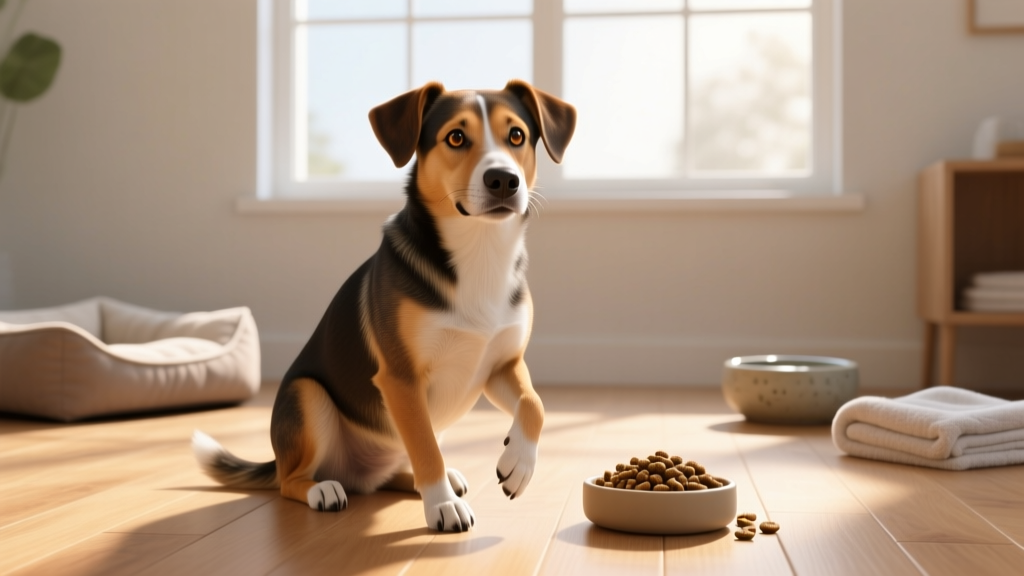
Understanding Diarrhea in Dogs: What Every Owner Needs to Know
Canine diarrhea is the passage of loose, watery, or unformed stools occurring more frequently than normal. It is not a disease itself but a clinical sign of an underlying issue — ranging from simple dietary indiscretion (eating something unusual) to serious conditions like parvovirus, inflammatory bowel disease (IBD), or intestinal parasites. According to the Merck Veterinary Manual, diarrhea is one of the most common reasons dog owners visit veterinary clinics, accounting for an estimated 15–20% of all primary care presentations.
Acute diarrhea lasts less than 7–10 days and often resolves with dietary management and supportive care. Chronic diarrhea persists beyond 2–3 weeks and requires thorough diagnostic investigation. The good news? Nutrition plays a central role in both recovery and prevention — and choosing the best dog food for diarrhea is often the first line of treatment your veterinarian will recommend.
Symptom Checklist: Recognizing Severity Early
Not all diarrhea looks the same. Being able to classify your dog's symptoms helps you decide whether to monitor at home or rush to the emergency clinic.
| Severity Level | Symptoms | Action |
|---|---|---|
| Mild (Early Warning) |
|
Monitor at home; begin bland diet protocol |
| Moderate |
|
Contact your vet within 24 hours; begin fasting/bland diet if advised |
| Severe (Emergency) |
|
Emergency vet visit immediately |
Risk Factors: Which Dogs Are Most Vulnerable?
Key Risk Factors for Canine Diarrhea
Age: Puppies under 6 months are at highest risk due to immature immune systems and incomplete vaccination status. Senior dogs (8+ years) face increased risk from age-related organ decline and medication side effects.
Breed Predisposition: German Shepherds have a documented predisposition to exocrine pancreatic insufficiency (EPI) and IBD. Boxers are prone to histiocytic ulcerative colitis (Boxer colitis). Yorkshire Terriers, Soft-Coated Wheaten Terriers, and Norwegian Lundehunds show elevated rates of protein-losing enteropathy. Labrador Retrievers and Great Danes are overrepresented in dietary sensitivity cases.
Environment: Dogs in boarding facilities, dog parks, shelters, or multi-dog households face higher exposure to infectious agents like Giardia, Campylobacter, and parvovirus. Dogs with access to garbage, compost, or standing water are at elevated risk.
Dietary History: Dogs on grain-free boutique diets, raw food diets without veterinary formulation, or frequent treat/table-scrap feeding have higher rates of dietary-related GI upset. Sudden diet transitions without a 7–10 day gradual switch are a leading trigger.
Medication Use: NSAIDs (carprofen, meloxicam), antibiotics (amoxicillin-clavulanate, metronidazole), and chemotherapy agents commonly cause GI side effects including diarrhea.
Stress: Travel, rehoming, new household members, and thunderstorm/firework anxiety can trigger stress colitis — a well-documented phenomenon in canine behavioral medicine.
How Veterinarians Diagnose the Cause of Diarrhea
Because diarrhea is a symptom rather than a diagnosis, your veterinarian will follow a systematic diagnostic process to identify the root cause. The depth of investigation depends on duration, severity, and response to initial treatment.
Diagnostic Process & Estimated Costs (2026 US Averages)
- Physical Examination & History ($65–$120 office visit)
Your vet will assess hydration status via skin turgor test, palpate the abdomen for pain/masses/foreign bodies, check rectal temperature (normal: 101.0–102.5°F / 38.3–39.2°C), and review diet history, vaccination status, deworming schedule, and recent environmental changes. - Fecal Analysis Panel ($45–$95)
Includes fecal flotation (for helminth eggs), fecal antigen tests (Giardia, Cryptosporidium), and fecal cytology. A minimum of 3 fecal samples on separate days improves parasite detection sensitivity to approximately 85%. - Complete Blood Count (CBC) & Serum Biochemistry ($120–$220)
Evaluates white blood cell patterns (infection, inflammation), red blood cell indices (anemia from GI bleeding), albumin levels (protein-losing enteropathy if below 2.0 g/dL), liver enzymes, kidney values, and electrolyte imbalances from fluid loss. - Canine Pancreatic Lipase (cPLI) Test ($85–$150)
Specifically screens for pancreatitis — a common cause of acute diarrhea with vomiting. Values above 400 µg/L are considered diagnostic. - Abdominal Ultrasound ($350–$600)
Indicated for chronic diarrhea or when physical exam suggests intestinal wall thickening, mesenteric lymphadenopathy, or foreign body. Performed by a boarded veterinary radiologist or experienced GP. - Intestinal Biopsy ($800–$2,500 via endoscopy; $1,500–$4,000 via surgical laparotomy)
Reserved for chronic, refractory cases where IBD, lymphoma, or lymphangiectasia is suspected. Endoscopic biopsies sample only the mucosal layer and may miss deeper pathology; full-thickness surgical biopsies provide more complete histopathology. - Cobalamin (B12) & Folate Levels ($60–$110)
Low cobalamin indicates distal small intestinal disease (ileal dysfunction). Low folate suggests proximal small intestinal disease (jejunal). Both guide localization and treatment decisions.
Treatment Options: From Bland Diets to Prescription Nutrition
The best dog food for diarrhea depends entirely on the underlying cause. Treatment follows a tiered approach, starting with the least invasive option.
| Treatment Tier | Approach | Success Rate | Typical Duration |
|---|---|---|---|
| Tier 1: Dietary Management | 12–24 hour fasting period (adult dogs only — never fast puppies or toy breeds), followed by bland diet: boiled boneless chicken breast (no skin, no seasoning) and white rice in a 1:2 ratio by volume. Feed small meals 4–6 times daily. Transition to a highly digestible commercial diet after 3–5 days. | 70–85% resolution for acute, uncomplicated cases within 48–72 hours | 3–7 days total protocol |
| Tier 2: Prescription GI Diets | Veterinary therapeutic diets formulated for GI recovery. Key options include: • Hill's Prescription Diet i/d — highly digestible, moderate fat, added prebiotic fiber • Royal Canin Gastrointestinal Low Fat — 7.5% fat (as-fed), ideal for pancreatitis-associated diarrhea • Purina Pro Plan Veterinary Diets EN Gastroenteric — high digestibility, added coconut oil (MCTs) • Royal Canin Gastrointestinal High Energy — calorie-dense for dogs with poor appetite |
80–90% for dietary-responsive enteropathies; partial response in IBD cases | 2–12 weeks trial, then reassess |
| Tier 3: Medications |
• Metronidazole (10–15 mg/kg PO every 12 hours) — antimicrobial and anti-inflammatory for the colon. Typical course: 7–10 days. • Tylosin (20–25 mg/kg PO every 8–12 hours) — for antibiotic-responsive diarrhea (ARD). Course: 2–4 weeks. • Probiotics — Enterococcus faecium SF68 (FortiFlora) or Lactobacillus-based (Proviable). Shown in clinical studies to reduce diarrhea duration by approximately 1 day. • Dewormers — fenbendazole (50 mg/kg daily for 3–5 days) for roundworms, hookworms, whipworms, and Giardia. |
Varies by condition; 60–80% for ARD with tylosin | 1–4 weeks depending on agent |
| Tier 4: Advanced/Surgical | For refractory IBD: immunosuppressive therapy with prednisone (2 mg/kg/day tapered over 8–12 weeks) ± chlorambucil. For intestinal lymphoma: CHOP-based chemotherapy protocols. For foreign body obstruction or intussusception: surgical resection and anastomosis. | IBD remission: 60–75% with appropriate immunosuppression. Low-grade lymphoma with chlorambucil: median survival 20–30 months. Surgical obstruction: 90%+ survival with timely intervention. | Months to lifelong management |
Best Dog Food for Diarrhea: Specific Product Recommendations
When your vet recommends a dietary approach, these are the categories and specific products that consistently perform well in clinical settings:
For Acute Diarrhea Recovery (Short-Term, 3–7 Days)
Hill's Prescription Diet i/d Digestive Care (Canned) — Cost: $3.50–$4.50 per 13 oz can. Guaranteed analysis: crude protein 8.5% min, crude fat 4.5% min, crude fiber 1.5% max. Highly digestible (dry matter digestibility >90%). Contains clinician's fiber blend and added electrolytes for rehydration support. Available only through veterinary clinics or authorized online retailers (Chewy Vet Diet, VetRxDirect).
Royal Canin Veterinary Diet Gastrointestinal Low Fat (Dry) — Cost: $85–$105 per 22 lb bag. Fat content at 7.5% as-fed makes this the preferred choice when pancreatitis is suspected or confirmed. Enhanced palatability for dogs with reduced appetite. Added soluble fiber from psyllium and beet pulp supports stool formation.
For Chronic Diarrhea / Food Sensitivity (Long-Term Management)
Purina Pro Plan Veterinary Diets HA Hydrolyzed Protein — Cost: $90–$115 per 24 lb bag. Uses hydrolyzed soy protein (molecular weight <10,000 Daltons) to minimize immune-triggered reactions. This is the gold-standard diet for food elimination trials lasting 8–12 weeks. If diarrhea resolves during the trial and recurs upon challenge with the original diet, food allergy is confirmed.
Royal Canin Veterinary Diet Selected Protein Adult PR (Novel Protein) — Cost: $80–$100 per 22 lb bag. Uses rabbit or venison as the sole protein source — proteins most dogs have never encountered. Appropriate for dogs with confirmed food protein intolerance who need a long-term maintenance diet.
For Fiber-Responsive Large Bowel Diarrhea (Colitis)
Royal Canin Veterinary Diet Gastrointestinal Moderate Calorie — Cost: $75–$95 per 22 lb bag. Contains a specific blend of soluble and insoluble fibers designed to support colonic health and promote normal stool consistency in dogs with chronic colitis. Moderate calorie density helps prevent weight gain in less active dogs on long-term GI diets.
Prognosis by Condition: What to Expect
| Underlying Cause | Prognosis | Expected Recovery Timeline | Life Expectancy Impact |
|---|---|---|---|
| Dietary indiscretion (ate garbage, sudden diet change) | Excellent — self-limiting in most cases | 24–72 hours with bland diet | No long-term impact |
| Intestinal parasites (Giardia, roundworms, whipworms) | Excellent with appropriate deworming | 5–14 days post-treatment | No long-term impact if treated promptly |
| Acute hemorrhagic diarrhea syndrome (AHDS) | Good with aggressive IV fluid therapy; guarded without treatment | 3–7 days with hospitalization | Full recovery typical; recurrence possible |
| Parvovirus (unvaccinated puppies) | Guarded to fair with intensive care (68–92% survival with hospitalization per AVMA); poor without treatment | 5–10 days hospitalization; 2–3 weeks full recovery | Survivors typically have normal lifespan; lifelong immunity post-recovery |
| Inflammatory bowel disease (IBD) | Fair to good with long-term dietary and/or medical management | 2–8 weeks to initial response; lifelong management | Near-normal lifespan with controlled disease; reduced if refractory |
| Intestinal lymphoma (small cell, low-grade) | Fair with chlorambucil + prednisone protocol | Ongoing treatment; remission periods of months to years | Median survival 20–30 months with treatment |
| Exocrine pancreatic insufficiency (EPI) | Good with lifelong pancreatic enzyme replacement | Improvement within 5–7 days of starting enzymes | Normal lifespan with consistent enzyme supplementation |
Home Care & Daily Management Protocol
Once your vet has ruled out emergencies and prescribed a treatment plan, your home care routine becomes critical for recovery.
The Bland Diet Protocol (For Acute Cases)
- Fast for 12–24 hours (adult dogs over 15 lb / 7 kg only). Provide free access to fresh water. Add unflavored Pedialyte at 1:1 ratio with water for electrolyte support if your vet approves. Never fast puppies under 6 months, toy breeds under 10 lb (4.5 kg), or diabetic dogs without direct veterinary instruction — hypoglycemia risk is significant.
- Introduce bland food in tiny portions: 1–2 tablespoons per 10 lb of body weight, offered every 3–4 hours. Use boiled, skinless, boneless chicken breast (shredded) mixed with overcooked white rice at a 1:2 ratio. Alternatively, boiled lean ground turkey (93% lean or higher, drained of fat) or low-fat cottage cheese can substitute for chicken.
- Gradually increase portions over 2–3 days while decreasing feeding frequency to 3 meals/day.
- Transition back to regular diet (or prescribed GI diet) over 7–10 days using the 25/50/75/100% mixing schedule.
Ongoing Monitoring Checklist
- Stool log: Photograph each bowel movement and note time, consistency (use the Purina Fecal Scoring System: aim for score 2–3), color, and presence of blood or mucus. Share with your vet at follow-up.
- Hydration check: Gently pinch the skin between shoulder blades — it should snap back in under 1 second. Check gum moisture (should feel slick, not tacky). Monitor water intake — normal is approximately 1 oz per pound of body weight per day.
- Weight tracking: Weigh your dog weekly during recovery. More than 5% body weight loss in one week warrants a vet call.
- Appetite journal: Note meal sizes consumed, refusals, and any post-meal vomiting or discomfort.
Treatment Cost Breakdown: What to Budget For
Realistic Cost Scenarios (2026 US Estimates)
Best-Case Scenario (Simple Dietary Indiscretion): $150–$350 total
Includes: office visit ($65–$120), fecal test ($45–$95), probiotics ($25–$40), and prescription GI diet ($40–$80 for 2–4 weeks). No further workup needed if symptoms resolve within 48–72 hours.
Mid-Range Scenario (Suspected Parasites or Mild IBD): $500–$1,200 total
Includes: office visit, fecal panel, CBC/chemistry ($120–$220), deworming or metronidazole course ($30–$75), prescription diet, and one follow-up visit ($55–$95).
Complex Scenario (Chronic Diarrhea Requiring Advanced Diagnostics): $2,000–$6,000+
Includes: all baseline tests, abdominal ultrasound ($350–$600), cobalamin/folate panel ($60–$110), cPLI test ($85–$150), endoscopic biopsy ($800–$2,500), and long-term immunosuppressive medications ($50–$200/month ongoing).
Emergency Scenario (AHDS, Parvovirus, or Obstruction): $2,500–$8,000+
Includes: emergency clinic intake fee ($150–$250), IV fluid therapy ($500–$1,500 for 2–5 days hospitalization), injectable medications, continuous monitoring, and possible surgical intervention ($1,500–$4,000).
Pro Tip: Pet insurance with illness coverage (e.g., Trupanion, Healthy Paws, Lemonade) typically covers 70–90% of diagnostic and treatment costs after deductible. Average monthly premiums for dogs range from $30–$70 depending on breed, age, and location. Given that a single GI emergency can exceed $5,000, insurance provides meaningful financial protection.
Prevention: Reducing Diarrhea Risk Long-Term
While not all causes of diarrhea are preventable, these evidence-based strategies significantly reduce risk:
- Maintain a consistent diet: Avoid frequent food brand switching. When transitions are necessary, follow a minimum 7–10 day gradual protocol. Limit treats to no more than 10% of total daily caloric intake (per the AKC nutrition guidelines).
- Restrict access to hazards: Secure trash cans with locking lids. Prevent access to compost piles, standing water, rodent bait, and unknown substances during walks. Use a "leave it" cue trained through positive reinforcement.
- Stay current on parasite prevention: Administer monthly heartworm/intestinal parasite preventives year-round (e.g., Heartgard Plus, Interceptor Plus, Simparica Trio). Submit annual fecal examinations — twice yearly for dogs with outdoor exposure.
- Keep vaccinations current: Core vaccines (DHPP, which includes parvovirus protection) should follow AVMA-recommended schedules. Adult dogs typically receive DHPP boosters every 3 years after the initial puppy series.
- Manage stress proactively: For dogs with known stress colitis triggers, consider pre-event supplementation with a calming probiotic (e.g., Calming Care by Purina Pro Plan) starting 2–3 days before anticipated stressors. For severe anxiety, discuss situational anti-anxiety medication (trazodone 5–10 mg/kg) with your veterinarian.
- Avoid high-fat treats and table scraps: Fatty foods (bacon grease, buttered toast, fried chicken skin) are a leading trigger for pancreatitis-associated diarrhea, particularly in Miniature Schnauzers, Cocker Spaniels, and Yorkshire Terriers.
- Diarrhea containing large amounts of blood (bright red or dark/tarry black)
- Concurrent vomiting that prevents water retention for 12+ hours
- Signs of severe dehydration: tacky/dry gums, skin that stays tented when pinched, sunken eyes
- Abdominal distension (bloating) or rigid, painful abdomen
- Known ingestion of toxins, foreign objects, or human medications — call ASPCA Animal Poison Control at (888) 426-4435 (24/7, consultation fee applies) or Pet Poison Helpline at (855) 764-7661
- Puppies under 6 months with any diarrhea lasting more than 12 hours
- Diarrhea in dogs currently on immunosuppressive medication or chemotherapy
- No improvement after 48 hours of bland diet protocol
Frequently Asked Questions
What is the best dog food for diarrhea right now?
For acute episodes, a temporary bland diet of boiled chicken and white rice (1:2 ratio) for 3–5 days is the standard first approach. For dogs needing a commercial diet, veterinary-prescribed options like Hill's i/d, Royal Canin Gastrointestinal Low Fat, or Purina EN are the most evidence-backed choices. Never feed a grain-free, high-fat, or raw diet during active diarrhea — these can worsen symptoms.
Can I feed my dog scrambled eggs when they have diarrhea?
Yes, plain scrambled eggs (no butter, oil, salt, or cheese) are generally well-tolerated and provide easily digestible protein. Offer 1 egg per 20 lb of body weight as part of a bland meal. However, eggs should complement — not replace — a comprehensive bland diet approach. If your dog has a known egg allergy or pancreatitis, skip eggs and consult your vet.
How long should I wait before taking my dog to the vet for diarrhea?
For healthy adult dogs with mild symptoms (soft stool, normal energy, still eating), you can monitor at home for 24–48 hours. For puppies under 6 months, toy breeds, senior dogs, or any dog showing vomiting, blood in stool, lethargy, or refusing food — seek veterinary care within 12 hours. Dehydration can become dangerous in small dogs within 24 hours.
Is pumpkin good for dog diarrhea?
Plain canned pumpkin (100% pumpkin purée, NOT pumpkin pie filling) can help firm stools due to its soluble fiber content. Dose: 1 teaspoon per 10 lb of body weight, mixed into food, 1–2 times daily. It works best for mild, fiber-responsive cases. It is not a substitute for veterinary care in moderate or severe diarrhea.
Should I fast my dog when they have diarrhea?
A 12–24 hour fast (water only) can allow the GI tract to rest and is appropriate for healthy adult dogs over 15 lb. However, fasting is contraindicated for puppies, toy breeds (risk of hypoglycemia), diabetic dogs, dogs with hypoadrenocorticism (Addison's disease), and dogs that are already underweight. When in doubt, skip the fast and go straight to small, frequent bland meals.
Can diarrhea in dogs be a sign of cancer?
Yes. Chronic diarrhea that does not respond to dietary changes and standard medical treatment can indicate intestinal lymphoma, adenocarcinoma, or mast cell disease. This is why persistent diarrhea (beyond 2–3 weeks) always warrants full diagnostic workup including imaging and potentially intestinal biopsy. Early detection significantly improves treatment outcomes for GI cancers.
Which breeds are most prone to chronic diarrhea?
Breeds with documented predispositions include: German Shepherds (EPI, IBD, perianal fistula), Boxers (histiocytic ulcerative colitis), Soft-Coated Wheaten Terriers (protein-losing enteropathy), Yorkshire Terriers (protein-losing enteropathy, lymphangiectasia), Norwegian Lundehunds (protein-losing enteropathy — breed-specific), Labrador Retrievers (dietary sensitivities), and Miniature Schnauzers (pancreatitis-associated diarrhea). If you own one of these breeds, discuss breed-specific GI screening with your veterinarian at annual wellness visits.
Beth Carrasco
All our authors care for dogs every day — read more of their work on the authors page.