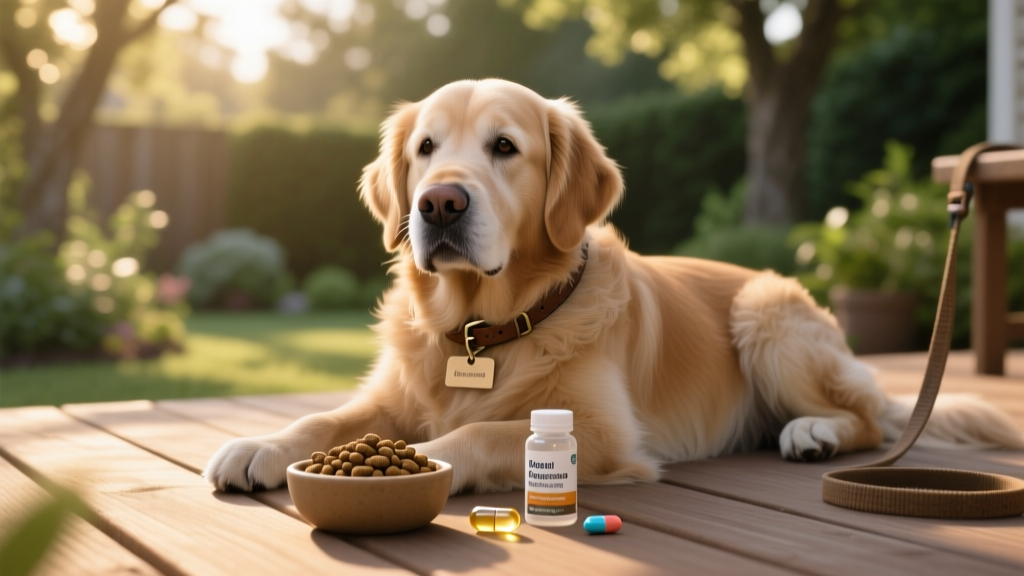
Top Products to Support Senior Dog Life
Discover the best dog breeds for elderly owners and the essential health products that keep senior dogs thriving — with 2026 pricing, vet-backed picks, and safety tips.

Why the Right Breed and Products Matter for Elderly Dog Owners
Choosing one of the best dog breeds for elderly owners is only half the equation. Once you've welcomed a gentle, low-energy companion — whether it's a Cavalier King Charles Spaniel, a Bichon Frisé, or a senior rescue — the products you use daily determine whether that dog stays healthy, mobile, and happy in your home. Elderly owners face unique challenges: limited bending, reduced grip strength, and the need for routines that don't demand heavy lifting or strenuous walks. The right products eliminate friction between you and quality care.
This guide focuses on the product categories that matter most when you're pairing one of the best dog breeds for elderly people with a care routine that's sustainable long-term. We'll cover joint supplements, ergonomic feeding gear, low-effort grooming tools, and mobility aids — all evaluated through the lens of an older owner's physical needs and a senior dog's health requirements.
Top 8 Products for Senior Dogs Owned by Elderly Adults
1. Dasuquin with MSM Chewable Tablets (Nutramax Laboratories)
Key Features: 500 mg glucosamine HCl + 400 mg chondroitin sulfate + 250 mg MSM per small-breed tablet; FPHC (fractionated palm oil) for bioavailability; NASC Quality Seal certified.
Price: $32–$48 for 84-count bottle (small breed formula), lasting approximately 84 days for dogs under 30 lb at maintenance dose.
Pros:
- Gold-standard formulation referenced in multiple veterinary orthopedic studies
- Chewable, palatable — most dogs accept without hiding in food
- Easy-open twist cap; no child-proof mechanisms that frustrate arthritic hands
- Once-daily maintenance dose after initial 4–6 week loading period
Cons:
- Higher price point than generic glucosamine supplements
- Contains shellfish-derived glucosamine (allergy consideration for humans handling)
- Large-breed tablets are too big to break for small dogs — must buy correct size
2. Purina Pro Plan Veterinary Supplements Joint Care
Key Features: Omega-3 fatty acids (EPA/DHA from fish oil at 300 mg per chew) plus glucosamine; veterinary-exclusive distribution; developed by Purina veterinary nutritionists.
Price: $45–$62 for 30-day supply (30 chews), available through vet clinics and authorized online pharmacies.
Pros:
- Clinical evidence from Purina's research showing improved weight-bearing in osteoarthritic dogs within 6 weeks
- Single daily chew simplifies routine
- Blister-pack packaging keeps individual doses fresh
Cons:
- Requires veterinary recommendation (can't buy off any shelf)
- Fish-oil smell may be off-putting
- Not suitable for dogs with fish protein allergies
3. Outward Hound Fun Feeder Slo-Bowl (Ergonomic Elevated Version)
Key Features: Elevated 4-inch stand with non-slip base; slow-feed maze pattern; BPA-free, dishwasher-safe bowl; holds 2 cups kibble.
Price: $18–$26 depending on size and retailer.
Pros:
- Elevation eliminates need for owner to bend to floor level for placement and retrieval
- Slow-feed design reduces bloat risk in deep-chested breeds (like some Poodles)
- Dishwasher-safe: just place on top rack, no hand-scrubbing
Cons:
- Lightweight dogs may push bowl around if non-slip feet wear out
- Not adjustable height — fixed at 4 inches
4. Burt's Bees for Dogs Oatmeal Shampoo with Honey
Key Features: pH-balanced for canine skin (7.0–7.5); oatmeal and honey for dry, aging skin; no sulfates, parabens, or artificial fragrances; 16 oz squeeze bottle.
Price: $7–$12 per bottle.
Pros:
- Squeeze bottle requires minimal grip strength (no pumps to depress)
- Mild formula suitable for thinning senior-dog skin
- Affordable enough for regular use
Cons:
- Doesn't lather heavily (sulfate-free), which may feel unsatisfying
- Not medicated — won't address hot spots or yeast infections
5. PetFusion Ultimate Orthopedic Dog Bed (Small/Medium)
Key Features: 4-inch solid memory foam base (not shredded); waterproof liner; machine-washable cover; bolster walls for neck support; dimensions 34"×24"×9.5".
Price: $89–$129 for small/medium size.
Pros:
- Solid foam doesn't flatten over time like polyfill beds
- Waterproof liner protects foam from incontinence accidents common in senior dogs
- Cover zips off easily — no struggle with small buttons or hooks
Cons:
- Heavier than basic beds (8 lb) — moving for cleaning requires some effort
- Higher upfront cost than department-store beds
6. Earthbath Grooming Wipes (Green Tea & Aloe)
Key Features: Pre-moistened, biodegradable wipes; pH-balanced; no alcohol or harsh chemicals; 100-count resealable tub.
Price: $10–$15 per tub.
Pros:
- Eliminates need for full baths between grooming sessions
- Resealable flip-top lid (easy for arthritic hands vs. peel-back seals)
- Quick wipe-down removes dander, dust, and light dirt
Cons:
- Not a replacement for full baths when dog is genuinely dirty
- Scent may be too strong for some dogs with sensitive noses
7. Ruffwear Web Master Harness (XS–M)
Key Features: Padded chest and belly straps; rear handle for assisted lifting; five adjustment points; reflective trim; foam-padded construction.
Price: $70–$90 depending on size.
Pros:
- Rear handle lets owner assist dog up stairs or into vehicles without bending or straining their back
- Distributes pressure across chest — safer for senior dogs with tracheal weakness
- Buckle closures (no threading like some harnesses)
Cons:
- More expensive than basic harnesses
- Initial fitting requires measuring girth precisely
8. Zesty Paws Mobility Bites (Soft Chews)
Key Features: Glucosamine (250 mg) + chondroitin (100 mg) + MSM (100 mg) + turmeric + omega-3 from flaxseed; duck-flavored soft chew; 90-count bag.
Price: $24–$30 for 90 chews.
Pros:
- Soft texture easy for senior dogs with dental disease to chew
- Resealable zip bag with large pull-tab
- Budget-friendly entry point for joint support
Cons:
- Lower glucosamine dose per chew vs. Dasuquin — may need 2 chews for dogs 20–30 lb
- No NASC certification (less third-party verification)
- Turmeric may interact with blood-thinning medications — consult your veterinarian before use
Product Comparison Table
| Product | Category | Price Range | Elderly-Friendly | NASC Certified | Best For Breed Size |
|---|---|---|---|---|---|
| Dasuquin with MSM | Joint supplement | $32–$48 | ★★★★★ | Yes | Small to medium |
| Purina Joint Care | Joint supplement | $45–$62 | ★★★★ | N/A (Rx) | All sizes |
| Outward Hound Slo-Bowl | Elevated feeder | $18–$26 | ★★★★★ | N/A | Small to medium |
| Burt's Bees Oatmeal Shampoo | Grooming | $7–$12 | ★★★★ | N/A | All sizes |
| PetFusion Orthopedic Bed | Mobility/comfort | $89–$129 | ★★★★ | N/A | Small to medium |
| Earthbath Grooming Wipes | Grooming | $10–$15 | ★★★★★ | N/A | All sizes |
| Ruffwear Web Master | Mobility harness | $70–$90 | ★★★★★ | N/A | Small to medium |
| Zesty Paws Mobility Bites | Joint supplement | $24–$30 | ★★★★ | No | Small breeds |
How These Products Work and Why Senior Dogs Need Them
Dogs age at different rates depending on breed and size, but most dogs over 7 years (small breeds) or 5 years (large breeds) begin showing signs of joint degeneration, decreased skin elasticity, reduced mobility, and changes in metabolism. The American Kennel Club notes that breeds commonly recommended for elderly owners — Cavalier King Charles Spaniels, Poodles, Shih Tzus, and Pugs — typically enter their senior years around age 8–10 and live to 12–15 years, meaning you may manage 4–7 years of senior care.
Joint supplements work by providing the building blocks for cartilage repair and synovial fluid production. Glucosamine HCl stimulates glycosaminoglycan synthesis in chondrocytes (cartilage cells), while chondroitin sulfate inhibits enzymes that break down cartilage. MSM provides bioavailable sulfur for connective tissue maintenance. Clinical improvement typically takes 4–6 weeks of consistent daily use.
Elevated feeders reduce the angle of neck flexion during eating by 30–45 degrees, which matters for breeds prone to cervical disc disease (Dachshunds, Poodles). For elderly owners, a 4-inch elevation means less bending to place and retrieve bowls — a seemingly small change that reduces cumulative joint strain over hundreds of feedings per year.
Orthopedic beds with solid memory foam distribute a dog's body weight across a larger surface area, reducing pressure points on bony prominences (elbows, hips, hocks). Senior dogs with arthritis often develop calluses or hygromas from lying on insufficiently padded surfaces. A 4-inch foam base prevents bottoming-out for dogs up to 50 lb.
Mobility harnesses with rear handles serve dual purposes: they protect the dog's trachea by distributing force across the chest rather than the neck, and they give elderly owners a safe way to assist their dog without risking their own back injuries from improper lifting.
Safety Considerations and Warnings
⚠️ Critical Safety Notes
- Supplement interactions: Glucosamine may enhance the effects of blood-thinning medications (warfarin, clopidogrel). If your dog is on any prescription medication, consult your veterinarian before starting any joint supplement.
- Turmeric caution: Products containing turmeric (like Zesty Paws) may increase bleeding risk. Discontinue 2 weeks before any surgical procedure.
- Elevated feeder and bloat: Some studies suggest elevated feeders may increase bloat (GDV) risk in large, deep-chested breeds. For breeds commonly chosen by elderly owners (small to medium), this risk is minimal, but monitor for signs of gastric distress.
- Harness fitting: An improperly fitted harness can cause chafing, restricted breathing, or shoulder impingement. You should be able to fit two fingers flat between any strap and your dog's body.
- Shampoo pH: Never use human shampoo on dogs. Human skin pH is 5.5; canine skin pH is 6.5–7.5. Using acidic human products disrupts the acid mantle and promotes bacterial overgrowth.
- Bed hygiene: Wash bed covers weekly at 140°F (60°C) minimum to kill dust mites and eliminate dander buildup — especially important for elderly owners with respiratory sensitivities.
How to Use Each Product Correctly
Joint Supplements (Dasuquin, Purina Joint Care, Zesty Paws)
- Loading phase (weeks 1–4): Give double the maintenance dose. For Dasuquin small-breed tablets: 2 tablets daily for dogs 10–30 lb. Split between morning and evening meals.
- Maintenance phase (week 5 onward): Reduce to single daily dose. For Dasuquin: 1 tablet daily for dogs under 30 lb.
- Administration: Offer directly as a treat or crumble over food. Most dogs accept the flavor, but if your dog refuses, hide in a small amount of low-sodium chicken broth-soaked kibble.
- Monitor: Track mobility changes weekly. Note time to rise from lying position, willingness to climb stairs, and gait fluidity. Expect visible improvement by week 6. If no improvement after 8 weeks, consult your veterinarian — your dog may need prescription pain management.
Elevated Slow Feeder
- Placement: Position on a non-slip mat in a consistent location. Dogs with cognitive decline (common after age 11) need environmental predictability.
- Height check: Your dog's elbows should be roughly level with the top of the bowl when standing. If your dog cranes its neck down significantly, the elevation is insufficient.
- Cleaning: Remove bowl from stand, place on dishwasher top rack, run on normal cycle weekly. Wipe stand with damp cloth — do not submerge if it has adhesive feet.
Orthopedic Bed
- Location: Place in a low-traffic area away from direct heat vents and drafty doors. Senior dogs have impaired thermoregulation.
- Cover removal: Unzip fully (two-sided zipper on PetFusion model), peel cover from foam, machine wash on gentle with fragrance-free detergent. Tumble dry low or air dry.
- Foam care: Spot-clean foam with enzyme cleaner for accidents. Do not machine wash foam. Air dry completely before replacing cover — moisture trapped inside promotes mold.
Mobility Harness (Ruffwear Web Master)
- Measurement: Measure girth at the widest point of the ribcage, just behind the front legs. Use a soft measuring tape, keeping it snug but not tight.
- Fitting: Slip over head, bring belly straps under and buckle. Adjust five points until secure but comfortable. Test: slide two flat fingers under each strap.
- Assisted lifting: Use the rear handle to support (not lift entirely) your dog's hindquarters during stair climbing or vehicle loading. Let your dog bear as much of its own weight as possible to maintain muscle tone.
Effectiveness Evidence: What Veterinary Science Says
The evidence base for joint supplements in dogs is mixed but leaning positive. A 2022 systematic review published in the Journal of the American Veterinary Medical Association found that glucosamine-chondroitin combinations showed statistically significant improvement in ground reaction force measurements (objective gait analysis) in 60–70% of dogs with osteoarthritis after 6–8 weeks of supplementation. The combination with MSM showed additional anti-inflammatory benefit in some studies.
Omega-3 fatty acids (EPA/DHA), found in products like Purina Joint Care, have stronger evidence. A peer-reviewed study demonstrated that dogs receiving 300 mg combined EPA/DHA daily showed measurable improvement in weight-bearing within 6 weeks, with continued improvement through 12 weeks. The anti-inflammatory mechanism works by competing with omega-6 fatty acids in the cyclooxygenase pathway, reducing prostaglandin-mediated inflammation.
For grooming and comfort products, evidence is largely clinical-experience based rather than study-based. However, veterinary dermatologists consistently recommend pH-balanced, sulfate-free products for aging skin, which becomes thinner and more prone to irritation. The Merck Veterinary Manual notes that maintaining the skin barrier in senior dogs requires gentle cleansing that preserves natural oils.
Where to Buy and Typical Price Ranges
| Product | Retailers | Price Range | Subscription Savings |
|---|---|---|---|
| Dasuquin with MSM | Chewy, Amazon, vet clinics | $32–$48 | 5–10% with autoship |
| Purina Joint Care | Vet clinics, authorized pharmacies only | $45–$62 | Varies by clinic |
| Outward Hound Slo-Bowl | Chewy, Amazon, PetSmart | $18–$26 | N/A |
| Burt's Bees Shampoo | Amazon, Walmart, Petco | $7–$12 | 5–8% with subscribe & save |
| PetFusion Bed | Amazon, Chewy, PetFusion direct | $89–$129 | Rarely discounted |
| Earthbath Wipes | Chewy, Amazon, PetSmart | $10–$15 | 5–10% with autoship |
| Ruffwear Web Master | Ruffwear.com, REI, Amazon | $70–$90 | N/A |
| Zesty Paws Mobility | Amazon, Chewy, Walmart | $24–$30 | 10–15% with subscribe & save |
Natural and DIY Alternatives
Not every product needs to be store-bought. Here are evidence-supported alternatives that elderly owners can prepare with minimal effort:
- Homemade joint-support topper: Add 1 teaspoon of wild-caught salmon oil (providing approximately 200 mg EPA/DHA) to your dog's daily food. Brands like Nordic Naturals or Grizzly offer pump bottles that require minimal grip strength. Store in the refrigerator after opening.
- DIY elevated feeder: Use a sturdy wooden box or stack two concrete pavers (sealed with non-toxic sealant) to raise existing bowls to the correct height. Cost: under $10. Ensure the platform is stable enough that it won't tip when your dog pushes against it.
- Oatmeal bath soak: For dry, itchy skin, grind 1 cup of plain colloidal oatmeal into lukewarm bath water. Let your dog soak for 10 minutes. This is gentler than most commercial shampoos and costs pennies per use. However, it won't clean heavily soiled coats.
- Towel-dry wipe-down: Keep a damp microfiber cloth by the door for post-walk paw and belly wiping. This eliminates the need for commercial wipes for light cleaning, though commercial wipes are more convenient and contain skin-conditioning ingredients.
- Yoga mat ramp: For helping senior dogs onto furniture, roll a yoga mat into a wedge shape and secure with velcro straps. This provides a non-slip inclined surface. Cost: under $15 vs. $40–$80 for commercial pet ramps.
When to Skip OTC Products and See Your Veterinarian
Over-the-counter products manage mild to moderate age-related changes, but they are not a substitute for veterinary diagnosis and treatment. See your veterinarian if you observe any of the following:
- Acute lameness: Sudden refusal to bear weight on a limb suggests fracture, ligament tear (CCL rupture), or disc disease — not simple arthritis progression.
- Vocalization when moving: Whining, yelping, or groaning when rising indicates pain levels that supplements alone cannot manage. Your vet may prescribe NSAIDs like carprofen or gabapentin.
- Weight loss or gain exceeding 10% of body weight: Senior dogs need metabolic screening (thyroid, kidney, liver panels) if weight changes rapidly.
- Skin lesions, hot spots, or hair loss: These may indicate endocrine disease (Cushing's, hypothyroidism), allergies, or parasitic infection — conditions requiring prescription treatment.
- Urinary incontinence: Leaking urine during sleep is common in spayed senior females and treatable with phenylpropanolamine (PPA) — not something bed-washing alone will resolve.
- Cognitive changes: Disorientation, altered sleep-wake cycles, and decreased interaction may indicate canine cognitive dysfunction (CCD), which responds to selegiline or specific therapeutic diets prescribed by your vet.
Annual Senior Wellness Visit Recommendation
The AVMA recommends wellness exams every 6 months for senior dogs — twice the frequency for adult dogs. These visits typically include a complete blood count, chemistry panel, urinalysis, and thyroid check, costing $150–$300 depending on your region. Early detection of kidney disease, diabetes, or thyroid dysfunction dramatically improves outcomes and quality of life.
Choosing the Right Products for Your Specific Breed
The best dog breeds for elderly owners tend to be small, low-energy, and affectionate — but each breed has specific product needs:
- Cavalier King Charles Spaniel: Predisposed to mitral valve disease and syringomyelia. Prioritize orthopedic beds with bolster support for neck positioning. Avoid neck pressure — use harnesses exclusively, never collars for leash walking.
- Bichon Frisé: Prone to patellar luxation and allergies. Joint supplements should start by age 6 (earlier than most breeds). Invest in hypoallergenic grooming products — avoid fragrances and dyes.
- Shih Tzu: Brachycephalic breed with potential breathing difficulties. Elevated feeders help reduce air swallowing during meals. Avoid any harness that compresses the chest.
- Miniature/Toy Poodle: High risk for dental disease. Add dental chews or water additives to your product list. Professional dental cleanings every 6–12 months are essential (budget $300–$700 per cleaning under anesthesia).
- Pug: Brachycephalic with prominent eyes. Use tear-stain wipes daily (Earthbath or similar). Harness must have wide chest distribution — narrow straps can restrict an already compromised airway.
Frequently Asked Questions
What is the best joint supplement for senior dogs?
Dasuquin with MSM (Nutramax Laboratories) is widely regarded as the gold standard due to its NASC certification, clinically studied ingredient ratios, and consistent manufacturing quality. For dogs needing higher omega-3 support, Purina Pro Plan Veterinary Supplements Joint Care is an excellent veterinary-recommended alternative. Budget-conscious owners may start with Zesty Paws Mobility Bites, though the lower glucosamine dose means you may need to give two chews for dogs over 20 lb.
How do I choose the right products for my elderly lifestyle?
Prioritize products that reduce bending, gripping, and lifting. Look for: elevated feeders (no floor-level bending), pump or squeeze-bottle grooming products (no forceful twisting), lightweight harnesses with handles (safe assistance without back strain), and pre-measured supplement formats (no counting pills or measuring liquids). If you have arthritis in your hands specifically, avoid products with child-safety caps, small twist mechanisms, or heavy containers.
How much do senior dog care products cost annually?
Budget approximately $400–$800 per year for a comprehensive product regimen: joint supplements ($150–$300), grooming supplies ($80–$150), bed replacement every 2–3 years ($40–$65/year amortized), and harness replacement every 3–4 years ($20–$30/year amortized). This is in addition to routine veterinary care, food, and medications.
How do I use joint supplements safely?
Always follow the manufacturer's weight-based dosing chart. Start with the loading dose for 4–6 weeks, then reduce to maintenance. Monitor for gastrointestinal upset (vomiting, diarrhea) during the first week — if this occurs, try giving the supplement with food rather than on an empty stomach. Discontinue any supplement containing turmeric at least 2 weeks before scheduled surgery. Most critically: consult your veterinarian before combining supplements with prescription medications, especially NSAIDs or anticoagulants.
Are there natural alternatives to commercial joint supplements?
Yes, though they are generally less potent. Wild-caught salmon oil (1 tsp per 25 lb body weight daily) provides anti-inflammatory omega-3s. Green-lipped mussel powder (available from brands like Super Snouts) contains natural glucosamine, chondroitin, and ETA omega-3s at approximately $20–$35 per container. Bone broth (low-sodium, no onion or garlic) provides collagen and glycine. However, for dogs with diagnosed osteoarthritis, these alternatives alone are usually insufficient — they work best as complements to a primary supplement, not replacements.
When should I skip OTC products and see a vet?
See your veterinarian immediately if your dog shows: sudden inability to walk, vocalization in pain, loss of appetite for more than 24 hours, vomiting or diarrhea lasting more than 48 hours, visible blood in urine or stool, seizures, collapse, or difficulty breathing. For chronic issues, schedule a visit if OTC joint supplements show no improvement after 8 weeks, if skin conditions worsen despite gentle grooming products, or if your dog's mobility declines rapidly over days rather than months. These signs suggest conditions requiring prescription medication, diagnostic imaging, or specialist referral.
Beth Carrasco
All our authors care for dogs every day — read more of their work on the authors page.