Expert-Tested Picks & Buying Guide
Find the best cold weather dog coats for 2026. Compare top-rated insulated, waterproof jackets with sizing guides, pricing, and vet-approved safety tips.
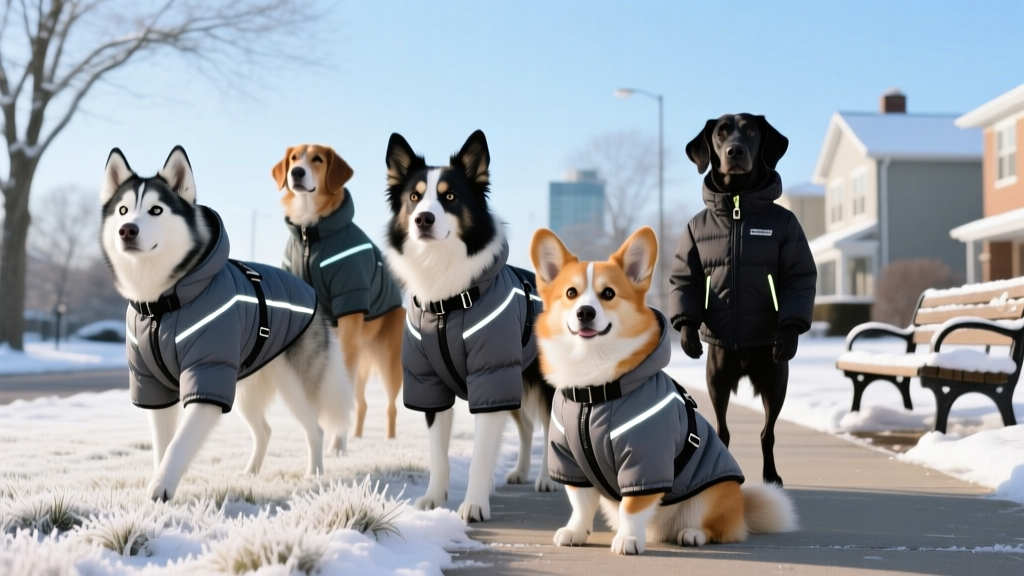
Why Cold Weather Dog Coats Matter More Than You Think
Not every dog is built for winter. While a Siberian Husky's double coat provides natural insulation down to -60°F (-51°C), a Greyhound's single coat and minimal body fat leave them vulnerable to hypothermia at temperatures below 45°F (7°C). According to the American Kennel Club, small breeds, short-haired dogs, senior dogs, and puppies lose body heat significantly faster than larger, thick-coated breeds.
A well-fitted cold weather dog coat isn't a fashion statement — it's a functional piece of protective gear that maintains core body temperature, blocks wind chill, and keeps moisture away from your dog's skin. The right jacket can extend your dog's comfortable outdoor time from 5 minutes to 30+ minutes in freezing conditions.
How to Choose the Right Cold Weather Dog Coat: 6 Buying Criteria
The Cold Weather Coat Decision Framework
Before comparing brands, evaluate these six factors based on your dog's profile and your climate:
| Criterion | What to Look For | Why It Matters |
|---|---|---|
| Insulation type | Synthetic fill (polyester batting, PrimaLoft) or fleece lining; 100-200g fill for moderate cold, 200-400g for extreme cold | Determines warmth-to-weight ratio and performance when wet |
| Waterproofing | Outer shell rated at minimum 5,000mm hydrostatic head; sealed seams for heavy rain/snow | Wet insulation loses up to 90% of its thermal value |
| Coverage area | Full-coverage (neck-to-tail with belly panel) vs. back-only | Belly panels protect vital organs and prevent heat loss from the underside |
| Fit system | Adjustable Velcro straps at chest and belly; harness-compatible leash opening | Prevents chafing, allows layering over harness, ensures coat stays put during movement |
| Breed-specific sizing | Brands offering chest girth + back length + neck measurements (3-point sizing) | Deep-chested breeds (Greyhounds, Dobermans) need different proportions than barrel-chested breeds (Bulldogs) |
| Visibility features | Reflective trim, high-visibility colors, or LED attachment points | Winter walks mean more time in darkness; visibility reduces accident risk |
Top 7 Cold Weather Dog Coats: Detailed Reviews
These selections are based on material quality, fit range, real-world performance in sub-freezing conditions, and value across price points. Prices reflect typical retail ranges as of early 2026.
1. Hurtta Summit Parka — Best Overall for Extreme Cold
Price range: $80–$120 depending on size (sizes 8–25, measured by back length in inches)
Key features: 300g synthetic insulation, Houndtex waterproof membrane (10,000mm rating), adjustable neckline with wind flap, reflective trim, harness opening, belly coverage panel.
Best for: Dogs in sustained temperatures below 20°F (-7°C), active dogs in snowy climates, lean-bodied breeds.
- Exceptional warmth-to-weight ratio
- Finnish-engineered for Nordic conditions
- Machine washable at 40°C
- Wide size range fits 10 lb to 150 lb dogs
- Premium price point
- Sizing runs small — order up if between sizes
- Not ideal for barrel-chested breeds (French Bulldogs may need alternate fit)
2. Ruffwear Overcoat Fuse — Best for Active Dogs
Price range: $90–$110 (sizes XXS–XL)
Key features: Two-layer construction with recycled polyester shell, 250g PrimaLoft Black Eco insulation, belly coverage with side-release buckles, leash portal compatible with Ruffwear harnesses, reflective accents.
Best for: Hiking dogs, trail runners, dogs that need warmth without bulk restriction.
- Low-profile fit allows full range of motion
- PrimaLoft retains warmth when damp
- Eco-friendly recycled materials
- Excellent harness integration
- Shell is water-resistant, not fully waterproof
- Side buckles can loosen on very active dogs during long outings
- Limited color options
3. Kurgo Loft Dog Jacket — Best Budget Option
Price range: $45–$65 (sizes XS–XL)
Key features: Reversible design (two colors in one jacket), 60g polyfill insulation, water-resistant ripstop shell, reflective piping, zipper closure with leash opening.
Best for: Mild-to-moderate cold (30–50°F / -1 to 10°C), budget-conscious owners, dogs that need light wind protection.
- Reversible = two looks, one purchase
- Affordable entry point
- Lightweight and packable
- Lifetime warranty from Kurgo
- 60g fill insufficient below 25°F (-4°C)
- No belly panel — back-only coverage
- Zipper can catch on longer fur
4. Hurtta Extreme Warmer — Best for Deep Freeze
Price range: $100–$145 (sizes 10–25)
Key features: 400g insulation with reflective aluminum foil heat-reflective lining, Houndtex waterproof shell, full belly and chest coverage, adjustable hood, tricot lining against skin.
Best for: Temperatures below 0°F (-18°C), elderly dogs, post-surgery recovery in cold weather, thin-coated breeds in harsh climates.
- Heat-reflective lining recycles body heat
- Maximum coverage including hood for neck/ears
- Tested in Finnish winter conditions to -40°F
- Excellent for dogs with arthritis or joint stiffness
- Highest price in this roundup
- Bulky — restricts high-speed running
- Hood not tolerated by all dogs
- Overkill for moderate winters
5. Canada Pooch Everest Parka — Best for Urban Walks
Price range: $60–$85 (sizes 10–32)
Key features: Fleece-lined interior, water-resistant polyester shell, Velcro belly strap, built-in harness D-ring, reflective chest strip, wide size range for small to large breeds.
Best for: City dogs on sidewalk walks, moderate cold (15–45°F / -9 to 7°C), owners wanting easy on/off.
- Simple Velcro closure — fast to put on
- Integrated D-ring eliminates need for separate harness
- Good mid-range price
- Available in multiple colors
- Fleece lining absorbs moisture if shell gets wet
- Velcro collects fur and debris over time
- Less insulation than premium options
6. WeatherBeeta 1200D Dog Coat — Best for Large & Working Breeds
Price range: $50–$75 (sizes based on back length 12"–30")
Key features: 1200-denier ripstop outer (equine-grade durability), 220g polyfill, waterproof with taped seams, adjustable surcingle belly straps, tail flap, reflective binding.
Best for: Large breeds (Labradors, German Shepherds, Rottweilers), dogs that are rough on gear, rural/outdoor working dogs.
- Extremely durable — resists tearing and abrasion
- True waterproofing with sealed seams
- Tail flap adds rear coverage
- Great value for large-breed sizing
- Heavier than other options
- Surcingle straps can be confusing to adjust initially
- Limited small-breed sizing
7. Chilly Dog Wool Fleece Coat — Best Natural Material Option
Price range: $35–$55 (sizes XS–XXL)
Key features: 100% wool fleece construction, hand-knit aesthetic, pull-over design with Velcro back closure, available in over 15 patterns and colors.
Best for: Dry cold conditions (no rain/sleet), indoor warmth, dogs with sensitive skin that reacts to synthetic fabrics, mild winter climates.
- Natural wool insulates even when damp
- Hypoallergenic for dogs with synthetic-fabric sensitivity
- Machine washable
- Affordable and widely available
- Not waterproof — needs rain shell layer in wet weather
- Pull-over fit can be tricky for dogs that dislike clothing
- Wool can pill with heavy use
Product Comparison: All 7 Coats at a Glance
| Product | Insulation | Waterproof? | Belly Coverage | Temp Range | Price |
|---|---|---|---|---|---|
| Hurtta Summit Parka | 300g synthetic | Yes (10,000mm) | Yes | Down to 0°F (-18°C) | $80–$120 |
| Ruffwear Overcoat Fuse | 250g PrimaLoft | Water-resistant | Yes | Down to 10°F (-12°C) | $90–$110 |
| Kurgo Loft Jacket | 60g polyfill | Water-resistant | No | Down to 25°F (-4°C) | $45–$65 |
| Hurtta Extreme Warmer | 400g + reflective lining | Yes (10,000mm) | Yes | Down to -40°F (-40°C) | $100–$145 |
| Canada Pooch Everest | Fleece-lined | Water-resistant | Partial | Down to 15°F (-9°C) | $60–$85 |
| WeatherBeeta 1200D | 220g polyfill | Yes (sealed seams) | Yes | Down to 5°F (-15°C) | $50–$75 |
| Chilly Dog Wool Fleece | Natural wool | No | No | Down to 30°F (-1°C) | $35–$55 |
How to Use a Cold Weather Dog Coat Safely: Step-by-Step
Proper Fitting (Do This Before the First Walk)
- Measure your dog accurately. Use a soft tape measure for three points: (a) back length from the base of the neck (where the collar sits) to the base of the tail, (b) chest girth at the widest point behind the front legs, and (c) neck circumference at the collar line. Write these down in inches and centimeters.
- Consult the brand's size chart — not your dog's "usual" size. A medium in Kurgo may be a large in Hurtta. Always go by measurements, not weight estimates.
- Check the two-finger rule. Once the coat is on, you should be able to slide two fingers comfortably between the coat and your dog's body at the neck, chest, and belly straps. Tighter restricts breathing; looser allows cold air infiltration and chafing from shifting fabric.
- Watch for gait changes. Let your dog walk across the room. If they're moving stiffly, shortening their stride, or trying to shimmy out, the coat is either too tight or the armhole cut doesn't match their shoulder structure.
- Do a 10-minute indoor test. Before heading outside, let your dog wear the coat indoors for 10 minutes. Check for skin redness at contact points when you remove it. Dogs with thin fur (Staffordshire Bull Terriers, Boxers) are prone to friction irritation.
During the Walk
- Monitor for overheating. Dogs can overheat in coats even in cold weather if they're running hard. Signs include excessive panting, drooling, and seeking shade. If your dog is actively running, consider removing the coat and putting it back on during rest periods.
- Check for moisture buildup. After 20+ minutes, feel the inside of the coat near the belly. If it's damp from condensation, the coat needs better ventilation or you need a moisture-wicking base layer underneath.
- Limit coat-on time. For most dogs, 30–60 minutes is the maximum before you should remove the coat to check skin condition and allow air circulation.
When to Skip the Coat and See Your Vet Instead
A cold weather coat addresses environmental cold — it does not treat underlying medical conditions that cause cold intolerance. Consult your veterinarian if you notice any of the following:
- Shivering in normal indoor temperatures (68–72°F / 20–22°C) — could indicate hypothyroidism, which affects approximately 0.2–0.8% of dogs (per the Merck Veterinary Manual), or other metabolic disorders
- Sudden cold intolerance in a previously cold-tolerant dog — may signal anemia, kidney disease, or hormonal imbalance
- Weight loss despite normal appetite — combined with cold sensitivity, this warrants thyroid panel and CBC bloodwork
- Lethargy and weakness alongside seeking warmth — could indicate systemic illness requiring immediate evaluation
- Skin lesions, hot spots, or hair loss under the coat area — may be allergic dermatitis, fungal infection, or pressure sores from ill-fitting gear
Your veterinarian can run a complete thyroid panel (total T4, free T4, TSH) for approximately $80–$150 to rule out hypothyroidism, which is treatable with daily levothyroxine supplementation.
Natural Alternatives and DIY Options
If you prefer to avoid commercial products or need a temporary solution, consider these alternatives:
Natural Insulation Boosters
- Coconut oil skin supplement: Adding 1 teaspoon per 20 lb of body weight to your dog's food daily can improve coat quality and skin lipid barrier over 6–8 weeks. This doesn't replace a jacket but improves natural insulation. Consult your veterinarian before adding supplements.
- Omega-3 fatty acid supplementation: Fish oil at 75–100 mg EPA+DHA per kg of body weight daily supports skin and coat health, improving your dog's natural thermal regulation over time.
DIY Dog Coat (Emergency/Temporary Use)
For a quick solution using an old fleece blanket or sweatshirt:
- Cut a rectangle of fleece measuring your dog's back length + 4 inches wide, and chest girth + 2 inches long.
- Cut two armholes 3–4 inches in diameter, positioned 2 inches from the front edge and spaced according to your dog's shoulder width.
- Attach Velcro strips (2-inch wide hook-and-loop tape, approximately $4 at craft stores) at the chest and belly closure points.
- Test fit and trim excess material around the neck and tail for comfort.
Where to Buy and What You'll Spend
Cold weather dog coats are available across several retail channels, each with trade-offs:
| Channel | Typical Price Range | Pros | Cons |
|---|---|---|---|
| Specialty outdoor retailers (REI, Ruffwear.com, Hurtta.com) | $70–$145 | Expert sizing help, quality guarantees, easy returns | Limited budget options, shipping wait |
| Pet specialty stores (Petco, PetSmart, local boutiques) | $30–$90 | Try on in store, immediate purchase | Limited premium brand selection |
| Online marketplaces (Chewy, Amazon) | $25–$130 | Widest selection, customer reviews, fast shipping | Sizing returns can be hassle, counterfeit risk on Amazon |
| Direct from brand (brand websites) | $50–$145 | Authentic product, warranty support, detailed size guides | Less price competition, shipping costs |
Budget planning tip: Expect to spend $60–$100 for a quality coat that lasts 3–5 seasons. Coats under $35 typically use thin fill (under 100g) and lack waterproofing, making them suitable only for mild conditions. If your dog grows (puppies) or gains/loses weight significantly, you may need to replace the coat annually.
Frequently Asked Questions
What is the best cold weather dog coat for extreme temperatures?
For sustained temperatures below 0°F (-18°C), the Hurtta Extreme Warmer provides the highest insulation value with its 400g fill and heat-reflective lining. For most dogs in typical winter conditions (10–35°F / -12 to 2°C), the Hurtta Summit Parka or Ruffwear Overcoat Fuse offer the best balance of warmth, mobility, and value.
How do I know if my dog actually needs a coat?
Your dog likely needs a coat if they fall into any of these categories: body weight under 20 lb (9 kg), single-coated or short-haired breed (Greyhound, Boxer, Doberman, Pit Bull-type breeds), age over 8 years, BCS below 4/9, or if they visibly shiver or lift paws within 5 minutes of going outside in temperatures below 40°F (4°C). Double-coated breeds like Huskies, Malamutes, and Newfoundlands generally do not need coats unless they are elderly, ill, or shaved.
Can a dog coat cause overheating?
Yes. Dogs dissipate heat primarily through panting and paw pad sweating — they cannot sweat through their body like humans. An insulated coat traps heat generated by exercise. If your dog is running, playing fetch, or hiking uphill, remove the coat during active periods and replace it during rest. Signs of overheating include excessive panting (more than 40 breaths per minute at rest), bright red gums, stumbling, and collapse. If you observe these signs, remove the coat immediately, offer cool (not ice-cold) water, and seek veterinary care if symptoms persist beyond 5 minutes of rest.
How should I clean and maintain a dog coat?
Most technical dog coats are machine washable on a gentle cycle at 30–40°C (86–104°F) with mild detergent — no fabric softener, which degrades waterproof coatings. Air dry only; dryer heat damages insulation loft and waterproof membranes. Reapply a DWR (durable water repellent) spray such as Nikwax TX.Direct ($12–$18 per bottle) every 15–20 washes to maintain water resistance. Check Velcro strips weekly and remove embedded fur with a fine-tooth comb or Velcro cleaning tool.
Are there natural alternatives to synthetic dog coats?
Wool is the primary natural alternative — brands like Chilly Dog offer 100% wool fleece coats that provide insulation even when damp. Some owners use sheepskin-lined garments for extreme cold. However, natural materials generally lack the waterproof performance of modern synthetic membranes. For wet, cold conditions, a waterproof synthetic shell layered over a wool base layer provides the best natural-synthetic hybrid approach.
My dog hates wearing clothes — how do I get them to accept a coat?
Use positive reinforcement desensitization over 5–7 days. Day 1–2: Place the coat on the floor near your dog and reward calm investigation with high-value treats (chicken, cheese). Day 3–4: Drape the coat loosely over your dog's back for 5 seconds, then remove and reward. Gradually increase duration to 30 seconds. Day 5–6: Fasten one strap, reward, unfasten. Day 7: Full coat on for 2–3 minutes indoors with continuous treats and play. Never force the coat on a panicking dog — this creates lasting negative associations. If your dog shows extreme distress (freezing, trembling, attempting to escape for more than 2 weeks of gradual training), consult a certified fear-free trainer or veterinary behaviorist.
Beth Carrasco
All our authors care for dogs every day — read more of their work on the authors page.


