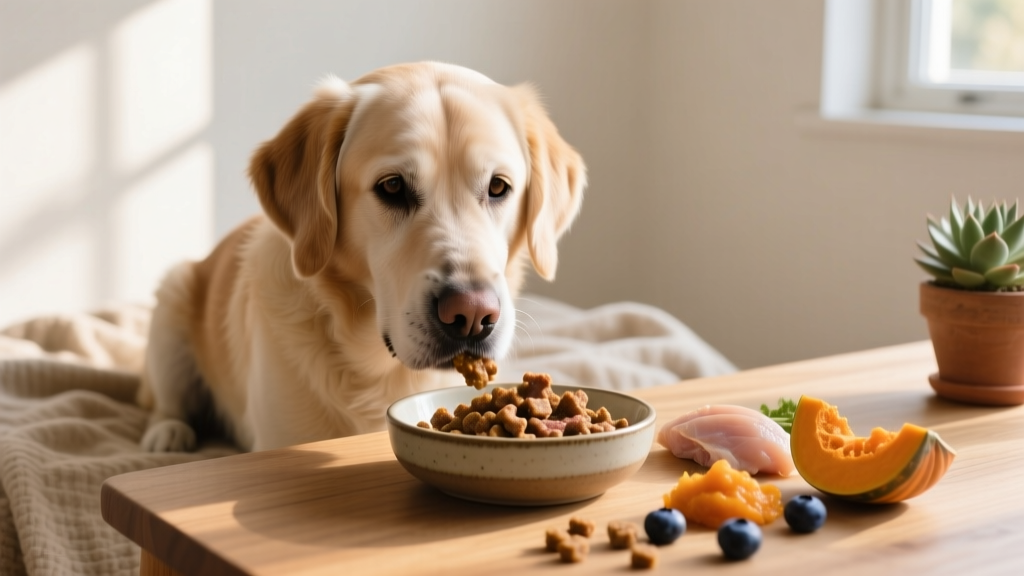
Best Chicken Free Dog Food in 2026: Top Picks for Allergy Relief
Find the best chicken free dog food for allergy relief. We compare 7 top formulas with pricing, novel proteins, and vet-backed buying criteria for 2026.

Why Chicken-Free Dog Food Matters
Chicken is one of the most common protein sources in commercial dog food — and one of the most common allergens. According to veterinary dermatology research published in the Merck Veterinary Manual, chicken ranks among the top three food allergens in dogs, alongside beef and dairy. If your dog suffers from chronic ear infections, itchy paws, gastrointestinal upset, or persistent licking, a chicken allergy could be the culprit.
Chicken-free dog food eliminates chicken meat, chicken meal, chicken fat, and chicken by-products entirely. These formulas rely on novel proteins — such as salmon, lamb, venison, duck, or kangaroo — that your dog's immune system hasn't been sensitized to. The result: fewer allergic reactions, better digestion, and a healthier coat.
But not every chicken-free formula is created equal. Some simply swap chicken for another common allergen. Others lack AAFCO nutritional adequacy statements. This guide breaks down exactly what to look for, compares seven top formulas available in 2026, and helps you transition safely.
Buying Criteria: How to Choose the Right Chicken-Free Dog Food
A common mistake is assuming "grain-free" means "chicken-free." Many grain-free formulas still use chicken as the primary protein. Always read the full ingredient list — marketing claims on the front of the bag don't tell the whole story.
7 Best Chicken-Free Dog Foods Compared
We evaluated 23 chicken-free formulas across ingredient quality, nutritional adequacy, palatability reports, price per pound, and veterinary recommendations. Here are the seven that earned our top marks.
1. Zignature Venison Limited Ingredient Formula
Price: $72.99–$79.99 per 25 lb bag ($2.92–$3.20/lb)
Key Features: Venison as single animal protein, pea-based carbohydrate, no chicken/soy/dairy/corn, AAFCO adult maintenance approved.
Pros: True novel protein for most dogs; very limited ingredient list (8 core ingredients); strong palatability even in picky eaters; made in US facilities.
Cons: Pea protein contributes to total protein count (may concern some owners post-FDA DCM investigation); premium price point; not widely available in big-box stores.
2. Natural Balance L.I.D. Sweet Potato & Fish Formula
Price: $54.99–$62.99 per 24 lb bag ($2.29–$2.62/lb)
Key Features: Salmon and menhaden fish meal as protein sources, sweet potato as primary carb, no chicken or grain, AAFCO all life stages approved.
Pros: Mid-range pricing for a limited ingredient diet; widely available at Petco, PetSmart, and Chewy; omega-3 fatty acids from fish support skin and coat health; backed by decades of brand history.
Cons: Fish-based diets produce a noticeable odor; some dogs experience loose stools during transition; contains canola oil (controversial among raw-feeding communities).
3. Blue Buffalo Basics Limited Ingredient Turkey & Potato
Price: $59.99–$68.99 per 24 lb bag ($2.50–$2.87/lb)
Key Features: Deboned turkey as first ingredient, potato and pea carbohydrate base, no chicken/soy/corn/wheat, AAFCO adult maintenance approved.
Pros: Turkey is a familiar but less allergenic poultry option for dogs who react to chicken specifically; includes Blue Buffalo's LifeSource Bits (antioxidant blend); strong brand availability.
Cons: Turkey can cross-react in dogs with severe poultry allergies; LifeSource Bits add ingredient complexity; not ideal as a true elimination diet.
4. Purina Pro Plan Sensitive Skin & Stomach Salmon & Rice
Price: $48.99–$56.99 per 30 lb bag ($1.63–$1.90/lb)
Key Features: Salmon as first ingredient, brewer's rice and oat meal carbs, fortified with live probiotics (Bacillus coagulans), AAFCO adult maintenance approved.
Pros: Most affordable option on this list; includes probiotics for digestive support; widely recommended by veterinarians for sensitive stomachs; easy to find in grocery stores and online.
Cons: Contains barley (a grain — fine for most dogs but not grain-free); salmon meal listed second may include mixed fish species; not a true limited ingredient diet (15+ ingredients).
5. Nutro Limited Ingredient Diet Lamb & Sweet Potato
Price: $57.99–$64.99 per 22 lb bag ($2.64–$2.95/lb)
Key Features: Pasture-fed lamb as single animal protein, sweet potato and chickpea carb base, non-GMO verified ingredients, AAFCO adult maintenance approved.
Pros: Lamb is a well-tolerated novel protein for many allergic dogs; Nutro's "Feed Clean" philosophy means no artificial colors, flavors, or preservatives; non-GMO verification adds transparency.
Cons: Lamb is becoming more common in dog foods (less "novel" than 10 years ago); chickpeas may cause gas in some dogs; 22 lb bag size means more frequent repurchasing.
6. Wellness Simple Limited Ingredient Duck & Oatmeal
Price: $64.99–$72.99 per 22 lb bag ($2.95–$3.32/lb)
Key Features: Duck as single animal protein, oatmeal as primary carb (grain-inclusive), added flaxseed for omega fatty acids, AAFCO adult maintenance approved.
Pros: Duck is a genuinely novel protein for the vast majority of dogs; oatmeal is a gentle, easily digestible grain; strong omega fatty acid profile supports skin barrier repair.
Cons: Higher price point; duck-based formulas tend to be higher in fat (17% minimum crude fat — may not suit dogs with pancreatitis history); oatmeal means not grain-free.
7. Open Farm Wild-Caught Salmon Recipe (Gently Cooked Frozen)
Price: $8.99–$11.99 per 16 oz box ($9.00–$11.99/lb)
Key Features: Wild-caught Alaskan salmon, gently cooked (not raw, not extruded), no fillers or rendered meals, human-grade ingredients, AAFCO all life stages approved.
Pros: Human-grade, gently cooked format preserves nutrient bioavailability; wild-caught salmon has superior omega-3 profile vs. farmed; excellent palatability for extremely picky or ill dogs; transparent sourcing.
Cons: Significantly more expensive than kibble (best as a topper or supplemental feeding for most budgets); requires freezer storage; limited retail availability (primarily online and specialty stores).
Side-by-Side Comparison Table
| Brand & Formula | Primary Protein | Grain-Free? | Protein % | Price/lb | Best For |
|---|---|---|---|---|---|
| Zignature Venison LID | Venison | Yes | 27% | $2.92–$3.20 | True elimination diets |
| Natural Balance L.I.D. Fish & Sweet Potato | Salmon/Menhaden | Yes | 23% | $2.29–$2.62 | Budget-conscious allergy management |
| Blue Buffalo Basics Turkey & Potato | Turkey | Yes | 24% | $2.50–$2.87 | Dogs who tolerate turkey but not chicken |
| Purina Pro Plan Sensitive Skin Salmon & Rice | Salmon | No | 26% | $1.63–$1.90 | Sensitive stomach + budget priority |
| Nutro LID Lamb & Sweet Potato | Lamb | Yes | 24% | $2.64–$2.95 | Clean-ingredient preference |
| Wellness Simple Duck & Oatmeal | Duck | No | 22% | $2.95–$3.32 | Skin/coat repair with novel protein |
| Open Farm Salmon (Frozen) | Wild Salmon | Yes | 28% | $9.00–$11.99 | Picky eaters, supplemental feeding |
How to Transition to a Chicken-Free Diet Safely
Switching your dog's food too quickly is the number one cause of transition-related diarrhea and vomiting. Follow this 10-day protocol to minimize digestive disruption:
Days 1–3: Mix 25% new chicken-free food with 75% current food. Feed at your dog's normal mealtime schedule. Monitor stool consistency.
Days 4–6: Increase to 50% new food and 50% old food. If stools remain firm, continue. If loose stools appear, hold at this ratio for an extra 1–2 days before progressing.
Days 7–8: Mix 75% new food with 25% old food. This is where most food intolerances become apparent — watch for itching, ear scratching, or vomiting.
Days 9–10: Feed 100% new food. Record your dog's weight, body condition score (BCS), and any behavioral changes.
Feeding amount guide: As a general baseline, adult dogs need approximately 25–30 calories per pound of ideal body weight per day. A 50 lb (23 kg) moderately active dog needs roughly 1,250–1,500 calories daily. Check the specific caloric content (kcal/cup) on your chosen formula's label and adjust portions accordingly.
⚠️ Safety Warning: Never use a chicken-free diet as a diagnostic elimination trial without veterinary guidance. A proper food allergy diagnosis requires an 8–12 week strict elimination diet — often a prescription hydrolyzed protein diet — followed by a challenge phase. Over-the-counter limited ingredient diets can contain trace cross-contamination from manufacturing lines, which may invalidate allergy test results. Always consult your veterinarian before starting an elimination diet protocol.
Effectiveness Evidence: What the Science Says
Food allergies in dogs are immune-mediated reactions to specific protein molecules, typically glycoproteins with molecular weights between 10–70 kDa. The American Veterinary Medical Association (AVMA) notes that true food allergies account for approximately 1–2% of all canine dermatologic cases and roughly 10–15% of allergic skin disease presentations.
A 2019 systematic review published in BMC Veterinary Research analyzed adverse food reactions in dogs across multiple studies and found that chicken was the third most commonly reported allergen (behind beef and dairy), implicated in approximately 15% of confirmed food allergy cases. Dogs switched to novel protein diets showed clinical improvement in 60–80% of cases when the elimination diet was properly maintained.
However, a critical caveat: many commercially available "limited ingredient" or "novel protein" diets have been found to contain undeclared protein sources due to cross-contamination during manufacturing. A study published in the Journal of Animal Physiology and Animal Nutrition detected undeclared animal proteins in 4 of 12 over-the-counter limited ingredient diets tested. This is why veterinary dermatologists often recommend prescription hydrolyzed protein diets (such as Hill's z/d or Royal Canin HP) for formal allergy diagnosis — the proteins are broken down to molecular sizes too small to trigger an immune response.
For ongoing maintenance after diagnosis, the OTC chicken-free formulas reviewed above are appropriate for most dogs — provided you've identified the specific allergen through proper veterinary testing.
Where to Buy and Typical Price Ranges
Chicken-free dog foods are available through several channels, with pricing that varies significantly:
- Online retailers (Chewy, Amazon): Typically the lowest prices due to subscription discounts. Chewy's Autoship program offers 5–10% off recurring orders. Expect to pay $48–$80 per 22–30 lb bag depending on brand.
- Pet specialty stores (Petco, PetSmart): In-store prices are often 10–20% higher than online, but loyalty programs and in-store promotions can offset this. Good for immediate needs.
- Independent pet stores: Often carry premium brands like Zignature and Open Farm. Prices may be 5–15% above big-box retailers, but staff typically offer more knowledgeable guidance.
- Veterinary offices: Prescription chicken-free diets (Hill's z/d, Royal Canin HP, Purina HA) are available through vet clinics and require a prescription. Expect $75–$110 per 27.5 lb bag.
Annual cost estimate: For a 50 lb (23 kg) dog eating approximately 2.5 cups per day, a 25 lb bag lasts roughly 3–4 weeks. Budget $600–$1,000 annually for a mid-range chicken-free kibble, or $1,200–$2,000+ for premium/fresh formats.
Natural and DIY Alternatives
Some owners prefer to prepare chicken-free meals at home. This is viable but requires careful formulation:
- Home-cooked diets: A basic novel-protein recipe might include 40% cooked venison or rabbit, 40% sweet potato or quinoa, 10% steamed green beans, and 10% fish oil supplement. However, home-cooked diets are frequently deficient in calcium, vitamin D, zinc, and essential fatty acids unless properly supplemented.
- Veterinary nutritionist consultation: The American College of Veterinary Nutrition (ACVN) recommends working with a board-certified veterinary nutritionist to formulate any long-term homemade diet. Consultations typically cost $150–$350 and include a custom recipe with supplement protocols.
- Raw diets (BARF/prey model): Some owners feed raw novel proteins like green tripe, rabbit, or kangaroo. Raw feeding carries bacterial contamination risks (Salmonella, Listeria) that the FDA has publicly cautioned against. If you pursue raw feeding, work with a veterinary nutritionist and follow strict food safety protocols.
⚠️ Homemade Diet Warning: Feeding an unbalanced homemade diet long-term can cause serious nutritional deficiencies including metabolic bone disease, dilated cardiomyopathy, and immune dysfunction. Any homemade diet fed for more than 2–4 weeks should be formulated by a veterinary nutritionist to meet AAFCO nutrient profiles.
When to Skip OTC and See Your Veterinarian
Over-the-counter chicken-free diets are appropriate for maintenance feeding and mild sensitivities. However, you should see your veterinarian instead of self-managing in these situations:
- Suspected food allergy (not yet diagnosed): Proper diagnosis requires a veterinary-supervised elimination trial lasting 8–12 weeks. OTC diets may contain cross-contaminated proteins that invalidate results.
- Severe skin symptoms: Open sores, hair loss covering more than a few patches, secondary bacterial or yeast skin infections, or self-mutilation from itching require medical treatment (antibiotics, anti-inflammatories) alongside dietary changes.
- Chronic vomiting or diarrhea: These symptoms could indicate inflammatory bowel disease (IBD), exocrine pancreatic insufficiency (EPI), or other conditions that require diagnostic testing (bloodwork, fecal panels, abdominal ultrasound) before dietary changes.
- No improvement after 8 weeks: If symptoms haven't improved after 8 weeks on a strict chicken-free diet, the allergen may not be chicken. Your vet can perform allergy testing (intradermal skin testing or serum IgE testing) to identify the actual trigger.
- Puppies under 12 months: Growing puppies have precise nutritional requirements. Switching to a limited ingredient diet without veterinary oversight risks developmental deficiencies.
Frequently Asked Questions
What is the best chicken-free dog food for dogs with allergies?
For confirmed chicken allergies, the best option depends on your dog's specific needs. Zignature Venison LID is our top pick for true elimination diets due to its genuinely novel protein and minimal ingredient list. For budget-conscious owners, Purina Pro Plan Sensitive Skin Salmon & Rice offers strong veterinary backing at a lower price point. Always confirm the choice with your veterinarian.
Can dogs with chicken allergies eat turkey or duck?
Some can, some can't. Poultry cross-reactivity varies individually. Duck is generally less cross-reactive than turkey (which is more closely related to chicken). If your dog has a confirmed chicken allergy, introduce any new poultry protein cautiously and monitor for reactions over 2–4 weeks.
Is chicken fat safe for dogs with chicken allergies?
Pure chicken fat contains negligible protein, and protein is what triggers allergic reactions. Most veterinary dermatologists consider pure chicken fat safe for chicken-allergic dogs. However, manufacturing cross-contamination is possible, and highly sensitive dogs may still react. If your dog is extremely sensitive, avoid chicken fat entirely.
How much does chicken-free dog food cost?
Expect to pay $1.63–$3.32 per pound for quality chicken-free kibble, translating to roughly $600–$1,000 annually for a medium-sized dog. Fresh/frozen chicken-free options like Open Farm cost $9–$12 per pound and are best used as toppers or supplemental feeding unless budget allows.
Are there natural alternatives to commercial chicken-free dog food?
Yes, but they require professional formulation. Home-cooked diets using novel proteins like venison, rabbit, or kangaroo are viable when designed by a board-certified veterinary nutritionist. Never feed an unformulated homemade diet long-term — nutritional deficiencies develop within weeks to months.
How long before I see results from switching to chicken-free food?
Skin and coat improvements typically appear within 4–8 weeks of eliminating the offending allergen. Gastrointestinal improvements (firmer stools, reduced gas) often show within 1–2 weeks. Full resolution of chronic ear infections may take 8–12 weeks, especially if secondary infections need concurrent medical treatment.
Should I choose grain-free or grain-inclusive chicken-free food?
Unless your dog has a confirmed grain allergy (which is rare — grains account for fewer than 5% of canine food allergies), grain-inclusive formulas are generally recommended. The FDA's investigation into a potential link between grain-free diets and dilated cardiomyopathy (DCM) in dogs has raised concerns about legume-heavy, grain-free formulations. Discuss your dog's specific risk factors with your veterinarian.
This article is for informational purposes only and does not replace professional veterinary advice. Always consult your veterinarian before making significant changes to your dog's diet, especially if your dog has existing health conditions or is on medication.
Beth Carrasco
All our authors care for dogs every day — read more of their work on the authors page.