Best Calming Dog Beds for Anxiety & Stress Relief: 2026 Buyer's Guide
Find the best calming dog bed for your anxious pup. We compare 7 top picks on price, materials, washability, and vet-recommended anxiety-reducing features.

Why Your Dog Might Need a Calming Bed
Dogs with separation anxiety, noise phobias, or generalized stress often lack a secure retreat space in the home. A calming dog bed is designed to trigger the same soothing sensation puppies feel when curled against their mother and littermates. The raised, plush bolster rim provides tactile pressure around the body — a concept rooted in canine denning instinct documented in veterinary behavioral literature. The soft, faux-fur surface mimics the warmth and texture of a mother's coat, which can lower cortisol levels and reduce pacing, whining, and destructive behaviors associated with anxiety.
It's important to understand what calming beds can and cannot do. They are a management tool, not a cure. For dogs with severe anxiety — those who injure themselves, refuse to eat when alone, or exhibit panic-level responses — a bed alone won't resolve the underlying condition. In those cases, a calming bed works best as part of a broader behavior modification plan overseen by a veterinary behaviorist, potentially alongside prescription anti-anxiety medication.
What Makes a Calming Bed Different From a Regular Dog Bed
Not every plush bed qualifies as a calming bed. The design elements that distinguish a true calming bed include:
- Raised bolster rim (3–6 inches): Creates a nesting sensation and provides head/neck support. The rim should be firm enough to lean against but soft enough to conform to the dog's body.
- Long-pile faux fur or sherpa surface: Triggers a tactile comfort response. Short-pile fabrics or canvas don't replicate the same sensory input.
- Circular or donut shape: Encourages the natural curled sleeping position dogs adopt when seeking security. Rectangular beds don't provide the same enclosing effect.
- Self-warming materials: Many calming beds use heat-reflective fabrics or dense pile that traps body heat, addressing the warmth component of the maternal comfort response.
- Low-profile center: The sleeping surface sits lower than the rim, creating a "nest" that helps the dog feel cradled.
Some premium calming beds also incorporate orthopedic foam bases for senior dogs with arthritis or joint pain, combining anxiety relief with physical comfort. If your dog is over 7 years old or has mobility issues, look for models with a memory foam or high-density foam base layer beneath the plush surface.
Buying Criteria: How to Choose the Right Calming Dog Bed
Top 7 Calming Dog Beds for 2026
1. Best Friends by Sheri The Original Calming Donut Bed
Price: $45–$85 depending on size (S: 23" to XL: 45")
Best for: Small to medium dogs who sleep curled up
Key Features: Self-warming faux shag fur, raised 7-inch rim, fully machine-washable (all sizes up to 36" fit standard washers), water-resistant 900D nylon bottom, vegan-friendly materials.
- Original design that started the calming bed trend — extensively tested
- Entire bed is machine washable, not just the cover
- Shag fur maintains softness after 10+ washes in testing
- Available in 6 sizes and 12 colors
- 45" and 54" sizes require commercial-size washers
- No orthopedic foam base — purely fiberfill
- Not suitable for aggressive chewers
2. Furhaven Orthopedic Calming Donut Bed with Memory Foam
Price: $55–$110 (S: 20" to Jumbo Plus: 53")
Best for: Senior dogs or breeds prone to joint issues who also have anxiety
Key Features: CertiPUR-US certified memory foam base, faux fur bolster rim, L-shaped rim design for easier entry, removable zippered cover, non-slip canvas bottom.
- Memory foam base provides genuine orthopedic support
- L-shaped rim is easier for arthritic dogs to step over
- Cover is machine washable and dryer safe
- Good value for an orthopedic calming bed
- Only the cover is washable — foam base cannot go in the machine
- Fur shedding embeds deeply in the faux fur surface
- Memory foam base is 2 inches thick — thinner than standalone orthopedic beds
3. Bedsure Calming Donut Pet Bed
Price: $30–$65 (S: 23" to XL: 36")
Best for: Budget-conscious owners with small to medium dogs
Key Features: High-loft polyester fiberfill, plush sherpa-lined interior, raised bolster rim, machine-washable entire bed, Oxford fabric bottom with anti-slip dots.
- Lowest price point among quality calming beds
- Fully machine washable including filling
- Lightweight — easy to move between rooms or travel with
- Fluffs back to shape after drying
- Fill compresses noticeably after 4–6 months of daily use
- Bolster rim is softer than premium options — less structural support
- Limited to 36" maximum size
4. Majestic Pet Bagel Calming Bed
Price: $75–$160 (S: 24" to XL: 52")
Best for: Large breeds who need a calming bed with serious durability
Key Features: Premium polyester fiberfill that resists clumping, heavy-duty microsuede cover, waterproof 300/600 denier fabric base, fully machine-washable (all sizes), double-stitched seams.
- Holds up to large breeds (80+ lb dogs) without flattening
- Double-stitched construction resists seam splitting
- Made in the USA with US-sourced materials
- Waterproof base protects floors from accidents
- Premium price point — significantly more expensive than competitors
- Microsuede surface doesn't have the same faux-fur tactile appeal
- Heavy — difficult to move once placed
5. K&H Pet Products Self-Warming Calming Lounge
Price: $40–$70 (Medium: 24" to Large: 32")
Best for: Dogs who seek warm spots and short-haired breeds that get cold easily
Key Features: Internal Mylar thermal layer reflects body heat (no electricity needed), plush bolster walls, quilted sleeping surface, removable zippered cover, machine-washable cover.
- Self-warming technology adds genuine thermal comfort
- No electricity or heating pad required — completely safe for unsupervised use
- Mylar layer is silent (unlike some crinkly thermal blankets)
- Good for drafty homes or colder climates
- Only two sizes available — not suitable for very small or giant breeds
- Thermal effect is modest — adds roughly 3–5°F above ambient
- Only cover is washable
6. Casper Dog Bed with Calming Bolster
Price: $125–$175 (Small: 27" to Large: 39")
Best for: Owners who want a calming bed that also fits modern home décor
Key Features: Dual-foam construction (support foam + memory foam), microfiber bolster rim that's soft yet structured, hidden zipper design prevents chewing access, removable and washable cover, OEKO-TEX certified materials.
- Superior foam quality — maintains shape for years
- Hidden zippers reduce chew-point vulnerability
- Microfiber bolster is more durable than faux fur
- Aesthetic design blends with living room furniture
- Highest price point in this roundup
- Microfiber lacks the tactile warmth of faux shag fur
- Rectangular shape doesn't create the same enclosed nesting effect as round beds
7. JOEJOY Large Calming Dog Bed with Anti-Slip Bottom
Price: $35–$75 (M: 27" to XL: 45")
Best for: Large breeds on a budget who need a generously sized calming bed
Key Features: Raised 6-inch bolster rim, long-pile faux fur, high-density PP cotton fill, rubber-dot non-slip bottom, machine-washable entire bed up to 36" size.
- Available in XL sizes suitable for 80+ lb dogs
- Strong non-slip grip on hard floors
- Budget-friendly pricing even at larger sizes
- Thick bolster rim provides good head/neck support
- Faux fur sheds noticeably during first few weeks
- Fill density is lower than premium options — may flatten within a year
- 45" size too large for most home washing machines
Product Comparison Table
| Product | Price Range | Max Size | Fully Washable? | Orthopedic Base? | Best For |
|---|---|---|---|---|---|
| Best Friends by Sheri Donut | $45–$85 | 45" | Yes (up to 36") | No | Small/medium curled sleepers |
| Furhaven Orthopedic Donut | $55–$110 | 53" | Cover only | Yes (memory foam) | Senior dogs with joint pain |
| Bedsure Calming Donut | $30–$65 | 36" | Yes | No | Budget buyers |
| Majestic Pet Bagel | $75–$160 | 52" | Yes | No | Large breeds, durability |
| K&H Self-Warming Lounge | $40–$70 | 32" | Cover only | No | Cold-sensitive, short-coat breeds |
| Casper Dog Bed | $125–$175 | 39" | Cover only | Yes (dual foam) | Design-conscious homes |
| JOEJOY Calming Bed | $35–$75 | 45" | Yes (up to 36") | No | Large breeds on a budget |
How to Introduce and Use a Calming Dog Bed Correctly
Step-by-Step Introduction Protocol
Many owners buy a calming bed, place it in the room, and expect their anxious dog to immediately settle into it. This rarely works. Dogs with anxiety are often neophobic — they're suspicious of new objects. Follow this protocol over 5–7 days:
- Day 1–2: Scent transfer. Before presenting the bed to your dog, sleep with the bed cover (or a blanket you'll place on the bed) in your own bed for one night. This transfers your scent to the bed, making it familiar rather than foreign.
- Day 1–2: Placement. Put the bed in the area where your dog already naturally rests — not in a new or isolated corner. If your dog gravitates to the couch, place the calming bed on the floor next to the couch, not across the room.
- Day 2–3: Positive association. Toss high-value treats (small pieces of chicken, cheese, or your dog's favorite treat) onto the bed. Don't force the dog onto it. Let them step on, sniff, and retrieve treats at their own pace. Repeat 3–5 times per session, 2–3 sessions per day.
- Day 3–4: Meal feeding on the bed. Place your dog's food bowl on or immediately next to the bed. This builds a strong positive association — eating is a vulnerable activity, and if the dog eats on the bed, they're signaling comfort.
- Day 4–5: Duration building. Once the dog voluntarily lies on the bed, practice a "go to your bed" cue using positive reinforcement. Reward calm lying behavior with treats and calm praise. Start with 30-second durations and gradually increase.
- Day 5–7: Integration with departure routine. If the bed is for separation anxiety, begin incorporating it into your pre-departure routine. Send the dog to the bed, give a long-lasting chew (bully stick or stuffed Kong), and practice short absences (30 seconds to 5 minutes).
Safety Considerations and Warnings
When a Calming Bed Could Cause Harm
- Destructive chewers: If your dog ingests fabric, stuffing, or foam, this creates a gastrointestinal foreign body risk that may require emergency surgery ($3,000–$7,000). Do not leave a plush calming bed with an unsupervised destructive chewer. Instead, consider a raised cot-style bed with no stuffing.
- Overheating risk: Self-warming and faux-fur beds retain heat. Brachycephalic breeds (French Bulldogs, Pugs, Bulldogs) and thick-coated northern breeds (Huskies, Malamutes) can overheat, especially in warm climates or summer months. Monitor for excessive panting or seeking cool floor surfaces.
- Allergic reactions: Some dogs are sensitive to synthetic faux-fur fibers. If your dog develops skin redness, itching, or hot spots after using a new bed, remove it and wash the affected area. Switch to a cotton or microfiber surface.
- Moisture and mold: If a bed gets wet (from accidents, drooling, or improper washing) and isn't fully dried, mold can develop inside the filling. Always dry calming beds completely — use a dryer on low heat or air-dry in direct sunlight. Discard any bed that develops a musty odor.
- Zipper hazards: Exposed zippers are chew targets. Dogs who swallow metal zipper teeth can suffer oral lacerations or intestinal damage. Choose beds with hidden or covered zippers.
Does the Science Support Calming Beds?
The concept behind calming beds draws on well-established principles in canine behavioral science, though direct clinical trials on "calming beds" specifically are limited.
What the research does support:
- Pressure and tactile stimulation reduce anxiety. A study published in the Journal of Veterinary Behavior found that gentle, sustained pressure (similar to what a bolster rim provides) reduced heart rate and cortisol levels in anxious dogs. This is the same mechanism behind the Thundershirt and similar compression garments.
- Den-like enclosures promote security. According to the AVMA's resources on dog behavior, dogs instinctively seek enclosed spaces when stressed. A raised bolster rim creates a partial enclosure that triggers this calming response.
- Familiar scent reduces stress markers. Research from the University of Lincoln demonstrated that dogs exposed to their owner's scent showed significantly lower stress behaviors during separation compared to dogs with a stranger's scent or no scent stimulus.
What this means practically: a calming bed is most effective when combined with your scent, placed in a low-traffic area, and introduced gradually. It is not a standalone treatment for clinical anxiety disorders.
Where to Buy and What You'll Pay
Calming dog beds are widely available through the following channels, with typical 2026 pricing:
| Retailer | Price Range | Notes |
|---|---|---|
| Amazon | $25–$175 | Widest selection; check seller ratings for knockoffs of popular brands |
| Chewy | $30–$160 | Autoship discount (5–10%); free shipping on $49+ orders |
| Brand websites (Best Friends, Casper) | $45–$175 | Best for warranty support and authentic product guarantee |
| PetSmart / Petco (in-store) | $35–$120 | Limited selection but allows in-person size assessment |
Budget tip: If you're unsure whether your dog will use a calming bed, start with the Bedsure or JOEJOY option at the $30–$45 price point. If the dog uses it consistently for 2+ months, you can upgrade to a premium model with confidence.
Natural and DIY Alternatives to Calming Beds
If a commercial calming bed isn't the right fit for your dog or your budget, these alternatives address anxiety through similar mechanisms:
- DIY bolster nest: Roll 3–4 bath towels into tight cylinders and arrange them in a circle on a soft blanket. This creates a makeshift bolster rim at nearly zero cost. Add a worn t-shirt with your scent in the center.
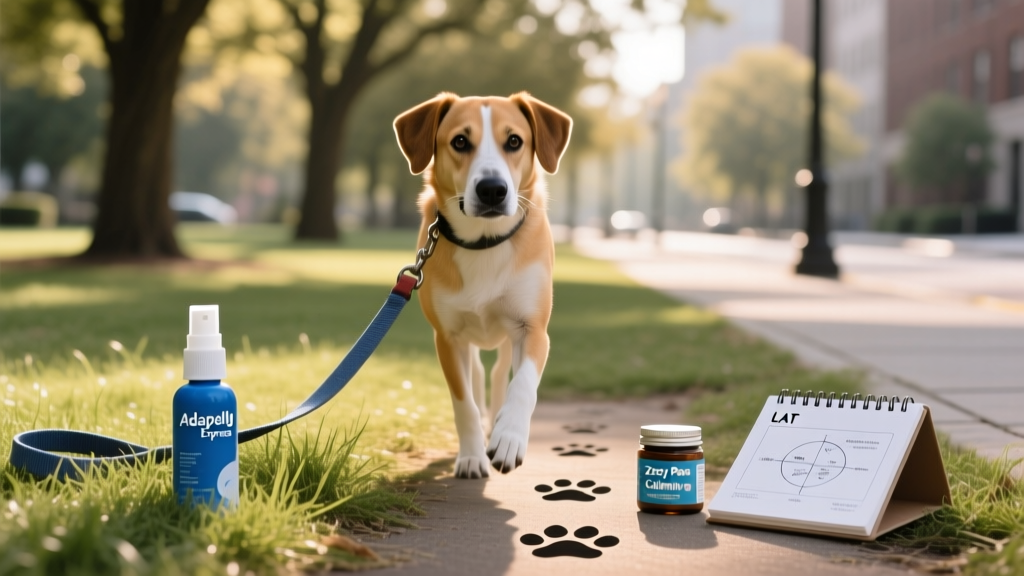
- Adaptil (DAP) diffuser: A synthetic dog-appeasing pheromone that mimics the pheromones produced by nursing mother dogs. Plug-in diffusers cover approximately 700 square feet and last about 30 days ($25–$35 per refill). Place near the dog's resting area.
- Compression garments: The Thundershirt ($40–$50) provides constant gentle pressure, similar to the bolster rim effect but worn on the body. Useful for noise phobias (thunderstorms, fireworks) where a bed isn't practical.
- Calming supplements: Products containing L-theanine, L-tryptophan, or valerian root (such as Solliquin or Zylkene) can reduce baseline anxiety levels. Consult your veterinarian before starting any supplement, especially if your dog takes other medications.
- Classical music or white noise: Studies from the University of Glasgow found that soft classical music (specifically reggae and soft classical) reduced stress behaviors in kennelled dogs. Play at low volume near the resting area.
When to Skip OTC Products and See Your Veterinarian
Red Flags That Require Professional Help
A calming bed is a comfort tool — it is not a substitute for veterinary behavioral assessment. Consult your veterinarian if your dog exhibits any of the following:
- Destructive behavior that results in self-injury (broken teeth, damaged nails, bleeding)
- Refusal to eat or drink when left alone for any duration
- Excessive vocalization (howling, barking) that continues beyond 15–20 minutes after departure
- Elimination (urination or defecation) in a previously house-trained dog, specifically when alone
- Attempts to escape through windows, doors, or crates that result in injury
- Shadow-chasing, tail-chasing, or flank-sucking that appears compulsive
- Anxiety symptoms that worsen over time despite environmental management
These behaviors may indicate clinical anxiety disorders that require prescription medication (such as fluoxetine, clomipramine, or trazodone) combined with a structured behavior modification program. Your veterinarian can perform a behavioral assessment or refer you to a board-certified veterinary behaviorist (DACVB). Early intervention significantly improves prognosis — dogs treated within the first 3–6 months of symptom onset have better outcomes than those whose anxiety has been unmanaged for years.
Frequently Asked Questions
What is the best calming dog bed for dogs with separation anxiety?
For separation anxiety specifically, the Best Friends by Sheri Original Calming Donut is our top pick because its fully washable design handles stress-related drooling and accidents, and its 7-inch bolster rim provides the strongest enclosure effect. However, for large dogs or those who also have joint pain, the Furhaven Orthopedic Donut adds memory foam support. The "best" bed ultimately depends on your dog's size, age, and whether they're a chewer.
How do I choose the right size calming bed for my dog?
Measure your dog while they're in their natural sleeping position — usually curled up. Measure from the tip of the nose to the base of the tail, then add 4–6 inches. That's the interior diameter you need. For dogs who sleep stretched out (common in Greyhounds, Great Danes), measure nose to tail tip and add 6–8 inches, and consider a rectangular calming bed with bolsters on three sides rather than a round donut.
How much does a calming dog bed cost?
Budget options (Bedsure, JOEJOY) range from $30–$65. Mid-range options (Best Friends by Sheri, Furhaven, K&H) cost $45–$110. Premium options (Majestic Pet, Casper) run $75–$175. Expect to replace budget beds every 6–12 months and premium beds every 2–4 years depending on use and washing frequency.
Can I wash a calming dog bed in the washing machine?
Most calming beds up to 36 inches in diameter are machine washable. Use a front-loading or top-loading washer without an agitator if possible. Wash on a gentle cycle with cold or warm water and a mild, fragrance-free detergent. Dry on low heat — high heat can melt synthetic faux-fur fibers. For beds larger than 36 inches, use a laundromat's oversized machine or hand-wash in a bathtub.
Are calming beds safe for puppies?
Calming beds are safe for puppies over 12 weeks old who are past the intense chewing phase. For younger puppies or active chewers, the fiberfill and faux fur pose a choking and intestinal blockage risk. Supervise initial use and remove the bed if your puppy begins chewing or tearing the material. A flat, chew-resistant bed is safer for teething-age puppies (3–6 months).
How long does it take for a dog to get used to a calming bed?
Most dogs begin using the bed voluntarily within 3–7 days if you follow a proper introduction protocol (treats, meals on the bed, scent transfer). Some anxious or neophobic dogs may take 2–3 weeks. If your dog is still avoiding the bed after 3 weeks of positive introduction, the bed may be in the wrong location, may have an off-putting chemical smell (air it out for 24–48 hours first), or your dog may simply prefer a different sleeping style.
Do calming beds actually work or is it just marketing?
Calming beds work for many dogs — but not all. They're most effective for dogs with mild to moderate anxiety who already exhibit denning behavior (seeking enclosed spaces, burrowing under blankets). They are least effective for dogs with severe clinical anxiety, dogs who don't naturally curl up to sleep, and dogs who are heat-intolerant. Think of a calming bed as one tool in a broader anxiety management toolkit that should also include exercise, mental enrichment, routine consistency, and potentially professional behavior guidance.
Aaron Whyte
All our authors care for dogs every day — read more of their work on the authors page.