Best Apples for Dogs: Safe Varieties, Prep Tips & Top Picks 2026
Discover the best apples for dogs, including safe varieties, serving sizes by weight, preparation tips, and top apple-based treats recommended by vet professionals.
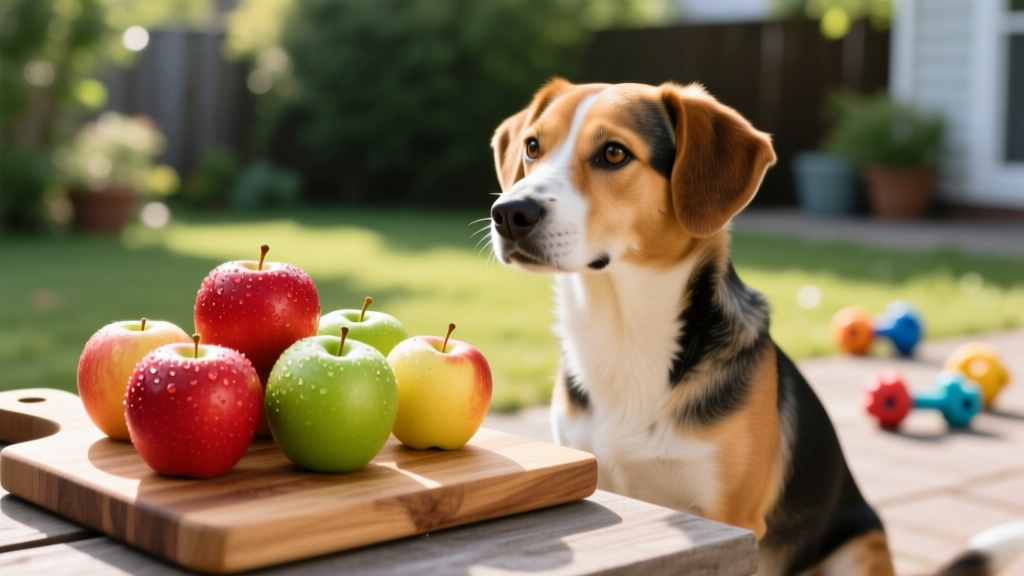
Apples are a low-calorie, fiber-rich snack safe for most dogs when seeds and core are removed. Serve in bite-sized pieces appropriate to your dog's weight. Always introduce gradually to avoid GI upset.
If you've ever watched your dog eye your afternoon snack with that unmistakable hopeful stare, you've probably wondered which human foods are actually worth sharing. Apples consistently rank among the safest and most nutritious options — but not all apples are created equal when it comes to canine snacking. Between variety differences in sugar content, the real danger lurking in seeds, and a growing market of apple-flavored dog treats, there's more to this question than tossing a slice across the kitchen.
This guide covers the best apple varieties for dogs based on sugar content, texture, and digestibility, plus reviews the top apple-based commercial treats available in 2026. We'll give you exact serving sizes by weight class, walk through the science behind apple safety, and flag when you should skip the fruit aisle and call your vet instead.
Why Apples Are Good for Dogs (and What the Science Says)
Apples offer a genuinely useful nutritional profile for dogs when served correctly. A medium apple (approximately 182g) contains about 95 calories, 4.4 grams of fiber, and meaningful amounts of vitamin C and potassium. For dogs, the primary benefits come from:
- Pectin (soluble fiber): Supports healthy gut bacteria and can help regulate bowel movements. Research published in the Journal of Animal Physiology and Animal Nutrition has shown that dietary pectin improves fecal quality in dogs with mild digestive irregularity.
- Polyphenols and antioxidants: Apple skin contains quercetin and catechins, compounds with anti-inflammatory properties studied in canine nutrition research.
- Low glycemic impact: Compared to bananas or mangoes, apples have a lower glycemic index, making them a more suitable treat for dogs with weight management needs or early-stage insulin resistance.
- Dental benefit (mechanical): The crunch of raw apple can help dislodge plaque from teeth surfaces, though this is supplementary — not a replacement for brushing.
According to the American Kennel Club's nutrition guidelines, apples are listed among the safest fruits for dogs when prepared properly. The ASPCA also confirms apple flesh as non-toxic, while specifically flagging seeds as a concern due to amygdalin content.
Buying Criteria: What Matters When Choosing Apples or Apple Treats for Dogs
Best Fresh Apple Varieties for Dogs: Ranked by Sugar and Suitability
Not every apple in the produce section is equally suited for your dog. Here's how the most common varieties stack up based on sugar content, fiber density, and practical serving considerations:
| Variety | Sugar (g per medium apple) | Fiber (g) | Texture | Best For | Dog-Friendliness Rating |
|---|---|---|---|---|---|
| Granny Smith (Green) | ~9.6g | 4.8g | Firm, tart | Weight-conscious dogs, diabetic dogs | ⭐⭐⭐⭐⭐ |
| Honeycrisp | ~12.4g | 4.4g | Crisp, juicy | Most dogs, high palatability | ⭐⭐⭐⭐ |
| Fuji | ~14.8g | 3.6g | Dense, sweet | Active dogs needing quick energy | ⭐⭐⭐ |
| Gala | ~13.2g | 3.9g | Soft, mild | Senior dogs, smaller breeds | ⭐⭐⭐⭐ |
| Red Delicious | ~11.5g | 3.5g | Mealy when not fresh | Budget-friendly option | ⭐⭐⭐ |
| Pink Lady (Cripps Pink) | ~11.8g | 4.1g | Firm, tangy-sweet | All-purpose, good crunch | ⭐⭐⭐⭐ |
Our top pick for most dogs: Granny Smith. The lower sugar content and higher fiber make green apples the best everyday choice, especially for dogs prone to weight gain. The firm texture also provides more dental scraping action than softer varieties.
Serving Sizes by Dog Weight: Exactly How Much Apple Is Safe
The 10% treat rule (treats should constitute no more than 10% of your dog's daily caloric intake) is the standard veterinary recommendation. Here's what that translates to for fresh apple slices:
| Dog Weight | Daily Apple Max | Approximate Slices | Calories from Apple |
|---|---|---|---|
| 5–15 lb (2–7 kg) | 15–25g | 2–3 thin slices | 8–13 kcal |
| 15–30 lb (7–14 kg) | 25–50g | 4–5 thin slices | 13–26 kcal |
| 30–60 lb (14–27 kg) | 50–75g | ½ small apple | 26–39 kcal |
| 60–100+ lb (27–45+ kg) | 75–100g | ½ to 1 small apple | 39–52 kcal |
These amounts assume apple is the only treat being given that day. If you're also giving training treats, dental chews, or other snacks, reduce the apple portion proportionally.
- Always remove seeds and core. Apple seeds contain amygdalin, which releases cyanide when chewed. While a dog would need to consume a large quantity of crushed seeds for acute toxicity, chronic low-level exposure is unnecessary risk. A few accidentally swallowed whole seeds will likely pass undigested, but don't make it a habit.
- Cut into appropriate sizes. Whole apple chunks are a choking hazard, especially for small breeds. Cut slices into pieces no larger than ½ inch for dogs under 20 lb.
- Never feed apple products with xylitol. Some apple-flavored human products (sugar-free applesauce cups, apple "diet" snacks) contain xylitol, which is acutely toxic to dogs even in small amounts.
- If your dog ingests a product containing xylitol, contact ASPCA Animal Poison Control immediately: (888) 426-4435 (24/7, consultation fee applies) or Pet Poison Helpline: (855) 764-7661.
Top Apple-Based Dog Treats: 6 Products Reviewed
For owners who want apple flavor without the prep work, or who need shelf-stable training treats, here are six apple-based products that meet our buying criteria. Prices reflect typical US retail as of early 2026.
1. Fruitables Skinny Minis — Apple & Bacon Flavor
Price: $5.49–$6.99 (5 oz bag)
Calories: ~3 kcal per treat
Key features: Low-calorie training size, real apple in ingredient list, no artificial colors, made in USA
- Extremely low calorie for repetitive training
- Soft texture, easy to break
- Palatable for most dogs
- Apple is not the #1 ingredient
- Contains pea fiber and glycerin
- Bacon flavoring may not suit sensitive stomachs
2. Plato Pet Treats — Farmers Market Apple & Duck
Price: $8.99–$11.49 (6 oz bag)
Calories: ~22 kcal per strip
Key features: Limited ingredient, real duck and dried apples, grain-free, no artificial preservatives
- Novel protein + apple combo great for elimination diets
- Minimal processing
- Visible apple pieces in treat
- Higher calorie per piece
- Premium price point
- Strip size too large for small breeds without cutting
3. Zuke's Mini Naturals — Fresh Apple Recipe
Price: $6.29–$7.99 (6 oz bag)
Calories: ~2.5 kcal per mini treat
Key features: Rice-based with real apple, moist texture, resealable pouch, widely available
- Ultra-low calorie ideal for weight management
- Small size perfect for tiny breeds
- Consistent texture for treat-dispensing toys
- Apple is a mid-list ingredient, not primary
- Contains potatoes and rice (not novel carb)
- Shorter shelf life once opened
4. Cloud Star Tricky Trainers — Chewy Apple Bits
Price: $7.49–$9.29 (8 oz bag)
Calories: ~3 kcal per piece
Key features: Soft and chewy, real apple chunks, wheat-free, no corn or soy
- Good value per ounce
- Real apple pieces visible
- Free of common allergens (wheat, corn, soy)
- Larger bag size — treat may dry out before finishing
- Contains chicken fat (not suitable for poultry allergy)
5. Bocce's Bakery — Apple & Cheddar Biscuits
Price: $6.99–$8.49 (5 oz bag)
Calories: ~12 kcal per biscuit
Key features: Three-ingredient recipe (oat flour, apple, cheddar), baked in USA, crunchy texture
- Extremely short ingredient list
- Crunchy texture supports dental health
- Transparent sourcing
- Not suitable for dairy-sensitive dogs
- Harder biscuit may be difficult for seniors with dental issues
- Higher per-calorie cost
6. WholeHearted — Apple & Cinnamon Dog Biscuits
Price: $4.49–$5.99 (12 oz bag)
Calories: ~25 kcal per biscuit
Key features: Budget-friendly, widely available at Petco, crunchy, larger biscuit size
- Best price-per-ounce on this list
- Large bag good for multi-dog households
- Cinnamon adds breath-freshening effect
- Higher calorie per biscuit
- Longer ingredient list with more fillers
- Apple content appears minimal by ingredient position
Product Comparison Table
| Product | Price Range | Cal/Treat | Apple Position | Grain-Free | Best For |
|---|---|---|---|---|---|
| Fruitables Skinny Minis | $5.49–$6.99 | ~3 | Mid-list | Yes | Training sessions |
| Plato Apple & Duck | $8.99–$11.49 | ~22 | Top 3 | Yes | Elimination diets |
| Zuke's Mini Naturals | $6.29–$7.99 | ~2.5 | Mid-list | No (rice) | Weight management |
| Cloud Star Tricky Trainers | $7.49–$9.29 | ~3 | Top 5 | Yes | Allergen-sensitive dogs |
| Bocce's Apple & Cheddar | $6.99–$8.49 | ~12 | #2 | No (oat) | Ingredient purists |
| WholeHearted Apple & Cinnamon | $4.49–$5.99 | ~25 | Lower list | No (wheat) | Budget / multi-dog homes |
How to Prepare and Serve Fresh Apples to Your Dog
Step-by-step preparation for safe apple serving:
- Wash thoroughly. Even organic apples should be rinsed under running water for 15–20 seconds to remove surface bacteria and any residual wax coating. For conventional apples, a 30-second soak in a baking soda solution (1 tsp baking soda per 2 cups water) removes up to 96% of surface pesticides according to University of Massachusetts research.
- Core the apple completely. Use an apple corer or knife to remove the entire core, including the stem, calyx (bottom), and all seed pockets. Don't rely on your dog to eat around the core.
- Slice to appropriate size. For dogs under 20 lb: ¼-inch thin slices, then halved. For dogs 20–60 lb: ½-inch slices. For large dogs over 60 lb: wedges are acceptable if your dog chews rather than gulps.
- Start with a test serving. Offer 1–2 pieces and wait 12–24 hours. Monitor for loose stool, gas, or vomiting. If none appear, proceed to the full weight-appropriate serving.
- Serve fresh, not browned. Oxidized (brown) apple slices aren't toxic, but they lose nutritional value and some dogs reject them. A light squeeze of lemon juice prevents browning if prepping ahead, though most dogs tolerate the small amount of citric acid fine.
- Store leftovers properly. Cut apple pieces keep in an airtight container in the refrigerator for 3–4 days. Discard if slimy or fermented-smelling.
DIY Alternatives: Homemade Apple Dog Treats
If you prefer to control every ingredient, homemade apple treats are straightforward to prepare. Here are three options at different effort levels:
Dehydrated Apple Chips (No Additives)
Slice cored apples into ⅛-inch rounds. Arrange on a dehydrator tray or parchment-lined baking sheet. Dehydrate at 135°F (57°C) for 6–8 hours, or bake at 200°F (93°C) for 2–3 hours until crisp but not browned. Store in an airtight container for up to 2 weeks. Each chip is approximately 5–8 kcal depending on size.
Frozen Apple & Yogurt Bites
Blend 1 cored apple (peeled for smoother texture) with 1 cup plain, unsweetened Greek yogurt. Pour into silicone ice cube trays. Freeze for 4+ hours. Each cube is approximately 12–15 kcal. Excellent for hot weather enrichment. Do not use yogurt containing xylitol or artificial sweeteners.
Baked Apple & Oat Biscuits
Combine 1 cup oat flour, ½ cup unsweetened applesauce, and 1 egg. Roll to ¼-inch thickness, cut with cookie cutters, and bake at 350°F (177°C) for 20–25 minutes until firm. Cool completely before serving. Each biscuit is approximately 15–20 kcal depending on cutter size.
Note on homemade diets: These treats are supplementary snacks, not meal replacements. If you're considering a full homemade diet for your dog, consult a board-certified veterinary nutritionist (find one at acvn.org) to ensure nutritional completeness.
When to Skip the Apple and See Your Vet Instead
- Diabetes mellitus: Even low-sugar fruits affect blood glucose. Your vet may recommend specific treat allowances or suggest vegetable alternatives like green beans.
- Chronic kidney disease (CKD): Apples contain potassium, which may need to be restricted in late-stage CKD. Your vet will determine safe levels based on bloodwork.
- Known food allergies or sensitivities: While apple allergy is rare in dogs, any new food can trigger a reaction in sensitized individuals.
- History of pancreatitis: While apples are low-fat, any dietary change during or after a pancreatitis episode should be vet-approved.
- GI disorders (IBD, colitis): The fiber in apples can help or worsen these conditions depending on the individual dog and the specific diagnosis.
Emergency signs after eating apple or apple products: vomiting within 1 hour, difficulty breathing, collapse, seizures, or pale gums. These may indicate choking, xylitol poisoning (from processed products), or intestinal blockage (from swallowed core pieces). Seek emergency veterinary care immediately.
Frequently Asked Questions
Can dogs eat apple skin?
Yes, apple skin is safe and actually contains the highest concentration of fiber and antioxidants. Just make sure the apple is thoroughly washed to remove pesticide residue and wax coatings. If your dog has a sensitive stomach, peeling may reduce fiber-related gas.
Are green apples better than red apples for dogs?
Generally, yes. Green apples (like Granny Smith) contain approximately 20–30% less sugar than sweet red varieties like Fuji or Gala. For dogs with weight concerns or metabolic conditions, green apples are the better choice. For healthy, active dogs, the difference is negligible at appropriate serving sizes.
Can puppies eat apples?
Puppies over 12 weeks old can have small amounts of apple as an occasional treat. Cut pieces very small (pea-sized for toy breeds) to prevent choking. Apples should never replace a complete puppy diet — growing puppies need precisely balanced nutrition from AAFCO-approved puppy food.
How do I know if my dog is allergic to apples?
True apple allergy in dogs is uncommon. Signs of a food reaction include itching (especially paws, ears, and belly), hives, facial swelling, vomiting, or diarrhea within a few hours of ingestion. If you notice these symptoms, discontinue apple and consult your vet. An elimination diet trial is the gold standard for confirming food allergies.
Can dogs eat applesauce?
Plain, unsweetened applesauce with no added sugar or xylitol is safe for dogs in small amounts (1–2 teaspoons for small dogs, up to 1 tablespoon for large dogs). However, applesauce has higher sugar concentration by volume than fresh apple and lacks the dental-scraping benefit of crunchy slices. Check the label carefully — many commercial applesauce cups contain added sugar or artificial sweeteners.
What's the best apple for a dog on a weight loss plan?
Granny Smith is the top choice due to its lower sugar content (~9.6g per medium apple vs. 14.8g for Fuji). Pair it with low-calorie vegetables like carrot sticks or green beans to keep your dog satisfied without exceeding their daily calorie target. Your vet can calculate your dog's ideal daily caloric intake for weight loss — typically 70–80% of their maintenance requirement.
Is it safe to give my dog apple every day?
Daily apple is fine for most healthy dogs as long as you stay within the weight-appropriate serving sizes listed above and it doesn't exceed 10% of total daily calories. Variety is beneficial — consider rotating apple with other safe fruits like blueberries, watermelon, or banana to provide a broader range of nutrients.
Tom Renshaw
All our authors care for dogs every day — read more of their work on the authors page.


