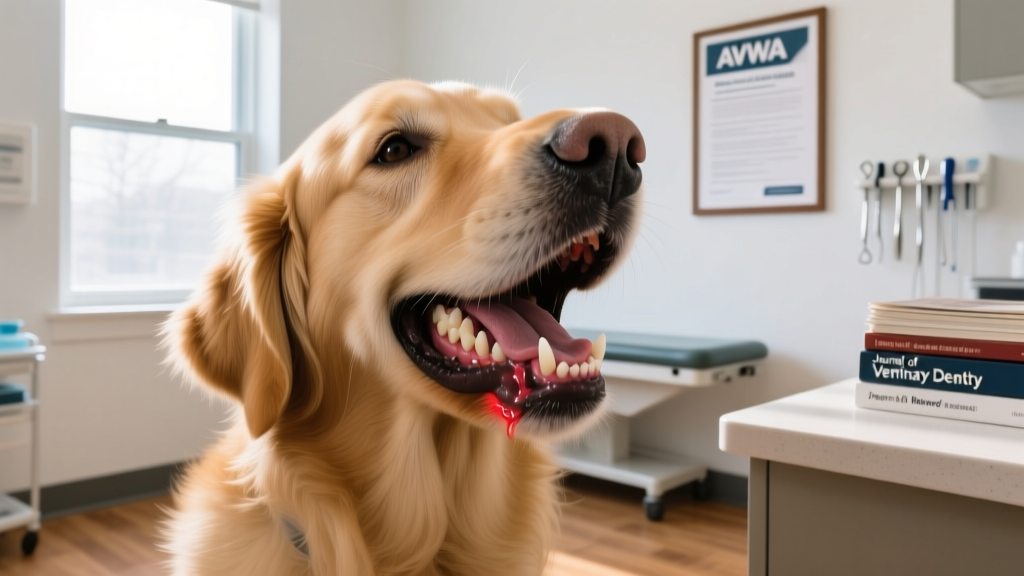
Benadryl and Dogs: Side Effects, Dosage, and Safety Guide
Learn about Benadryl and dogs side effects, safe dosing by weight, when to avoid it, and what to do in an overdose emergency. Vet-reviewed guidance.

Can I Give My Dog Benadryl?
Yes — Benadryl (generic name: diphenhydramine hydrochloride) is one of the most commonly recommended over-the-counter antihistamines for dogs, and it has a long track record of safe use when dosed correctly. Veterinarians routinely recommend it for mild allergic reactions, insect stings, motion sickness, and situational anxiety. The Merck Veterinary Manual lists diphenhydramine as an accepted veterinary drug with well-established dosing parameters.
However, "safe when dosed correctly" carries significant weight here. The difference between a therapeutic dose and a toxic dose of diphenhydramine is relatively narrow in dogs — roughly a factor of 5 to 10 — which means a calculation error or double-dosing can push a dog from mild drowsiness into dangerous territory. Liquid formulations intended for children sometimes contain xylitol (also labeled as birch sugar), an artificial sweetener that is acutely toxic to dogs even in small amounts, causing rapid hypoglycemia and liver failure.
Before reaching for the medicine cabinet, confirm three things with your veterinarian:
- That diphenhydramine is appropriate for your dog's specific symptoms
- The correct dose based on your dog's exact current weight
- That your dog's existing medications won't interact negatively
How Benadryl Works in Dogs
Diphenhydramine is a first-generation H1-receptor antagonist. It works by blocking histamine from binding to H1 receptors on cells throughout the body. When a dog encounters an allergen — a bee sting, a food protein, environmental pollen — mast cells release histamine, triggering blood vessel dilation, itching, swelling, and mucus production. By occupying those receptors first, diphenhydramine prevents histamine from initiating that inflammatory cascade.
Because diphenhydramine crosses the blood-brain barrier readily (unlike second-generation antihistamines such as loratadine or cetirizine), it produces noticeable sedation. This sedative effect is actually useful in veterinary contexts — it's why vets sometimes recommend Benadryl for travel anxiety or thunderstorm phobia — but it's also the source of the most common side effects owners notice.
The drug is metabolized primarily in the liver via the cytochrome P450 enzyme system and excreted through the kidneys. In dogs, the half-life is approximately 4 to 8 hours, meaning clinical effects typically last 8 to 12 hours per dose. Dogs with hepatic or renal impairment will metabolize and clear the drug more slowly, increasing the risk of accumulation and toxicity.
Benadryl Dosage for Dogs by Weight
The standard veterinary dosing guideline for diphenhydramine in dogs is 1 mg per pound of body weight (approximately 2.2 mg/kg), administered every 8 to 12 hours. Some veterinary references, including protocols cited by the Plumb's Veterinary Drug Handbook, note that doses up to 2 mg/lb may be used in specific clinical situations, but this higher range should only be given under direct veterinary instruction.
Below is a reference table for the standard 1 mg/lb dose using 25 mg tablets (the most common adult Benadryl tablet size available in the US):
| Dog Weight | Dose (mg) | 25 mg Tablets | Frequency |
|---|---|---|---|
| 5 lb (2.3 kg) | 5 mg | ⅕ tablet (use children's liquid instead) | Every 8–12 hrs |
| 10 lb (4.5 kg) | 10 mg | ⅖ tablet or 4 mL children's liquid (12.5 mg/5 mL) | Every 8–12 hrs |
| 25 lb (11.3 kg) | 25 mg | 1 tablet | Every 8–12 hrs |
| 50 lb (22.7 kg) | 50 mg | 2 tablets | Every 8–12 hrs |
| 75 lb (34 kg) | 75 mg | 3 tablets | Every 8–12 hrs |
| 100 lb (45.4 kg) | 100 mg | 4 tablets | Every 8–12 hrs |
Calculation example: A 35 lb (15.9 kg) Labrador mix would receive 35 mg per dose. Using 25 mg tablets, that's 1 full tablet plus approximately ⅖ of a second tablet. For more precise dosing in small dogs, the children's liquid Benadryl formulation (12.5 mg per 5 mL) allows measurement in 1 mL increments (2.5 mg per mL).
What Is Benadryl Used For in Dogs?
Diphenhydramine has both FDA-approved veterinary indications and widely accepted off-label uses in canine medicine. Here's a breakdown:
Common Approved & Accepted Uses
- Mild allergic reactions — environmental allergies (atopic dermatitis), food allergy flare-ups, contact dermatitis
- Insect bites and stings — bee stings, wasp stings, fire ant bites, mosquito bites causing localized swelling and itching
- Vaccine reactions — mild post-vaccination facial swelling or hives (your vet may pre-dose before vaccines in dogs with known sensitivity)
- Motion sickness — car travel, boat rides; the anti-nausea and sedative properties help reduce vomiting during transit
- Mast cell tumor support — H1-blockers are part of the standard supportive protocol alongside H2-blockers like famotidine to reduce histamine release from tumors
Off-Label / Situational Uses
- Situational anxiety — thunderstorms, fireworks, vet visits, grooming appointments (sedative effect, not a true anxiolytic)
- Insomnia or restlessness — occasionally used short-term for dogs with disrupted sleep cycles, particularly in senior dogs with cognitive dysfunction
- Mild sedation for travel — airline travel or long car trips where calming is needed
- Pruritus (itching) management — as part of a multi-modal allergy treatment plan, though its efficacy for chronic itching is debated in veterinary dermatology literature
One important note: while many dog owners reach for Benadryl for chronic seasonal allergies, veterinary dermatologists point out that first-generation antihistamines have variable and often limited efficacy for canine atopic dermatitis compared to targeted therapies like oclacitinib (Apoquel) or lokivetmab (Cytopoint). A 2019 review in Veterinary Dermatology found that antihistamines provided meaningful pruritus relief in only about 20–30% of atopic dogs. Benadryl works better for acute reactions than for ongoing allergy management.
Benadryl and Dogs: Side Effects to Watch For
Understanding the side effect profile of diphenhydramine is essential before dosing. Most dogs tolerate standard doses well, but individual sensitivity varies considerably — some dogs become profoundly sedated at 1 mg/lb while others show minimal drowsiness.
| Side Effect | Frequency | Severity | What to Do |
|---|---|---|---|
| Sedation / drowsiness | Very common (>50%) | Mild | Expected effect; monitor, ensure safe resting area |
| Dry mouth | Common (20–40%) | Mild | Provide fresh water; resolves when drug wears off |
| Urinary retention | Uncommon (5–10%) | Mild to moderate | Monitor urination; contact vet if dog cannot urinate within 12 hrs |
| GI upset (vomiting, diarrhea) | Uncommon (5–15%) | Mild | Give with food; contact vet if vomiting persists >2 episodes |
| Decreased appetite | Uncommon (5–10%) | Mild | Usually resolves within 12–24 hrs after last dose |
| Paradoxical excitation | Rare (<5%) | Moderate | Discontinue use; some dogs become hyperactive instead of sedated — contact vet for alternative |
| Rapid heart rate (tachycardia) | Rare — associated with overdose | Serious | Seek emergency veterinary care immediately |
| Seizures | Rare — overdose or sensitivity | Serious | Emergency — do not restrain, move objects away, transport to vet |
| Respiratory depression | Rare — severe overdose | Life-threatening | Emergency — call vet or poison control immediately |
The paradoxical excitation response deserves attention. In a small percentage of dogs — and more commonly in certain individuals — diphenhydramine causes agitation, pacing, vocalization, and hyperactivity rather than sedation. This is not an overdose; it's an idiosyncratic (individual-specific) reaction. If your dog exhibits this response, discontinue Benadryl and discuss alternatives with your veterinarian.
When Benadryl Is Dangerous: Contraindications and Drug Interactions
Diphenhydramine is contraindicated or requires extreme caution in dogs with the following conditions:
- Glaucoma — anticholinergic effects can increase intraocular pressure, worsening the condition
- Cardiovascular disease — particularly dogs with arrhythmias, congestive heart failure, or hypertension, as diphenhydramine can affect heart rate and blood pressure
- Prostatic hypertrophy — urinary retention effects are amplified in intact male dogs with enlarged prostates
- Hyperthyroidism — can exacerbate tachycardia and agitation
- Seizure disorders — diphenhydramine can lower the seizure threshold in dogs with epilepsy
- Pregnancy and lactation — safety has not been established in pregnant or nursing dogs; avoid unless directed by a veterinarian
- Neonatal puppies — do not give to puppies under 12 weeks of age without explicit veterinary direction
⚠️ Drug Interaction Warnings
Diphenhydramine interacts with several common canine medications. Inform your veterinarian if your dog is currently taking any of the following:
- CNS depressants — acepromazine, trazodone, gabapentin, benzodiazepines (diazepam, alprazolam): additive sedation can become dangerous, causing excessive respiratory depression
- MAO inhibitors — selegiline (Anipryl), used for canine cognitive dysfunction and Cushing's disease: can cause severe anticholinergic toxicity when combined with diphenhydramine
- Tricyclic antidepressants — amitriptyline, clomipramine: both have anticholinergic properties, creating additive effects including dangerous tachycardia and urinary retention
- Metoclopramide — anti-nausea medication: diphenhydramine can counteract metoclopramide's prokinetic effects on the GI tract
- Epinephrine — used in anaphylaxis treatment: diphenhydramine can potentiate epinephrine's cardiovascular effects
How Long Does Benadryl Take to Work in Dogs?
When given orally in tablet form, diphenhydramine typically begins taking effect within 30 to 60 minutes, with peak blood concentrations reached at approximately 1 to 2 hours post-administration. Clinical effects — reduced itching, decreased swelling, sedation — are usually noticeable within the first hour and last for approximately 8 to 12 hours in healthy adult dogs.
Several factors influence onset timing:
- Empty vs. full stomach: Administering on an empty stomach speeds absorption slightly (onset closer to 30 min), while a full meal delays it (closer to 60–90 min). If your dog has a sensitive stomach, giving with a small meal is advisable to reduce GI upset despite the slightly slower onset.
- Formulation: Liquid formulations absorb faster than tablets — onset can be as quick as 15–20 minutes with the children's liquid suspension (again, xylitol-free only).
- Dog size and metabolism: Small-breed dogs may show effects slightly sooner due to faster metabolic rates, while giant breeds and senior dogs with slower hepatic metabolism may take longer to reach peak effect.
For predictable situations — a known fireworks night, an upcoming car trip, or a scheduled vaccination for a dog with prior mild reactions — administer the dose approximately 45 to 60 minutes before the anticipated event to ensure peak effect aligns with the trigger.
Overdose Symptoms and Emergency Response
Diphenhydramine toxicity in dogs can occur at doses exceeding 5 mg/lb (approximately 11 mg/kg), though individual sensitivity varies. Toxicity severity generally correlates with the amount ingested relative to body weight. Ingestion of an entire bottle of tablets — a scenario that occurs more often than you might think when dogs counter-surf or chew through medication containers — can be fatal.
🚨 Overdose Red Flags — Seek Emergency Vet Care
- Extreme lethargy or inability to stand
- Seizures or muscle tremors
- Rapid or irregular heartbeat (tachycardia, arrhythmia)
- Dilated pupils unresponsive to light
- Difficulty breathing or abnormally slow respirations
- Severe vomiting or diarrhea
- Hyperthermia (elevated body temperature above 104°F / 40°C)
- Disorientation, agitation, or hallucination-like behavior
- Coma or unresponsiveness
If you suspect an overdose, contact your veterinarian or the ASPCA Animal Poison Control Center at (888) 426-4435 (24/7, consultation fee applies) immediately. Do not induce vomiting unless specifically instructed to do so by a veterinary professional.
When you call, have the following information ready:
- Your dog's exact weight
- The product name, concentration, and form (tablet mg or liquid mg/mL)
- How much was ingested and when (as precise a timeframe as possible)
- Any other medications your dog is currently taking
- Any pre-existing health conditions
Treatment for diphenhydramine toxicity may include induced emesis (if ingestion was recent, typically within 1–2 hours), activated charcoal administration to bind remaining drug in the GI tract, IV fluid therapy, cardiac monitoring, and in severe cases, anti-seizure medications or lipid emulsion therapy. Most dogs that receive prompt veterinary treatment recover fully within 24 to 48 hours.
Alternatives to Benadryl for Dogs
While diphenhydramine is a reliable first-line option for acute allergic reactions, it isn't the best choice for every situation. Here are veterinary-recognized alternatives depending on the condition being treated:
| Condition | Alternative | Notes |
|---|---|---|
| Chronic atopic dermatitis | Oclacitinib (Apoquel), lokivetmab (Cytopoint) | Prescription options with significantly higher efficacy for long-term itch management; discuss with your vet |
| Motion sickness | Maropitant (Cerenia), meclizine (Bonine) | Cerenia is FDA-approved for canine motion sickness; meclizine causes less sedation than diphenhydramine |
| Situational anxiety | Trazodone, gabapentin, Sileo (dexmedetomidine gel) | True anxiolytics rather than sedatives; more effective for noise phobia and separation anxiety; require veterinary prescription |
| Mild allergic reactions | Cetirizine (Zyrtec), loratadine (Claritin) | Second-generation antihistamines with less sedation; cetirizine dose is typically 0.5 mg/lb once daily; confirm with vet |
| Insect sting reactions | Cold compress, monitoring; vet-administered corticosteroids for moderate reactions | Localized stings often respond to cold therapy alone; Benadryl is still appropriate here but not always necessary |
For chronic conditions, the American Kennel Club's veterinary advisors recommend working with your veterinarian to develop a long-term management plan rather than relying on repeated OTC antihistamine dosing, which can mask underlying conditions that need proper diagnosis.
- Facial swelling that is rapidly progressing or involves the throat/airway
- Difficulty breathing, wheezing, or coughing after allergen exposure
- Multiple bee or wasp stings (especially in small dogs — the cumulative venom load is dangerous regardless of antihistamine use)
- Hives covering a large percentage of the body
- Any allergic reaction in a puppy under 12 weeks old
- Vomiting or collapse following allergen exposure (signs of anaphylaxis, which requires epinephrine — not Benadryl)
- Symptoms that do not improve within 1–2 hours of administering the correct dose
Frequently Asked Questions
Can I give my dog Benadryl every day?
Short-term daily use (a few days to a week) is generally safe at the correct dose, but long-term daily administration should be supervised by a veterinarian. Chronic use can lead to tolerance (reduced effectiveness), persistent dry mouth increasing dental disease risk, and urinary complications. For dogs needing daily allergy management, prescription options like Apoquel or Cytopoint are safer and more effective for long-term use.
Can puppies take Benadryl?
Diphenhydramine should not be given to puppies under 12 weeks of age without direct veterinary instruction. Young puppies have immature liver and kidney function, making drug metabolism unpredictable. If a young puppy has an allergic reaction, contact your veterinarian rather than dosing at home.
Is children's Benadryl safe for dogs?
Children's Benadryl liquid (diphenhydramine HCl 12.5 mg/5 mL) is safe for dogs only if the inactive ingredients do not include xylitol (birch sugar). Check the label carefully. The children's formulation is actually preferred for small dogs under 15 lb because it allows more precise dosing than splitting tablets. Avoid any product labeled "sugar-free" without confirming the sweetener used.
Can I use Benadryl cream on my dog's skin?
Topical diphenhydramine creams and sprays are generally not recommended for dogs because they tend to lick the area, ingesting the product. Ingested topical formulations can lead to unpredictable dosing. If your dog has localized skin irritation, an oral dose at the correct weight-based amount is more controlled. For topical relief, ask your veterinarian about veterinary-specific sprays or hydrocortisone creams formulated for canine use.
My dog ate an entire box of Benadryl — what should I do?
This is an emergency. Immediately call your veterinarian, an emergency animal hospital, or the ASPCA Animal Poison Control Center at (888) 426-4435 (available 24/7; a consultation fee of approximately $95 applies). Have the product packaging available to report the tablet strength and quantity. Do not wait for symptoms to appear — early intervention significantly improves outcomes.
Does Benadryl interact with my dog's flea/tick medication?
Most topical and oral flea/tick preventives (such as fluralaner/Bravecto, afoxolaner/NexGard, or sarolaner/Simparica) do not have documented interactions with diphenhydramine. However, some older flea products containing organophosphates or amitraz could theoretically compound anticholinergic effects. Always tell your veterinarian about every medication and preventive your dog receives, including topical products.
Aaron Whyte
All our authors care for dogs every day — read more of their work on the authors page.