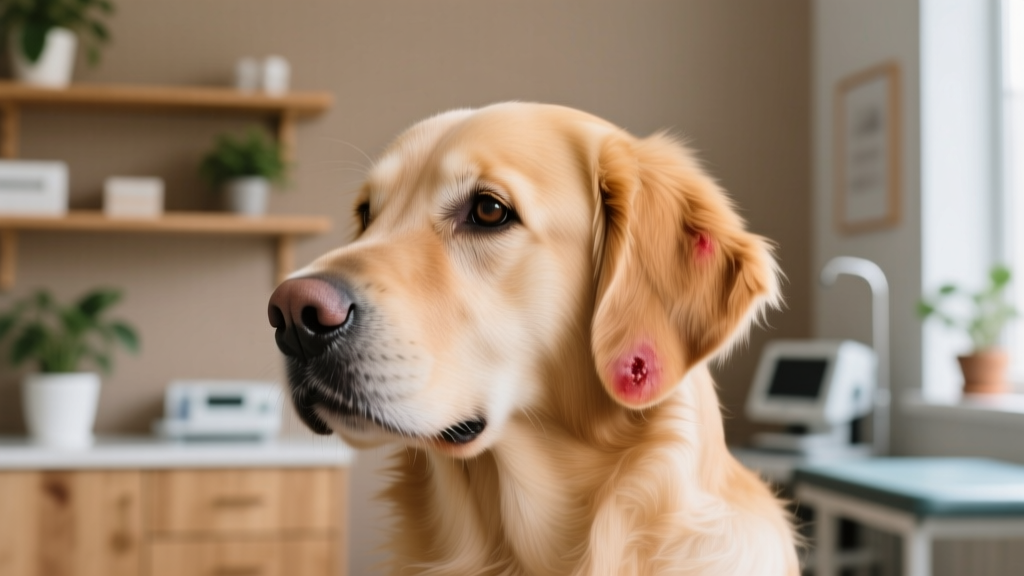
Baking Soda Bath for Dogs: Skin Soothing Guide & Safety Tips
Learn how to safely use a baking soda bath for dogs to soothe itchy skin, hot spots, and irritation. Includes skin anatomy, exam steps, and vet red flags.

If your dog is scratching, licking, or chewing at their skin, you've probably searched for a quick at-home remedy. A baking soda bath for dogs is one of the most accessible and affordable ways to provide temporary relief from mild skin irritation — but it's not a cure-all, and done incorrectly, it can actually worsen the problem. This guide covers canine skin anatomy, how to perform a proper baking soda bath, what normal versus abnormal skin looks like, and exactly when you need to stop home care and call your veterinarian.
⚠️ Veterinary Disclaimer
This guide provides general skin care education. A baking soda bath is a temporary comfort measure, not a treatment for infections, parasites, or allergic disease. Always consult your veterinarian before starting any home remedy, especially if your dog has open wounds, raw skin, or systemic symptoms like lethargy or fever.
Canine Skin Anatomy: How Your Dog's Skin Differs From Yours
Anatomy Quick Primer
Dog skin and human skin share the same basic layers — epidermis, dermis, and subcutis — but there are critical differences that affect how topical treatments like baking soda interact with their skin:
- pH level: Human skin sits at a pH of roughly 5.5 (acidic). Dog skin ranges from 6.2 to 7.4 (closer to neutral). This means products formulated for humans — including some soaps and shampoos — can disrupt the canine acid mantle and invite bacterial overgrowth.
- Epidermal thickness: A dog's epidermis is only 3–5 cell layers thick, compared to 10–15 layers in humans. This makes canine skin more permeable and more easily irritated by harsh substances.
- Hair follicle density: Dogs have compound follicles — one primary guard hair surrounded by 3–15 secondary undercoat hairs, all emerging from a single pore. This means skin conditions can trap debris and moisture deep within the follicle.
- No sweat glands (mostly): Dogs thermoregulate through panting and vasodilation, not sweating. Their apocrine glands secrete pheromones, not cooling moisture, which means their skin doesn't self-cleanse the way ours does.
Because baking soda (sodium bicarbonate) has a pH of approximately 8.3 — alkaline relative to dog skin — it can temporarily neutralize acidic irritants and soothe inflamed tissue. However, repeated or overly concentrated use can strip the lipid barrier, leading to dryness and secondary infection. Understanding this balance is the key to using a baking soda bath safely.
Common Dog Skin Problems: Symptoms & Causes
Before reaching for the baking soda, you need to identify what's actually going on with your dog's skin. Here's a breakdown of the most frequent canine dermatological conditions:
| Condition | Key Symptoms | Common Cause | Baking Soda Bath Helpful? |
|---|---|---|---|
| Atopic dermatitis (environmental allergies) | Paw licking, face rubbing, ear inflammation, seasonal flare-ups | Pollen, dust mites, mold spores | Temporary itch relief only |
| Flea allergy dermatitis | Intense scratching at tail base, lower back; scabbed bumps | Hypersensitivity to flea saliva | Mild soothing; does NOT kill fleas |
| Hot spots (acute moist dermatitis) | Rapidly spreading raw, weeping, painful lesions | Self-trauma from scratching/licking | Can help dry the area — but vet treatment needed |
| Bacterial pyoderma | Pustules, crusty scabs, circular lesions, foul odor | Staphylococcus pseudintermedius overgrowth | No — requires prescription antibiotics |
| Yeast (Malassezia) dermatitis | Greasy skin, musty/sweet odor, thickened or darkened skin | Yeast overgrowth, often secondary to allergies | No — alkaline pH may worsen yeast |
| Contact dermatitis | Redness on belly/paws after exposure to irritant | Chemicals, plants, cleaning products | Yes — helps neutralize and rinse irritants |
| Sarcoptic mange (scabies) | Intense itch, hair loss on ears/elbows/hocks, crusty skin | Sarcoptes scabiei mites | No — requires prescription parasiticide |
According to the Merck Veterinary Manual, skin disease is among the most common reasons dog owners visit the vet, accounting for an estimated 20–30% of all canine veterinary consultations.
How to Check Your Dog's Skin: A Step-by-Step Home Exam
A thorough skin examination takes about 5–10 minutes and should be done at least once a week, ideally during or right after a grooming session. Here's how to do it properly:
Home Skin Examination Steps
- Start with the belly and groin. Part the hair and look for redness, bumps, dark spots, or areas of thinning hair. The belly has less hair coverage, making it the easiest place to spot early changes.
- Check the armpits and inner thighs. These warm, moist fold areas are prime locations for yeast and bacterial growth. Feel for warmth, swelling, or grittiness.
- Inspect between the toes and paw pads. Spread each toe and look for redness, swelling, discharge, or foreign material (foxtails, burrs, ice-melt residue). Note any excessive licking patterns.
- Part the coat along the back and tail base. Use a fine-toothed flea comb and check for flea dirt (black specks that turn reddish-brown when placed on a wet paper towel).
- Examine the ears. Flip the ear flap and look for redness, discharge, or a strong odor. Note: recurrent ear issues often signal underlying skin disease.
- Run your hands over the entire body. Feel for lumps, bumps, scabs, crusts, or areas of unusual warmth. Note the size, shape, and location of anything abnormal.
- Assess coat quality. A healthy coat should be relatively shiny, without excessive shedding, dandruff, or a dull/brittle texture. Coat condition is a direct reflection of skin health.
Pro tip: Take photos of any suspicious spots during your weekly exam. Date-stamped photos give your veterinarian a timeline of progression, which is invaluable for diagnosing chronic skin conditions.
Normal vs. Abnormal: What Healthy Dog Skin Looks Like
Knowing what's normal is the only way to catch problems early. Here's a direct comparison:
| Indicator | ✅ Normal / Healthy | ❌ Abnormal / Concerning |
|---|---|---|
| Color | Pink, pale pink, or pigmented (black/brown) depending on breed — consistent and even | Sudden redness, dark patches, uneven discoloration, bruising |
| Texture | Smooth, supple, slightly elastic when gently pinched | Crusty, scaly, thickened ("elephant skin"), cracked, weeping |
| Odor | Mild, neutral, or slightly "doggy" — not offensive | Foul, yeasty, musty, or rancid smell |
| Moisture | Dry to the touch; not oily or tacky | Excessively oily, moist, or sticky |
| Hair coverage | Full and even (breed-dependent); seasonal shedding is normal | Patchy hair loss, broken hairs, bald spots |
| Scratching behavior | Occasional scratching (3–5 times per hour is typical) | Persistent scratching, chewing, or licking that interrupts sleep or play |
| Lumps and bumps | Small, stable lipomas (fatty tumors) common in older dogs; unchanged over months | Rapidly growing, firm, irregular, ulcerated, or bleeding masses |
Keep in mind that some breeds naturally have darker skin pigmentation or skin folds that require extra attention. What matters most is change — if your dog's skin looked different last month, that's worth investigating.
How to Prepare and Give a Baking Soda Bath for Dogs
A baking soda bath is appropriate for mild, generalized itchiness, minor insect bites, mild contact irritation, or as a soothing rinse after outdoor exposure to allergens. It is NOT a substitute for medicated shampoos prescribed by your vet.
What You'll Need
- Plain baking soda (sodium bicarbonate) — standard grocery store brand (Arm & Hammer or equivalent). Do NOT use baking powder (contains additional acids and leavening agents).
- Lukewarm water — between 98–102°F (37–39°C). Test on your inner wrist; it should feel barely warm.
- A clean basin, kiddie pool, or bathtub — depending on your dog's size.
- A measuring cup for accurate dosing.
- A soft washcloth or sponge for targeted application.
- Towels for drying (microfiber towels absorb more water and dry faster).
- Optional: Colloidal oatmeal (1/4 cup) can be added alongside baking soda for additional soothing.
Baking Soda Bath Concentration by Dog Size
| Dog Size | Weight Range | Water Volume | Baking Soda Amount |
|---|---|---|---|
| Small (Chihuahua, Yorkie) | 5–15 lb / 2–7 kg | 1–2 gallons (4–8 L) | 2 tablespoons |
| Medium (Beagle, Cocker Spaniel) | 20–50 lb / 9–23 kg | 3–5 gallons (11–19 L) | 1/4 cup (4 tablespoons) |
| Large (Lab, German Shepherd) | 55–90 lb / 25–41 kg | 6–10 gallons (23–38 L) | 1/3 cup (5.5 tablespoons) |
| Giant (Great Dane, Newfoundland) | 100+ lb / 45+ kg | 10–15 gallons (38–57 L) | 1/2 cup (8 tablespoons) |
Step-by-Step Bathing Procedure
- Dissolve the baking soda completely in warm water before your dog enters the bath. Undissolved granules can be mildly abrasive on irritated skin.
- Wet your dog's coat thoroughly using a cup or gentle spray nozzle. Avoid directing water into ears, eyes, or nose.
- Apply the baking soda solution by pouring it over the body or using a washcloth to press it into the coat. Focus on affected areas — belly, paws, inner thighs.
- Let it sit for 5–10 minutes. This is the contact time needed for the alkaline solution to neutralize surface acids and soothe inflammation. Keep your dog calm with treats and praise (positive reinforcement only — never restrain forcefully).
- Rinse thoroughly with clean, lukewarm water. Incomplete rinsing can leave a residue that dries out the skin. Rinse for at least 2–3 minutes for medium-to-large dogs.
- Pat dry with towels. Avoid vigorous rubbing, which can further irritate inflamed skin. If using a blow dryer, set it to cool or low-heat only.
⚡ Baking Soda Paste for Spot Treatment
For localized irritation (a single hot spot, insect bite, or rash patch), mix 3 parts baking soda to 1 part water to form a thick paste. Apply directly to the affected area, leave for 10 minutes, then rinse. This is more concentrated and should only be used on small areas — never full-body.
Frequency Guidelines
- Mild itch relief: Once every 7–10 days, maximum.
- After outdoor allergen exposure: As needed, but no more than twice per week.
- Never daily. Frequent alkaline baths disrupt the skin's acid mantle, encouraging bacterial overgrowth within 48–72 hours.
Home Skin Care Routine: Maintenance Between Baths
Weekly Skin & Coat Care Checklist
- ☐ Brush 2–3 times per week (daily for double-coated breeds) — removes dead hair, distributes natural oils, and lets you spot skin issues early.
- ☐ Wipe paws after every outdoor walk — use a damp microfiber cloth or unscented pet wipe to remove pollen, chemicals, and debris.
- ☐ Weekly skin exam (see steps above) — check belly, armpits, ears, and between toes.
- ☐ Wash bedding weekly in hot water (140°F / 60°C) with a fragrance-free, hypoallergenic detergent. Rinse twice to remove detergent residue.
- ☐ Flea/tick prevention — maintain year-round preventive medication as prescribed by your vet, even in winter months.
- ☐ Omega fatty acid supplementation — fish oil providing 1,000–1,500 mg combined EPA/DHA per 20 lb of body weight daily supports skin barrier function. Brands like Nordic Naturals Omega-3 Pet or Grizzly Salmon Oil are veterinary-recommended options ($15–$35 per bottle).
Product Recommendations for Canine Skin Care
| Product Type | Recommended Options | Price Range | Notes |
|---|---|---|---|
| Soothing shampoo | Douxo S3 Calm, Malaseb (for yeast), Veterinary Formula Oatmeal | $12–$28 | Look for colloidal oatmeal, pramoxine, or chlorhexidine as active ingredients |
| Leave-in spray | RescueMD Skin Repair, Veterycin Plus wound spray | $14–$22 | For spot treatment between baths |
| Flea comb | Safari Flea Comb, Hertzko Flea Comb | $6–$12 | Fine-toothed; check after every outdoor session |
| Omega-3 supplement | Nordic Naturals Omega-3 Pet, Grizzly Salmon Oil | $15–$35 | EPA/DHA supports skin barrier from inside out |
| Hypoallergenic detergent | All Free Clear, Tide Free & Gentle | $10–$16 | For washing dog bedding — no fragrances or dyes |
Breed Predispositions: Which Dogs Are Prone to Skin Problems?
Some breeds are genetically wired for skin trouble. If you own one of these breeds, a proactive skin care routine is non-negotiable:
| Breed | Common Skin Issues | Why They're Prone |
|---|---|---|
| West Highland White Terrier | Atopic dermatitis, Malassezia yeast, epidermal dysplasia | Known genetic predisposition; "Westie Armadillo Syndrome" |
| French Bulldog / Bulldog | Skin fold dermatitis, interdigital cysts, allergies | Deep facial and tail folds trap moisture and bacteria |
| German Shepherd | Pyoderma, flea allergies, perianal fistulas | Immune-mediated tendencies; dense double coat |
| Shar-Pei | Mucinosis, skin fold pyoderma, mast cell tumors | Excess mucin in skin; extreme wrinkling |
| Golden Retriever | Hot spots, atopic dermatitis, ichthyosis | Dense coat traps moisture; breed-line allergies |
| Boxer | Demodicosis, mast cell tumors, seasonal flank alopecia | Short coat offers less UV protection; immune susceptibility |
| Cocker Spaniel | Seborrhea, ear infections, lip fold dermatitis | Oily skin type; pendulous ears; facial folds |
The American Kennel Club notes that brachycephalic breeds and those with heavy skin folds require daily cleaning of fold areas with a chlorhexidine-based wipe to prevent intertrigo (fold dermatitis).
When to See the Vet: Red Flag Skin Symptoms
🚨 When to Call Your Veterinarian
Stop home treatment and schedule a veterinary visit if you observe any of the following:
- Open wounds, raw skin, or bleeding from scratching or chewing
- Pus-filled pustules or lesions that are spreading rapidly
- Skin that feels hot to the touch or is visibly swollen
- Foul or yeasty odor emanating from the skin or ears
- Hair loss in distinct patches (possible ringworm or demodectic mange)
- Lumps that are growing, changing color, or ulcerating
- Systemic signs: lethargy, loss of appetite, fever (normal canine temp: 101–102.5°F / 38.3–39.2°C)
- No improvement after 7 days of home care
- Itchiness that disrupts sleep or normal activity
Do NOT attempt to treat the following at home: suspected sarcoptic mange, deep pyoderma, autoimmune skin diseases (pemphigus, lupus), or any condition involving the eyes or mucous membranes.
Your veterinarian will likely perform a combination of diagnostic tests including skin cytology (tape prep or impression smear, typically $40–$80), skin scraping for mites ($30–$60), fungal culture ($50–$120), and possibly allergy testing (intradermal or serum IgE, $250–$600). According to the AVMA, early veterinary intervention for skin conditions leads to faster resolution and lower total treatment costs.
Prevention Strategies: Keeping Your Dog's Skin Healthy Long-Term
Prevention is always cheaper and less stressful than treatment. Build these habits into your dog's routine:
- Maintain year-round parasite control. Flea allergy dermatitis is the single most common allergic skin disease in dogs. Use a veterinary-prescribed oral or topical preventive — over-the-counter flea collars and shampoos are rarely sufficient. Expect to spend $15–$25/month on quality preventives.
- Feed a complete and balanced diet. Look for the AAFCO statement on your dog's food label. Diets with adequate linoleic acid, zinc, and vitamin E directly support skin barrier integrity. Budget $40–$80/month for a quality diet for a medium-sized dog.
- Limit bathing to once every 2–4 weeks unless medically indicated. Over-bathing strips protective oils. When you do bathe, use a pH-balanced canine shampoo (6.5–7.5 pH range).
- Address environmental allergens. Wipe your dog's coat and paws with a damp cloth after walks during high-pollen seasons. Consider a HEPA air purifier ($80–$200) for the room where your dog sleeps.
- Manage stress. Anxiety-driven licking and chewing (acral lick dermatitis) creates self-perpetuating skin damage. Provide enrichment, structured exercise, and consult a certified positive-reinforcement trainer or veterinary behaviorist if compulsive behaviors emerge.
- Keep skin folds clean and dry. For wrinkle-prone breeds, daily fold cleaning with a veterinary-recommended wipe prevents yeast and bacterial colonization.
- Supplement omega-3 fatty acids if your dog's diet is not already rich in EPA and DHA. Studies in the Journal of Veterinary Internal Medicine have shown that omega-3 supplementation can reduce pruritus scores by 20–30% in atopic dogs over 8–12 weeks.
Frequently Asked Questions
Can I use baking soda on my dog's hot spots?
A baking soda paste (3:1 ratio of baking soda to water) can help dry out a mild hot spot temporarily. However, hot spots often involve secondary bacterial infection that requires veterinary treatment — typically a combination of clipping the hair, topical chlorhexidine, and oral antibiotics. Use the paste as a bridge until your vet appointment, not as the sole treatment.
Is baking soda toxic if my dog licks it off?
Small amounts of baking soda licked off the skin are generally not harmful. However, ingestion of large quantities (more than 1–2 teaspoons for a small dog, or more than 1–2 tablespoons for a large dog) can cause vomiting, diarrhea, electrolyte imbalances, and in severe cases, metabolic alkalosis. If your dog ingests a significant amount, contact ASPCA Animal Poison Control at (888) 426-4435 (24/7, consultation fee applies) or your emergency veterinarian immediately.
How often can I give my dog a baking soda bath?
No more than once per week, and ideally once every 7–10 days. Frequent alkaline bathing disrupts the skin's acid mantle, which takes 24–48 hours to restore after each wash. Over-bathing with baking soda can actually worsen itching by promoting bacterial overgrowth.
Can I mix baking soda with my dog's regular shampoo?
It's not recommended. Most veterinary-formulated shampoos are carefully pH-balanced for canine skin. Adding baking soda alters the pH and can neutralize active ingredients like chlorhexidine or ketoconazole. Use baking soda as a separate rinse or bath, not as an additive.
My dog's itching hasn't improved after two baking soda baths. What now?
If there's no improvement after 7–14 days of home care, the underlying cause is likely beyond what a baking soda bath can address — most commonly environmental allergies, food allergies, or a secondary infection. Schedule a veterinary dermatology consultation. Your vet may recommend a diet elimination trial (8–12 weeks on a novel protein or hydrolyzed diet), allergy testing, or prescription medications like oclacitinib (Apoquel) or lokivetmab (Cytopoint).
Are there alternatives to baking soda for soothing my dog's skin?
Yes. Colloidal oatmeal baths are equally soothing and carry less risk of pH disruption. Aloe vera gel (pure, without added alcohol or xylitol) can be applied topically for minor irritation. For chronic conditions, veterinary-prescribed medicated shampoos containing pramoxine, hydrocortisone, or chlorhexidine are significantly more effective than any home remedy.
Jonas Cole
All our authors care for dogs every day — read more of their work on the authors page.