Can Dogs Eat Avocado? A Complete Safety Guide for Dog Owners
Can dogs eat avocado safely? Learn about persin toxicity, safe serving sizes by weight, preparation tips, and when avocado is dangerous for your dog.
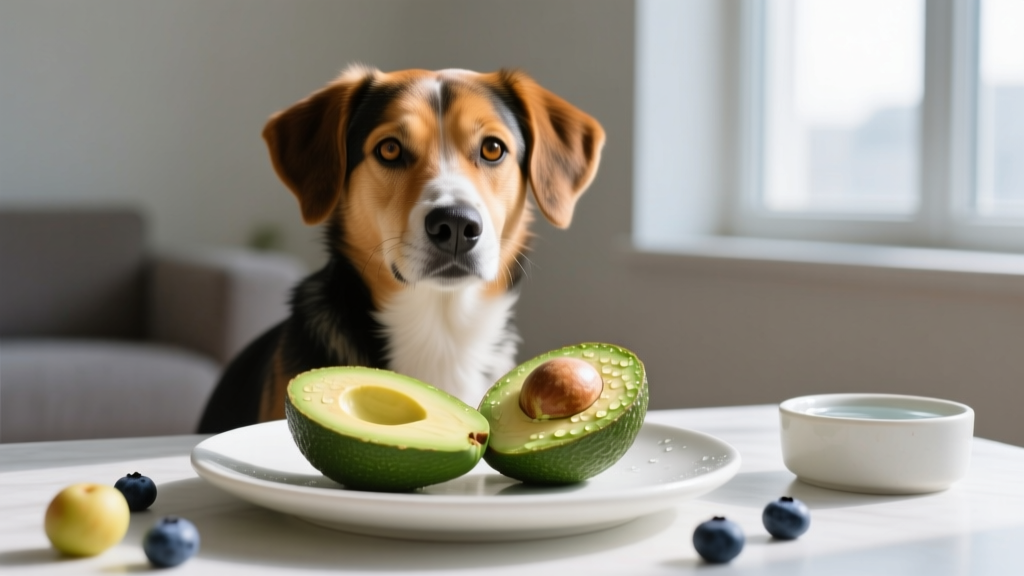
The Verdict: Can Dogs Eat Avocado?
CAUTION — Conditionally Safe in Small Amounts
Dogs can eat small amounts of ripe avocado flesh, but the pit, skin, leaves, and stem contain persin, a fungicidal toxin that can cause vomiting, diarrhea, and in severe cases, myocardial damage. The flesh itself contains only trace persin and is generally tolerated in controlled portions. However, the high fat content (approximately 15g fat per 100g of flesh) poses a real risk of pancreatitis in susceptible dogs. Always remove all non-flesh parts and introduce gradually. Consult your veterinarian before adding avocado to your dog's diet, especially if your dog has a history of pancreatic issues or is overweight.
The question of avocado for dogs generates more confusion than almost any other human food in the canine nutrition world. Part of the problem is that the answer genuinely depends on which part of the avocado we're discussing, how much your dog consumes, and your individual dog's health profile. The ASPCA lists avocado as toxic to many animal species due to persin content, but the practical risk to dogs eating small amounts of ripe flesh is considerably lower than the risk to horses, cattle, or birds.
In my years fielding questions from worried dog owners, I've found that most avocado-related emergencies involve dogs who've raided the kitchen trash and consumed pits or large quantities of skin — not dogs who were deliberately fed a teaspoon of mashed flesh. Understanding this distinction is critical to making safe decisions.
Understanding Persin: The Real Risk in Avocados
Persin is an oil-soluble fungicidal compound found throughout the avocado plant (Persea americana). It's most concentrated in the leaves, bark, skin, and pit, with significantly lower concentrations in the ripe mesocarp (the green flesh you eat). According to the Merck Veterinary Manual, persin causes necrosis of the heart muscle, lactating mammary gland tissue, and the gastrointestinal tract in sensitive species.
Dogs appear to have a relatively higher tolerance for persin compared to livestock and birds. However, this doesn't mean persin is harmless to dogs — it means the threshold for toxicity is higher. A 50 lb (23 kg) dog would need to consume a substantial quantity of skin, leaves, or pit material to reach dangerous persin levels. That said, individual sensitivity varies, and smaller dogs have proportionally lower thresholds.
| Plant Part | Persin Level | Risk to Dogs | Action |
|---|---|---|---|
| Ripe flesh (mesocarp) | Trace / very low | Low in small portions | Safe to feed in controlled amounts |
| Skin / peel | Moderate to high | Moderate | Always remove — do not feed |
| Pit / seed | High | High (toxicity + choking/obstruction) | Never feed — secure in trash |
| Leaves | Very high | High | Keep plants out of reach |
| Stem | Moderate | Moderate | Do not feed |
| Unripe flesh | Low to moderate | Moderate | Avoid — higher persin than ripe |
Safe Serving Sizes: How Much Avocado Can Your Dog Have?
When feeding ripe avocado flesh, portion control is non-negotiable. The high fat content means avocado should be treated as an occasional treat, not a dietary staple. Treats of any kind should comprise no more than 10% of your dog's daily caloric intake, per AKC nutritional guidelines. One tablespoon of mashed avocado contains roughly 23 calories and 2g of fat.
| Dog Weight Class | Weight Range | Max Serving (per occasion) | Frequency |
|---|---|---|---|
| Toy / Small | Under 15 lb (7 kg) | ½ teaspoon (≈2.5 mL) | No more than once per week |
| Small-Medium | 15–30 lb (7–14 kg) | 1 teaspoon (≈5 mL) | No more than once per week |
| Medium | 30–60 lb (14–27 kg) | 1 tablespoon (≈15 mL) | No more than 1–2 times per week |
| Large | 60–100 lb (27–45 kg) | 1½ tablespoons (≈22 mL) | No more than 1–2 times per week |
| Giant | Over 100 lb (45+ kg) | 2 tablespoons (≈30 mL) | No more than 1–2 times per week |
These portions assume your dog is otherwise healthy, at an ideal body condition score (BCS of 4–5 on a 9-point scale), and has no history of pancreatitis. If your dog falls outside these parameters, reduce portions by half or skip avocado entirely.
Nutritional Benefits: Is Avocado Good for Dogs?
Ripe avocado flesh does contain several nutrients that can benefit canine health when fed in appropriate amounts. However, every nutrient found in avocado is available from safer, lower-fat sources. Here's what 100g of ripe avocado flesh provides (USDA National Nutrient Database values):
- Monounsaturated fats (oleic acid): ~10g — supports skin and coat health, but excessive amounts contribute to pancreatitis risk
- Fiber: ~6.7g — aids digestive regularity, though this amount exceeds what most dogs need from treats
- Potassium: 485 mg — supports muscle and nerve function (comparable to bananas)
- Vitamin E: 2.07 mg — antioxidant that supports immune function and skin health
- Vitamin K: 21 mcg — essential for blood clotting
- Vitamin B6 (pyridoxine): 0.26 mg — supports metabolism and neurotransmitter function
- Folate (B9): 81 mcg — important for cell division and DNA synthesis
- Niacin (B3): 1.74 mg — supports energy metabolism
While these nutrients are genuinely beneficial, the fat-to-nutrient ratio makes avocado a less efficient supplement than leaner options. For example, you can get equivalent potassium from banana slices with a fraction of the fat content. Blueberries provide superior antioxidant density with minimal caloric impact. If your dog tolerates avocado well and enjoys the taste, the nutrients are a bonus — but they're not a reason to introduce the food if you have concerns.
How to Prepare Avocado for Your Dog
Proper preparation eliminates most of the persin-related risk. Follow these steps every time:
- Select a fully ripe avocado. It should yield to gentle pressure. Unripe avocados contain higher persin levels and are harder to digest.
- Cut the avocado in half and remove the pit immediately. Place the pit directly into a secured trash can your dog cannot access. Avocado pits are a leading cause of foreign body obstruction in dogs — they're the perfect size to lodge in the esophagus or intestines.
- Scoop the flesh away from the skin using a spoon. Do not feed any green-tinged skin or dark discoloration near the peel.
- Mash or dice the flesh into pieces appropriate for your dog's size. For small dogs, a smooth mash reduces choking risk.
- Serve plain. No salt, garlic, onion, lime juice, or seasoning. Guacamole is never safe for dogs — it typically contains garlic and onion (both toxic to dogs) along with salt and spices that cause GI irritation.
- Discard any unused portion within 2 hours if left at room temperature, or refrigerate in an airtight container for up to 24 hours.
Pro tip: If you want to use avocado as a food topper or enrichment activity, freeze small portions in a silicone treat mold. The frozen texture slows consumption and provides mental stimulation — just ensure the frozen portion matches the serving size guidelines above.
What Happens If Your Dog Eats Too Much Avocado?
Overconsumption of avocado flesh typically manifests as gastrointestinal upset within 12–24 hours. Symptoms include:
- Vomiting (sometimes with visible avocado material)
- Diarrhea, potentially with mucus
- Abdominal discomfort or bloating
- Lethargy or decreased appetite
- Excessive gas
The more serious concern with large quantities of avocado flesh is acute pancreatitis — an inflammatory condition triggered by high-fat meals. Pancreatitis symptoms may not appear for 24–72 hours and include:
- Repeated vomiting (often yellow or bile-tinged)
- Severe abdominal pain (dog may assume a "prayer position" with front legs extended and rear elevated)
- Fever
- Dehydration
- Loss of appetite lasting more than 24 hours
Pancreatitis requires immediate veterinary intervention. Treatment costs typically range from $500 to $2,500 depending on severity, hospitalization duration, and your geographic location. Dogs who've had one episode of pancreatitis are predisposed to recurrence, making prevention essential.
If your dog has ingested an avocado pit, this constitutes a veterinary emergency regardless of quantity. Pits can cause esophageal or intestinal obstruction requiring surgical removal, with costs ranging from $1,500 to $5,000+.
Call Your Veterinarian or Emergency Clinic Immediately If:
- Your dog consumed an avocado pit (whole or partial)
- Your dog ate avocado skin, leaves, or stem material
- Vomiting occurs more than twice within 12 hours
- Your dog shows signs of abdominal pain (whining, restlessness, prayer position)
- Your dog is a toy or small breed and consumed more than one tablespoon of flesh
- Your dog has a known history of pancreatitis and consumed any amount of avocado
- You observe difficulty breathing, weakness, or collapse (rare but possible with large persin doses)
ASPCA Animal Poison Control: (888) 426-4435 — available 24/7, consultation fee applies
Pet Poison Helpline: (855) 764-7661 — available 24/7
Dogs Who Should Never Eat Avocado
While small amounts of ripe flesh are tolerated by most healthy adult dogs, several categories of dogs should avoid avocado entirely:
- Dogs with a history of pancreatitis: The high fat content is a known trigger for recurrent episodes. Even small amounts can initiate inflammation.
- Overweight or obese dogs (BCS 7–9): Additional calorie-dense, high-fat treats worsen body condition and increase metabolic disease risk.
- Puppies under 12 months: Developing digestive systems are more sensitive to dietary fat fluctuations, and puppies have proportionally lower persin tolerance.
- Senior dogs with compromised organ function: Dogs with liver, kidney, or pancreatic insufficiency should stick to veterinary-prescribed diets.
- Dogs with known food allergies or sensitivities: While avocado allergy is uncommon in dogs, introducing novel high-fat foods to dogs with sensitive GI tracts increases the risk of adverse reactions.
- Dogs on calorie-restricted therapeutic diets: If your veterinarian has prescribed a specific diet for weight management, hepatic lipidosis, or other conditions, avocado should not be added without approval.
Foods Related to Avocado That Are Dangerous
When evaluating avocado safety, it's worth understanding the broader context of foods that pose similar or compounding risks:
| Food | Safety Status | Key Risk |
|---|---|---|
| Guacamole | TOXIC — Never feed | Contains garlic, onion, salt, and potentially jalapeño — all harmful to dogs |
| Avocado oil | Caution — very small amounts | Pure fat with minimal persin; still high calorie. ¼ tsp max for medium dogs |
| Avocado-based dog treats (commercial) | Generally safe | Formulated without pit/skin; check ingredient list for garlic/onion |
| Cherries | Caution — flesh only | Pits, stems, and leaves contain cyanogenic glycosides (cyanide precursors) |
| Mangoes | Caution — flesh only | Pit is a choking/obstruction hazard; skin difficult to digest |
| Peaches | Caution — flesh only | Pit contains cyanide compounds; obstruction risk |
| Grapes and raisins | TOXIC — Never feed | Causes acute kidney failure in dogs; no safe amount established |
The pattern here is important: many fruits with pits or seeds pose dual risks of both toxicity in non-flesh parts and physical obstruction. Always treat pits, seeds, and stems as hazards regardless of the fruit's flesh safety.
How to Introduce Avocado Safely
If you've decided to try feeding your dog small amounts of ripe avocado flesh, follow this introduction protocol:
- Start with one-quarter of the recommended serving for your dog's weight class. For a 40 lb dog, that's roughly ¾ teaspoon.
- Offer it on an empty stomach or mixed into a familiar food your dog tolerates well. This makes it easier to identify the avocado as the cause if any reaction occurs.
- Monitor closely for 24–48 hours. Watch for vomiting, diarrhea, changes in stool consistency, lethargy, or appetite changes.
- If no adverse reaction occurs, you can offer the full recommended serving on the next occasion (at least one week later).
- Keep a food journal noting the date, amount fed, and any observations. This is especially valuable for multi-dog households or dogs with complex dietary histories.
If your dog shows any signs of intolerance at the quarter-dose stage, discontinue avocado entirely. There's no nutritional benefit worth the digestive disruption, and plenty of safer alternatives exist.
Frequently Asked Questions
Can dogs eat avocado skin or peel?
No. Avocado skin contains significantly higher concentrations of persin than the flesh and is also difficult for dogs to digest. The rough texture can cause mechanical irritation to the GI tract. Always peel avocados completely before offering any flesh to your dog.
What should I do if my dog ate a whole avocado?
Contact your veterinarian or the ASPCA Animal Poison Control hotline at (888) 426-4435 immediately. A whole avocado means your dog likely consumed skin, pit, and flesh. The pit is the most urgent concern due to obstruction risk — your vet may recommend inducing vomiting if ingestion occurred within the last 2 hours, or may order abdominal radiographs to track the pit's location.
Is avocado oil safe for dogs?
Avocado oil contains minimal persin since it's extracted from the flesh, but it is essentially pure fat (14g per tablespoon). A few drops drizzled over food is unlikely to harm a healthy medium or large dog, but it offers no advantage over fish oil or flaxseed oil for omega fatty acid supplementation. Consult your veterinarian before adding any oil supplement to your dog's diet.
Can puppies eat avocado?
It's best to avoid feeding avocado to puppies under 12 months. Their developing digestive systems are more sensitive to high-fat foods, and their smaller body weight means even trace persin amounts represent a proportionally higher dose. Stick to puppy-formulated treats and foods during this critical growth period.
Are some avocado varieties safer than others?
The Hass variety (the most common commercial avocado in the US) has been studied more extensively than other cultivars, but persin content varies by ripeness and growing conditions rather than variety alone. The Guatemalan avocado varieties tend to have higher persin levels than Mexican varieties, according to agricultural research. Regardless of variety, the safety guidelines remain the same: ripe flesh only, in small portions, with all other parts removed.
My dog ate guacamole — is this an emergency?
Guacamole typically contains garlic and onion, both of which are toxic to dogs and can cause hemolytic anemia (destruction of red blood cells). The severity depends on the amount consumed relative to your dog's weight. Call your veterinarian or Pet Poison Helpline at (855) 764-7661 immediately. Have the guacamole ingredient list or recipe available when you call, as this helps the toxicologist assess risk.
Anouk Beaumont
All our authors care for dogs every day — read more of their work on the authors page.