Are Peanuts Bad for Dogs? A Complete Safety & Feeding Guide
Are peanuts bad for dogs? Learn which peanuts are safe, exact serving sizes by weight, nutritional benefits, risks, and when to call your vet.
Can Dogs Eat Peanuts? The Short Answer
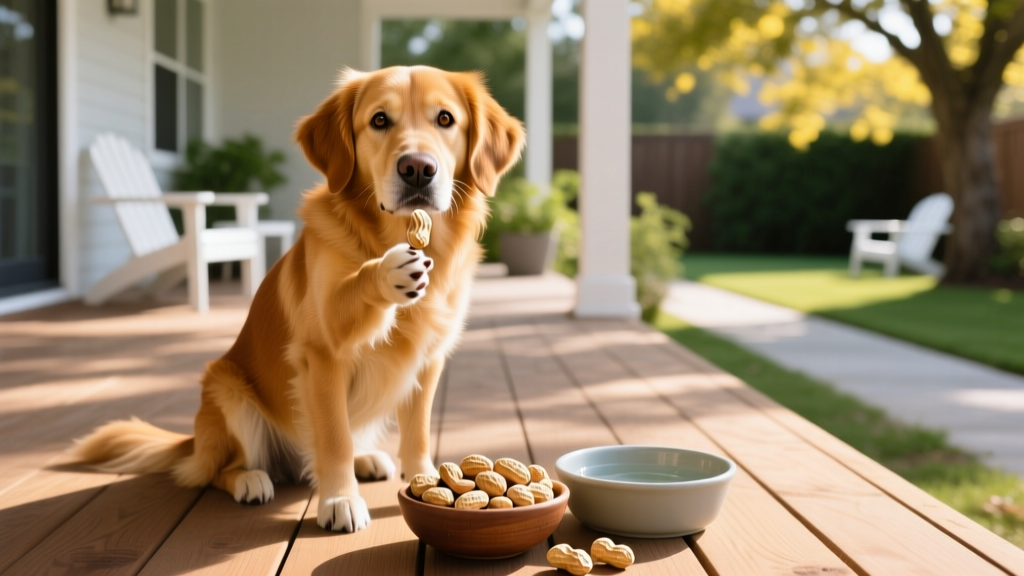
Plain, unsalted, shelled peanuts are safe for most healthy adult dogs in small quantities. Peanuts are not toxic to dogs, but they carry real risks: high fat content can trigger pancreatitis, shells pose choking and intestinal blockage hazards, and salted or flavored varieties contain ingredients that are unsafe. Peanut butter (xylitol-free) is generally the safest way to serve peanuts to dogs.
If you've ever dropped a peanut on the floor and watched your dog scramble for it, you've probably wondered whether it's safe. The good news is that peanuts themselves do not contain any compounds toxic to dogs — unlike macadamia nuts, which are genuinely dangerous. But "not toxic" doesn't automatically mean "good idea." Peanuts are roughly 49% fat by weight, and that fat density creates real health risks when dogs eat too many or eat them too often.
This guide breaks down exactly how much is safe, which types to avoid entirely, and the specific dogs who should never eat peanuts at all. Always consult your veterinarian before introducing new foods, especially if your dog has existing health conditions.
How Much Peanut Can I Safely Give My Dog?
Portion control is the single most important factor when feeding peanuts to dogs. Because peanuts are calorie-dense — roughly 161 calories per ounce (28 grams) — even a small handful can represent a significant chunk of a small dog's daily caloric needs. The general veterinary guideline is that treats and supplemental foods should not exceed 10% of your dog's total daily calorie intake.
| Dog Weight Class | Weight Range | Max Shelled Peanuts (per serving) | Max Peanut Butter | Max Frequency |
|---|---|---|---|---|
| Toy / Small | 5–20 lb (2–9 kg) | 3–5 individual peanuts | ½ teaspoon | 2–3 times per week |
| Medium | 21–50 lb (10–23 kg) | 6–10 individual peanuts | 1 teaspoon | 3–4 times per week |
| Large | 51–90 lb (23–41 kg) | 10–15 individual peanuts | 1 tablespoon | 3–4 times per week |
| Giant | 90+ lb (41+ kg) | 15–20 individual peanuts | 1½ tablespoons | 3–4 times per week |
These are maximums, not targets. Start at the lower end of the range the first time you offer peanuts and watch for any digestive upset over the next 24–48 hours. If your dog tolerates them well, you can gradually work up to the full serving size.
Is Peanut Nutritionally Good for Dogs?
Peanuts do contain several nutrients that support canine health, but dogs get these same nutrients from their complete-and-balanced commercial diets. Think of peanuts as an occasional bonus, not a nutritional necessity.
| Nutrient | Amount | Relevance to Dogs |
|---|---|---|
| Calories | 164 kcal | High — easy to overfeed |
| Total Fat | 14 g | Excess fat risks pancreatitis |
| Protein | 7 g | Good source, but dogs get protein from meals |
| Fiber | 2.4 g | Supports digestive regularity |
| Vitamin E | 2.4 mg (16% DV human) | Antioxidant; supports skin and coat health |
| Niacin (B3) | 4.2 mg | Supports energy metabolism |
| Magnesium | 48 mg | Muscle and nerve function |
| Phosphorus | 107 mg | Bone health — but excess is risky for kidney disease dogs |
According to the American Kennel Club, the vitamin E and niacin in peanuts can support a dog's skin, coat, and energy metabolism. However, the high fat-to-nutrient ratio means there are far more efficient ways to deliver these vitamins without the caloric load. A quality AAFCO-approved kibble already provides these micronutrients in bioavailable forms.
How Should I Prepare Peanuts for My Dog?
Not all peanuts are created equal. The preparation method determines whether they're a safe snack or a trip to the emergency clinic.
Safe Preparation Checklist
- Choose dry-roasted or raw, unsalted peanuts only. Avoid oil-roasted varieties, which add unnecessary fat and may contain oils (like garlic-infused) that are unsafe.
- Remove all shells. Peanut shells are fibrous, difficult to digest, and can cause intestinal blockages — especially in small breeds. They also pose a choking risk.
- Check for mold. Peanuts can harbor Aspergillus flavus, a mold that produces aflatoxin, a known hepatotoxin. Discard any peanuts that look discolored, shriveled, or smell musty.
- Skip all seasonings. No salt, no honey glaze, no chili coating, no garlic powder, no onion powder. Many flavored peanut varieties contain ingredients toxic to dogs.
- Chop or crush for small dogs. Whole peanuts are a choking hazard for dogs under 20 lb (9 kg). Roughly chop them or use unsalted, xylitol-free peanut butter instead.
Peanut Butter: The Safer Alternative
For most dog owners, unsalted peanut butter is the most practical way to share peanuts. It eliminates the choking hazard, makes portion control easier, and works great as a Kong stuffer or pill-hiding medium. But there's one non-negotiable rule: always read the ingredient label for xylitol (sometimes listed as birch sugar). Xylitol is an artificial sweetener that causes rapid, life-threatening hypoglycemia and liver failure in dogs. Even a small amount can be fatal.
Brands like Teddie (100% peanuts, no additives), Smucker's Natural (just peanuts and salt — use the unsalted version), and Crazy Richard's are generally safe choices. Always verify the label before each purchase, as manufacturers occasionally reformulate products.
What Are the Risks? What Happens if My Dog Eats Too Many Peanuts?
Understanding the potential downsides helps you make informed decisions and recognize when something has gone wrong.
Pancreatitis
This is the most serious risk associated with peanut overconsumption. Pancreatitis is an inflammation of the pancreas triggered by high-fat meals. Symptoms typically appear within 12–24 hours of eating a fatty food and include vomiting, diarrhea, abdominal pain (your dog may assume a "prayer position" — front legs flat, rear end raised), lethargy, and loss of appetite. Acute pancreatitis requires immediate veterinary treatment and can cost $1,000–$5,000+ in emergency care. Miniature Schnauzers, Cocker Spaniels, and Yorkshire Terriers are genetically predisposed.
Gastrointestinal Upset
Even without full-blown pancreatitis, the fat and fiber in peanuts can cause vomiting, diarrhea, and gas — especially in dogs not accustomed to them. This is usually self-limiting within 24 hours but is uncomfortable for your dog.
Choking and Intestinal Blockage
Whole peanuts are a choking risk for small dogs and enthusiastic gulpers. Shells, if ingested, can accumulate in the intestines and cause a partial or complete blockage, which may require surgical intervention ($2,000–$7,000 depending on severity and location).
Allergic Reactions
True peanut allergies are rare in dogs — far less common than in humans — but they do occur. Signs include facial swelling, hives, itching (especially around the paws and ears), difficulty breathing, and in severe cases, anaphylaxis. If you notice any of these symptoms within minutes to a few hours of feeding peanuts, seek veterinary care immediately.
Sodium Toxicity (From Salted Peanuts)
Salted peanuts can deliver a dangerous sodium load to a small dog. Symptoms of sodium ion poisoning include excessive thirst, urination, vomiting, diarrhea, tremors, seizures, and in severe cases, death. A single salted peanut won't cause harm, but a handful given to a 10 lb (4.5 kg) dog could be problematic.
- Ate a large quantity of peanuts (more than double the serving size for their weight)
- Consumed salted, flavored, or xylitol-containing peanut products
- Is vomiting repeatedly or has bloody diarrhea
- Shows signs of abdominal pain (hunched posture, whining when touched)
- Has facial swelling, hives, or difficulty breathing
- Ate peanut shells and is now lethargic, vomiting, or not defecating
ASPCA Animal Poison Control: (888) 426-4435 (24/7, consultation fee applies)
Which Dogs Should NOT Eat Peanuts?
Even in safe serving sizes, peanuts are not appropriate for every dog. Skip them entirely if your dog falls into any of these categories:
- Dogs with a history of pancreatitis — High-fat foods can trigger a recurrence, which can be life-threatening.
- Overweight or obese dogs — At 164 calories per ounce, peanuts contribute to weight gain quickly. A dog with a body condition score (BCS) above 6/9 should get lower-calorie treats like green beans or carrot sticks.
- Dogs with kidney disease — The phosphorus content in peanuts (107 mg per ounce) can worsen renal function in dogs with chronic kidney disease (CKD).
- Dogs with known food allergies or sensitive stomachs — While peanut allergy is uncommon, dogs on elimination diets or limited-ingredient diets should not receive peanuts without veterinary approval.
- Puppies under 6 months — Their digestive systems are still developing, and their caloric needs are better met by a complete puppy food. Introducing high-fat snacks can disrupt nutritional balance.
- Senior dogs with compromised digestion — Older dogs often have reduced pancreatic function and slower GI motility, making high-fat, dense foods harder to process.
- Dogs prone to bladder or kidney stones — Peanuts contain oxalates, which can contribute to calcium oxalate stone formation in predisposed dogs.
Related Foods: What About Other Nuts and Peanut Products?
Peanuts are technically legumes, not tree nuts. This distinction matters because the safety profiles of various nuts differ significantly for dogs.
| Food | Safe for Dogs? | Key Risk |
|---|---|---|
| Peanuts (plain, shelled) | Yes, with caution | High fat; pancreatitis risk |
| Peanut butter (xylitol-free) | Yes, with caution | High fat; check for xylitol |
| Peanut shells | No | Choking; intestinal blockage |
| Macadamia nuts | NO — TOXIC | Causes weakness, vomiting, tremors, hyperthermia |
| Almonds | No | Choking; GI obstruction; high fat |
| Cashews (unsalted, roasted) | Occasionally, small amounts | High fat; less protein than peanuts |
| Walnuts | No | Prone to mold (tremorgenic mycotoxins); high fat |
| Pecans | No | Juglone compound; GI upset; obstruction risk |
| Hazelnuts | No | Choking; obstruction; high fat |
According to the ASPCA, macadamia nuts are confirmed toxic to dogs and should never be fed in any quantity. If your dog ingests macadamia nuts, contact your veterinarian or the ASPCA Animal Poison Control hotline at (888) 426-4435 immediately.
How to Introduce Peanuts Safely
If your dog has never had peanuts and you'd like to try them, follow this step-by-step protocol:
- Start with a single peanut (or ¼ teaspoon of xylitol-free peanut butter for small dogs). Offer it on an empty stomach so you can clearly observe any reaction.
- Wait and observe for 24–48 hours. Watch for vomiting, diarrhea, excessive gas, itching, facial swelling, or behavioral changes like lethargy.
- If no adverse reaction occurs, offer 2–3 peanuts at the next serving, still within the weight-based guidelines above.
- Gradually increase to the full serving size over 3–4 separate feedings across a week or two.
- Never use peanuts as a meal replacement. They are a supplemental treat only. Your dog's primary nutrition should come from an AAFCO-approved complete-and-balanced diet.
For training purposes, peanut butter works exceptionally well as a high-value reward for positive reinforcement methods. A small lick off a spoon or a thin smear inside a Kong toy provides motivation without overfeeding. Just remember to count those calories toward the daily 10% treat allowance.
Frequently Asked Questions
Can dogs eat honey-roasted peanuts?
No. Honey-roasted peanuts typically contain added sugar, salt, and sometimes artificial flavorings that are not appropriate for dogs. The sugar content contributes to obesity and dental issues, and the salt can cause sodium toxicity in small dogs. Stick to plain, unsalted, dry-roasted peanuts.
Are peanuts bad for dogs with allergies?
While true peanut allergy is uncommon in dogs, dogs with a history of food allergies or atopic dermatitis may be more reactive. If your dog is on an elimination diet or has known food sensitivities, consult your veterinarian before introducing peanuts. The Merck Veterinary Manual notes that food allergies in dogs most commonly involve proteins like beef, dairy, chicken, and wheat — but individual dogs can react to any food protein.
Can puppies eat peanuts?
It's best to wait until your puppy is at least 6 months old before introducing peanuts. Puppies have specific nutritional requirements for growth, and their developing digestive systems handle high-fat foods poorly. Focus on a complete, AAFCO-approved puppy food for their primary nutrition, and use low-fat, puppy-safe treats like small pieces of boiled chicken or commercial puppy training treats.
What should I do if my dog ate an entire jar of peanut butter?
First, check the ingredient label for xylitol (birch sugar). If xylitol is listed, this is an emergency — call your veterinarian or the ASPCA Animal Poison Control at (888) 426-4435 immediately, as xylitol causes rapid, life-threatening hypoglycemia. If the peanut butter is xylitol-free, the main concern is pancreatitis from the massive fat intake. Monitor closely for vomiting, diarrhea, abdominal pain, and lethargy over the next 24 hours, and call your vet for guidance based on your dog's weight and how much was consumed.
Is peanut butter or whole peanuts better for dogs?
For most dogs, unsalted, xylitol-free peanut butter is the safer option. It eliminates choking risk, makes portion control more precise, and is easier to digest. Whole peanuts are fine for larger dogs who chew thoroughly, but they carry a higher choking and blockage risk — especially if shells are present.
Can dogs eat peanut shells?
No. Peanut shells are fibrous, difficult to digest, and can cause choking or intestinal blockage. They also tend to be heavily salted when sold commercially. Always shell peanuts completely before offering them to your dog.
Marcus Aldridge
All our authors care for dogs every day — read more of their work on the authors page.