Are Mushrooms Toxic to Dogs? A Complete Safety Guide
Are mushrooms toxic to dogs? Learn which types are dangerous, symptoms of poisoning, toxic dose thresholds, and what to do if your dog eats wild mushrooms.

Are Mushrooms Poisonous to Dogs? The Short Answer
Yes, many wild mushrooms are highly toxic to dogs, and some species can be fatal even in small quantities. While store-bought culinary mushrooms like button, cremini, and portobello (all varieties of Agaricus bisporus) are generally safe for dogs in plain, cooked form, wild mushrooms pose a severe and unpredictable danger.
The challenge for dog owners is that distinguishing between safe and toxic wild mushrooms requires expert-level mycology knowledge. Even experienced foragers sometimes misidentify species. For this reason, veterinary toxicologists operate on a simple rule: treat all wild mushroom ingestions as potentially life-threatening emergencies.
According to the Merck Veterinary Manual, mushroom poisoning in dogs typically involves four major toxin categories, each producing different clinical syndromes. The most dangerous group contains amatoxins—cyclopeptides found in Amanita phalloides (Death Cap), Amanita ocreata (Destroying Angel), and related species—which cause irreversible liver and kidney failure.
What Makes Wild Mushrooms Dangerous? Toxic Compounds Explained
Understanding the specific toxins helps explain why mushroom poisoning is so difficult to treat:
Amatoxins (Cyclopeptides)
Found in Amanita, Galerina, and Lepiota species. Amatoxins inhibit RNA polymerase II, effectively halting protein synthesis in cells. The liver and kidneys—organs with rapid cell turnover—suffer the most damage. The lethal dose is estimated at 0.1 mg/kg of body weight, making amatoxins among the most potent natural poisons known. A single Death Cap mushroom cap can contain enough amatoxin to kill a 50 lb (23 kg) dog.
Muscarine
Present in Inocybe and Clitocybe species. Muscarine stimulates the parasympathetic nervous system, causing excessive salivation, lacrimation, urination, defecation, and potentially fatal respiratory depression. Onset is rapid—often within 15-30 minutes of ingestion.
Ibotenic Acid and Muscimol
Found in Amanita muscaria (Fly Agaric) and Amanita pantherina. These compounds act on GABA receptors in the central nervous system, producing disorientation, ataxia, tremors, and seizures. While less commonly fatal than amatoxins, severe cases can result in respiratory arrest.
Gyromitrin (Monomethylhydrazine)
Present in false morels (Gyromitra species). Gyromitrin is metabolized to monomethylhydrazine, which interferes with vitamin B6 metabolism and GABA synthesis, leading to seizures. The toxic dose varies widely, but ingestion of just a few caps can produce clinical signs in a medium-sized dog.
| Toxin | Source Species | Estimated Lethal Dose | Onset of Symptoms |
|---|---|---|---|
| Amatoxins | Amanita phalloides, A. ocreata, Galerina marginata | 0.1 mg/kg (one cap can kill a 50 lb dog) | 6-24 hours (deceptive) |
| Muscarine | Inocybe, Clitocybe species | Varies; clinical signs at low doses | 15-30 minutes |
| Ibotenic acid/Muscimol | Amanita muscaria, A. pantherina | ~5-10 mg/kg muscimol | 30-90 minutes |
| Gyromitrin | Gyromitra species (false morels) | 20-50 mg/kg (varies by individual) | 5-10 hours |
Sources: Merck Veterinary Manual, ASPCA Animal Poison Control. These are estimates—individual sensitivity varies significantly.
Symptoms Timeline: What to Watch For and When
Mushroom poisoning symptoms vary dramatically depending on the toxin type. The most insidious aspect of amatoxin poisoning is the "false recovery" period, which can trick owners into thinking their dog is fine.
Phase 1: Gastrointestinal Phase (30 minutes – 24 hours)
- Vomiting (may contain mushroom fragments)
- Profuse, watery diarrhea (sometimes bloody)
- Abdominal pain and tenderness
- Excessive drooling (particularly with muscarine-containing species)
- Lethargy and weakness
Phase 2: False Recovery (24 – 72 hours, amatoxin only)
GI symptoms may temporarily resolve. Your dog may appear to be improving. This is the most dangerous period because liver damage is progressing silently. Many owners delay veterinary care during this phase, believing the crisis has passed.
Phase 3: Organ Failure Phase (72 – 96+ hours, amatoxin only)
- Jaundice (yellowing of gums, eyes, skin)
- Bleeding disorders (bruising, nosebleeds, blood in stool)
- Hepatic encephalopathy (confusion, head pressing, seizures)
- Acute kidney failure (decreased or absent urine production)
- Coma and death
| Time After Ingestion | Muscarine-Type | Amatoxin-Type | Ibotenic/Muscimol |
|---|---|---|---|
| 15-30 min | SLUDDE signs begin (salivation, lacrimation, urination, diarrhea) | No symptoms yet | Disorientation begins |
| 1-2 hours | Peak symptoms; respiratory distress possible | No symptoms yet | Ataxia, tremors, "walking drunk" |
| 6-12 hours | Recovery or death | Severe vomiting/diarrhea begins | Seizures possible; recovery begins |
| 24-48 hours | — | False recovery; liver enzymes rising | Most dogs recover |
| 72-96 hours | — | Organ failure; critical prognosis | — |
What to Do If Your Dog Ate a Wild Mushroom: Immediate Action Steps
Every minute counts. Follow these steps in order:
- Remove your dog from the area to prevent further ingestion. Check the mouth for remaining mushroom pieces.
- Photograph the mushroom—capture the cap (top and underside showing gills), stem, and any volva (cup-like structure at the base). If possible, carefully collect a sample in a paper bag (not plastic, which degrades specimens). Mycologists can sometimes identify species from photos alone.
- Call your veterinarian or emergency clinic immediately. If your regular vet is closed, locate the nearest 24-hour emergency animal hospital. You can also call ASPCA Animal Poison Control at (888) 426-4435 for expert guidance (24/7, consultation fee applies).
- Do NOT induce vomiting unless specifically instructed by a veterinarian or poison control specialist. If your dog is already vomiting, seizing, or unconscious, inducing vomiting can cause aspiration pneumonia.
- Note the time of ingestion (or your best estimate), the approximate quantity consumed, and your dog's current weight. This information helps the vet calculate risk and treatment protocols.
- Transport to veterinary care. Bring the mushroom sample and photos with you. Time from ingestion to treatment initiation significantly impacts prognosis.
Important: Even if your dog appears completely normal after eating a wild mushroom, seek veterinary evaluation immediately. Amatoxin poisoning has a delayed onset of 6-24 hours, and early intervention (within the first 4-6 hours) dramatically improves survival rates.
What to Expect at the Vet: Treatment and Costs
Veterinary treatment for mushroom poisoning is aggressive and often requires hospitalization. Here's what to expect:
Diagnostic Workup ($200–$500)
- Physical examination and neurological assessment
- Blood chemistry panel (ALT, AST, bilirubin, BUN, creatinine) to assess liver and kidney function
- Complete blood count (CBC) to check for coagulation abnormalities
- Coagulation profile (PT, aPTT) — amatoxin destroys clotting factor production
- Urinalysis to evaluate kidney function
- Mushroom identification via mycologist consultation if sample is available
Decontamination ($100–$300)
If ingestion occurred within the past 2 hours and your dog is stable:
- Induced emesis using apomorphine (injectable) or 3% hydrogen peroxide (oral)
- Activated charcoal administration (1-4 g/kg) to bind remaining toxins in the GI tract
- Gastric lavage in severe cases or if emesis is contraindicated
Hospitalization and Supportive Care ($1,500–$5,000+)
- IV fluid therapy (aggressive diuresis at 2-3x maintenance rate) to support kidney perfusion and flush toxins
- Hepatoprotectants: N-acetylcysteine (NAC) at 140 mg/kg loading dose, then 70 mg/kg every 6 hours; S-adenosylmethionine (SAMe) at 20 mg/kg daily; silymarin (milk thistle extract) at 20-50 mg/kg daily
- Vitamin K1 supplementation if coagulopathy develops
- Anti-emetics (maropitant/Cerenia at 1 mg/kg) to control vomiting
- Seizure management with diazepam or levetiracetam if neurological signs develop
- Plasma transfusions if severe coagulopathy occurs ($300-$600 per unit)
- Serial blood work every 12-24 hours to monitor liver enzyme trends
Total treatment costs for severe amatoxin poisoning with multi-day hospitalization typically range from $3,000 to $8,000+, depending on your region and the severity of organ damage. Pet insurance can significantly offset these costs if you have an active policy.
- Vomiting or diarrhea within 24 hours of eating any wild mushroom
- Excessive drooling, tearing, or urination
- Staggering, tremors, or seizures
- Yellowing of gums or whites of eyes (jaundice)
- Unusual bruising or bleeding
- Lethargy, collapse, or unresponsiveness
- Any wild mushroom ingestion, even with no symptoms
Will My Dog Survive Mushroom Poisoning? Prognosis and Recovery
Survival depends heavily on three factors: the mushroom species ingested, the quantity consumed relative to body weight, and—most critically—how quickly veterinary treatment begins.
Muscarine and isoxazole poisoning (from Inocybe, Clitocybe, or Amanita muscaria) generally carries a better prognosis with prompt treatment. Most dogs recover within 24-48 hours with supportive care. Mortality is low when respiratory function is maintained.
Amatoxin poisoning carries a guarded to poor prognosis once clinical signs of liver failure appear. According to veterinary toxicology literature, dogs treated within 4 hours of ingestion (before GI signs begin) have significantly better outcomes than those presenting after the false recovery phase. Once hepatic encephalopathy develops, mortality exceeds 80% even with aggressive treatment. Liver transplantation is not currently a practical option in veterinary medicine.
Gyromitrin poisoning prognosis depends on seizure control. Dogs that survive the initial 24-48 hours without uncontrolled seizures typically recover fully with appropriate B6 supplementation and supportive care.
Prevention: Keeping Your Dog Safe From Mushroom Hazards
Prevention is far more reliable than treatment when it comes to wild mushrooms. Implement these strategies:
- Walk your yard daily during warm, wet weather (prime mushroom growth conditions). Remove any mushrooms you find by twisting them out at the base and disposing of them in a sealed trash container—not compost, where dogs may dig them up.
- Train a reliable "leave it" cue using positive reinforcement methods. Practice with high-value treats so your dog learns that ignoring ground items earns better rewards. Start indoors with controlled setups before progressing to outdoor environments.
- Supervise outdoor time closely, especially in wooded areas, mulched garden beds, and after heavy rain. Mushrooms can appear overnight—literally—so even familiar yards need regular checks.
- Improve yard drainage in persistently damp areas. Mushrooms thrive in moist, decaying organic matter. Removing dead tree stumps, old mulch, and accumulated leaf litter reduces fungal growth habitat.
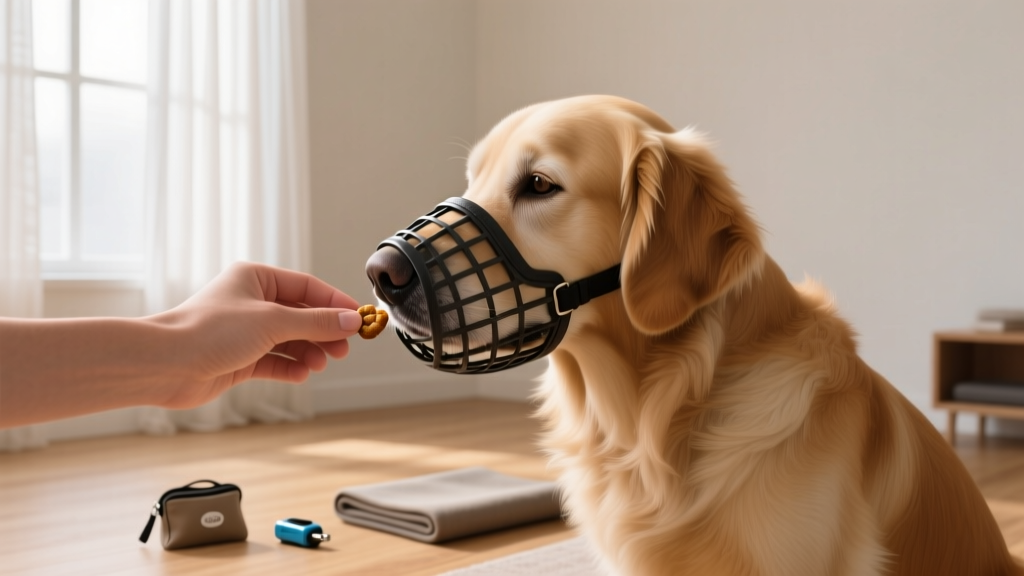
- Use a basket muzzle for dogs with persistent scavenging habits during walks. A well-fitted basket muzzle allows panting and drinking while preventing ingestion of ground objects. Introduce the muzzle gradually with positive reinforcement.
- Keep dogs on-leash in areas where mushroom identification is impossible, such as dense underbrush or unfamiliar hiking trails.
- Store culinary mushrooms safely — while store-bought mushrooms are not toxic, they can cause GI upset if eaten raw or in large quantities, and seasoned/prepared mushrooms may contain toxic ingredients like garlic or onions.
Related Toxic Items: Other Household and Outdoor Hazards
If you're concerned about mushroom exposure, be aware of these additional toxic hazards commonly encountered by dogs:
| Hazard | Toxic Compound | Risk Level | Common Sources |
|---|---|---|---|
| Grapes and raisins | Tartaric acid (identified 2021) | High — acute kidney failure | Kitchen counters, trail mix, baked goods |
| Xylitol (birch sugar) | Xylitol | Extreme — hypoglycemia, liver failure | Sugar-free gum, peanut butter, baked goods |
| Onions and garlic | N-propyl disulfide | Moderate-High — hemolytic anemia | Table scraps, baby food, seasoning mixes |
| Chocolate | Theobromine and caffeine | Moderate-High (dose-dependent) | Candy, baked goods, cocoa mulch |
| Sago palm | Cycasin | Extreme — liver failure | Indoor/outdoor ornamental plants |
| Rodenticides | Anticoagulants, cholecalciferol, bromethalin | Extreme — varies by type | Garage, shed, neighbor's property |
For more information on food safety, see the ASPCA's comprehensive list of toxic and non-toxic plants, which includes many fungi and molds commonly found in homes and yards.
Frequently Asked Questions
Can dogs eat store-bought mushrooms from the grocery store?
Plain, cooked button, cremini, and portobello mushrooms (all Agaricus bisporus) are generally safe for dogs in small quantities. Avoid raw mushrooms, which are harder to digest, and never feed mushrooms prepared with butter, garlic, onions, or excessive salt. A safe serving is approximately 1-2 small pieces for a medium-sized dog (30-50 lb / 14-23 kg), offered no more than once or twice weekly.
How quickly do mushroom poisoning symptoms appear in dogs?
Symptom onset ranges from 15 minutes (muscarine-type) to 24 hours (amatoxin-type). The most dangerous mushrooms—those containing amatoxins—often have a delayed onset of 6-24 hours, which is why immediate veterinary evaluation is critical even if your dog appears fine.
What if my dog licked a mushroom but didn't eat it?
While licking alone is unlikely to deliver a toxic dose, it's impossible to know how much material transferred. Contact your veterinarian or poison control for guidance, and monitor for symptoms over the next 24 hours.
Are dried mushrooms more toxic than fresh ones?
Drying concentrates toxins by removing water weight. A dried Death Cap contains the same total amount of amatoxin as when it was fresh, but in a smaller, more concentrated form. Dried mushrooms from supplement or culinary products marketed for humans (like lion's mane or reishi) should still not be given to dogs without veterinary approval, as dosing and purity are not regulated for canine use.
Can I use mushroom identification apps to determine if a mushroom is safe?
No. Consumer mushroom identification apps have documented error rates and should never be relied upon when your dog's life is at stake. Misidentification between toxic Amanita species and edible lookalikes is common even among experienced foragers. If your dog has eaten any wild mushroom, treat it as potentially toxic and seek veterinary care immediately.
Disclaimer: This article is for informational purposes only and does not replace professional veterinary advice. Always consult your veterinarian for guidance specific to your dog's health. In any suspected poisoning emergency, contact your veterinarian or the ASPCA Animal Poison Control Center at (888) 426-4435 immediately.
Anouk Beaumont
All our authors care for dogs every day — read more of their work on the authors page.