Are Mushrooms Good for Dogs? A Complete Safety & Feeding Guide
Are mushrooms good for dogs? Learn which store-bought varieties are safe, exact serving sizes by weight, nutritional benefits, and critical wild mushroom risks.
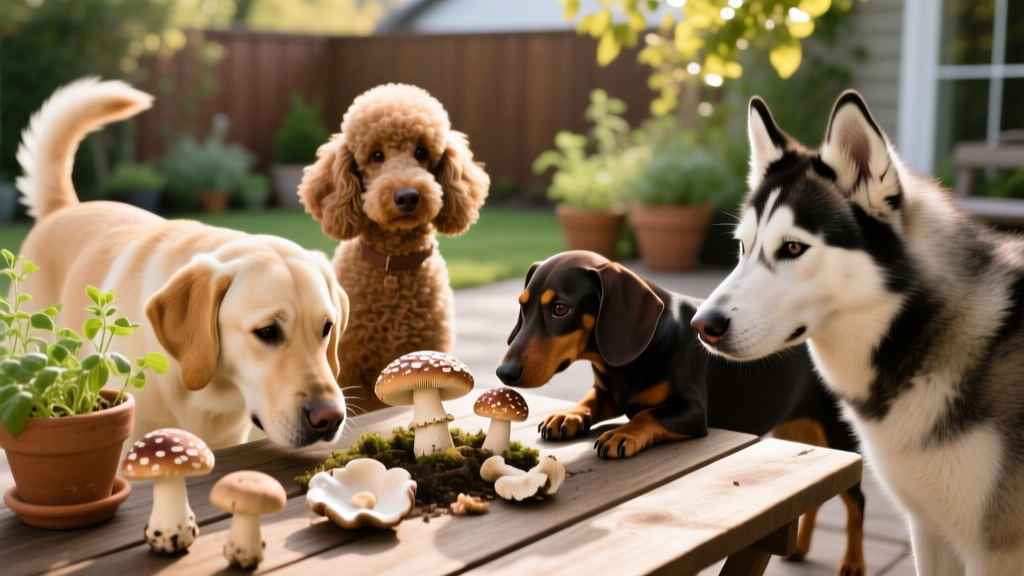
Plain, cooked store-bought mushrooms (white button, cremini, portobello, shiitake) are safe and nutritionally beneficial for most dogs when prepared without seasoning, oils, or butter. However, wild mushrooms are potentially lethal and must never be fed to or consumed by dogs. The distinction between cultivated grocery-store varieties and wild-foraged species is the single most important safety factor in this entire guide.
Can Dogs Eat Mushrooms? The Critical Distinction
The short answer depends entirely on the source. Mushrooms purchased from your local grocery store — including white button (Agaricus bisporus), cremini, portobello, and shiitake — are non-toxic to dogs and can serve as a low-calorie, nutrient-dense treat. These commercially cultivated varieties are grown in controlled environments and have been part of the human food supply for generations, with no documented toxicity in canines at appropriate serving sizes.
Wild mushrooms are a completely different story. According to the ASPCA, several wild mushroom species found across North America contain amatoxins, hydrazines, and other compounds that cause acute liver failure, kidney damage, and neurological symptoms in dogs. Amanita phalloides (death cap) and Galerina marginata are among the most dangerous, and even experienced mycologists sometimes struggle with identification.
If your dog eats an unidentified wild mushroom during a walk or in your backyard, treat it as a potential emergency. Do not wait for symptoms to appear.
Nutritional Benefits: What Mushrooms Offer Your Dog
Store-bought mushrooms deliver a surprisingly robust nutrient profile for very few calories. A 100-gram serving of raw white button mushrooms contains approximately 22 calories, 3.1 grams of protein, and 1 gram of fiber, according to USDA food composition data. Here's how those nutrients translate to canine health benefits:
| Nutrient | Amount | Canine Benefit |
|---|---|---|
| Selenium | 9.3 mcg | Antioxidant support, immune function |
| Riboflavin (B2) | 0.49 mg | Energy metabolism, skin and coat health |
| Niacin (B3) | 3.61 mg | Nervous system function, digestion |
| Potassium | 318 mg | Muscle function, electrolyte balance |
| Copper | 0.32 mg | Iron absorption, red blood cell formation |
| Vitamin D (UV-exposed) | Up to 154 IU | Bone health, calcium regulation |
| Dietary Fiber | 1.0 g | Gut motility, stool quality |
| Beta-Glucans | Variable | Immune modulation (studied in canine oncology) |
The beta-glucan content in mushrooms — particularly shiitake and maitake varieties — has drawn attention in veterinary research. A study published in the Journal of Veterinary Internal Medicine examined polysaccharopeptide (PSP) from Coriolus versicolor (turkey tail mushroom) and its potential immune-modulating effects in dogs with hemangiosarcoma. While these findings are promising, they involve concentrated extracts, not dietary mushroom servings, so feeding mushrooms at home should be viewed as a nutritional supplement, not a therapeutic intervention.
Mushrooms that have been exposed to UV light during cultivation can contain significantly elevated vitamin D levels — sometimes exceeding 150 IU per 100 grams compared to trace amounts in dark-grown specimens. This is relevant for dogs on homemade diets where vitamin D adequacy is sometimes a concern, though you should always consult a veterinary nutritionist before relying on food sources to address nutrient gaps.
Safe Serving Sizes by Dog Weight
Portion control matters because mushrooms are high in fiber relative to their caloric content, and sudden increases in dietary fiber can cause loose stools or gas in dogs. Treats of any kind — mushrooms included — should not exceed 10% of your dog's daily caloric intake. Use the following table as a starting framework, and always introduce gradually.
| Dog Weight Class | Weight Range | Serving Size | Frequency |
|---|---|---|---|
| Toy / Small | 5–15 lb (2–7 kg) | 1–2 teaspoons, chopped | 2–3 times per week |
| Medium | 16–40 lb (7–18 kg) | 1–2 tablespoons, chopped | 2–3 times per week |
| Large | 41–80 lb (18–36 kg) | 2–4 tablespoons, chopped | 2–3 times per week |
| Giant | 81+ lb (36+ kg) | ¼ to ⅓ cup, chopped | 2–3 times per week |
These portions assume the mushrooms are cooked and finely chopped. For first-time feeding, start with roughly one-quarter of the recommended serving and monitor your dog for 24–48 hours before increasing to the full amount.
How to Prepare Mushrooms for Your Dog
- Select plain, fresh mushrooms. White button, cremini, portobello, or shiitake from a reputable grocery store. Avoid canned mushrooms — they are typically packed in brine with sodium levels (600–900 mg per cup) far exceeding what is appropriate for canine consumption.
- Wash thoroughly. Rinse under cool running water and use a soft brush or damp paper towel to remove any growing medium residue. Do not soak mushrooms, as they absorb water and become soggy.
- Cook without fat or seasoning. Sauté in a dry non-stick pan over medium heat for 5–7 minutes until softened and lightly browned, or steam for 4–5 minutes. Do not add butter, olive oil, garlic, onions, salt, or pepper. Garlic and onions are toxic to dogs (causing hemolytic anemia), and added fats can trigger pancreatitis in susceptible breeds like Miniature Schnauzers.
- Chop into appropriate pieces. For small dogs, mince into pea-sized pieces to prevent choking. For larger dogs, rough-chop into bite-sized chunks roughly ½ inch across.
- Cool completely before serving. Let mushrooms reach room temperature, then mix into your dog's regular kibble or offer as a standalone topper.
A note on raw mushrooms: While raw white button mushrooms are not toxic to dogs, they contain small amounts of agaritine, a naturally occurring hydrazine compound. Cooking reduces agaritine levels by approximately 50–75% according to food safety research, so cooked mushrooms are the preferred option. Raw mushrooms are also tougher to digest due to their chitin cell walls, which canine digestive systems break down less efficiently than human systems.
Risks, Side Effects, and What Happens If Your Dog Eats Too Much
Even safe, store-bought mushrooms can cause problems if overfed or if your dog has an individual sensitivity. Here's what to watch for:
Digestive Upset
The most common side effect of overfeeding mushrooms is gastrointestinal disturbance — soft stools, flatulence, or mild vomiting. This typically occurs when a dog consumes more than twice the recommended serving in a single sitting. The fiber and sugar alcohols (particularly mannitol) in mushrooms can have a mild laxative effect. If your dog eats an entire 8-ounce package of mushrooms from the counter, expect some digestive noise but don't panic. Withhold food for 12 hours, offer small amounts of water frequently, and feed a bland diet (boiled chicken and white rice) for the next 1–2 meals.
Allergic Reactions
Though uncommon, some dogs may have an individual food sensitivity to mushrooms. Signs of an allergic response include facial swelling, hives (raised bumps under the coat), itching around the muzzle and paws, and in severe cases, vomiting or difficulty breathing. If you observe any of these symptoms within 2 hours of feeding mushrooms, contact your veterinarian immediately.
Choking Hazard
Whole mushrooms — especially the spherical shape of button mushrooms — can pose a choking risk for small dogs and aggressive eaters who don't chew thoroughly. Always chop mushrooms into pieces appropriate for your dog's size.
The Wild Mushroom Emergency Scenario
Do not wait for symptoms. Bring a sample of the mushroom (or a clear photo showing the cap, gills, stem, and base) for identification. Symptoms of wild mushroom poisoning may include:
- Vomiting and diarrhea (may begin 30 minutes to 6 hours after ingestion)
- Excessive drooling or tearing
- Lethargy, weakness, or collapse
- Jaundice (yellowing of gums and whites of eyes)
- Tremors, seizures, or disorientation
- Abdominal pain (dog may assume a "prayer position" with front end down, rear up)
ASPCA Animal Poison Control: (888) 426-4435 (24/7, consultation fee applies)
Pet Poison Helpline: (855) 764-7661 (24/7)
Some amatoxin-containing mushrooms cause a "false recovery" period where symptoms appear to resolve after 12–24 hours, only to return with devastating liver failure 2–4 days later. This is why immediate veterinary evaluation is critical even if your dog seems fine initially.
Dogs Who Should NOT Eat Mushrooms
While store-bought mushrooms are broadly safe, certain dogs should avoid them or only receive them under veterinary supervision:
- Puppies under 6 months: Immature digestive systems are more sensitive to novel foods and fiber changes. Wait until your puppy is established on a complete and balanced diet before introducing mushroom treats.
- Dogs with kidney disease: Mushrooms are moderately high in potassium (318 mg per 100g). Dogs with chronic kidney disease (CKD) on potassium-restricted diets should avoid high-potassium treats. Your vet can advise on safe potassium thresholds for your dog's stage of CKD.
- Dogs with a history of food allergies or inflammatory bowel disease (IBD): Any novel protein or food item can potentially trigger a flare-up. Introduce mushrooms only after discussing with your veterinarian, and consider a single-ingredient food trial approach.
- Dogs on immunosuppressive medications: Because mushroom beta-glucans have immune-modulating properties, there is a theoretical interaction risk with drugs like cyclosporine or prednisone used for immune-mediated conditions. Consult your veterinarian before feeding.
- Senior dogs with sensitive digestion: Older dogs with reduced digestive enzyme production may experience more gas or loose stools from the chitin fiber in mushrooms. If your senior dog tolerates them well, there's no reason to stop — but start with very small portions.
Similar Foods and Mushroom Products to Avoid
Not everything mushroom-adjacent is safe for dogs. Here's a quick cross-reference:
| Food / Product | Safe for Dogs? | Notes |
|---|---|---|
| Wild mushrooms (any species) | NO — Toxic | Potentially lethal. Seek emergency vet care if ingested. |
| Canned mushrooms | Caution | High sodium content (600–900 mg/cup). Rinse thoroughly if used, but fresh-cooked is preferable. |
| Mushroom soup (cream of mushroom) | NO | Contains onions, garlic, excessive salt, and high fat — all harmful to dogs. |
| Pizza with mushrooms | NO | Garlic/onion in sauce, high fat cheese, and dough (yeast risk) make this unsafe. |
| Dried shiitake mushrooms | Caution | Rehydrate and cook before feeding. Dried pieces can be a choking hazard and are harder to digest. |
| Medicinal mushroom supplements | Vet Guidance Needed | Reishi, turkey tail, lion's mane extracts vary in concentration. Use only veterinary-formulated products with dosing guidance. |
| Mushrooms cooked with garlic/onion | NO — Toxic | Garlic and onions cause oxidative damage to canine red blood cells. Even small amounts are unsafe. |
Frequently Asked Questions
Can dogs eat mushrooms from the grocery store?
Yes. White button, cremini, portobello, and shiitake mushrooms from a grocery store are safe for dogs when cooked plainly without butter, oil, garlic, onions, or salt. These commercially grown varieties are non-toxic and have been safely consumed by dogs when prepared properly.
How much mushroom can I give my dog?
For a medium-sized dog (16–40 lb / 7–18 kg), 1–2 tablespoons of cooked, chopped mushrooms 2–3 times per week is appropriate. Smaller dogs should receive 1–2 teaspoons, while large dogs can have up to ¼ cup. Always start with a quarter of the recommended amount for the first feeding and monitor for 24–48 hours.
Is it better to feed raw or cooked mushrooms to dogs?
Cooked mushrooms are the better choice. Cooking reduces agaritine (a naturally occurring compound in raw button mushrooms) by 50–75% and breaks down the chitin cell walls, making nutrients more bioavailable and the mushrooms easier to digest. Steam or dry-sauté without added fats or seasonings.
What should I do if my dog eats a wild mushroom in the yard?
Contact your veterinarian or an emergency clinic immediately — do not wait for symptoms to appear. If possible, carefully collect a sample of the mushroom (including the base of the stem) or take clear photographs showing the cap, gills, underside, and stem. Call ASPCA Animal Poison Control at (888) 426-4435 for guidance. Some toxic mushrooms cause a deceptive "false recovery" before liver failure sets in days later.
Can puppies eat mushrooms?
It is best to wait until puppies are at least 6 months old before introducing mushrooms. Young puppies have sensitive, developing digestive systems and should be focused on a complete and balanced puppy diet. Once your puppy is older, introduce mushrooms gradually using the serving size guidelines above.
Are medicinal mushroom supplements safe for dogs?
Some veterinary-formulated mushroom supplements (turkey tail, reishi, lion's mane) are used in integrative veterinary medicine, particularly for immune support and canine cognitive dysfunction. However, these products contain concentrated extracts at dosages that should be determined by your veterinarian. Never substitute human medicinal mushroom products for veterinary guidance, and always consult your vet before adding any supplement to your dog's regimen.
Can dogs with kidney disease eat mushrooms?
Mushrooms contain moderate potassium levels (318 mg per 100g), which may be a concern for dogs with chronic kidney disease on potassium-restricted diets. Consult your veterinarian before feeding mushrooms to a dog with CKD — your vet can evaluate your dog's current bloodwork and determine whether the potassium contribution from occasional mushroom treats fits within their dietary plan.
Disclaimer: This article provides general nutritional guidance and is not a substitute for professional veterinary advice. Always consult your veterinarian before introducing new foods to your dog's diet, especially if your dog has pre-existing health conditions, is on medication, or is fed a therapeutic diet. For suspected wild mushroom ingestion, contact your veterinarian or the ASPCA Animal Poison Control hotline at (888) 426-4435 immediately.
Anouk Beaumont
All our authors care for dogs every day — read more of their work on the authors page.


