Are Cucumbers OK for Dogs? A Complete Safety & Serving Guide
Are cucumbers ok for dogs? Yes — learn safe serving sizes by weight, prep tips, nutritional benefits, and when to avoid feeding cucumbers to your dog.
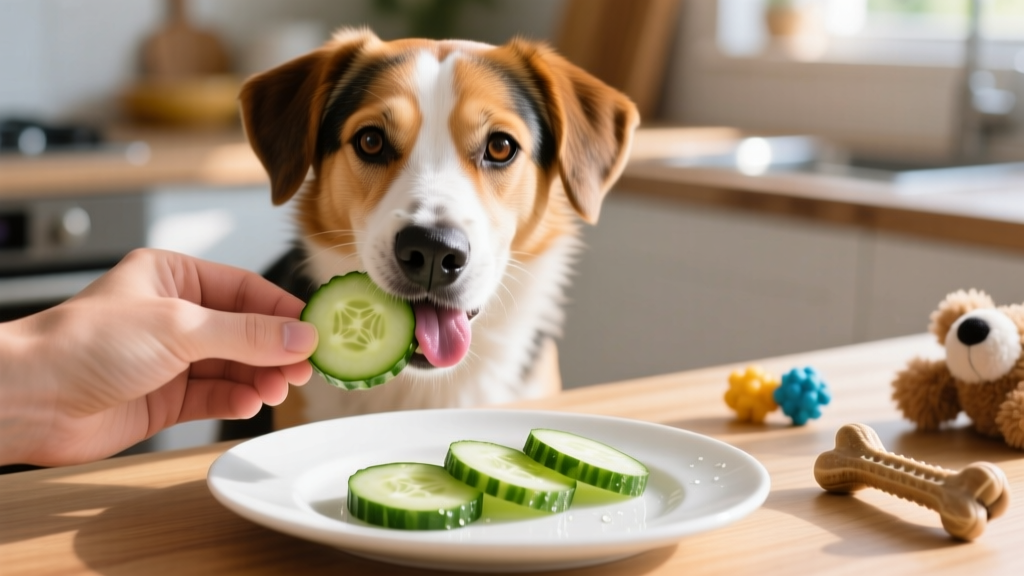
The Short Answer: Yes, Cucumbers Are Safe for Dogs
Plain, raw cucumber is non-toxic and low in calories, making it an excellent snack for most dogs. The flesh, skin, and seeds are all safe to eat. However, pickled cucumbers (pickles) are NOT safe due to high sodium, garlic, and onion content. Always serve cucumber plain, washed, and cut into bite-sized pieces appropriate for your dog's size.
If you've been wondering whether that crunchy green vegetable in your fridge is safe to share with your pup, you're in luck. Cucumbers are one of the safest human foods you can offer your dog. They contain no known toxic compounds for canines, and the ASPCA lists cucumbers as non-toxic to dogs, cats, and even horses.
That said, "safe" doesn't automatically mean "feed freely." Like any treat outside your dog's regular balanced diet, cucumber should follow the 10% rule — treats and snacks should never exceed 10% of your dog's daily caloric intake. The remaining 90% should come from a complete-and-balanced commercial diet or a veterinary-nutritionist-formulated homemade plan.
Nutritional Benefits of Cucumbers for Dogs
Cucumbers are roughly 95% water, which makes them a hydrating, low-calorie snack — especially useful for overweight dogs or dogs on calorie-restricted plans. Here's what you're actually giving your dog with each serving:
| Nutrient | Amount | Benefit for Dogs |
|---|---|---|
| Calories | 15 kcal | Ultra-low — ideal for weight management |
| Water | 95.2 g | Supports hydration, especially in summer |
| Fiber | 0.5 g | Mild digestive support |
| Vitamin K | 16.4 µg | Blood clotting and bone metabolism |
| Vitamin C | 2.8 mg | Antioxidant support (dogs synthesize their own, but dietary sources help) |
| Potassium | 147 mg | Muscle function and electrolyte balance |
| Magnesium | 13 mg | Nerve function and energy metabolism |
| Beta-carotene | Trace | Minor antioxidant contribution |
Is cucumber a nutritional powerhouse compared to foods like blueberries or sweet potato? No. Dogs synthesize their own vitamin C, so the small amount in cucumber is a bonus rather than a necessity. The real value of cucumber lies in what it doesn't have: virtually no fat, minimal sugar, and very few calories. For a 30 lb dog on a weight-loss plan, swapping high-calorie training treats for small cucumber pieces can save 20-40 calories per training session — a meaningful difference over weeks.
Safe Serving Sizes by Dog Weight
Portion control matters even with low-calorie foods. Overfeeding cucumber can cause gastrointestinal upset simply from the water and fiber volume. Use this table as a starting point, and always introduce any new food gradually.
| Dog Weight | Breed Examples | Max Daily Serving | Piece Size |
|---|---|---|---|
| Under 10 lb (under 4.5 kg) | Chihuahua, Pomeranian, Yorkshire Terrier | 2-3 thin slices (about 1 tablespoon diced) | ¼-inch rounds, halved |
| 10-25 lb (4.5-11 kg) | Beagle, French Bulldog, Corgi | 4-5 slices (about 2 tablespoons diced) | ¼-inch rounds |
| 25-50 lb (11-23 kg) | Border Collie, Cocker Spaniel, Australian Shepherd | 6-8 slices (about ¼ cup diced) | ½-inch rounds or chunks |
| 50-90 lb (23-41 kg) | Labrador, Golden Retriever, German Shepherd | 10-12 slices (about ⅓ cup diced) | ½-inch chunks or spears |
| Over 90 lb (over 41 kg) | Great Dane, Saint Bernard, Mastiff | Up to ½ cup sliced | Chunks or spears |
Calorie context: A full cup of sliced cucumber contains only about 16 calories. For comparison, a single medium Milk-Bone biscuit contains roughly 40 calories. You can give your dog significantly more cucumber volume for fewer calories — which is why many AKC-referenced nutrition guides recommend cucumber as a weight-management treat.
How to Prepare Cucumber for Your Dog
Step-by-Step Preparation
- Wash thoroughly. Rinse the cucumber under cool running water for 20-30 seconds. Even organic cucumbers may carry surface bacteria or residual wax coatings. If the cucumber has a visible wax coating (common on conventionally grown English cucumbers), consider peeling it.
- To peel or not to peel? The skin is safe and contains most of the fiber and vitamin K. However, if your dog has a sensitive stomach or has never had cucumber before, start with peeled pieces to reduce fiber load. Unpeeled is fine for most dogs once they're accustomed to it.
- Seeds are fine. Unlike apple seeds or cherry pits, cucumber seeds are small, soft, and non-toxic. No need to scoop them out.
- Cut to appropriate size. This is the most critical safety step. A whole cucumber or large chunk is a choking hazard, especially for small breeds and enthusiastic gulpers. Cut into rounds, half-moons, or small dice based on your dog's size (see serving table above).
- Serve plain. No salt, no pepper, no ranch dressing, no seasoning of any kind. Dogs don't need flavor enhancement, and many common seasonings (garlic powder, onion powder) are toxic to dogs.
Raw vs. cooked: Raw is ideal. Cooking cucumber softens it to an unappealing texture and degrades the vitamin C content. There's no safety benefit to cooking cucumber for dogs. If you want to offer a frozen treat on a hot day, freeze small cucumber chunks — many dogs love the crunch, and it doubles as a teething aid for puppies over 12 weeks old.
Risks, Side Effects, and When Cucumber Can Cause Problems
Cucumbers are among the lowest-risk human foods for dogs, but no food is entirely without potential issues. Here's what to watch for:
Choking Hazard (Primary Risk)
The most common cucumber-related veterinary visit isn't about toxicity — it's about choking or esophageal blockage. Dogs that gulp food without chewing (common in Labs, Retrievers, and Beagles) can lodge a large piece of cucumber in the esophagus. Always cut cucumber into size-appropriate pieces and supervise your dog when introducing it for the first time.
Gastrointestinal Upset
Too much cucumber too quickly can cause:
- Loose stools or diarrhea (from excess water and fiber)
- Gas and mild bloating
- Vomiting (rare, usually from overconsumption)
These symptoms typically resolve within 12-24 hours once the cucumber is discontinued. If vomiting or diarrhea persists beyond 24 hours, contact your veterinarian.
The Pickle Problem
This cannot be overstated: pickles are NOT cucumbers for the purpose of dog safety. Pickled cucumbers contain high sodium (a single dill pickle spear can contain 300-500 mg of sodium — excessive for a small dog), and many pickle recipes include garlic, onion, and spices that are toxic to dogs. If your dog eats a pickle, check the ingredient list and call your vet if it contains garlic or onion.
Allergic Reactions (Rare)
True cucumber allergy in dogs is extremely uncommon but not impossible. Signs of a food allergy include:
- Facial swelling, particularly around the muzzle and eyes
- Hives or raised welts
- Excessive itching or paw-licking
- Difficulty breathing (anaphylaxis — this is an emergency)
⚠ When to Call Your Vet After Feeding Cucumber
- Immediate emergency: Difficulty breathing, facial swelling, collapse, or signs of choking (pawing at mouth, gagging without producing anything, blue-tinged gums)
- Same-day call: Persistent vomiting or diarrhea lasting more than 24 hours, lethargy, refusal to eat regular meals
- Non-urgent call: Mild gas or a single episode of loose stool — monitor at home and reduce serving size next time
If you suspect your dog has ingested a toxic substance (like a pickle containing garlic/onion), contact the ASPCA Animal Poison Control Center at (888) 426-4435 (24/7, consultation fee applies).
Dogs Who Should Not Eat Cucumbers
While cucumber is safe for the vast majority of dogs, there are specific situations where you should skip it or consult your veterinarian first:
| Dog Category | Reason for Caution | Recommendation |
|---|---|---|
| Puppies under 12 weeks | Immature digestive systems; should only consume puppy-formulated food or mother's milk | Avoid — wait until weaning is fully complete and puppy is on solid food for at least 2-3 weeks |
| Dogs with kidney disease | Potassium content (147 mg per 100g) may be a concern for dogs on potassium-restricted renal diets | Consult your veterinarian before adding any new foods |
| Dogs with known food allergies | While rare, cross-reactivity with other Cucurbitaceae family foods (zucchini, melon) is possible | Introduce a tiny amount and monitor for 48 hours |
| Dogs on prescription diets | Prescription therapeutic diets (e.g., Hill's i/d, Royal Canin GI) are formulated with precise nutrient profiles; extras can disrupt the balance | Ask your vet if cucumber fits within the diet plan |
| Senior dogs with dental disease | Hard, crunchy textures may cause pain or tooth fracture in dogs with compromised teeth | Offer finely diced or grated cucumber instead of rounds |
Related Foods: What's Safe and What Isn't
Understanding the broader food family helps you make safe choices beyond just cucumber:
| Food | Safe for Dogs? | Notes |
|---|---|---|
| Raw cucumber | ✔ Yes | Safe plain, cut to size |
| Pickles (dill, bread & butter, etc.) | ✘ No | High sodium, often contain garlic/onion |
| Zucchini (same plant family) | ✔ Yes | Safe raw or steamed, plain |
| Yellow squash | ✔ Yes | Safe cooked or raw, remove seeds for small dogs |
| Watermelon (same family) | ✔ Yes, with caution | Remove rind and seeds; higher sugar content |
| Cantaloupe / Honeydew | ✔ Yes, with caution | Remove rind and seeds; high sugar — limit portions |
| Onion / Garlic (common pickle ingredients) | ✘ No — Toxic | Causes hemolytic anemia; all forms toxic (raw, cooked, powdered) |
How to Introduce Cucumber Safely
If your dog has never had cucumber before, follow this introduction protocol to minimize digestive upset:
48-Hour Introduction Plan
- Day 1, morning: Offer a single piece roughly the size of your pinky fingernail. Watch your dog eat it — make sure they chew rather than gulp.
- Day 1, observe: Monitor for the next 12 hours. Check stool consistency. Watch for signs of allergy (scratching, face rubbing, ear redness).
- Day 2: If no adverse reactions, offer 2-3 small pieces as a treat with a regular meal.
- Day 3 onward: If stool is normal and no allergy signs, you can offer the full serving size from the weight table above, up to once daily.
Training tip: Cucumber works well as a low-value training treat for dogs that are food-motivated but need to watch their weight. Dice it into pea-sized pieces and use it for repetitive training drills where you need high treat volume. For high-distraction environments, you'll likely still need a higher-value treat (like freeze-dried liver or small pieces of boiled chicken), but cucumber is excellent for low-distraction practice sessions at home.
Frequently Asked Questions
Can dogs eat cucumber skin?
Yes. Cucumber skin is safe and actually contains the highest concentration of fiber and vitamin K. Wash the cucumber thoroughly to remove any wax coating or pesticide residue. If your dog has never had cucumber before, you may want to start with peeled pieces and introduce the skin gradually to avoid digestive upset from the sudden fiber increase.
Can dogs eat cucumber seeds?
Yes. Unlike apple seeds (which contain amygdalin, a cyanide precursor) or cherry pits (choking and obstruction risk), cucumber seeds are small, soft, and completely non-toxic. There's no need to deseed a cucumber before sharing it with your dog.
What happens if my dog eats too much cucumber?
The most likely outcome is mild gastrointestinal upset — loose stool, increased gas, or possibly a single episode of vomiting. Because cucumber is 95% water, eating a very large amount can also temporarily increase urination. These symptoms are self-limiting and typically resolve within 12-24 hours. Withhold cucumber, offer plenty of fresh water, and feed a bland diet (boiled chicken and white rice) for one meal if diarrhea occurs. If symptoms persist beyond 24 hours or your dog appears lethargic, contact your veterinarian.
Is cucumber good for overweight dogs?
Cucumber is one of the best treat substitutions for overweight dogs. At only 15 calories per 100 grams, it provides volume and crunch with minimal caloric impact. Replacing even 2-3 standard commercial treats per day with cucumber pieces can reduce treat-related calorie intake by 60-80 calories daily — which adds up to roughly 1.5-2 lb of weight loss per month when combined with appropriate exercise. Always consult your veterinarian before starting a weight-loss plan, as they can calculate your dog's ideal caloric intake based on body condition score (BCS).
Can puppies eat cucumber?
Puppies over 12 weeks of age who are fully transitioned to solid puppy food can have small amounts of cucumber as an occasional treat. Cut pieces very small (pea-sized for toy breeds, dime-sized for larger breeds) to prevent choking. Puppies under 12 weeks should not receive any treats outside their formulated puppy diet, as their digestive systems are still developing and their nutritional needs are very precise during rapid growth phases.
Are English cucumbers safer than regular cucumbers?
Both English (seedless, thin-skinned) and standard slicing cucumbers are equally safe for dogs. English cucumbers may be slightly easier to digest due to thinner skin and fewer seeds, but the difference is marginal. Choose whichever is fresh and available. The key safety factor is always preparation — wash, cut to size, and serve plain — not the cucumber variety.
Disclaimer: This article is for informational purposes only and does not replace professional veterinary advice. Always consult your veterinarian before making significant changes to your dog's diet, especially if your dog has existing health conditions, is on a prescription diet, or is a puppy under 6 months of age. Every dog is an individual, and what works for one may not work for another.
Beth Carrasco
All our authors care for dogs every day — read more of their work on the authors page.


