Are Carrots Safe for Dogs? A Complete Feeding & Nutrition Guide
Are carrots safe for dogs? Yes. Learn exact serving sizes by weight, raw vs cooked prep tips, nutritional benefits, choking risks.
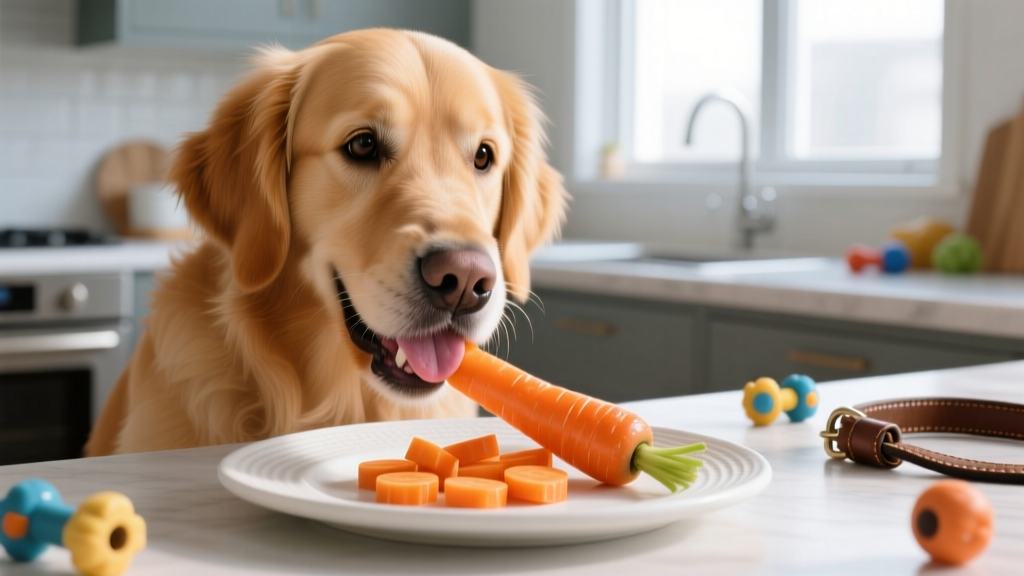
Crunchy, sweet, and cheap, carrots are one of the most popular vegetables dog owners reach for when they want a low-calorie treat. But before you toss a whole carrot to your pup, you need the specifics: how much is safe, how to prepare it, and which dogs should skip them entirely.
Both raw and cooked carrots are non-toxic and nutritionally beneficial for dogs when prepared correctly and fed in appropriate portions. The primary risks are choking (especially with whole raw carrots in small dogs) and gastrointestinal upset if introduced too quickly or fed in excessive amounts. Always wash, cut to an appropriate size, and introduce gradually.
This guide breaks down exactly how to feed carrots to your dog based on weight, life stage, and health status — with portion sizes, preparation steps, and red flags to watch for.
Nutritional Benefits of Carrots for Dogs
Carrots are genuinely nutrient-dense for dogs, not just filler. According to the American Kennel Club, carrots provide a meaningful micronutrient boost alongside their role as a satisfying low-calorie chew.
| Nutrient | Amount per 100g Raw Carrot | Benefit for Dogs |
|---|---|---|
| Calories | 41 kcal | Low-energy treat ideal for weight management |
| Dietary Fiber | 2.8 g | Supports healthy digestion and stool bulk |
| Beta-Carotene (Vitamin A precursor) | 8,285 µg | Converts to vitamin A; supports vision, immune function, and skin health |
| Vitamin K1 | 13.2 µg | Essential for blood clotting |
| Potassium | 320 mg | Supports nerve function and muscle contraction |
| Vitamin B6 | 0.14 mg | Aids in amino acid metabolism and neurotransmitter synthesis |
| Sugar (natural) | 4.7 g | Moderate — relevant for diabetic dogs |
Key insight: Dogs convert beta-carotene to vitamin A less efficiently than humans do. While carrots contribute to vitamin A status, they should not be relied upon as a primary source. A complete and balanced commercial diet already provides adequate vitamin A for most dogs. Carrots are best viewed as a supplemental treat, not a nutritional cornerstone.
The fiber in carrots is primarily soluble fiber, which can help firm up loose stools in some dogs. However, too much fiber too quickly causes the opposite effect — gas, bloating, and diarrhea. This is why gradual introduction matters.
How Much Carrot Can I Give My Dog? Serving Sizes by Weight
The most common mistake owners make is eyeballing portions. A whole carrot that's a light snack for a Labrador could be a caloric overload and choking risk for a Chihuahua. Treats of any kind — including vegetables — should not exceed 10% of your dog's daily caloric intake, per the Merck Veterinary Manual.
For reference, one medium raw carrot (about 61g) contains roughly 25 calories. Here's how that translates to daily serving sizes:
| Dog Weight Class | Weight Range | Daily Carrot Serving | Pieces (Raw Baby Carrots) |
|---|---|---|---|
| Extra Small | Under 10 lb / 4.5 kg | 1–2 tablespoons grated or finely chopped (~10–15g) | 1 baby carrot, cut into quarters |
| Small | 10–25 lb / 4.5–11 kg | 2–3 tablespoons chopped (~20–30g) | 2–3 baby carrots, cut into halves |
| Medium | 25–50 lb / 11–23 kg | ¼ to ⅓ cup chopped (~35–50g) | 4–5 baby carrots, whole or halved |
| Large | 50–90 lb / 23–41 kg | ⅓ to ½ cup chopped (~50–75g) | 6–8 baby carrots, whole |
| Giant | Over 90 lb / 41 kg | ½ to ¾ cup chopped (~75–100g) | 8–10 baby carrots, whole or one full-size carrot |
Important: These are maximum daily amounts, not targets. If your dog is also getting other treats, training rewards, or table scraps, reduce the carrot portion accordingly. Overfeeding any single food displaces calories from their balanced diet.
How to Prepare Carrots for Your Dog
Preparation directly affects safety and digestibility. Here's a step-by-step breakdown:
- Wash thoroughly. Even organic carrots carry soil residue and potential pesticide traces. Scrub under running water with a vegetable brush for 15–20 seconds.
- Peel if desired (optional). The skin is safe and contains concentrated nutrients, but peeling removes any residual wax or dirt. For non-organic carrots, peeling is a reasonable precaution.
- Cut to an appropriate size. This is the critical safety step:
- Extra-small and small dogs: Grate, finely chop, or slice into thin coins no thicker than ¼ inch.
- Medium dogs: Chop into ½-inch pieces or slice into coins.
- Large and giant dogs: Can handle larger chunks or whole baby carrots, but avoid full-size raw carrots, which can be a choking hazard if gulped.
- Cook for easier digestion (recommended for some dogs). Steaming carrots for 5–7 minutes softens the cell walls, making beta-carotene more bioavailable and fiber easier to digest. Boiling works too but leaches water-soluble vitamins into the cooking water. Avoid microwaving without a covered container, as uneven heating can create hot spots.
- Cool completely. Serve at room temperature or chilled. Never serve hot carrots, which can burn your dog's mouth and esophagus.
- No seasoning. Do not add butter, salt, garlic, onion powder, or any oils. Plain is the only safe preparation for dogs.
Raw vs. cooked — which is better? Raw carrots provide more dental-scraping action and a satisfying crunch that many dogs enjoy. Cooked carrots are more digestible and release more beta-carotene. Neither is categorically superior; it depends on your dog's preference, dental health, and digestive sensitivity. For dogs with sensitive stomachs or a history of GI issues, cooked is the safer starting point.
Risks and Side Effects: What Happens If My Dog Eats Too Much Carrot?
Carrots are low-risk compared to many human foods, but they're not consequence-free. Here's what to watch for:
Choking and Intestinal Blockage
This is the most serious acute risk. Whole raw carrots — especially the thick, full-size variety — can lodge in the esophagus or cause an intestinal obstruction, particularly in small dogs and dogs that gulp food without chewing. Signs of choking include pawing at the mouth, gagging, retching, and distress. An intestinal blockage presents as vomiting, loss of appetite, abdominal pain, and failure to pass stool. Both are emergencies requiring immediate veterinary attention.
Gastrointestinal Upset
A sudden increase in fiber can cause:
- Flatulence (gas)
- Loose stools or diarrhea
- Mild abdominal bloating
- Vomiting (rare, usually only with large quantities)
These symptoms typically resolve within 24–48 hours once the excess fiber passes through the system. Withhold carrots and feed a bland diet (boiled chicken and white rice) until stools normalize.
Orange-Tinted Stool or Skin
Excessive beta-carotene intake over weeks or months can cause carotenemia — a harmless yellowing or orange tint to the skin (most visible on the belly and paw pads) or stool. This is not dangerous and reverses once you reduce carrot intake. However, if you notice yellowing of the whites of the eyes or gums, that suggests jaundice (a liver issue), not carotenemia, and requires an immediate vet visit.
Sugar Content Concerns
At 4.7g of natural sugar per 100g, carrots are moderate in sugar for a vegetable. For most dogs this is irrelevant. But for dogs with diabetes mellitus or those on a prescribed weight-loss plan, the sugar content should be factored into their daily carbohydrate allowance. Consult your veterinarian before adding carrots to a diabetic dog's diet.
Dogs Who Should Not Eat Carrots (or Need Veterinary Approval First)
While carrots are broadly safe, certain dogs should avoid them or only eat them under veterinary guidance:
- Diabetic dogs: The natural sugars in carrots can affect blood glucose levels. Your vet may approve small portions or recommend lower-sugar vegetable alternatives like green beans or cucumber.
- Dogs with kidney disease: Carrots contain moderate potassium (320 mg per 100g). Dogs on a potassium-restricted renal diet may need to limit carrot intake.
- Dogs with a history of urinary calcium oxalate stones: Carrots contain oxalates, though in lower amounts than spinach or beet greens. If your dog is prone to oxalate uroliths, ask your vet whether carrots fit within their dietary management plan.
- Puppies under 12 weeks: Very young puppies have immature digestive systems and specific nutritional requirements for growth. Stick to their prescribed puppy food and treats formulated for puppies. Introduce vegetables like carrots only after weaning is complete and your vet gives the go-ahead, typically around 12–16 weeks.
- Dogs with known food allergies or sensitivities: Carrot allergy in dogs is rare but documented. If your dog has a history of adverse food reactions, introduce carrots as a single-ingredient trial (see below).
- Dogs with dental disease or missing teeth: Raw carrots require significant chewing force. Dogs with periodontal disease, fractured teeth, or advanced tooth loss may not be able to safely chew raw carrots. Offer steamed and mashed carrots instead.
How to Introduce Carrots Safely: The 48-Hour Protocol
If your dog has never eaten carrots before, follow this introduction protocol to minimize digestive upset and identify any adverse reactions:
- Day 1, Meal 1: Offer a single small piece (about the size of your pinky nail for small dogs, a thumbnail for large dogs). Observe for 2 hours for any signs of oral irritation, pawing at the face, vomiting, or hives.
- Day 1, Meal 2: If no reaction, offer 2–3 small pieces mixed into their regular food.
- Day 2: Increase to half the recommended serving size for your dog's weight class. Monitor stool consistency.
- Day 3: If stools are normal and no GI signs appear, you can feed the full recommended serving size.
Stop immediately and contact your vet if you observe: facial swelling, hives, persistent vomiting, bloody diarrhea, or lethargy. These suggest an allergic reaction or intolerance that requires professional evaluation.
Similar Foods: What About Other Orange Vegetables and Carrot-Adjacent Foods?
If you're exploring vegetables beyond carrots, here's a quick safety cross-reference:
| Food | Safe for Dogs? | Notes |
|---|---|---|
| Sweet Potatoes | Yes (cooked only) | Must be cooked; raw sweet potato is a choking hazard and difficult to digest. Higher in calories and sugar than carrots. |
| Pumpkin (plain, cooked) | Yes | Excellent for digestive regulation. Use plain canned pumpkin (not pie filling, which contains xylitol and spices). |
| Butternut Squash | Yes (cooked) | Remove seeds and rind. Similar nutritional profile to carrots. |
| Onions and Garlic | NO — TOXIC | All allium species are toxic to dogs. Cause oxidative damage to red blood cells (hemolytic anemia). Never feed in any form. |
| Raisins and Grapes | NO — TOXIC | Can cause acute kidney failure. If ingested, call ASPCA Animal Poison Control at (888) 426-4435 immediately. |
| Green Beans (plain) | Yes | Lower in sugar than carrots. Good alternative for diabetic dogs. Serve plain, not canned with added salt. |
Contact your veterinarian or an emergency clinic immediately if your dog shows any of these signs after eating carrots:
- Choking, gagging, or inability to swallow
- Repeated vomiting (more than twice in 12 hours)
- Bloody or black, tarry stools
- Abdominal distension or obvious pain (whining, restlessness, praying position)
- Facial swelling, hives, or difficulty breathing (signs of anaphylaxis)
- No stool passage for 24+ hours with signs of straining
For suspected toxic ingestion of any food, call ASPCA Animal Poison Control: (888) 426-4435 (24/7, consultation fee applies) or Pet Poison Helpline: (855) 764-7661.
Always consult your veterinarian before making significant changes to your dog's diet, especially if they have pre-existing health conditions.
Frequently Asked Questions About Feeding Carrots to Dogs
Can puppies eat carrots?
Puppies over 12–16 weeks of age can eat small amounts of cooked, finely chopped carrots once they're fully weaned and eating solid food consistently. Start with a teaspoon-sized portion and monitor for digestive tolerance. Avoid raw carrots for puppies under 6 months, as their teeth and jaw strength are still developing, and the choking risk is higher. Carrots should never replace a nutritionally complete puppy food, which has specific calcium-to-phosphorus ratios and calorie densities required for proper skeletal growth.
Can dogs eat carrot tops (the green leafy part)?
Carrot tops are not toxic to dogs, but they have a bitter taste and tough, fibrous texture that most dogs won't enjoy. They can also carry more soil and pesticide residue than the root. If your dog happens to nibble a carrot top, there's no cause for alarm, but there's no nutritional reason to offer them intentionally.
Are baby carrots safe for dogs?
Yes, baby carrots are safe and are actually one of the most convenient forms to feed. They're pre-washed, uniform in size, and easy to portion. However, they are still a choking risk for very small dogs if offered whole — always cut baby carrots into appropriate sizes based on the serving table above. Note that "baby carrots" sold in stores are typically regular carrots that have been machine-cut and polished, not a distinct variety.
Can I use carrots as training treats?
Absolutely. Carrots are an excellent low-calorie training reward, especially for dogs on weight management plans. One baby carrot has about 4 calories, compared to 15–30 calories in many commercial training treats. Cut them into pea-sized pieces for rapid reinforcement during training sessions. For high-value motivation, pair carrot pieces with a higher-value reward (like small pieces of boiled chicken) and use the carrot for known behaviors while reserving the chicken for new or difficult cues.
Will carrots clean my dog's teeth?
Raw carrots provide some mechanical scraping action against plaque, but they are not a substitute for toothbrushing or professional dental cleanings. The AVMA recommends daily toothbrushing as the gold standard for canine dental care. Think of raw carrots as a minor supplemental benefit, not a dental hygiene strategy.
Can dogs eat canned carrots?
Canned carrots are safe only if they contain no added sodium, sugar, or preservatives — check the label carefully. Most canned vegetables are packed with significant added salt (often 300–500 mg sodium per serving), which is inappropriate for dogs. If you use canned carrots, choose "no salt added" varieties and rinse them thoroughly before serving. Fresh or frozen carrots are generally a better and more economical choice.
My dog ate a whole raw carrot — should I be worried?
For a large dog (50+ lb / 23+ kg), a single whole raw carrot is unlikely to cause problems beyond possibly some gas or a loose stool. For a small dog (under 15 lb / 7 kg), monitor closely for the next 24–48 hours for signs of intestinal blockage: vomiting, loss of appetite, abdominal pain, or failure to defecate. If any of these signs appear, contact your veterinarian immediately. When in doubt, a phone consultation with your vet clinic is always appropriate.
Anouk Beaumont
All our authors care for dogs every day — read more of their work on the authors page.


