Are Carrots OK for Dogs? A Complete Safety & Feeding Guide
Are carrots ok for dogs? Yes, but preparation and portion size matter.
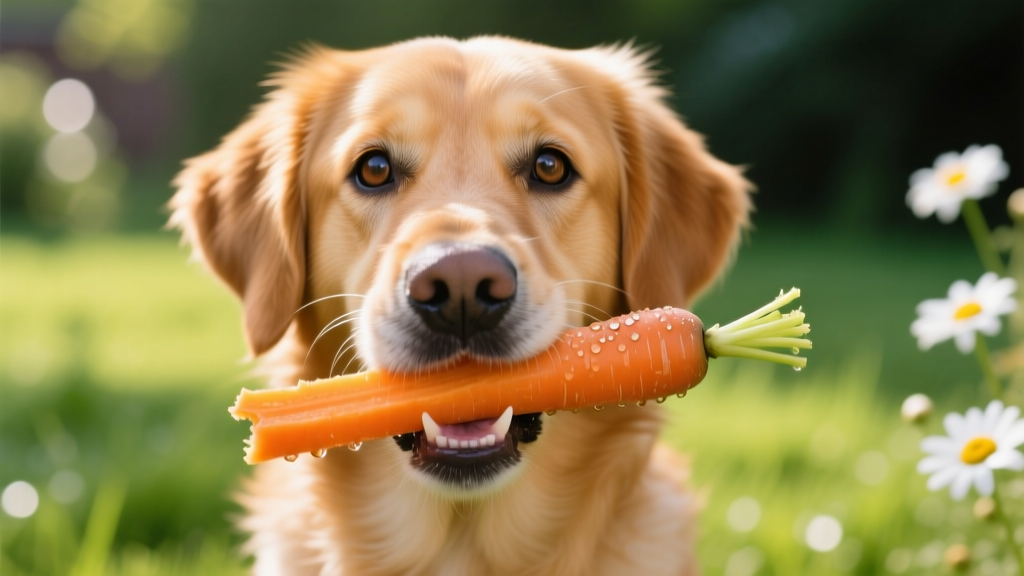
Carrots are a low-calorie, nutrient-dense snack that the vast majority of dogs can eat safely. They provide beta-carotene, fiber, and vitamins A and K with minimal fat. However, portion control, proper preparation (cut to prevent choking), and gradual introduction are essential. Raw, cooked, and even frozen carrots are all acceptable — but skip the seasoning, butter, and dips. Always consult your veterinarian before adding new foods to your dog's regular diet, especially if your dog has diabetes, kidney disease, or a history of digestive sensitivities.
Can Dogs Eat Carrots? What You Need to Know
Carrots (Daucus carota) are one of the most widely recommended vegetable treats in veterinary nutrition circles. According to the American Kennel Club, carrots rank among the top safe vegetables for dogs, offering a crunchy, satisfying snack without the caloric load of most commercial treats.
A medium raw carrot (approximately 61 grams) contains roughly 25 calories, 0.1g fat, 6g carbohydrates, 1.7g fiber, and 2.9g sugar (naturally occurring). For a 30-pound dog requiring around 700–900 calories per day, a few carrot pieces represent a negligible caloric addition while providing meaningful micronutrients.
Both raw and cooked carrots are safe. Cooking actually increases the bioavailability of beta-carotene — the precursor to vitamin A — by breaking down cell walls, making it easier for your dog's digestive system to absorb. That said, raw carrots offer superior dental benefits due to their abrasive texture, which can help reduce plaque buildup along the gumline.
Safe Serving Sizes by Dog Weight
The general rule for any treat, including carrots, is that treats should not exceed 10% of your dog's daily caloric intake. Here are specific carrot serving guidelines based on weight class:
| Dog Weight | Daily Carrot Limit | Approximate Calories | Best Cut Style |
|---|---|---|---|
| Toy breeds (5–12 lb / 2–5 kg) | 1–2 baby carrots or 1 tablespoon finely chopped | 4–8 cal | Finely diced, grated, or mashed |
| Small breeds (13–25 lb / 6–11 kg) | 2–3 baby carrots or 2 tablespoons chopped | 8–12 cal | Small rounds (½-inch pieces) |
| Medium breeds (26–50 lb / 12–23 kg) | 1 small whole carrot or 3–4 baby carrots | 15–25 cal | ½-inch rounds or sticks |
| Large breeds (51–90 lb / 23–41 kg) | 1–2 medium carrots or 5–6 baby carrots | 25–50 cal | Sticks, rounds, or whole baby carrots |
| Giant breeds (90+ lb / 41+ kg) | 2–3 medium carrots | 50–75 cal | Whole baby carrots or large sticks |
Key reminder: These are maximum daily limits. If your dog is also receiving other treats, training rewards, or table scraps that day, reduce the carrot portion accordingly to stay within the 10% treat calorie ceiling.
Nutritional Benefits of Carrots for Dogs
Carrots deliver a meaningful micronutrient profile that complements a balanced commercial or veterinary-formulated diet. Here is what one medium raw carrot (61g) provides, based on USDA FoodData Central values:
| Nutrient | Amount per Medium Carrot (61g) | Benefit for Dogs |
|---|---|---|
| Beta-carotene (Vitamin A precursor) | 5,050 mcg | Supports vision, immune function, and skin/coat health |
| Vitamin K1 | 8.1 mcg | Essential for blood clotting and bone metabolism |
| Potassium | 195 mg | Supports nerve function, muscle contraction, and fluid balance |
| Dietary fiber | 1.7 g | Promotes healthy digestion and regular bowel movements |
| Vitamin B6 | 0.08 mg | Supports glucose generation, nervous system, and hormone regulation |
| Biotin (Vitamin B7) | Trace | Contributes to coat quality and skin health |
Practical insight: Unlike humans, dogs convert beta-carotene to vitamin A less efficiently. Cooking carrots (steaming or boiling without seasoning) increases beta-carotene absorption by up to 40% compared to raw, according to research published in the Journal of Agricultural and Food Chemistry. If your primary goal is nutritional supplementation, serve cooked. If you want a dental-cleaning chew, serve raw.
How to Prepare Carrots for Your Dog
Step-by-Step Carrot Preparation
- Wash thoroughly. Even organic carrots may carry soil bacteria. Rinse under cool running water for 20–30 seconds, scrubbing with a clean produce brush.
- Peel (optional but recommended). The skin can harbor pesticide residue on conventionally grown carrots. Peeling removes this risk and makes the carrot easier to digest for sensitive stomachs.
- Cut to appropriate size. This is the most critical safety step. Whole carrots pose a serious choking hazard, especially for small breeds and enthusiastic eaters who gulp food without chewing. Cut into pieces appropriate for your dog's size (see the table above).
- Choose raw or cooked:
- Raw: Serve immediately after cutting for maximum crunch and dental benefit.
- Steamed: Steam for 5–7 minutes until just tender (not mushy). Allow to cool to room temperature before serving.
- Boiled: Boil for 4–6 minutes. Drain and cool. Note: boiling leaches some water-soluble nutrients into the water.
- Frozen: Freeze baby carrots or carrot sticks for a teething puppy soothe or a summer cooling treat. Supervise your dog while eating frozen carrots to prevent tooth fractures in aggressive chewers.
- Skip all additives. No butter, salt, honey, ranch dip, garlic, onion powder, or seasoning of any kind. Plain is the only safe option.
What Happens If My Dog Eats Too Many Carrots?
Carrots are low-risk compared to many human foods, but overfeeding can cause several issues:
Digestive Upset
A sudden increase in fiber can cause gas, bloating, loose stools, or diarrhea. This is particularly common when carrots are introduced abruptly or fed in quantities exceeding the serving guidelines above. If your dog develops soft stools after eating carrots, reduce the portion by half and ensure you're introducing gradually over 5–7 days.
Vitamin A Accumulation
While beta-carotene toxicity is extremely rare in dogs (unlike preformed vitamin A from liver or supplements), feeding very large quantities of carrots daily over months could theoretically contribute to excess vitamin A. Signs of chronic vitamin A excess include bone deformities, lethargy, and weight loss. Sticking to the serving sizes above prevents this entirely.
Choking and Intestinal Blockage
The most immediate danger of overfeeding carrots — particularly whole or large pieces — is choking or gastrointestinal obstruction. Small breeds (Chihuahuas, Yorkshire Terriers, Pomeranians) and brachycephalic breeds (Pugs, French Bulldogs, Boston Terriers) are at elevated risk due to their smaller esophageal diameter and tendency to gulp food. Always cut carrots to the recommended size and supervise your dog during treat time.
Sugar Content Consideration
Carrots contain approximately 2.9g of naturally occurring sugar per medium carrot. While this is modest, dogs with diabetes mellitus or insulin resistance should have carrot intake monitored closely. Consult your veterinarian about whether carrots fit within your diabetic dog's managed diet plan.
Dogs Who Should Not Eat Carrots (or Need Vet Approval First)
While carrots are broadly safe, certain dogs should avoid them or only eat them under veterinary supervision:
- Diabetic dogs: The natural sugars in carrots can affect blood glucose levels. Your vet may approve small amounts or recommend lower-sugar vegetable alternatives like green beans or cucumber.
- Dogs with kidney disease: Carrots contain potassium (195 mg per medium carrot). Dogs in late-stage chronic kidney disease (CKD) often require potassium-restricted diets, and carrots may need to be limited or replaced.
- Dogs with a history of intestinal blockage: If your dog has had previous GI obstructions or has a condition like megaesophagus, raw carrots may pose an unacceptable risk. Cooked, mashed carrots may be a safer alternative — ask your vet.
- Puppies under 12 weeks: Very young puppies have developing digestive systems and smaller airways. If introducing carrots to a puppy, wait until at least 12 weeks of age, serve only finely grated or mashed cooked carrot, and limit to ½ teaspoon for small breeds.
- Dogs with known carrot or Apiaceae family allergies: Though rare, some dogs may be allergic to carrots, celery, or parsley (all in the same plant family). If your dog has reacted to any of these, avoid carrots.
How to Introduce Carrots Safely
Follow this protocol when offering carrots to your dog for the first time:
- Day 1: Offer a single small piece (approximately the size of your pinky nail for small dogs, a thumbnail for large dogs). Observe your dog for 15–20 minutes for any signs of allergic reaction: facial swelling, hives, excessive scratching, vomiting, or difficulty breathing.
- Day 2–3: If no reaction occurred, offer the same small amount again. Monitor stool consistency over the next 24 hours.
- Day 4–7: Gradually increase to the full recommended serving size for your dog's weight class, spread across the day rather than given all at once.
- Ongoing: Once your dog tolerates carrots well, you can offer them daily or several times per week as part of a varied treat rotation.
If at any point your dog develops vomiting, diarrhea lasting more than 24 hours, or signs of abdominal pain (hunched posture, restlessness, whining), stop feeding carrots and contact your veterinarian.
Foods Related to Carrots: What's Safe and What Isn't
| Food | Safe for Dogs? | Notes |
|---|---|---|
| Carrot tops (greens) | ✅ Yes, in small amounts | Non-toxic but can cause mild stomach upset in large quantities. Chop finely and sprinkle as garnish. |
| Canned carrots | ⚠️ Caution | Often contain added sodium (300–500 mg per serving). If using canned, choose "no salt added" varieties and rinse thoroughly. |
| Pickled carrots | ❌ No | High sodium, vinegar, and often contain garlic, onion, or spices that are toxic to dogs. |
| Baby food (carrot variety) | ⚠️ Check label | Safe ONLY if the ingredient list is 100% carrot and water. Many baby foods contain onion powder or added salt. |
| Celery (same family) | ✅ Yes | Safe, low calorie. Cut into small pieces to prevent stringy choking hazard. |
| Parsnips (same family) | ✅ Yes | Safe when prepared like carrots. Peel and cut to appropriate size. |
| Onions (related but toxic) | ❌ Toxic | All parts of the onion cause hemolytic anemia in dogs. Never feed, even in small amounts. |
When to Call the Vet
🚨 Contact Your Veterinarian Immediately If Your Dog:
- Shows signs of choking (pawing at mouth, gagging, blue-tinged gums, inability to breathe) after eating a carrot piece
- Vomits repeatedly (more than twice in 24 hours) after eating carrots
- Has diarrhea lasting more than 48 hours
- Appears lethargic, refuses food, or shows a hunched/painful abdomen after carrot consumption
- Has not had a bowel movement in 48+ hours after eating a large amount of carrot (possible blockage)
- Shows any signs of allergic reaction: facial swelling, hives, difficulty breathing, or collapse
ASPCA Animal Poison Control Hotline: (888) 426-4435 — available 24/7 (consultation fee applies). While carrots are not a poison concern, this hotline can assist if your dog ingested carrots prepared with toxic ingredients (garlic, onion, xylitol-containing dips).
Frequently Asked Questions
Can dogs eat carrot cake?
No. Carrot cake contains sugar, flour, butter, and often raisins (toxic to dogs), nutmeg (toxic in quantity), and cream cheese frosting. The small amount of grated carrot in cake does not offset these risks. Stick to plain, unseasoned carrots instead.
Are carrots good for dogs' teeth?
Raw carrots provide mild mechanical abrasion against tooth surfaces, which can help dislodge some plaque. However, they are not a substitute for veterinary dental cleanings or daily tooth brushing. Think of raw carrots as a minor supplemental benefit, not a dental care replacement. The AVMA recommends regular professional dental evaluations for all dogs.
Can puppies eat carrots?
Puppies over 12 weeks of age can eat small amounts of finely chopped or grated cooked carrot. Avoid giving whole baby carrots or large pieces to puppies due to choking risk. For teething puppies (3–6 months), a frozen carrot stick can provide soothing relief, but always supervise to prevent tooth fractures or choking on broken pieces.
How many carrots can a dog eat per day?
Refer to the serving size table above. As a quick reference: small dogs (under 25 lb) should have no more than 2–3 baby carrots daily; medium dogs (26–50 lb) can have up to one small whole carrot; large dogs (50+ lb) can safely eat 1–2 medium carrots per day. Always factor in other treats your dog receives that day.
Can dogs eat carrots every day?
Yes, daily carrots are safe for most healthy adult dogs when fed within the recommended serving sizes. Variety is beneficial, so consider rotating carrots with other safe vegetables like green beans, cucumber slices, or sweet potato (cooked, plain) throughout the week.
Do carrots cause gas in dogs?
They can. The fiber content in carrots — particularly when introduced suddenly or fed in excess — can cause flatulence. If your dog is prone to gas, start with very small portions (half the recommended serving) and increase gradually over 7–10 days. Cooking carrots can also reduce gas by partially breaking down the fiber before ingestion.
Is carrot juice safe for dogs?
Small amounts of fresh, unsweetened carrot juice (1–2 teaspoons for small dogs, 1 tablespoon for large dogs) are not toxic, but juice removes the beneficial fiber and concentrates the natural sugars. Whole carrots are a nutritionally superior choice. Avoid store-bought carrot juices, which often contain added sugars, sodium, or citrus blends.
This article is for informational purposes only and does not replace professional veterinary advice. Always consult your veterinarian before making significant changes to your dog's diet, especially if your dog has pre-existing health conditions, is on medication, or has a history of food sensitivities. According to the Merck Veterinary Manual, any supplemental foods should complement — not replace — a complete and balanced diet formulated to meet AAFCO standards.
Tom Renshaw
All our authors care for dogs every day — read more of their work on the authors page.