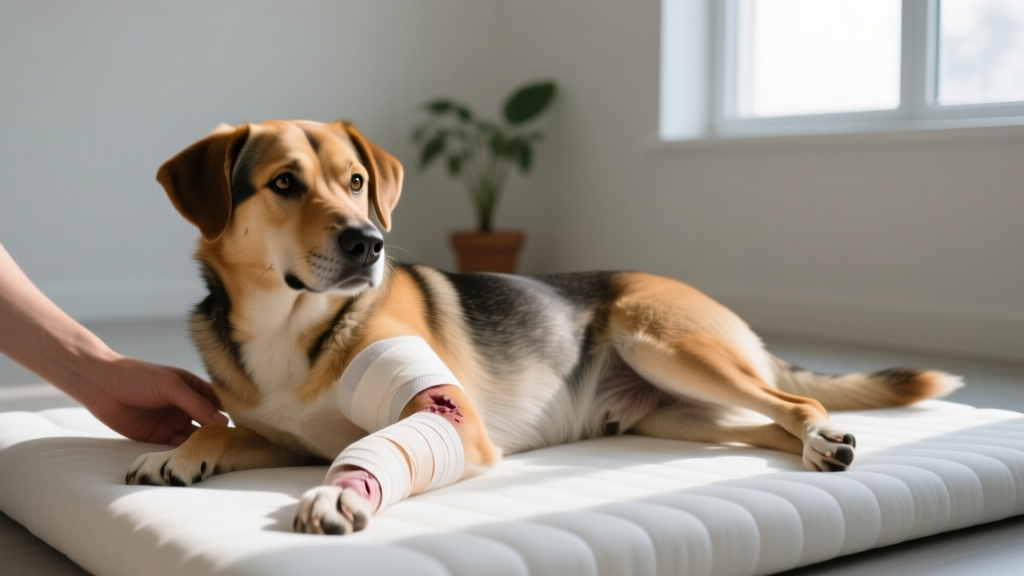
Antibiotics for Kennel Cough in Dogs
Learn when antibiotics for kennel cough in dogs are necessary, which medications vets prescribe, treatment costs, recovery timelines, and home care tips.

If your dog is hacking like something is stuck in their throat, you're probably wondering whether you need antibiotics for kennel cough. The short answer: most cases of kennel cough resolve without antibiotics, but certain situations demand them. Here's everything you need to know about when antibiotics are warranted, which drugs your vet may prescribe, and how to support your dog through recovery.
What Is Kennel Cough in Dogs?
Kennel cough — formally called canine infectious respiratory disease complex (CIRDC) — is a highly contagious upper respiratory infection caused by a combination of bacterial and viral agents. The most commonly implicated bacteria is Bordetella bronchiseptica, but the illness often involves multiple pathogens simultaneously, including canine parainfluenza virus, canine adenovirus type 2, canine respiratory coronavirus, and sometimes Mycoplasma cynos.
According to the Merck Veterinary Manual, kennel cough spreads rapidly in environments where dogs congregate — boarding facilities, dog parks, grooming salons, and shelters. The incubation period ranges from 2 to 14 days after exposure, and infected dogs can shed the bacteria for weeks to months after symptoms resolve.
The infection is extremely common. Veterinary teaching hospitals across the US report thousands of CIRDC cases annually, and most general practice veterinarians see multiple cases every month, particularly in fall and winter when dogs spend more time indoors together.
Symptoms of Kennel Cough: Early Warning Signs vs. Advanced Stages
Recognizing the progression of symptoms helps you decide whether home monitoring is appropriate or whether your dog needs veterinary attention. The following checklist organizes symptoms by severity.
| Severity | Symptoms | Typical Onset |
|---|---|---|
| Mild (Early) |
|
Days 1–5 |
| Moderate |
|
Days 3–10 |
| Severe (Advanced) |
|
Days 5–14 (indicates possible pneumonia) |
A single, occasional cough in an otherwise bright, eating, playing dog is usually the mild form. The moment you see fever, lethargy, or breathing difficulty, the situation has escalated beyond home observation.
Risk Factors: Which Dogs Are Most Vulnerable?
High-Risk Categories for Complicated Kennel Cough
- Age: Puppies under 6 months and senior dogs over 8 years have weaker immune defenses
- Breed predisposition: Brachycephalic breeds (French Bulldogs, Pugs, Boston Terriers, English Bulldogs) face higher pneumonia risk due to compromised airway anatomy
- Environment: Dogs in shelters, boarding kennels, daycare facilities, or multi-dog households have higher exposure rates
- Immune status: Dogs on immunosuppressive medications (corticosteroids, chemotherapy), dogs with Cushing's disease, or dogs with uncontrolled diabetes
- Vaccination status: Unvaccinated dogs or dogs overdue on Bordetella and DHPP boosters
- Pre-existing conditions: Dogs with collapsing trachea, chronic bronchitis, or heart disease may experience more severe symptoms
Brachycephalic breeds deserve special attention. Their already-narrowed airways (a consequence of brachycephalic obstructive airway syndrome, or BOAS) mean that the inflammation caused by kennel cough can compromise breathing more rapidly than in a mesocephalic or dolichocephalic breed. If you own a flat-faced dog and suspect kennel cough, contact your veterinarian sooner rather than later.
How Is Kennel Cough Diagnosed?
Most veterinarians diagnose kennel cough based on clinical signs and exposure history — a honking cough in a dog recently boarded or taken to a dog park is often enough. However, when symptoms are severe, prolonged, or unresponsive to initial treatment, diagnostic testing becomes important.
Diagnostic Process & Estimated Costs
- Physical exam & history — Your vet listens to lung sounds, checks temperature, examines the throat and nasal passages. Cost: $50–$90 (standard exam fee)
- Chest radiographs (X-rays) — Recommended if pneumonia is suspected or the cough persists beyond 7–10 days. Two views typically taken. Cost: $150–$350
- CBC and biochemistry panel — Blood work to assess white blood cell count (elevated WBC suggests bacterial involvement) and organ function. Cost: $100–$250
- PCR respiratory panel — A nasal or pharyngeal swab tested for multiple CIRDC pathogens simultaneously (Bordetella, Mycoplasma, influenza, parainfluenza, adenovirus). This identifies exactly which agents are present. Cost: $125–$300
- Bacterial culture & sensitivity — If initial antibiotics fail, a culture identifies the specific bacteria and which antibiotics will work. Takes 3–5 days for results. Cost: $80–$200
- Tracheal wash with cytology — In severe or chronic cases, fluid is collected from the airway under sedation for analysis. Cost: $300–$600
Total diagnostic cost range: $50–$90 for a straightforward case with exam only; $500–$1,500+ for a complicated case requiring imaging, blood work, and pathogen panels.
The PCR respiratory panel is particularly valuable because it can distinguish between a purely viral infection (where antibiotics won't help) and a bacterial or mixed infection (where they may). According to the American Veterinary Medical Association, multiplex PCR testing has become a standard diagnostic tool for CIRDC in veterinary practice.
Antibiotics for Kennel Cough: Which Medications Vets Prescribe
Not every dog with kennel cough receives antibiotics. Your veterinarian will consider the severity of symptoms, the dog's risk profile, and whether bacterial involvement is likely. Here's a comparison of the most commonly prescribed antibiotics for kennel cough in dogs.
| Antibiotic | Typical Dosage | Duration | Target Pathogens | Common Side Effects |
|---|---|---|---|---|
| Doxycycline | 5 mg/kg every 12 hours (oral) | 7–14 days | Bordetella, Mycoplasma | Nausea, vomiting, esophageal irritation (give with food and water) |
| Amoxicillin-clavulanate (Clavamox) | 13.75 mg/kg every 12 hours (oral) | 7–14 days | Bordetella, secondary bacterial infections | Diarrhea, vomiting, decreased appetite |
| Enrofloxacin (Baytril) | 5 mg/kg every 24 hours (oral) | 7–14 days | Bordetella, gram-negative organisms | GI upset; avoid in growing dogs under 8 months (cartilage risk) |
| Azithromycin (Zithromax) | 5–10 mg/kg every 24 hours (oral) | 5–7 days | Bordetella, Mycoplasma | Vomiting, diarrhea (generally well tolerated) |
When Antibiotics Are Typically Prescribed vs. Withheld
Your veterinarian will generally recommend antibiotics for kennel cough when one or more of the following are present:
- Fever above 103°F (39.4°C)
- Purulent (thick, yellow-green) nasal or ocular discharge
- Elevated white blood cell count on blood work
- Radiographic evidence of pneumonia or lower airway involvement
- Symptoms persisting beyond 7–10 days without improvement
- The dog is a puppy, senior, immunocompromised, or brachycephalic
- PCR panel confirms Bordetella bronchiseptica or Mycoplasma infection
For a healthy adult dog with a mild honking cough, normal appetite, and no fever, most veterinarians will recommend watchful waiting with supportive care rather than immediate antibiotics. This approach aligns with antimicrobial stewardship guidelines aimed at reducing unnecessary antibiotic use and preventing resistance.
Supportive Treatments Often Prescribed Alongside Antibiotics
Antibiotics address the bacterial component, but your vet may also recommend:
- Cough suppressants — Butorphanol (0.05–0.1 mg/kg) or hydrocodone (0.22 mg/kg) for severe coughing that disrupts sleep or causes gagging. These are prescription-only.
- Nebulization therapy — Saline nebulization 2–3 times daily helps loosen airway secretions. Some vets prescribe nebulized gentamicin for severe cases.
- Coupage — Gently cupping the chest wall with open palms after nebulization to help mobilize mucus. Your vet tech can demonstrate proper technique.
- Anti-inflammatory medications — Short courses of NSAIDs (if no contraindications) to reduce airway inflammation and fever.
Prognosis and Recovery Timeline
| Severity | Expected Recovery Time | Outcome | Notes |
|---|---|---|---|
| Uncomplicated (mild) | 7–21 days | Full recovery expected | Most common presentation; supportive care often sufficient |
| Moderate (with secondary infection) | 2–4 weeks with antibiotics | Full recovery expected with treatment | Antibiotics typically resolve within 7 days of starting; cough may linger |
| Severe (pneumonia) | 4–8 weeks | Guarded to good with aggressive treatment | May require hospitalization, IV antibiotics, oxygen therapy; mortality rate for CIRDC-related pneumonia estimated at 5–10% in severe cases |
Most dogs with uncomplicated kennel cough are back to normal within two to three weeks. The cough itself is often the last symptom to resolve — it can linger for days after the underlying infection has cleared because the airway lining takes time to heal. This residual cough does not necessarily mean the antibiotics aren't working.
Home Care and Management During Recovery
Whether your dog is on antibiotics or managing a mild case with supportive care alone, these home management strategies make a meaningful difference in recovery speed and comfort.
Environmental Adjustments
- Switch to a harness: Remove all collar pressure from the throat. Even a flat buckle collar can trigger coughing fits by pressing on an inflamed trachea. Use a front-clip or back-clip harness for walks.
- Humidify the air: Run a cool-mist humidifier in the room where your dog spends the most time, or bring them into a steamy bathroom for 10–15 minutes twice daily. Moist air soothes irritated airways.
- Eliminate airborne irritants: No smoking, vaping, candles, incense, aerosol sprays, or strong cleaning products near your dog. These irritate already-inflamed respiratory tissue.
- Isolate from other dogs: Keep your dog away from other household dogs and avoid all public areas (dog parks, pet stores, grooming) for at least 14 days after symptoms resolve, as shedding can continue.
Nutrition and Hydration
- Encourage water intake: Add warm water or low-sodium chicken broth (no onion or garlic) to kibble. Hydration thins mucus secretions.
- Softened or warm food: If throat irritation reduces appetite, try warming canned food slightly or soaking kibble in warm water to make it easier to swallow.
- Honey (for dogs over 1 year): One-half to one teaspoon of raw honey up to three times daily can coat and soothe the throat. Do not give honey to puppies under 12 months due to botulism risk.
Monitoring Protocol
Track the following daily during recovery:
- Resting respiratory rate: Count breaths per minute while your dog is sleeping. Normal is 15–30 breaths/min. A sustained rate above 40 at rest warrants a vet call.
- Temperature: If your vet has shown you how to take a rectal temperature, check once daily. Normal range is 101–102.5°F (38.3–39.2°C).
- Cough frequency: Note whether coughing episodes are increasing, decreasing, or changing in character (dry to productive, or vice versa).
- Appetite and water intake: Any decline from baseline is worth noting for your vet.
⚠ When to Call Your Veterinarian Immediately
Seek emergency veterinary care if your dog shows any of the following:
- Difficulty breathing, open-mouth breathing, or extended neck while trying to breathe
- Blue, purple, or pale gums (cyanosis — indicates oxygen deprivation)
- Collapse, extreme lethargy, or inability to stand
- Fever above 104°F (40°C)
- Complete refusal to eat or drink for more than 24 hours
- Coughing up blood or pink frothy fluid
- Rapidly worsening symptoms despite antibiotic treatment
ASPCA Animal Poison Control: (888) 426-4435 (24/7, consultation fee applies) — call if you suspect your dog has ingested any toxic substance during illness.
How Much Does Kennel Cough Treatment Cost?
Treatment costs vary widely depending on whether the case is straightforward or progresses to pneumonia. Here's a realistic breakdown based on 2025–2026 US veterinary pricing data:
| Scenario | Services Included | Estimated Cost |
|---|---|---|
| Mild case (no antibiotics) | Exam + cough suppressant prescription | $75–$150 |
| Moderate case (antibiotics prescribed) | Exam + antibiotics + cough suppressant + possible recheck | $150–$400 |
| Complicated case (diagnostics needed) | Exam + blood work + chest X-rays + PCR panel + antibiotics | $500–$1,200 |
| Severe case (pneumonia, hospitalization) | Emergency exam + IV antibiotics + oxygen therapy + hospitalization (2–5 days) + diagnostics | $1,500–$5,000+ |
Pet insurance can significantly offset these costs if you have a policy in place before the illness occurs. Most accident-and-illness policies cover diagnostic testing and prescription medications for kennel cough, though pre-existing condition exclusions apply.
Prevention: Vaccination and Exposure Management
The Bordetella vaccine is the primary preventive tool, though it's important to understand its limitations. The vaccine targets Bordetella bronchiseptica specifically and does not protect against all CIRDC pathogens (there are at least 9 identified agents involved in the complex).
Bordetella Vaccine Options
- Intranasal (live attenuated): Provides local mucosal immunity at the site of infection. Onset of protection in as little as 48–72 hours. Often preferred for dogs with imminent boarding or daycare exposure. Administered annually or every 6 months depending on risk level.
- Oral (live attenuated): Similar mucosal immunity profile to intranasal. Easier to administer for dogs that resist nasal drops. Annual boosters.
- Injectable (killed): Systemic immunity. Takes 1–2 weeks after the initial two-dose series (given 2–4 weeks apart) for full protection. Annual boosters thereafter.
According to the American Kennel Club, the Bordetella vaccine is considered a "lifestyle" (non-core) vaccine — recommended for dogs that are frequently boarded, attend daycare, visit groomers, or participate in group training classes. Many boarding facilities require proof of vaccination within the past 6–12 months.
Beyond Vaccination
- Ventilation matters: Facilities with good air exchange rates (12–15 air changes per hour) and UV air filtration have significantly lower CIRDC transmission rates.
- Stress reduction: Stress suppresses immune function. Dogs that are anxious in boarding situations are more susceptible. Consider trial daycare visits before extended boarding stays.
- Canine influenza vaccine: The H3N2 and H3N8 canine influenza vaccines protect against two viral agents in the CIRDC complex. Ask your vet if these are appropriate for your dog's risk profile.
- Quarantine new dogs: When introducing a new dog to your household, keep them separated for 10–14 days and monitor for cough or nasal discharge.
Frequently Asked Questions
Can kennel cough be cured without antibiotics?
Yes. Most uncomplicated cases of kennel cough are viral or self-limiting bacterial infections that resolve within 1–3 weeks with rest, hydration, and supportive care. Antibiotics are prescribed when your veterinarian suspects secondary bacterial infection, pneumonia risk, or when the dog falls into a high-risk category.
How long does it take for antibiotics to work on kennel cough?
You should see noticeable improvement within 48–72 hours of starting antibiotics. If your dog's symptoms worsen or fail to improve after 3–5 days on antibiotics, contact your veterinarian — the bacterial agent may be resistant to the chosen drug, or the diagnosis may need re-evaluation.
Can I give my dog human amoxicillin for kennel cough?
No. While amoxicillin-clavulanate (Clavamox) is sometimes prescribed for dogs, the formulation, concentration, and dosage differ from human preparations. Human amoxicillin may contain inactive ingredients harmful to dogs, and incorrect dosing can lead to treatment failure or toxicity. Always use medication prescribed specifically for your dog by your veterinarian.
Is kennel cough contagious to humans or other pets?
Kennel cough is highly contagious to other dogs and can also infect cats (particularly Bordetella bronchiseptica). Transmission to humans is extremely rare and primarily a concern for severely immunocompromised individuals. Keep infected dogs away from cats, rabbits, and other susceptible pets during the contagious period.
What is the life expectancy of a dog that has had kennel cough?
For the overwhelming majority of dogs, kennel cough has no impact on life expectancy. Dogs that recover from uncomplicated CIRDC go on to live normal lifespans. Even dogs that develop pneumonia from kennel cough and receive appropriate treatment typically recover fully. The estimated mortality rate for CIRDC-related pneumonia is 5–10% in severe cases, primarily affecting very young puppies, elderly dogs, or dogs with significant underlying health conditions.
Which breeds are most prone to kennel cough complications?
Brachycephalic breeds — including French Bulldogs, Pugs, English Bulldogs, Boston Terriers, and Shih Tzus — face higher risk of complications due to their anatomically narrowed airways. Toy breeds with tracheal collapse predisposition (Yorkshire Terriers, Chihuahuas, Pomeranians) may also experience more severe or prolonged symptoms. However, any breed can contract kennel cough; breed influences complication risk, not susceptibility to infection.
How long should I keep my dog isolated after kennel cough?
Isolate your dog from other dogs for a minimum of 14 days after all symptoms have completely resolved. Some dogs continue to shed Bordetella bacteria for several weeks after clinical recovery. When in doubt, ask your veterinarian about a follow-up PCR test to confirm the dog is no longer shedding.
Tom Renshaw
All our authors care for dogs every day — read more of their work on the authors page.