Anti Inflammatory Diet for Dogs: Complete Nutrition Guide
Learn how an anti inflammatory diet for dogs reduces joint pain, allergies, and chronic disease.
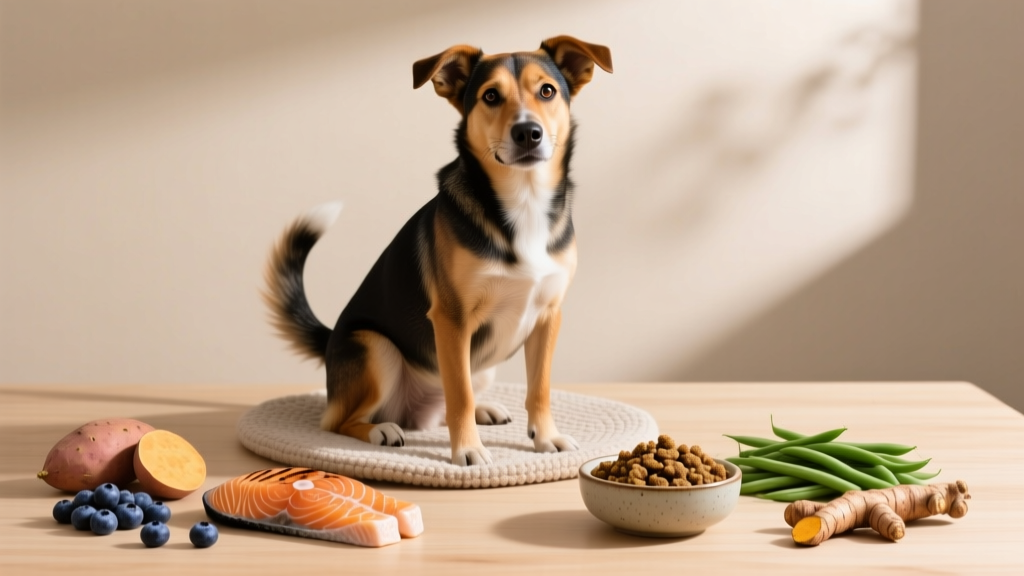
What Is an Anti Inflammatory Diet for Dogs?
Chronic inflammation is the silent driver behind many of the conditions we see most often in veterinary practice: osteoarthritis, atopic dermatitis, inflammatory bowel disease, and even cognitive decline in senior dogs. An anti inflammatory diet for dogs isn't a single commercial product — it's a nutritional strategy that uses specific macronutrient ratios, targeted fatty acids, and functional ingredients to downregulate inflammatory pathways in your dog's body.
The science centers on the balance between omega-6 and omega-3 fatty acids. Most standard commercial dog foods carry an omega-6 to omega-3 ratio between 10:1 and 20:1. Research published in the Journal of Nutrition suggests that bringing this ratio closer to 2:1 or 3:1 can measurably reduce inflammatory markers in canines. Combined with high-quality protein, controlled caloric density, and bioavailable antioxidants, this approach gives the immune system the raw materials it needs to resolve inflammation rather than sustain it.
Nutritional Requirements: What the Numbers Should Look Like
Not all "healthy" dog foods are anti-inflammatory. The difference lies in specific nutrient targets. Below are the macronutrient and micronutrient benchmarks to look for, based on adult maintenance needs for a dog on an anti-inflammatory protocol.
| Nutrient | Target Range | Why It Matters |
|---|---|---|
| Crude Protein | 28–35% (DMB) | Preserves lean muscle mass, supports immune function; novel proteins reduce allergenic load |
| Crude Fat | 14–20% (DMB) | Provides essential fatty acids; too much fat promotes adipose-driven inflammation |
| Omega-3 (EPA + DHA) | ≥ 1,000 mg per 1,000 kcal | Directly suppresses COX-2 and LOX inflammatory pathways |
| Omega-6:Omega-3 Ratio | 2:1 to 5:1 | Lower ratio = less arachidonic acid available for pro-inflammatory prostaglandins |
| Crude Fiber | 3–6% (DMB) | Supports gut microbiome; short-chain fatty acids from fiber fermentation reduce gut inflammation |
| Caloric Density | 320–400 kcal/cup | Prevents overfeeding; excess body fat is itself pro-inflammatory |
| Vitamin E | ≥ 50 IU/kg body weight | Protects omega-3 fatty acids from oxidation; antioxidant |
Caloric Needs by Body Weight
Feeding the right amount is just as important as feeding the right food. Overweight dogs carry excess adipose tissue, which secretes pro-inflammatory cytokines called adipokines. Use the resting energy requirement (RER) formula: RER = 70 × (body weight in kg)^0.75, then multiply by the appropriate factor.
| Body Weight | RER (kcal) | Neutered Adult (×1.6) | Active/Intact (×2.0) | Senior/Low Activity (×1.2) | Weight Loss (×1.0) |
|---|---|---|---|---|---|
| 10 lb / 4.5 kg | 218 | 349 | 436 | 262 | 218 |
| 25 lb / 11.3 kg | 400 | 640 | 800 | 480 | 400 |
| 50 lb / 22.7 kg | 633 | 1,013 | 1,266 | 760 | 633 |
| 75 lb / 34 kg | 840 | 1,344 | 1,680 | 1,008 | 840 |
| 100 lb / 45.4 kg | 1,028 | 1,645 | 2,056 | 1,234 | 1,028 |
Adjustment factors: If your dog has a body condition score (BCS) above 5/9, start at the weight loss multiplier and reassess every 2 weeks. Working or sporting dogs may need the active multiplier or higher. Senior dogs with reduced mobility often need 15–20% fewer calories than the standard neutered adult calculation.
Condition-Specific Guidance: Tailoring the Anti Inflammatory Diet
Anti-inflammatory nutrition isn't one-size-fits-all. The emphasis shifts depending on your dog's life stage or health condition.
Osteoarthritis and Joint Disease
Dogs with arthritis benefit most from elevated EPA and DHA levels. The Merck Veterinary Manual notes that doses of 75–100 mg combined EPA+DHA per kg of metabolic body weight (kg^0.75) can reduce lameness scores within 6–12 weeks. This typically requires a therapeutic diet or fish oil supplementation on top of a quality base food. Protein should stay at 28–32% to maintain muscle mass supporting affected joints.
Atopic Dermatitis and Skin Allergies
For dogs with environmental or food allergies, the anti-inflammatory diet must also function as a limited-ingredient or novel-protein diet. Chicken and beef are the most common food allergens in dogs according to AKC veterinary resources. Switching to salmon, venison, duck, or rabbit as the primary protein — combined with a 3:1 or lower omega-6:omega-3 ratio — addresses both the allergen trigger and the inflammatory cascade simultaneously.
Inflammatory Bowel Disease (IBD)
IBD requires highly digestible protein sources (hydrolyzed or novel), moderate fat (12–15% DMB to avoid overwhelming a compromised gut), and added prebiotic fiber like beet pulp or psyllium. Avoid high-FODMAP ingredients like certain legumes if your dog shows gas or loose stools. Probiotic supplementation with Enterococcus faecium or Lactobacillus acidophilus at 1–5 billion CFU daily can help restore gut barrier integrity.
Senior Dogs and Cognitive Decline
Older dogs face "inflammaging" — a low-grade, systemic inflammatory state that accelerates cellular aging. Anti-inflammatory diets for seniors should include medium-chain triglycerides (MCTs) at 5–8% of calories to support brain function, along with elevated antioxidants (vitamins E and C, selenium). Caloric density should be lower (320–360 kcal/cup) since most seniors have reduced activity levels.
Weight Management
Excess adipose tissue is metabolically active — it produces leptin, TNF-alpha, and interleukin-6, all of which fuel chronic inflammation. A weight-loss version of the anti-inflammatory diet should maintain high protein (32–35% DMB) to preserve lean mass while reducing fat to 10–14% DMB and calories to 280–330 kcal/cup. L-carnitine supplementation (50–100 mg/kg/day) can support fat metabolism.
How to Read Dog Food Labels for Anti Inflammatory Value
Marketing claims like "grain-free," "natural," or "holistic" don't guarantee anti-inflammatory properties. Here's what actually matters when you turn the bag over.
Every complete dog food sold in the US must carry an AAFCO (Association of American Feed Control Officials) nutritional adequacy statement. Look for language like: "This product is formulated to meet the nutritional levels established by the AAFCO Dog Food Nutrient Profiles for adult maintenance" (or "all life stages"). If the label says "for intermittent or supplemental feeding only," it is NOT a complete diet and should not be your dog's primary food.
Ingredient Analysis: What to Look For
- Named animal protein first: "Salmon," "deboned duck," or "menhaden fish meal" — not generic "meat meal" or "animal by-products."
- Named fat sources: "Salmon oil," "fish oil," or "flaxseed" provide omega-3s. Avoid "animal fat" (unspecified source).
- Whole-food antioxidants: Blueberries, sweet potatoes, turmeric, spinach, and kale provide polyphenols that combat oxidative stress.
- Prebiotic fibers: Chicory root, beet pulp, and pumpkin support gut microbiome health, which is closely linked to systemic inflammation.
- Absence of artificial preservatives: BHA, BHT, and ethoxyquin are pro-oxidant compounds. Look for mixed tocopherols (vitamin E) instead.
Ingredient Red Flags
| Ingredient | Why It's Problematic |
|---|---|
| Corn oil, soybean oil, sunflower oil (high amounts) | Extremely high in omega-6 linoleic acid; drives omega-6:3 ratio above 10:1 |
| Rendered fat / "animal fat" | Unknown source; may contain oxidized lipids that trigger inflammation |
| BHA, BHT, ethoxyquin | Synthetic preservatives with documented pro-oxidant and potential carcinogenic effects |
| Artificial colors (Red 40, Yellow 5, Yellow 6) | Linked to hypersensitivity reactions in some dogs; zero nutritional value |
| High-fructose corn syrup, propylene glycol | Promotes advanced glycation end-products (AGEs) which drive inflammatory pathways |
| Generic "meat meal" or "by-product meal" | Unidentified species; impossible to manage for food allergy elimination trials |
Top Recommended Anti Inflammatory Dog Foods (2026 Picks)
The following commercial diets meet the nutritional criteria outlined above. Prices reflect average US retail as of early 2026 for a 25–30 lb bag unless noted. Always verify current AAFCO statements on the specific product you purchase — formulations can change.
1. Hill's Prescription Diet j/d Joint Care
Best for: Dogs with osteoarthritis or mobility issues
Key specs: 24.1% protein, 19.5% fat (DMB), EPA from fish oil at clinically tested levels, omega-6:3 ratio of approximately 1.2:1
Price: $85–$105 per 27.5 lb bag
Why it works: This is one of the most studied therapeutic joint diets available. Clinical trials demonstrated improved weight-bearing in arthritic dogs within 21 days. Requires a veterinary prescription.
Consideration: Higher fat content may not suit dogs needing weight loss. Ask your vet about the reduced-calorie version (j/d Low Calorie).
2. Royal Canin Veterinary Diet Skin Support
Best for: Dogs with atopic dermatitis or chronic skin inflammation
Key specs: 30% protein, 22% fat (DMB), high EPA/DHA from fish oil, borage oil for gamma-linolenic acid (GLA), zinc and B-complex fortified
Price: $90–$115 per 26 lb bag
Why it works: Combines omega-3 fatty acids with GLA (an omega-6 that paradoxically supports skin barrier repair) and a patented skin-support complex. Designed for long-term management of allergic skin disease.
Consideration: Requires veterinary prescription. Not suitable for dogs with concurrent pancreatitis due to fat content.
3. Purina Pro Plan Veterinary Diets HA Hydrolyzed
Best for: Dogs with IBD or suspected food allergies
Key specs: 26% protein (hydrolyzed soy), 16% fat (DMB), single carbohydrate source, omega-3 from fish oil
Price: $78–$98 per 26 lb bag
Why it works: Hydrolyzed protein molecules are too small to trigger an immune response, making this ideal for elimination diet trials. The low-allergen formulation lets the anti-inflammatory omega-3s work without competing with food-triggered inflammation.
Consideration: Soy-based protein may not suit dogs with documented soy sensitivity. Discuss with your vet if a different hydrolyzed diet (e.g., Hill's z/d) would be more appropriate.
4. Orijen Six Fish (Non-Prescription)
Best for: Health-conscious owners wanting a non-prescription, fish-based anti-inflammatory diet
Key specs: 40% protein, 20% fat (as-fed), 85% animal ingredients including whole herring, flounder, monkfish, hake, sole, and rockfish, naturally high in EPA/DHA
Price: $95–$120 per 25 lb bag
Why it works: The all-fish protein profile delivers naturally high omega-3 levels without supplementation. Whole-prey ratios include organs and bone for mineral balance. No grain, potato, or tapioca fillers.
Consideration: High protein may not be suitable for dogs with advanced kidney disease. Calorie-dense at ~440 kcal/cup — portion control is critical for less active dogs.
5. Wellness Simple Limited Ingredient Diet Salmon & Potato
Best for: Budget-friendly anti-inflammatory feeding for dogs with chicken/beef sensitivities
Key specs: 26% protein, 14% fat (as-fed), single animal protein (salmon), includes ground flaxseed for omega-3s, no artificial preservatives
Price: $55–$70 per 24 lb bag
Why it works: Limited ingredient list reduces allergen exposure while salmon provides natural anti-inflammatory fats. The simpler formulation makes it easier to identify triggers if symptoms persist.
Consideration: Contains potato, which may not suit dogs on low-glycemic protocols. Omega-3 levels are lower than prescription diets — fish oil supplementation may still be needed for therapeutic effect.
6. Nom Nom (Fresh Food — Turkey or Fish Recipe)
Best for: Owners who want gently cooked, human-grade food with transparent sourcing
Key specs: Varies by recipe; Turkey recipe ~9% protein, 5% fat (as-fed, high moisture); Fish recipe provides natural omega-3s; AAFCO-compliant for all life stages
Price: $3.50–$6.00/day for a 30 lb dog (subscription model)
Why it works: Fresh-cooked diets retain more bioavailable nutrients than extruded kibble. Nom Nom employs a full-time veterinary nutritionist and formulates to AAFCO standards. The high moisture content (70–78%) supports hydration and kidney function.
Consideration: Significantly more expensive than kibble. Requires refrigeration and has a shorter shelf life. Transition carefully — the high moisture and different fiber profile can cause loose stools initially.
Homemade Anti Inflammatory Diets: What You Need to Know
Homemade diets can be effective for managing inflammation, particularly when your dog has multiple food intolerances that make commercial options difficult. However, the risk of nutritional imbalance is substantial.
Sample Framework for a Vet-Approved Homemade Anti Inflammatory Meal
This is a framework, not a complete recipe. Exact proportions must be calculated by a veterinary nutritionist based on your dog's weight, age, and condition.
| Component | Example Ingredients | Approximate Proportion |
|---|---|---|
| Novel/Lean Protein | Wild-caught salmon, sardines, rabbit, duck | 40–50% of calories |
| Complex Carbohydrate | Sweet potato, quinoa, oats (if tolerated) | 25–35% of calories |
| Vegetables (antioxidants) | Steamed broccoli, spinach, blueberries, turmeric | 10–15% of calories |
| Healthy Fats | Wild salmon oil, sardine oil, flaxseed oil | 10–15% of calories |
| Balancing Supplement | Veterinary-formulated calcium, vitamin, and mineral premix | Per nutritionist calculation |
Services like Balance IT (developed by veterinary nutritionists) can generate customized recipes with precise supplement calculations. A consultation with a DACVN typically costs $150–$350 for an initial diet formulation.
Raw Diets and Inflammation: A Safety Note
Some owners advocate raw diets as anti-inflammatory. While raw feeding can provide high-quality protein and intact enzymes, the AVMA discourages raw diets due to documented risks of Salmonella, Listeria, and E. coli contamination — for both dogs and the humans handling the food. Raw diets also require meticulous formulation to achieve correct calcium:phosphorus ratios and micronutrient balance. If you choose to raw-feed, work with a veterinary nutritionist, use commercially prepared raw diets that undergo high-pressure processing (HPP) to reduce pathogen load, and follow strict food safety protocols.
Supplements to Add: What, When, and How Much
Even the best commercial diet may need targeted supplementation to reach therapeutic anti-inflammatory levels. Here are the evidence-based options.
| Supplement | Dosage | When to Use | Notes |
|---|---|---|---|
| Fish Oil (EPA + DHA) | 75–100 mg combined EPA+DHA per kg^0.75 per day | Arthritis, skin allergies, cognitive decline | Choose triglyceride-form fish oil; store refrigerated; example: a 25 lb dog (~6.2 kg^0.75) needs ~465–620 mg EPA+DHA daily |
| Curcumin (Turmeric Extract) | 15–20 mg/kg/day (with piperine or lipid carrier for absorption) | Joint inflammation, IBD, general anti-inflammatory support | Raw turmeric powder has poor bioavailability; use standardized extracts (95% curcuminoids) with enhanced absorption technology |
| Green-Lipped Mussel (GLM) | 15–25 mg/kg/day | Osteoarthritis, joint stiffness | Contains natural glycosaminoglycans (GAGs), ETA (eicosatetraenoic acid); may take 4–8 weeks for full effect |
| Probiotics | 1–10 billion CFU/day (multi-strain) | IBD, antibiotic recovery, stress-related GI upset | Look for guaranteed CFU count at expiration, not at manufacture; strains like L. acidophilus and B. animalis have canine-specific research |
| Glucosamine HCl + Chondroitin | Glucosamine: 20–25 mg/kg/day; Chondroitin: 15–20 mg/kg/day | Arthritis, post-surgical joint recovery | Works synergistically with omega-3s; takes 4–6 weeks to see improvement; choose pharmaceutical-grade products |
| Vitamin E (d-alpha-tocopherol) | 2–5 IU/kg/day | Whenever supplementing high-dose fish oil | Protects polyunsaturated fats from oxidation; excess can interfere with clotting — stay within recommended range |
The 10-Day Transition Protocol
Switching to an anti-inflammatory diet too quickly is the most common reason owners abandon the effort. Dogs with sensitive GI tracts — especially those with IBD — need a gradual transition to allow their gut microbiome to adapt.
| Days | Old Food | New Food | Watch For |
|---|---|---|---|
| 1–2 | 75% | 25% | Appetite acceptance, initial stool changes |
| 3–4 | 50% | 50% | Stool consistency (soft is okay; watery is not) |
| 5–6 | 25% | 75% | Energy levels, gas, vomiting |
| 7–8 | 10% | 90% | Stool should be firming up; appetite should be stable |
| 9–10 | 0% | 100% | Full transition; monitor for 2 more weeks |
If your dog develops diarrhea at any stage: Hold at the current ratio for 2 additional days before progressing. If diarrhea persists beyond 48 hours or contains blood or mucus, contact your veterinarian — this may indicate the new food is not appropriate, or your dog may need a probiotic bridge during transition.
For dogs with IBD or chronic GI disease: Extend the transition to 14–21 days, using smaller increments (e.g., 10% changes every 3 days). Your vet may recommend a temporary addition of a gastrointestinal protectant like kaolin-pectin during the switch.
Monitoring Success: How to Know the Diet Is Working
Anti-inflammatory dietary changes take time. Most dogs show measurable improvement within 4–12 weeks, depending on the condition being addressed. Here's your tracking framework.
Body Condition Score (BCS)
Use the 9-point BCS scale (Purina body condition chart). Your dog's ideal score is 4–5/9, where ribs are easily felt without excess fat covering, a visible waist is present from above, and an abdominal tuck is visible from the side. Weigh your dog every 2 weeks during the first 2 months and adjust portions accordingly.
Coat and Skin Quality
Omega-3 fatty acids typically produce visible coat improvements within 6–8 weeks. Look for: reduced flaking, increased shine, softer texture, and decreased scratching or licking. If skin inflammation is the primary target, photograph affected areas weekly to track changes objectively.
Mobility and Energy
For arthritic dogs, track specific functional markers: ability to rise from rest, willingness to climb stairs, duration of walks before lagging, and play behavior. Many owners use a simple 1–10 daily mobility journal. Improvement on a therapeutic joint diet typically appears between weeks 3 and 8.
Stool Quality
Ideal stool is firm, well-formed, chocolate-brown, and easy to pick up. Use a 4-point stool scoring system (1 = hard pellets, 2 = firm and formed, 3 = soft but holds shape, 4 = liquid). A stable score of 2–3 indicates good digestibility. Persistent scores of 3.5–4 after the transition period suggest the diet may not be appropriate.
When to Reassess
If you see no improvement in your dog's primary symptoms after 12 weeks on a properly formulated anti-inflammatory diet, consult your veterinarian. The issue may require:
- A different protein source (true food allergy vs. intolerance)
- Higher therapeutic doses of omega-3s via prescription diet
- Adjunct medical therapy (NSAIDs, Apoquel, Cytopoint for allergies)
- Further diagnostic workup (food trial, allergy testing, GI biopsy)
Frequently Asked Questions
What is the best dog food for arthritis and joint inflammation?
Hill's Prescription Diet j/d and Royal Canin Mobility Support are the most clinically validated options, with published studies showing reduced lameness scores. For non-prescription alternatives, Orijen Six Fish provides naturally high omega-3 levels from whole fish. The key metric is EPA+DHA content — aim for at least 1,000 mg per 1,000 kcal of food, and supplement if needed.
How much should I feed my dog on an anti-inflammatory diet?
Calculate your dog's resting energy requirement using the formula RER = 70 × (weight in kg)^0.75, then multiply by the appropriate life stage factor (1.6 for neutered adults, 2.0 for active dogs, 1.2 for seniors). Check the calorie content on your specific food's label (kcal/cup) and divide your dog's daily target by that number. A 50 lb moderately active dog eating a 380 kcal/cup food would need approximately 2.7 cups per day, split into two meals.
Can I feed my dog a homemade or raw anti-inflammatory diet?
Yes, but only with professional formulation. Work with a board-certified veterinary nutritionist (DACVN) or use a service like Balance IT to create a nutritionally complete recipe. Raw diets carry additional pathogen risks documented by the AVMA and FDA. Regardless of preparation method, the diet must meet AAFCO nutrient profiles for your dog's life stage and include a veterinary-formulated supplement premix to cover calcium, phosphorus, trace minerals, and fat-soluble vitamins.
What ingredients should I avoid in my dog's food?
Avoid high-omega-6 vegetable oils (corn oil, soybean oil, sunflower oil), rendered animal fats of unspecified origin, artificial preservatives (BHA, BHT, ethoxyquin), artificial colors, and high-glycemic sweeteners. For dogs with known allergies, also avoid the specific protein triggers identified through an elimination diet trial — most commonly chicken, beef, dairy, and wheat.
How do I switch my dog to a new anti-inflammatory food?
Follow a 10-day gradual transition: 25% new food for days 1–2, 50% for days 3–4, 75% for days 5–6, 90% for days 7–8, and 100% by day 9–10. Extend this to 14–21 days for dogs with IBD or sensitive stomachs. If diarrhea or vomiting occurs at any stage, pause the transition and hold at the current ratio for 2 additional days before progressing.
Does my dog need supplements on an anti-inflammatory diet?
Most dogs benefit from additional fish oil even when eating a quality commercial diet, because therapeutic omega-3 doses for inflammation often exceed what's in the food. A 50 lb dog with arthritis may need 500–800 mg of combined EPA+DHA daily, which may require 1–2 pumps of a concentrated fish oil supplement. Curcumin, green-lipped mussel, and probiotics can provide additional benefit depending on the condition. Always calculate total intake from both food and supplements, and discuss your supplement plan with your veterinarian to avoid interactions with medications.
Are grains inflammatory for dogs?
Not inherently. Whole grains like oats, brown rice, and barley provide anti-inflammatory fiber and B vitamins. The grain-free trend was partly driven by marketing rather than evidence. However, the FDA has investigated a potential link between grain-free diets high in legumes (peas, lentils, chickpeas) and dilated cardiomyopathy (DCM) in dogs. Unless your dog has a documented grain allergy (which is rare — grain allergies account for less than 10% of canine food allergies), whole grains can be part of a healthy anti-inflammatory diet.
How long does it take to see results from an anti-inflammatory diet?
Timeline varies by condition: skin and coat improvements typically appear in 4–8 weeks, joint mobility improvements in 3–12 weeks, and GI improvements in 2–6 weeks. Full therapeutic effect for chronic conditions may take 12–16 weeks. Consistency is critical — intermittent feeding of anti-inflammatory foods will not produce sustained results.
Aaron Whyte
All our authors care for dogs every day — read more of their work on the authors page.


