Anti Diarrhea Supplement for Dogs: When to Use, What...
A veterinary-informed guide to choosing an anti diarrhea supplement for dogs, covering causes, symptoms, treatment costs, and when supplements aren't enough.
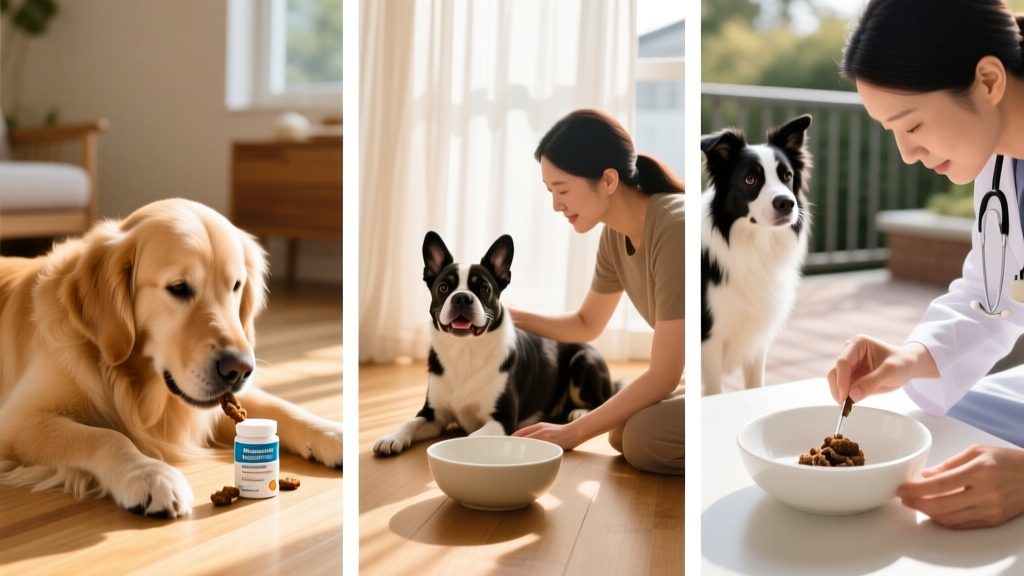
If your dog is passing loose, watery, or unusually frequent stools, you're likely searching for fast relief — and an anti diarrhea supplement for dogs may seem like the quickest fix. Diarrhea in dogs is one of the most common reasons for veterinary visits, affecting an estimated 30% of dogs at some point each year, according to data compiled by the Merck Veterinary Manual. It isn't a disease itself but a clinical sign of an underlying issue — ranging from simple dietary indiscretion to serious infections, inflammatory conditions, or systemic illness.
Anti-diarrheal supplements (probiotics, prebiotics, fiber blends, kaolin-pectin formulations, and Saccharomyces boulardii products) can play a legitimate role in managing uncomplicated acute cases. But using them blindly — without understanding the cause — can delay critical treatment. This guide walks you through when a supplement is appropriate, when you need a vet immediately, and how to choose a product backed by evidence rather than marketing claims.
What Causes Diarrhea in Dogs?
Canine diarrhea falls into two broad categories, and the type determines whether an over-the-counter supplement is reasonable or dangerous:
Small-bowel diarrhea: Large volume, infrequent, may contain undigested food or mucus. Often accompanied by weight loss. Points to malabsorption or maldigestion issues.
Large-bowel diarrhea: Small volume, frequent (4-10+ times/day), often contains fresh blood (hematochezia) or mucus, straining (tenesmus). Points to colitis or colonic inflammation.
Common causes include:
- Dietary indiscretion — eating garbage, table scraps, sudden food changes (most common cause of acute uncomplicated diarrhea)
- Parasites — Giardia, Coccidia, hookworms, whipworms, roundworms
- Bacterial infections — Salmonella, Campylobacter, Clostridium perfringens, E. coli
- Viral infections — Parvovirus (life-threatening, especially in puppies), coronavirus, distemper
- Inflammatory bowel disease (IBD) — chronic, immune-mediated intestinal inflammation
- Exocrine pancreatic insufficiency (EPI) — insufficient digestive enzyme production
- Food allergies/intolerances — typically protein-source reactions
- Toxin ingestion — plants, chemicals, human medications, xylitol
- Stress colitis — boarding, travel, new household members
- Systemic disease — kidney failure, liver disease, Addison's disease, hyperthyroidism (rare in dogs), pancreatic disease
- Neoplasia — intestinal lymphoma, adenocarcinoma (primarily older dogs)
Symptom Checklist: How Severe Is Your Dog's Diarrhea?
Not all diarrhea requires an emergency vet visit. Use this severity-based checklist to gauge urgency before reaching for an anti diarrhea supplement for dogs.
| Severity Level | Symptoms | Action |
|---|---|---|
| Mild (Monitor at Home) | 1-2 soft stools, normal appetite, normal energy, no blood, no vomiting | Withhold food 12-24 hours (water only), then bland diet. Consider a probiotic supplement. Monitor 48 hours. |
| Moderate (Schedule Vet Visit) | 3+ episodes in 24 hours, mild lethargy, decreased appetite, mucus in stool, mild straining | Call your vet for a same-week appointment. Bring a fresh stool sample. Supplements alone may not be sufficient. |
| Severe (Urgent Vet Visit) | Profuse watery diarrhea, blood (dark/tarry or bright red), vomiting, fever (≥103°F / 39.4°C), dehydration (tacky gums, skin tent), abdominal pain | See your vet within 12-24 hours. Do NOT rely on supplements. Diagnostic workup needed. |
| Emergency (Go Now) | Collapse, pale/white gums, suspected parvovirus exposure, known toxin ingestion, bloody diarrhea in an unvaccinated puppy, seizures, bloating | Emergency vet clinic immediately. This is potentially life-threatening. |
- Puppy under 6 months with diarrhea lasting more than 12 hours
- Any dog with diarrhea AND vomiting simultaneously
- Dark, tarry stools (melena) — indicates upper GI bleeding
- Known or suspected ingestion of a toxic substance — call ASPCA Animal Poison Control at (888) 426-4435 (24/7, consultation fee applies)
- Diarrhea persisting beyond 48 hours despite home management
- Dog is a breed predisposed to GDV (Great Danes, Standard Poodles, German Shepherds) and showing abdominal distension
- Weight loss accompanying chronic diarrhea (3+ weeks)
Risk Factors: Which Dogs Are Most Vulnerable?
- Age: Puppies under 6 months (immature immune systems, incomplete vaccination) and senior dogs over 10 years (declining organ function, neoplasia risk)
- Breed predisposition: German Shepherds (EPI, IBD, hemorrhagic gastroenteritis), Yorkshire Terriers (protein-losing enteropathy), Boxers (histiocytic ulcerative colitis), Soft-Coated Wheaten Terriers (protein-losing enteropathy/nephropathy), Labrador Retrievers (food sensitivities), Miniature Schnauzers (pancreatitis-related diarrhea)
- Weight: Overweight dogs (BCS 7-9/9) have higher rates of pancreatitis-triggered diarrhea; underweight dogs may have undiagnosed malabsorption
- Environment: Multi-dog households, dog daycare, boarding facilities, dog parks (higher parasite and pathogen exposure)
- Diet: Sudden food transitions, high-fat diets, raw feeding without proper food safety, table scraps, access to garbage
- Medication history: Recent antibiotics (disrupt gut microbiome), NSAIDs (GI ulceration risk), chemotherapy
- Vaccination status: Unvaccinated or incompletely vaccinated dogs at high risk for parvovirus and distemper
- Geographic exposure: Endemic areas for histoplasmosis (Ohio/Mississippi River valleys), leptospirosis, or tick-borne diseases
How Veterinarians Diagnose the Cause of Diarrhea
Before starting any anti diarrhea supplement for dogs, a veterinarian needs to identify the underlying cause — especially for moderate to severe or chronic cases. Here's the typical diagnostic pathway and what you can expect to pay:
| Diagnostic Test | What It Detects | Estimated Cost (2026) | Turnaround |
|---|---|---|---|
| Fecal flotation & direct smear | Parasite eggs (hookworm, roundworm, whipworm, coccidia) | $35-$65 | Same day – 48 hrs |
| Giardia ELISA / SNAP test | Giardia antigen | $40-$70 | 10 min (in-clinic) |
| CBC (Complete Blood Count) | Infection, inflammation, anemia, dehydration markers | $80-$150 | Same day – 24 hrs |
| Serum biochemistry panel | Kidney function, liver enzymes, electrolytes, protein levels | $90-$180 | Same day – 24 hrs |
| Canine pancreatic lipase (cPL) | Pancreatitis (a common diarrhea trigger) | $90-$160 | Same day – 48 hrs |
| TLI (Trypsin-Like Immunoreactivity) | Exocrine pancreatic insufficiency (EPI) | $80-$130 | 3-7 days (send-out) |
| Cobalamin (B12) & folate | Small intestinal bacterial overgrowth (SIBO), malabsorption | $70-$120 | 3-7 days (send-out) |
| Abdominal ultrasound | Intestinal wall thickness, masses, lymph nodes, organ architecture | $300-$550 | Same day – 48 hrs |
| Endoscopy with biopsy | IBD vs. lymphoma vs. other infiltrative disease (definitive diagnosis) | $1,200-$3,000 | 5-10 days (histopathology) |
| Parvovirus SNAP test | Canine parvovirus antigen in feces | $50-$85 | 10 min (in-clinic) |
For a straightforward acute case, your vet may only run a fecal test ($35-$65) and prescribe supportive care. For chronic diarrhea (3+ weeks duration), expect a minimum initial workup of $300-$600 for fecal testing, blood work, and possibly a parvo snap test. Advanced cases requiring imaging and biopsy can reach $2,000-$4,000+ before treatment even begins.
Treatment Options: Supplements, Medications, and Supportive Care
Treatment depends entirely on the underlying cause. Here's a comparison of the most common approaches, including where anti-diarrheal supplements fit into the picture.
| Treatment Category | Examples | Best For | Typical Cost | Expected Response Time |
|---|---|---|---|---|
| Probiotic supplements | Purina FortiFlora (Enterococcus faecium SF68), Proviable-DC (multi-strain), Visbiome Vet | Antibiotic-associated diarrhea, stress colitis, dietary indiscretion, microbiome support | $25-$50/month | 2-5 days |
| Saccharomyces boulardii | ProKolin Advanced, Jarrow Formulas S. boulardii (human-grade, vet-dosed) | Antibiotic-associated diarrhea, Giardia support, acute enteritis | $15-$35/month | 2-4 days |
| Fiber supplements | Psyllium husk (Metamucil plain, unflavored), pumpkin puree (plain, not pie filling) | Large-bowel diarrhea, colitis, fecal inconsistency | $5-$15/month | 1-3 days |
| Kaolin-pectin | Pro-Pectalin, Kaopectate (original formula — NOT bismuth-containing versions) | Mild acute diarrhea, toxin binding, stool firming | $10-$20 per course | 12-48 hours |
| Prescription: Metronidazole | Generic metronidazole 250mg/500mg tablets | Giardia, anaerobic bacterial overgrowth, inflammatory colitis | $15-$40 per course | 2-5 days |
| Prescription: Tylosin | Tylan powder (compounded) | Chronic large-bowel diarrhea, tylosin-responsive diarrhea (especially in German Shepherds) | $30-$80/month | 3-7 days |
| Dewormers | Fenbendazole (Panacur), pyrantel pamoate, praziquantel | Parasite-confirmed diarrhea | $15-$45 per course | 3-7 days (parasite clearance) |
| Hospitalization / IV fluids | IV crystalloids, antiemetics (maropitant/Cerenia), gastroprotectants | Parvovirus, hemorrhagic gastroenteritis (HGE), severe dehydration | $800-$5,000+ (2-5 day stay) | 24-72 hours for stabilization |
| Dietary management | Hill's i/d, Royal Canin GI Low Fat, Purina EN Gastroenteric | All types — foundational supportive care alongside other treatments | $40-$90/month | 3-7 days for improvement |
Choosing the Right Anti Diarrhea Supplement for Dogs
Not all supplements are created equal. Look for these evidence-based markers when selecting a product:
- Strain specificity: The probiotic should list exact strains (e.g., Enterococcus faecium SF68, Lactobacillus rhamnosus GG) — not just "lactobacillus species." Research published in the Journal of the American Veterinary Medical Association has shown that strain-specific probiotics produce measurably different outcomes in fecal quality scores.
- CFU count at expiration (not at manufacture): Look for products guaranteeing at least 1 × 10⁹ CFU per dose through the expiration date. Many cheap probiotics lose viability within weeks of opening.
- Third-party testing: Products carrying the National Animal Supplement Council (NASC) Quality Seal have undergone independent auditing for label accuracy and contaminant testing.
- Avoid combination products with undisclosed additives: Some "anti-diarrhea" chews contain loperamide (Imodium) without clear labeling. Loperamide is dangerous for herding breeds (Collies, Australian Shepherds, Shelties) with the MDR1 gene mutation and should never be given without veterinary guidance.
Prognosis: What to Expect Based on the Cause
Prognosis varies enormously depending on what's driving the diarrhea. Here's a realistic breakdown:
| Condition | Prognosis | Typical Recovery Timeline | Long-Term Outlook |
|---|---|---|---|
| Dietary indisception (acute) | Excellent | 1-3 days with supportive care | Full recovery, no lasting effects |
| Parasite infection (Giardia, worms) | Excellent with treatment | 5-14 days post-deworming | Full recovery; reinfection possible without environmental management |
| Stress colitis | Excellent | 3-7 days | Recurrence likely with future stressors; manageable with probiotics and fiber |
| Parvovirus (treated) | Guarded to fair (68-92% survival with aggressive treatment per Merck Veterinary Manual) | 5-10 days hospitalized; 2-4 weeks full recovery | Survivors typically recover fully and develop lasting immunity |
| Hemorrhagic gastroenteritis (HGE) | Good with prompt treatment; poor if delayed | 2-5 days hospitalized | Recurrence rate estimated at 10-15%; some dogs require long-term dietary management |
| Inflammatory bowel disease (IBD) | Fair — manageable but not curable | Weeks to months to achieve remission | Lifelong management required; most dogs achieve good quality of life with diet and immunosuppressive therapy |
| Intestinal lymphoma | Guarded to poor (depends on grade) | Variable | Low-grade: median survival 18-30 months with treatment; high-grade: 3-6 months |
| Exocrine pancreatic insufficiency (EPI) | Good with lifelong enzyme replacement | 1-2 weeks to see improvement on enzymes | Normal lifespan with consistent pancreatic enzyme supplementation (Pancrezyme, Viokase) |
Home Care and Daily Management
For mild, uncomplicated acute diarrhea where you and your vet have agreed to monitor at home, follow this protocol:
The 48-Hour Home Management Plan
- Hours 0-12: Fasting period (adult dogs only)
- Withhold food for 12 hours. NEVER fast a puppy under 6 months, a toy breed under 10 lb / 4.5 kg, or a diabetic dog — these dogs risk hypoglycemia.
- Offer small amounts of water frequently (ice cubes work well for dogs that gulp). Dehydration is the primary danger of diarrhea.
- Consider an electrolyte solution: unflavored Pedialyte diluted 50/50 with water, offered at 1-2 mL per pound of body weight every 2 hours.
- Hours 12-48: Bland diet reintroduction
- Feed boiled, skinless chicken breast (shredded) mixed with white rice in a 1:3 ratio (one part chicken, three parts rice).
- Portion: ¼ to ½ cup per 10 lb / 4.5 kg of body weight, divided into 4-6 small meals throughout the day.
- Alternative proteins: boiled ground turkey (93% lean or leaner), boiled low-fat cottage cheese, or scrambled egg whites.
- Add your chosen anti diarrhea supplement for dogs (probiotic or fiber) at the label-recommended dose for your dog's weight class.
- Hours 48-72: Transition back to regular diet
- If stools are formed and normal frequency has resumed, begin mixing the bland diet with your dog's regular food at a 75:25 ratio (bland:regular).
- Shift to 50:50 on day 4, 25:75 on day 5, and full regular diet by day 6-7.
- Continue the probiotic supplement for 14-30 days post-recovery to support microbiome restoration.
| Dog Weight | Probiotic (CFU/day) | Psyllium Fiber | Plain Pumpkin Puree |
|---|---|---|---|
| Under 15 lb / 7 kg | 1-2 billion CFU | ¼ tsp once daily | 1 tsp per meal |
| 15-40 lb / 7-18 kg | 2-5 billion CFU | ½ tsp once daily | 1 Tbsp per meal |
| 40-80 lb / 18-36 kg | 5-10 billion CFU | 1 tsp once daily | 2 Tbsp per meal |
| Over 80 lb / 36 kg | 10-20 billion CFU | 1½-2 tsp once daily | 3-4 Tbsp per meal |
Always introduce fiber gradually over 2-3 days. Too much fiber too fast causes gas and bloating. Consult your veterinarian for personalized dosing.
What NOT to Give Your Dog
- Loperamide (Imodium) — Dangerous for MDR1 mutation carriers and dogs with bacterial/infectious diarrhea (traps pathogens in the gut). Only use under direct veterinary instruction.
- Bismuth subsalicylate (Pepto-Bismol) — Contains salicylate, which is toxic to dogs at certain doses and can mask GI bleeding on diagnostic imaging. Avoid unless your vet specifically recommends it.
- Human anti-diarrheal combination products — Often contain xylitol, acetaminophen, or other ingredients toxic to dogs.
- Dairy-based remedies — Most adult dogs are lactose intolerant; milk or yogurt can worsen diarrhea.
Prevention: Reducing Diarrhea Episodes Long-Term
The best approach to canine diarrhea is preventing it in the first place. Evidence-based prevention strategies include:
- Consistent diet with gradual transitions: When changing foods, mix 25% new / 75% old for 3 days, then 50/50 for 3 days, then 75/25 for 3 days before going fully to the new food. Sudden transitions cause osmotic diarrhea in an estimated 40-60% of dogs.
- Monthly parasite prevention: Year-round heartworm/intestinal parasite preventives (e.g., Interceptor Plus, Sentinel, NexGard Combo) reduce parasite-related diarrhea dramatically. The Companion Animal Parasite Council recommends year-round prevention for all dogs in the US.
- Core vaccination maintenance: Keep DHPP and rabies current per your vet's schedule. Parvovirus vaccination is 95%+ effective at preventing disease when the full puppy series is completed.
- Probiotic maintenance during high-stress periods: Start a probiotic supplement 3-5 days before known stressors (boarding, travel, fireworks season) and continue through the event.
- Secure garbage and toxic substances: Dogs with access to household trash, compost bins, or yard debris have significantly higher rates of acute gastroenteritis.
- Limit high-fat treats: Table scraps, bacon grease, and fatty cuts of meat are common pancreatitis triggers. Keep dietary fat below 15% of caloric intake for dogs with a history of pancreatic issues.
- Annual fecal screening: Even dogs on monthly preventives should have fecal flotation testing 1-2 times per year, as no preventive covers all parasite species.
Cost of Diarrhea Treatment: What to Budget
Treatment costs depend heavily on severity and underlying cause. Here's a realistic breakdown based on 2026 US veterinary pricing averages:
| Scenario | Total Estimated Cost | What's Included |
|---|---|---|
| Mild acute (home management) | $20-$60 | OTC probiotic supplement, bland diet ingredients, Pedialyte |
| Simple vet visit (acute, uncomplicated) | $120-$300 | Exam fee, fecal test, anti-diarrheal medication, prescription diet sample |
| Moderate workup (chronic diarrhea) | $400-$900 | Exam, CBC/chemistry, fecal panel, Giardia test, cPL, prescription diet |
| Advanced diagnostics | $1,500-$4,000 | All above + abdominal ultrasound, cobalamin/folate, endoscopy with biopsy |
| Emergency hospitalization (parvo, HGE) | $1,500-$6,000+ | IV fluids, injectable medications, 2-5 day hospitalization, monitoring |
| Long-term IBD management (annual) | $600-$2,500/year | Prescription diet, immunosuppressive medication, B12 injections, quarterly rechecks |
Pet insurance consideration: Most comprehensive pet insurance policies (Trupanin, Healthy Paws, Nationwide) cover diagnostic workups and treatment for diarrhea-related conditions, including chronic IBD management, as long as the condition isn't classified as pre-existing. Monthly premiums for a medium-sized dog typically range from $40-$80/month in 2026. If your dog has recurring GI issues, the investment often pays for itself within the first significant episode.
Frequently Asked Questions
Can I give my dog human anti-diarrhea medicine?
Generally, no. Loperamide (Imodium) can be toxic to herding breeds with the MDR1 gene mutation and is contraindicated in infectious diarrhea. Bismuth subsalicylate (Pepto-Bismol) contains salicylates that can be harmful at canine-relevant doses. Always consult your veterinarian before giving any human medication to your dog. There are veterinary-specific anti diarrhea supplements for dogs that are safer and more appropriate.
How long should I wait before taking my dog to the vet for diarrhea?
For a healthy adult dog with a single episode of mild soft stool and no other symptoms, 24-48 hours of home monitoring is reasonable. Go sooner if: the dog is a puppy, senior, or immunocompromised; diarrhea is bloody or black/tarry; vomiting accompanies the diarrhea; the dog appears painful, lethargic, or dehydrated; or there is any possibility of toxin ingestion.
Is pumpkin a good anti diarrhea supplement for dogs?
Plain canned pumpkin puree (NOT pumpkin pie filling, which contains spices and sugar) can help firm stools due to its soluble fiber content. It works best for mild large-bowel diarrhea. Dose: 1-4 tablespoons per meal depending on dog size. However, pumpkin is a supportive measure, not a treatment for underlying disease. If diarrhea persists beyond 48 hours despite pumpkin supplementation, see your vet.
My dog gets diarrhea every time they're stressed. What can I do?
Stress colitis is very common, especially in dogs that board, travel, or experience environmental changes. A multi-pronged approach works best: (1) Start a veterinary-grade probiotic like Purina FortiFlora or Proviable 3-5 days before the stressful event. (2) Add a soluble fiber supplement (psyllium at the doses listed above) to provide colonic bulk. (3) Discuss situational anti-anxiety medication with your vet — trazodone (2-5 mg/kg) or gabapentin can reduce stress-triggered colitis episodes by addressing the root cause. (4) Maintain a consistent feeding schedule even during disruptions.
Are grain-free diets linked to diarrhea in dogs?
The FDA has investigated a potential link between grain-free diets (specifically those high in peas, lentils, and potatoes) and dilated cardiomyopathy (DCM), not diarrhea specifically. However, some dogs develop diarrhea on grain-free diets due to the higher legume content causing GI upset, or because rapid diet switching is more common with trendy diet changes. If your dog has chronic diarrhea on a grain-free diet, discuss a transition to a grain-inclusive veterinary-recommended diet with your vet.
How do I know if the anti diarrhea supplement is working?
You should see improvement within 2-5 days of starting an appropriate supplement for mild cases. Track these metrics: stool consistency (use the Purina Fecal Scoring System — aim for score 2-3 out of 7), frequency (should decrease toward your dog's normal baseline), and overall demeanor (appetite and energy should remain stable or improve). If none of these improve within 72 hours, the underlying cause likely requires veterinary diagnosis and treatment beyond what a supplement can address.
An anti diarrhea supplement for dogs — whether a probiotic, fiber source, or kaolin-pectin product — can be a valuable tool for managing mild, uncomplicated acute diarrhea at home. But diarrhea is a symptom, not a diagnosis. When symptoms are severe, persistent, bloody, or accompanied by systemic signs (vomiting, lethargy, dehydration), supplements are not a substitute for veterinary diagnosis and treatment. The safest approach is to use supplements as part of a plan developed with your veterinarian, not as a replacement for professional care.
Aaron Whyte
All our authors care for dogs every day — read more of their work on the authors page.


