Allergy From Dogs: Identifying and Treating Canine Allergies in 2026
Guide to identifying and treating allergies in dogs. Learn symptoms, diagnosis, treatment costs, and management strategies for canine allergies.
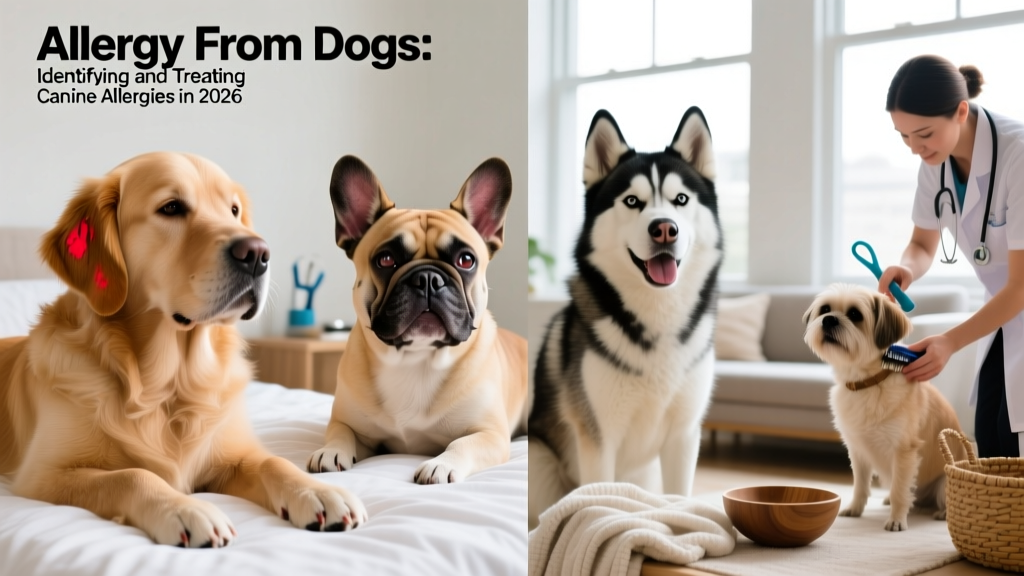
What Are Allergies in Dogs?
Dog allergies occur when a dog's immune system overreacts to substances (allergens) that are typically harmless, such as pollen, dust mites, mold spores, certain foods, or flea saliva. According to the Merck Veterinary Manual, allergies affect an estimated 10-15% of the canine population, making them one of the most common reasons for veterinary dermatology visits.
Unlike humans who typically experience respiratory symptoms, dogs with allergies primarily show skin manifestations—itching, redness, ear infections, and paw licking. The condition can be seasonal (environmental allergens) or year-round (food allergies, dust mites), and severity ranges from mild intermittent itching to severe, chronic skin disease that significantly impacts quality of life.
Symptom Checklist by Severity
| Severity Level | Symptoms | Timeline |
|---|---|---|
| Early Warning Signs | • Occasional paw licking • Mild ear scratching • Seasonal face rubbing • Intermittent sneezing |
Develops over weeks to months; may appear seasonally |
| Moderate Symptoms | • Frequent scratching at ears, paws, belly • Recurrent ear infections (2+ per year) • Red, inflamed skin patches • Excessive licking of paws/legs • Hot spots (acute moist dermatitis) |
Persistent symptoms lasting 2+ weeks; recurring episodes |
| Advanced/Severe Symptoms | • Chronic skin infections (bacterial/yeast) • Hair loss (alopecia) from scratching • Thickened, darkened skin (lichenification) • Chronic ear infections with discharge/odor • Secondary skin wounds from self-trauma • Behavioral changes (restlessness, irritability) |
Ongoing for months; poor response to basic treatments |
Risk Factors: Which Dogs Are Most Susceptible?
Breed Predisposition
Certain breeds have genetic predispositions to allergies. According to AKC health resources, high-risk breeds include:
- Terriers: West Highland White Terriers, Jack Russell Terriers, Bull Terriers
- Retrievers: Golden Retrievers, Labrador Retrievers
- Brachycephalic breeds: French Bulldogs, English Bulldogs, Pugs, Boston Terriers
- Spaniels: Cocker Spaniels, Springer Spaniels
- Other: German Shepherds, Boxers, Shar-Peis, Dalmatians
Age and Onset
Most dogs develop allergy symptoms between 6 months and 3 years of age. Food allergies can appear as early as 5 months, while environmental allergies (atopic dermatitis) typically manifest between 1-3 years. Senior dogs may develop new allergies or experience worsening of existing conditions.
Environmental Factors
- Geographic location: Humid climates increase mold/mite exposure; high-pollen regions worsen seasonal allergies
- Indoor environment: Homes with carpeting, dust accumulation, or poor ventilation
- Flea exposure: Even minimal flea bites can trigger severe reactions in sensitized dogs
- Diet: Common food allergens include beef, chicken, dairy, wheat, soy, and eggs
How Are Dog Allergies Diagnosed?
Diagnostic Process and Costs
- Initial Veterinary Examination ($50-$100)
Complete physical exam, skin scraping to rule out mites, ear cytology if ear infection present. Your vet will take a detailed history including symptom onset, seasonality, diet, and environmental exposure. - Rule-Out Diagnostics ($100-$300)
Before confirming allergies, vets must exclude other causes of itching:- Fungal culture (dermatophyte test): $30-$60
- Bacterial culture if infection present: $80-$150
- Flea comb and treatment trial: $20-$50
- Food Elimination Trial ($150-$400)
If food allergy suspected, an 8-12 week strict diet trial using a novel protein (venison, rabbit, duck) or hydrolyzed protein diet. This is the ONLY reliable way to diagnose food allergies—blood tests for food allergies are unreliable. - Allergy Testing ($300-$800)
For environmental allergies, two main options:- Intradermal skin testing: $400-$800. Performed by veterinary dermatologists; considered gold standard. Small amounts of allergens injected under skin; reactions measured after 15-20 minutes.
- Blood testing (IgE serology): $200-$400. Less invasive but slightly less accurate. Can be done by general practitioners.
- Biopsy (if needed) ($150-$300)
Skin biopsy may be recommended if autoimmune disease or other conditions suspected. Includes sedation/anesthesia and histopathology lab fees.
Total diagnostic costs typically range from $500-$2,000 depending on complexity and whether referral to a veterinary dermatologist is needed.
Treatment Options for Dog Allergies
| Treatment Type | Examples | Cost Range | Success Rate | Best For |
|---|---|---|---|---|
| Flea Prevention | Simparica Trio, Bravecto, NexGard | $15-$60/month | 95%+ when used consistently | All allergic dogs (flea allergy is common comorbidity) |
| Antihistamines | Cetirizine, diphenhydramine, loratadine | $10-$30/month | 25-30% of dogs respond | Mild seasonal allergies |
| Omega-3 Fatty Acids | Fish oil supplements (EPA/DHA) | $20-$50/month | 30-40% show improvement | Supportive care; reduces inflammation |
| Apoquel (oclacitinib) | Prescription oral medication | $50-$150/month | 70-80% effective | Moderate to severe itching; rapid relief |
| Cytopoint (lokivetmab) | Injectable monoclonal antibody | $65-$150/injection (every 4-8 weeks) | 75-85% effective | Dogs who can't take oral meds; long-term management |
| Steroid Therapy | Prednisone, prednisolone, dexamethasone | $10-$40/month | 90%+ short-term relief | Acute flare-ups; not for long-term use |
| Immunotherapy (Allergy Shots) | Custom-formulated allergen extracts | $100-$250/month (after initial $1,000-$2,000 setup) | 60-75% achieve good control | Long-term management of environmental allergies |
| Dietary Management | Novel protein or hydrolyzed diets | $60-$120/month | 80-90% for confirmed food allergies | Food allergy management |
Important: Always consult your veterinarian before starting any medication. Dosages must be calculated based on your dog's weight and health status. Never use human medications without veterinary guidance.
Prognosis and Life Expectancy
| Severity | Prognosis | Life Expectancy Impact | Expected Timeline |
|---|---|---|---|
| Mild Seasonal Allergies | Excellent with management | Normal lifespan | Symptoms controlled within 2-4 weeks of treatment initiation |
| Moderate Year-Round Allergies | Good with consistent treatment | Normal lifespan; requires lifelong management | 6-12 weeks to achieve stable control; periodic flare-ups expected |
| Severe Chronic Allergies | Fair to good; may require specialist care | Normal lifespan but reduced quality of life if poorly controlled | 3-6 months to find effective protocol; higher risk of secondary infections |
| Refractory Cases | Guarded; 10-15% of cases don't respond well | Normal lifespan but chronic discomfort; may require multiple medication trials | Ongoing management; some dogs never achieve full comfort |
Allergies are rarely "cured" but can typically be managed effectively. According to veterinary dermatology studies, approximately 85% of allergic dogs achieve acceptable symptom control with appropriate treatment protocols. However, allergies are a lifelong condition requiring ongoing management and regular veterinary monitoring.
Home Care and Daily Management
Environmental Control
- Bathing: Weekly baths with hypoallergenic or medicated shampoo (oatmeal-based, chlorhexidine if infection present). Water temperature should be lukewarm (98-102°F / 37-39°C).
- Paw wiping: Wipe paws with damp cloth after outdoor exposure to remove pollen/allergens
- Bedding: Wash dog bedding weekly in hot water (130°F / 54°C) to kill dust mites
- Air filtration: Use HEPA air purifiers in rooms where dog spends most time
- Vacuuming: Vacuum carpets and upholstery 2-3 times weekly using HEPA-filter vacuum
- Humidity control: Maintain indoor humidity below 50% to reduce mold and dust mites
Dietary Management
For food-allergic dogs, strict adherence to elimination diet is critical. Even small amounts of allergen (treats, table scraps, flavored medications) can trigger reactions. Read all ingredient labels carefully. Common hidden allergens include:
- Beef or chicken flavoring in treats
- Dairy-based probiotics
- Fish oil if fish is the allergen
- Flavored heartworm preventives or medications
Monitoring and Record-Keeping
Keep a symptom diary noting:
- Scratching frequency and intensity (scale 1-5)
- Ear infection signs (head shaking, odor, discharge)
- Skin changes (redness, hot spots, hair loss)
- Response to medications and timing
- Environmental exposures (outdoor time, new products)
Treatment Costs: What to Budget
Initial Diagnosis Costs
- Basic workup (exam, skin scraping, cytology): $150-$300
- Comprehensive allergy testing: $500-$1,200
- Food elimination trial: $150-$400
- Total first-year diagnostic costs: $800-$2,000
Ongoing Annual Management Costs
- Mild cases: $300-$600/year (antihistamines, omega-3s, occasional vet visits)
- Moderate cases: $800-$1,500/year (Apoquel or Cytopoint, regular check-ups, medicated shampoos)
- Severe cases: $1,500-$3,000+/year (immunotherapy, specialist visits, secondary infection treatments)
Worst-Case Scenarios
Chronic secondary infections can add $200-$500 per episode. Referral to veterinary dermatologist: $150-$300 consultation plus treatment costs. Emergency care for severe reactions or self-trauma: $500-$2,000.
Pet insurance consideration: Many policies cover allergy management if condition develops after policy inception. Annual premiums range from $400-$800; reimbursement typically 70-90% after deductible.
Prevention Strategies
While you cannot prevent a genetic predisposition to allergies, you can reduce severity and delay onset:
- Early flea control: Start monthly flea prevention by 8 weeks of age; prevents flea allergy sensitization
- Diverse early diet: Emerging research suggests varied protein exposure during puppyhood (4-6 months) may reduce food allergy risk
- Probiotics: Some studies indicate probiotic supplementation in puppies may support immune system development
- Avoid over-vaccination: Work with your vet to create appropriate vaccine schedules; excessive immune stimulation may contribute to allergic tendencies
- Environmental hygiene: Regular cleaning, dust control, and mold prevention reduce allergen load
When to See the Veterinarian Immediately
Contact your veterinarian right away if your dog exhibits any of these red-flag symptoms:
- Acute facial swelling or hives: Can indicate severe allergic reaction (anaphylaxis); potentially life-threatening
- Difficulty breathing or wheezing: Emergency situation requiring immediate intervention
- Sudden collapse or weakness: May indicate anaphylactic shock
- Severe vomiting/diarrhea with skin symptoms: Systemic allergic reaction
- Open wounds from scratching: Risk of serious secondary infection
- Ear hematoma: Swollen, fluid-filled ear flap from vigorous head shaking; requires surgical drainage
- Foul-smelling skin or ears with discharge: Indicates bacterial or yeast infection requiring prescription treatment
- No improvement after 2 weeks of treatment: May need medication adjustment or further diagnostics
Emergency Contact: If your regular vet is unavailable and your dog shows severe symptoms, contact ASPCA Animal Poison Control at (888) 426-4435 (24/7, consultation fee applies) for guidance on potential toxin exposure, or proceed to nearest emergency veterinary clinic.
Frequently Asked Questions
Can dog allergies be cured completely?
No, allergies cannot be cured, but they can be effectively managed in most cases. Immunotherapy (allergy shots) comes closest to addressing the root cause by desensitizing the immune system, with 60-75% of dogs achieving good long-term control. However, most allergic dogs require lifelong management.
How much does allergy treatment cost per month?
Monthly costs vary widely based on treatment approach and dog size:
- Antihistamines and supplements: $20-$50/month
- Apoquel: $50-$150/month depending on dog weight
- Cytopoint injections: $65-$150 every 4-8 weeks
- Immunotherapy: $100-$250/month after initial setup
- Prescription diets: $60-$120/month
What is the life expectancy of a dog with allergies?
Dogs with allergies typically have normal life expectancies if the condition is properly managed. Allergies themselves are not life-threatening, but poorly controlled allergies can lead to chronic discomfort, recurrent infections, and reduced quality of life. With appropriate treatment, allergic dogs live full, comfortable lives.
Which dog breeds are most prone to allergies?
Breeds with highest allergy predisposition include French Bulldogs, English Bulldogs, West Highland White Terriers, Golden Retrievers, Labrador Retrievers, German Shepherds, Boxers, Cocker Spaniels, and Shar-Peis. However, any breed can develop allergies, and mixed-breed dogs are also commonly affected.
How long does it take to diagnose dog allergies?
Initial diagnosis typically requires 2-4 veterinary visits over 2-3 months. Food elimination trials take 8-12 weeks minimum. Allergy testing (skin or blood) can be completed in one visit, but results interpretation and treatment formulation take additional time. Expect 3-6 months from initial presentation to stable treatment protocol.
Can I use human allergy medication for my dog?
Some human antihistamines (cetirizine, diphenhydramine, loratadine) can be used in dogs, but ONLY under veterinary guidance. Dosages differ significantly from human doses, and some human formulations contain ingredients toxic to dogs (xylitol, decongestants like pseudoephedrine). Never give human medication without consulting your veterinarian first.
Are allergy tests worth the cost?
For moderate to severe environmental allergies, yes. Allergy testing identifies specific allergens, enabling targeted immunotherapy and environmental avoidance strategies. While expensive ($300-$800), testing often reduces long-term costs by improving treatment effectiveness and reducing trial-and-error medication approaches. For mild seasonal allergies, empirical treatment may be more cost-effective.
This guide provides general information about canine allergies. Always consult your veterinarian for diagnosis and treatment recommendations specific to your dog's condition. Individual responses to treatment vary, and professional veterinary care is essential for optimal outcomes.
Dr. Hannah Wickes
All our authors care for dogs every day — read more of their work on the authors page.


