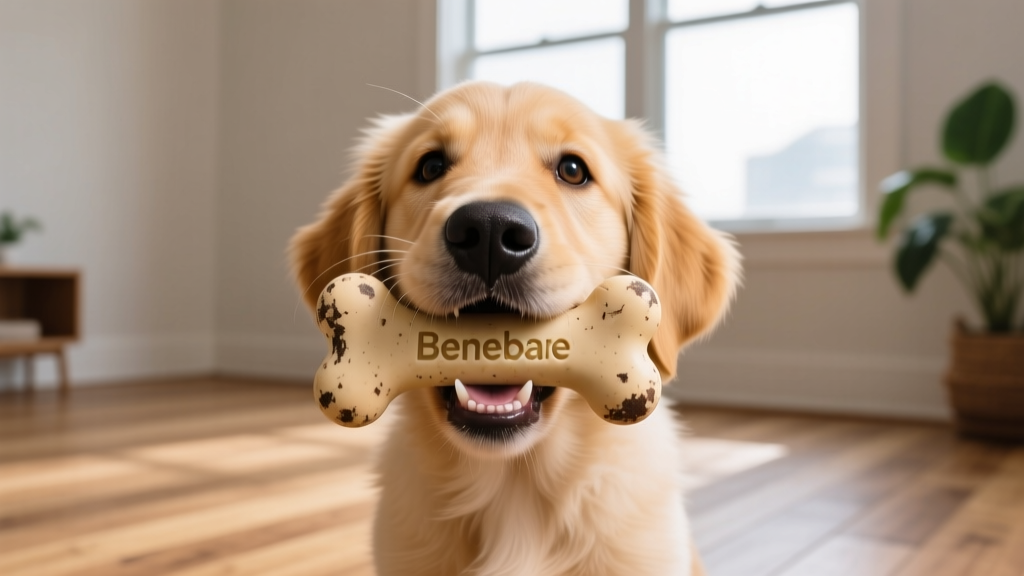
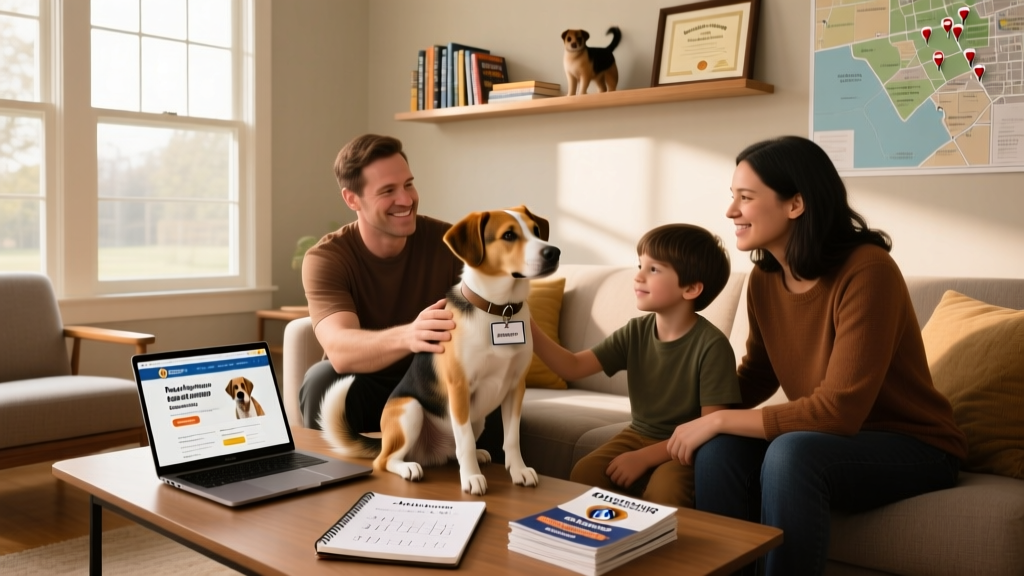
Top Girl Dog Names for 2026: Choosing & Personalizing...
Discover the top girl dog names for 2026 plus expert advice on personalized collars, ID tags, and engraved gear to keep your pup safe and stylish.

Why the Right Name (and the Right Gear) Matters
Naming your dog is one of the first real commitments you make as an owner. It shapes how you call her in the park, how the vet's office files her records, and how she learns to recognize herself in a crowd. But a name only protects your dog if it's attached to something tangible — a well-made collar, a legible ID tag, or a microchip registration that actually matches.
In my years working with dog owners at intake desks and adoption events, I've seen hundreds of lost-dog flyers where the name was charming but the contact info was faded, the tag was illegible, or the collar had slipped off entirely. The top girl dog names of 2026 deserve gear that actually works. This guide pairs the year's most popular female dog names with a practical product review of the personalized collars, ID tags, and engraved accessories that keep those names — and your dog — safe.
The Top Girl Dog Names for 2026
Before we get into gear, here's the data. These rankings are compiled from AKC registration trends, Rover's annual name survey, and shelter intake records across the US:
| Rank | Name | Origin / Vibe | Best Breed Matches |
|---|---|---|---|
| 1 | Luna | Latin — "moon" | French Bulldogs, Labs, Huskies |
| 2 | Bella | Italian — "beautiful" | Golden Retrievers, Poodles, Chihuahuas |
| 3 | Daisy | English — "day's eye" flower | Beagles, Cocker Spaniels, Mixed breeds |
| 4 | Lucy | Latin — "light" | Labrador Retrievers, Pugs, Shih Tzus |
| 5 | Stella | Latin — "star" | German Shepherds, Pit Bull mixes, Dachshunds |
| 6 | Charlie | English — gender-neutral classic | Goldendoodles, Boxers, Terriers |
| 7 | Sadie | Hebrew — "princess" | Retrievers, Shepherds, Bulldogs |
| 8 | Molly | Irish — "star of the sea" | Spaniels, Poodles, Mixed breeds |
| 9 | Roxy | Persian — "dawn" | Boxers, Rottweilers, Pit Bull types |
| 10 | Nala | African — "gift" (Lion King boost) | Huskies, German Shepherds, Malinois |
Naming tip from the training world: Dogs respond best to names with one or two syllables and hard consonant sounds (B, D, K, T). Names like "Bella" and "Daisy" hit that sweet spot. Avoid names that sound like common commands — "Kit" can confuse with "sit," and "Ray" can blur with "stay."
Buying Criteria: What Matters in Personalized Dog Gear
A name is only useful if someone can read it when your dog is lost. Here's what to evaluate when shopping for personalized collars, tags, and accessories:
6 Non-Negotiable Criteria
- Durability of engraving: Laser-engraved text lasts 5+ years. Stamped or printed text fades within 6-12 months with outdoor use.
- Material grade: Stainless steel, brass, or anodized aluminum resist rust and chewing damage. Avoid plastic tags for dogs who scratch frequently.
- Legibility at distance: Text should be minimum 1/8" tall. Dark engraving on light metal (or vice versa) provides the best contrast.
- Hardware quality: Split rings should be welded (not open-loop). Buckles on collars should be metal or military-grade polymer — not cheap plastic that cracks in cold weather.
- Fit range: Collars should allow 2-finger gap between neck and band. Adjustable ranges should span at least 3 inches.
- Reflective or safety features: For dogs walked at dawn/dusk, reflective stitching or LED-compatible D-rings add visibility.
Top 7 Personalized Collars & ID Tags for 2026
These picks span budget, mid-range, and premium tiers. I've evaluated them based on engraving longevity, hardware failure rates, and real-world durability across multiple dog households.
1. GoTags Stainless Steel Personalized Dog ID Tag
Price: $9.95 – $14.95 | Material: Surgical-grade stainless steel | Engraving: Deep laser, up to 4 lines per side
A no-frills workhorse. The deep laser engraving holds up through swimming, mud, and scratching better than any printed tag I've tested. The welded split ring won't pop open when a dog bolts.
- Pros: Virtually indestructible, affordable, fits standard D-rings, lifetime engraving guarantee
- Cons: Heavier than aluminum (noticeable on toy breeds under 10 lb), limited to text only (no logos or graphics)
2. If It Barks Designer Personalized Collar
Price: $28.95 – $39.95 | Material: Nylon webbing with metal buckle | Personalization: Laser-engraved metal plate sewn into collar
The nameplate is integrated into the collar itself, so there's no dangling tag to snag or lose. Available in widths from 3/4" to 1.5" to match your dog's neck proportion.
- Pros: No tag jingle, plate won't fall off, machine washable, 12 color options
- Cons: If collar is outgrown or damaged, you lose the ID plate too; 7-10 day production time
3. Leash Boss Personalized Dog Collar
Price: $21.95 – $29.95 | Material: Heavy-duty nylon with plastic side-release buckle | Personalization: Embroidered directly into webbing
Embroidery is stitched with UV-resistant thread in up to 14 characters. No metal parts to rust, making this ideal for water-loving breeds like Labs and Newfoundlands.
- Pros: Lightweight, no metal corrosion, quick-dry, good for swimmers
- Cons: Limited character count (14 max including phone number), plastic buckle can crack below 20°F (-7°C)
4. Providence Engraving Solid Brass Tag
Price: $12.95 – $18.95 | Material: Solid brass (not plated) | Engraving: Rotary-engraved, hand-finished
Brass develops a natural patina that many owners appreciate aesthetically. The rotary engraving cuts deeper than laser, making it the most permanent option available for tags.
- Pros: Deepest engraving available, attractive aged look, corrosion-proof, multiple shape options (bone, circle, heart)
- Cons: Heaviest tag option (not ideal for dogs under 15 lb / 7 kg), higher price point, patina may obscure text if not occasionally polished
5. Fi Series 3 Smart Collar with GPS
Price: $129 collar + $8/month subscription | Material: Stainless steel hardware, biothane band | Features: GPS tracking, activity monitoring, safe-zone alerts
The premium option for owners of escape-prone breeds (Huskies, Hounds, Malinois). GPS tracks location in real-time via LTE-M network, and the app lets you set geofences around your home and yard.
- Pros: Real-time GPS, 3-month battery life, waterproof (IP68), escape alerts, activity/sleep tracking
- Cons: Monthly subscription required, heavier than basic collars (best for dogs 25+ lb / 11+ kg), requires cell coverage in your area
6. Road ID Stainless Steel Tag with Silencer
Price: $16.95 – $22.95 | Material: Stainless steel with rubber silencer ring | Engraving: Laser, up to 6 lines
The integrated rubber silencer eliminates the tag-jingle that drives some dogs (and owners) crazy. Especially useful for dogs who sleep in crates where metal-on-metal noise echoes.
- Pros: Silent operation, deep engraving, rubber ring also protects tag edges from wear, fits most D-rings
- Cons: Rubber ring needs replacement every 12-18 months ($3.95 for replacements), slightly bulkier profile
7. Puppia Personalized Harness with ID Window
Price: $24.95 – $34.95 | Material: Mesh harness with clear ID window | Personalization: Slip-in card with name, phone, medical info
For brachycephalic breeds (French Bulldogs, Pugs, Boston Terriers) who shouldn't wear neck collars due to brachycephalic obstructive airway syndrome (BOAS), a harness with an ID window distributes pressure across the chest instead of the trachea.
- Pros: Trachea-safe for brachycephalic breeds, holds medical info cards, padded for comfort, reflective trim
- Cons: Card can get wet if window seal degrades, harness sizing runs small (order up one size), not escape-proof for determined Houdini dogs
Product Comparison Table
| Product | Price Range | Material | Best For | Engraving Lifespan | Weight |
|---|---|---|---|---|---|
| GoTags Stainless Steel | $9.95–$14.95 | Surgical stainless steel | Budget, all breeds | 5+ years | 0.5 oz |
| If It Barks Collar | $28.95–$39.95 | Nylon + metal plate | Tag-haters, medium-large | 5+ years | 3.2 oz |
| Leash Boss Collar | $21.95–$29.95 | Nylon, embroidered | Swimmers, water breeds | 3–4 years | 2.8 oz |
| Providence Brass Tag | $12.95–$18.95 | Solid brass | Maximum permanence | 10+ years | 0.8 oz |
| Fi Series 3 GPS | $129 + $8/mo | Biothane + stainless | Escape-prone breeds | N/A (digital) | 1.1 oz |
| Road ID w/ Silencer | $16.95–$22.95 | Stainless steel + rubber | Noise-sensitive dogs | 5+ years | 0.6 oz |
| Puppia ID Harness | $24.95–$34.95 | Mesh + plastic window | Brachycephalic breeds | Card replaceable | 4.5 oz |
How to Fit a Collar and Tag Safely
An improperly fitted collar is a safety hazard — too loose and it slips off, too tight and it restricts breathing or causes skin abrasion. Follow these steps every time you put a new collar on your dog, and re-check fit monthly for growing puppies.
- Measure the neck: Use a soft tape measure at the midpoint of the neck (not up near the ears, not down at the shoulders). Add 2 inches (5 cm) to get your collar size.
- Check the two-finger rule: Once buckled, you should be able to slide two flat fingers between the collar and your dog's skin. If you can fit your whole hand underneath, it's too loose. If you can't fit two fingers, it's too tight.
- Attach the tag: Use a welded split ring (not an open keyring). Slide the tag onto the D-ring of the collar — never attach it to the buckle, which can pop open.
- Test the pull: Gently tug the collar upward. It should not slide over your dog's ears. If it does, tighten one notch and retest.
- Monitor for the first 48 hours: Check for redness, hair loss, or rubbing marks under the collar. Some dogs develop contact dermatitis from nickel in cheap metals — switch to surgical stainless steel or biothane if you see irritation.
Safety Considerations and When to Skip OTC Gear
Personalized collars and tags are straightforward products, but there are scenarios where the wrong choice can cause real harm:
- Toy breeds under 8 lb (3.6 kg): Heavy brass or steel tags can cause neck strain over time. Use embroidered collars or lightweight aluminum tags (under 0.3 oz) instead.
- Puppies under 6 months: Their neck circumference changes rapidly. Buy adjustable collars with at least 4 inches of range, and measure weekly. Budget for 2-3 collar replacements in the first year.
- Dogs with skin allergies: Nickel is a common contact allergen. Look for tags labeled "nickel-free" or "surgical stainless steel" (316L grade). If redness persists, switch to embroidered or silicone options.
- Multi-dog households: Dogs who play-wrestle can get teeth or paws caught in each other's tags. Breakaway collars or tagless embroidered collars reduce this risk significantly.
When to See the Vet Instead of Shopping
If you notice any of the following, skip the pet store and schedule a vet visit:
- Persistent redness, oozing, or hair loss under the collar line (possible bacterial or fungal dermatitis)
- Coughing, gagging, or wheezing after wearing a collar (possible tracheal irritation or collapse — common in Yorkshire Terriers, Pomeranians, and Chihuahuas)
- Lumps or swelling at the collar contact point (could indicate a developing granuloma or abscess)
- Behavioral changes — refusing to walk, scratching at the neck obsessively, or head-shaking
Natural and DIY Alternatives
If you prefer handmade or low-cost options, here are three alternatives that actually work:
DIY Paracord Collar with Riveted Tag
550-weight paracord is rot-resistant, washable, and comes in dozens of colors. A basic braided collar takes about 20 minutes to make with a cobra-stitch pattern. Attach a stamped aluminum tag with copper rivets instead of split rings for a permanent connection. Total cost: approximately $6-8 in materials.
Silicone ID Tube
Available for $3-5 at most pet stores, these slide over the collar webbing itself. Write your dog's name and your phone number with a permanent marker, then seal with clear nail polish to waterproof it. Replace every 3-4 months as the writing fades. Best as a backup to a primary metal tag.
Microchip as Primary ID
A microchip (implanted by your vet for $25-60) is the most permanent form of identification — it can't fall off, be removed, or fade. However, a microchip only works if someone scans it, which means a visible collar tag is still essential as the first line of defense. Register your chip with your current phone number AND a backup contact, and update the registration every time you move or change numbers.
Where to Buy and What You'll Spend
| Retailer | Typical Price Range | Turnaround Time | Best For |
|---|---|---|---|
| Chewy | $8–$35 | 2-5 days (standard shipping) | Stock tags and basic collars |
| Etsy (custom shops) | $15–$55 | 7-14 days (handmade) | Unique designs, artisan engraving |
| Amazon | $7–$30 | 1-3 days (Prime) | Budget tags, fast delivery |
| Direct from brand (GoTags, Fi, etc.) | $10–$149 | 3-10 days | Warranty coverage, subscription products |
| Local pet store engraving kiosk | $10–$20 | Same day (10-15 min) | Immediate needs, new rescues |
Annual budget estimate: Plan to spend $25-60 per year per dog on ID gear. This accounts for one quality tag ($12-20), one collar replacement ($15-35), and microchip registration updates (usually free after initial implant). For GPS collar owners, add $96/year in subscription fees.
Frequently Asked Questions
What's the most popular girl dog name right now?
Luna has held the #1 spot for female dogs since 2022 and shows no signs of dropping. It's a two-syllable name with clear consonant sounds, making it easy for dogs to recognize. Other trending names for 2026 include Willow, Hazel, and Olive — all nature-inspired names that have climbed steadily over the past three years.
Should I put my dog's name on her ID tag?
Yes. While some trainers historically advised against it (concern that a thief could use the name to lure the dog), modern consensus is that the benefit of a stranger being able to call your dog by name outweighs the minimal theft risk. Include: dog's name, your phone number, city/state, and optionally "MICROCHIPPED" to deter theft.
How many phone numbers should I put on the tag?
Two is ideal — your primary cell and a backup (partner, neighbor, or family member). Tags typically fit 4 lines of text. If space is limited, prioritize your cell number and "REWARD" over a second phone number.
Are GPS collars worth the monthly subscription cost?
For high-risk breeds (Siberian Huskies, Beagles, Coonhounds, any dog with a history of bolting), the $8-15/month subscription is cost-effective insurance. One emergency vet visit for a car-strike injury averages $2,000-8,000. For reliable recall dogs who are always leashed in unfenced areas, a standard tag and microchip combination is sufficient.
Can I use a cat collar on a small dog?
No. Cat collars are designed with breakaway buckles that release under minimal pressure — appropriate for cats who climb and could get snagged, but dangerous for dogs who could slip out on a walk. Use a dog-specific collar with a secure buckle, even for toy breeds. If you're concerned about snagging in multi-pet households, look for "safety breakaway" dog collars that release only under higher pressure thresholds (typically 15+ lb of force versus 3-5 lb for cat collars).
How do I teach my puppy to respond to her new name?
Use positive reinforcement: say her name once, then immediately reward with a high-value treat when she looks at you. Practice 5-10 repetitions, 3 times daily, in a low-distraction environment. Within 5-7 days, most puppies reliably orient to their name. Gradually increase distractions (move to the yard, then the park) as she succeeds. Never use her name in a scolding context — it should always predict good things.
Anouk Beaumont
All our authors care for dogs every day — read more of their work on the authors page.