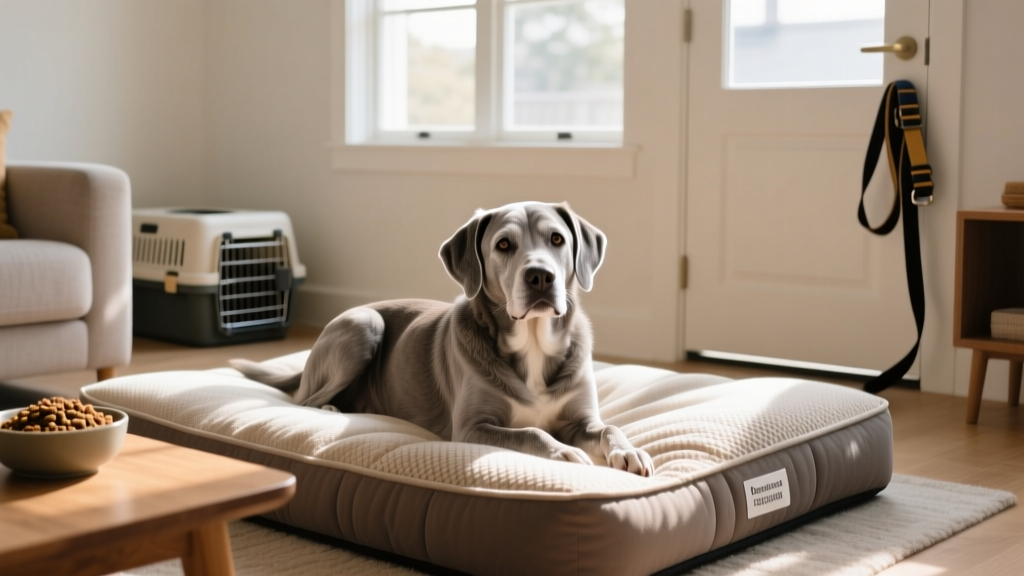
Princess Shelter Dog Sleepover Adoption: First-Year Cost...
Considering a princess shelter dog sleepover adoption? Here's a complete first-year cost breakdown, monthly budgets, insurance analysis, and...

What Is a Princess Shelter Dog Sleepover Adoption?
The term princess shelter dog sleepover adoption refers to a growing trend among shelters and rescues where prospective adopters take a shelter dog home for a one- to three-night trial period — sometimes marketed with playful names like "princess sleepover" or "slumber party" programs. These short-term foster-to-adopt experiences let you evaluate a dog's behavior in a home environment before committing to permanent adoption. Organizations like the ASPCA and local humane societies have embraced sleepover programs because they reduce kennel stress for dogs and lead to higher adoption success rates.
While the sleepover itself is often free or costs a nominal fee ($0–$50), the financial commitment of full adoption extends far beyond that first weekend. This guide breaks down every dollar you can expect to spend in the first year of dog ownership after bringing your shelter sleepover dog home for good.
How Much Does a Dog Cost in the First Year?
The first year of dog ownership is the most expensive. Between adoption fees, initial veterinary setup, supplies, and ongoing care, most owners spend between $1,800 and $5,500+ depending on dog size, location, and health status. Here's a consolidated summary before we break it all down:
| Category | Low Estimate | Medium Estimate | High Estimate |
|---|---|---|---|
| Adoption/Purchase | $50 | $200 | $3,000+ |
| Initial Vet Setup | $200 | $450 | $800 |
| Supplies & Gear | $150 | $350 | $700 |
| Monthly Recurring (×12) | $720 | $1,800 | $3,600 |
| Annual Vet & License | $150 | $350 | $600 |
| Training | $0 | $200 | $800 |
| TOTAL FIRST YEAR | $1,270 | $3,350 | $9,500+ |
Initial Costs Breakdown: Adoption, Vet Visits, and Supplies
When you complete a shelter sleepover and decide to adopt, here's what you'll pay upfront:
Adoption Fee: $50–$350
Most shelters bundle critical veterinary services into the adoption fee. A typical shelter adoption package includes:
- Spay or neuter surgery (value: $200–$600 at a private clinic)
- Core vaccines — DHPP and rabies (value: $50–$100)
- Microchip implantation and registration (value: $45–$75)
- Deworming and flea/tick treatment (value: $20–$50)
- Heartworm test for dogs over 6 months (value: $35–$60)
This bundled value is one of the strongest financial arguments for shelter adoption over purchasing from a breeder, where you'd pay the purchase price plus all of these veterinary services separately.
First Vet Visit: $80–$250
Schedule a wellness exam within 72 hours of adoption — many shelters require it to maintain their health guarantee. Expect:
- Comprehensive physical exam: $55–$95
- Fecal parasite panel: $35–$65
- Heartworm test (if not done at shelter): $35–$60
- Additional vaccines (bordetella, leptospirosis): $25–$45 each
- Blood work panel (recommended for dogs over 5 years): $80–$200
Essential Supplies: $150–$700
Here's a realistic shopping list with 2026 price ranges:
| Item | Budget | Mid-Range | Premium |
|---|---|---|---|
| Crate (wire or plastic) | $35 | $65 | $150 |
| Collar + leash set | $12 | $30 | $75 |
| Food & water bowls | $8 | $20 | $45 |
| Dog bed | $20 | $50 | $130 |
| Harness (front-clip recommended) | $15 | $35 | $65 |
| ID tags | $6 | $12 | $25 |
| Poop bags (bulk, 6-month supply) | $10 | $15 | $25 |
| Enzymatic cleaner (accidents) | $8 | $15 | $25 |
| Chew toys (3–5 durable options) | $15 | $40 | $80 |
| Baby gates (if needed) | $25 | $50 | $90 |
What Are the Ongoing Monthly Costs of a Dog?
After the initial setup, your monthly recurring expenses will stabilize. Here's a realistic monthly budget worksheet:
Monthly Budget Worksheet (2026)
| Expense | Small Dog (under 20 lb) | Medium Dog (20–60 lb) | Large/Giant Dog (60+ lb) |
|---|---|---|---|
| Food (AAFCO-complete kibble or balanced diet) | $25–$45 | $40–$80 | $60–$150 |
| Treats & chews | $10–$20 | $15–$30 | $20–$40 |
| Flea/tick prevention | $15–$25 | $18–$30 | $22–$40 |
| Heartworm prevention | $8–$15 | $10–$18 | $12–$22 |
| Pet insurance | $25–$55 | $35–$75 | $50–$120 |
| Grooming (if applicable) | $0–$50 | $0–$65 | $0–$80 |
| MONTHLY TOTAL | $83–$210 | $118–$298 | $164–$452 |
These ranges reflect significant variation. A 10 lb Chihuahua mix eating a standard kibble diet with no professional grooming needs sits at the low end. A 90 lb German Shepherd on a premium diet with monthly flea/tick medication and pet insurance lands at the high end.
Annual Costs: Vet Checkups, Training, and Boarding
Beyond monthly expenses, budget for these annual line items:
Annual Veterinary Care: $150–$600
- Annual wellness exam: $55–$95
- Vaccine boosters: DHPP and rabies (every 1–3 years depending on vaccine type and local law): $30–$60 per visit year
- Heartworm test: $35–$60 (required annually, even for dogs on prevention)
- Dental cleaning: $300–$800 (often needed every 1–3 years; small breeds typically need them more frequently due to dental crowding)
- Fecal exam: $35–$55
Dog License: $10–$75
Most US municipalities require annual dog licensing. Fees vary widely — some cities charge $10 for altered dogs and $75+ for intact dogs. Check your county's animal control website for exact fees.
Training: $0–$800
- DIY positive reinforcement training using resources like Karen Pryor's clicker training methods: $0–$30 (clicker + treat pouch)
- Group classes (6–8 week sessions): $120–$250 per session
- Private trainer sessions: $75–$150 per hour
- Board-and-train programs: $1,000–$3,000 (2–4 weeks) — typically only needed for significant behavioral issues
Always choose trainers who use positive reinforcement and force-free methods. Avoid any trainer recommending shock collars, prong collars, or alpha rolls — these aversive techniques are condemned by the American Veterinary Society of Animal Behavior.
Boarding and Pet Sitting: $150–$1,200/year
If you travel, budget for:
- In-home pet sitting: $25–$75 per visit or $75–$150 per overnight
- Boarding kennel: $35–$75 per night
- Daycare (if used regularly): $25–$50 per day
Cost Variations by Breed Size: Toy vs. Giant
Dog size is the single largest cost variable. Here's how toy, medium, large, and giant breeds compare across major expense categories:
| Expense | Toy (under 15 lb) | Medium (30–55 lb) | Large (60–90 lb) | Giant (100+ lb) |
|---|---|---|---|---|
| Annual food | $240–$480 | $480–$720 | $720–$1,200 | $1,080–$1,800 |
| Preventive meds (HW + flea/tick) | $240–$420 | $300–$500 | $360–$600 | $400–$700 |
| Medication dosages (antibiotics, pain meds) | Lower | Moderate | Higher | Highest |
| Surgery/anesthesia costs | Lower | Moderate | Higher | Highest (2–3× toy) |
| Pet insurance premiums | $300–$660 | $420–$900 | $600–$1,440 | $720–$1,800 |
| Estimated Annual Total (excluding emergencies) | $1,000–$2,000 | $1,500–$3,000 | $2,000–$4,000 | $2,500–$5,500 |
Which Dog Breeds Cost the Most and Least to Own?
Least expensive breeds tend to be small, healthy, low-grooming mixed breeds — think Chihuahua mixes, Dachshund mixes, and small terrier types adopted from shelters. Their food bills are minimal, medication doses are small, and shelter adoption fees are low.
Most expensive breeds include giant breeds (Great Danes, Saint Bernards, Irish Wolfhounds) due to massive food costs and breed-specific health issues like dilated cardiomyopathy and hip dysplasia. Brachycephalic breeds (French Bulldogs, English Bulldogs) also rank high due to frequent respiratory surgeries, skin fold infections, and allergy management — often costing $4,000–$8,000+ annually in veterinary care alone.
Is Pet Insurance Worth It? A 2026 Analysis
Pet insurance is one of the most debated expenses among dog owners. Here's an honest breakdown to help you decide:
| Feature | Accident-Only | Accident + Illness | Comprehensive (with wellness) |
|---|---|---|---|
| Monthly premium (medium dog) | $12–$25 | $35–$75 | $55–$120 |
| Annual deductible | $100–$250 | $200–$500 | $200–$500 |
| Reimbursement rate | 70–90% | 70–90% | 70–90% |
| Annual maximum payout | $5,000–$15,000 | $5,000–unlimited | $5,000–unlimited |
| Covers routine care? | No | No | Yes (add-on) |
| Pre-existing conditions? | No | No | No |
When Insurance Pays Off
Pet insurance is most valuable when your dog faces an unexpected major expense. Common claims that justify insurance:
- Emergency foreign body surgery: $3,000–$7,000
- Cancer treatment (chemotherapy or surgery): $5,000–$15,000+
- ACL/CCL tear repair: $2,500–$5,000 per knee
- Emergency bloat (GDV) surgery: $3,000–$7,000
- IVDD surgery (dachshunds, French Bulldogs): $5,000–$10,000
When Insurance May Not Be Worth It
If you can comfortably self-insure — meaning you have $5,000–$10,000 set aside specifically for pet emergencies — and your dog is a healthy mixed breed with no genetic predispositions, you may come out ahead financially by skipping insurance and investing those premium dollars. However, this strategy only works if you actually maintain the savings and resist using it for non-pet expenses.
How Much Should I Budget for Emergencies?
Every dog owner needs an emergency fund. Even with pet insurance, you'll pay the vet bill upfront and wait for reimbursement (typically 5–14 business days). Here's a realistic emergency fund calculator:
Emergency Fund Calculator
| Scenario | Typical Cost Range |
|---|---|
| After-hours urgent care visit | $150–$500 |
| Toxin ingestion (treatment, not just call) | $500–$3,000 |
| Emergency surgery (foreign body, GDV) | $3,000–$7,000 |
| Emergency hospitalization (2–3 days) | $2,000–$6,000 |
| Severe trauma (hit by car) | $3,000–$10,000+ |
Recommended emergency fund: $2,000–$5,000 minimum. If you carry pet insurance with a high reimbursement rate, $1,000–$2,000 may suffice as a bridge fund.
If your dog ingests something toxic, call ASPCA Animal Poison Control at (888) 426-4435 (24/7, consultation fee applies) or the Pet Poison Helpline at (855) 764-7661 immediately. Do not wait for symptoms to appear.
Hidden Costs New Owners Miss
Beyond the obvious expenses, new dog owners are frequently surprised by these costs:
Home Damage and Repairs: $100–$2,000+
Puppies and anxious adult dogs can destroy baseboards, door frames, carpets, shoes, and furniture. Shelter dogs adjusting to a new home are particularly prone to stress-related chewing and scratching during the first 3–6 months.
Dog Walking Services: $15–$30 per walk
If you work long hours, you may need a midday dog walker. At $20/walk × 5 days/week × 52 weeks, that's $5,200/year. Even twice-weekly walks add up to $2,080/year.
Replacement Supplies: $50–$200/year
Dog beds get chewed. Leashes fray. Bowls crack. Toys are destroyed. Budget for annual replacement of worn items.
Yard Fencing: $500–$5,000+
If your new shelter dog is an escape artist, you may need to install or repair fencing. A simple 100-foot chain-link fence runs $1,500–$3,000 installed. Electronic/invisible fencing costs $300–$800 but is not suitable for dogs with high prey drive or anxiety.
Travel Adjustments: Variable
You may need to pay for pet-friendly hotel surcharges ($25–$75/night), airline pet fees ($95–$200 each way for cabin, $200–$500 for cargo), or adjust vacation plans entirely.
Increased Rent or Pet Deposits: $200–$600
Many landlords charge non-refundable pet deposits ($200–$500) and monthly pet rent ($25–$75). Over a year, pet rent alone can add $300–$900.
Money-Saving Strategies Without Compromising Care
Cutting costs should never mean cutting corners on your dog's health. Here are strategies that genuinely save money while maintaining quality care:
- Shelter adoption over breeder purchase. As discussed, the bundled veterinary services in a shelter adoption fee save $400–$800 immediately. A shelter sleepover lets you test compatibility before committing.
- Buy preventive medications through reputable online pharmacies. Sites like Chewy Pharmacy and 1-800-PetMeds often offer heartworm preventives (Heartgard Plus, Interceptor Plus) and flea/tick products (NexGard, Bravecto) at 15–30% below clinic prices. Always verify the pharmacy is FDA-approved and requires a prescription.
- Use low-cost vaccine clinics. Many shelters and pet supply stores host vaccine clinics where core vaccines cost $15–$25 each versus $30–$50 at a private practice. Reserve your regular vet for wellness exams and diagnostics.
- Choose AAFCO-complete mid-range food. A $45/bag mid-tier kibble that meets AAFCO nutritional standards is nutritionally adequate. Premium $80/bag boutique diets rarely offer proportional health benefits. Look for the AAFCO statement of nutritional adequacy on the label.
- Invest in training early. Spending $150–$250 on a 6-week positive reinforcement group class prevents costly behavioral issues later. Dogs surrendered to shelters for behavioral problems often trace back to unaddressed training gaps in the first 6 months.
- Maintain dental hygiene at home. Daily tooth brushing with a veterinary enzymatic toothpaste ($8–$12) can delay professional dental cleanings by 1–2 years, saving $300–$800 per cleaning. Dental disease affects over 80% of dogs by age 3, according to the AVMA.
- Spay/neuter early. If your shelter didn't already perform the surgery, doing it before your dog's first heat eliminates the risk of unplanned litters (which can cost $2,000–$5,000 in emergency C-sections) and reduces the risk of reproductive cancers and pyometra (a life-threatening uterine infection requiring $1,500–$3,500 emergency surgery).
- DIY enrichment. Puzzle feeders, snuffle mats, and frozen Kong toys can be made at home for a fraction of retail prices. Mental enrichment reduces destructive behavior, which saves money on home repairs.
Regional Cost Variations: Urban vs. Rural
Where you live significantly impacts your dog ownership costs:
| Expense Category | Rural/Low COL Area | Suburban/Mid COL | Urban/High COL (NYC, SF, Seattle) |
|---|---|---|---|
| Annual wellness exam | $45–$65 | $60–$95 | $85–$150 |
| Emergency vet visit | $100–$250 | $150–$400 | $250–$600 |
| Dog walking (per walk) | $10–$15 | $18–$25 | $25–$40 |
| Boarding (per night) | $25–$40 | $40–$60 | $60–$100 |
| Grooming (full service) | $35–$50 | $50–$75 | $75–$150 |
| Pet insurance premium | Lower (ZIP-dependent) | Moderate | 20–40% higher |
Urban dog owners typically spend 30–50% more annually than rural dog owners for equivalent care. However, rural owners may face longer drives to emergency veterinary facilities, which can be critical during time-sensitive emergencies like GDV (bloat) or toxin ingestion.
First-Year Timeline: When Costs Hit
Understanding when expenses occur helps with cash flow planning:
First-Year Cost Timeline
- Week 1 (Adoption Day): Adoption fee ($50–$350) + initial supply shopping ($150–$700) = $200–$1,050 upfront
- Week 1–2: First vet wellness exam ($80–$250) + pet insurance enrollment ($35–$120 first month)
- Month 1–3: Training classes begin ($120–$250) + monthly supplies start recurring ($83–$452/month)
- Month 3–6: Vaccine boosters if needed ($25–$60) + potential dental assessment
- Month 6–12: Annual license due ($10–$75) + replacement supplies ($50–$100) + possible grooming needs
- Month 12: Annual wellness exam ($55–$95) + heartworm test ($35–$60)
Frequently Asked Questions
How much does it cost to own a dog over its lifetime?
The average dog lives 10–13 years (varies by breed and size). At $1,500–$4,000 per year in ongoing costs, lifetime ownership typically ranges from $15,000 to $52,000+. Giant breeds with shorter lifespans (7–9 years) may cost less in total years but more per year. Small breeds living 15+ years accumulate lower annual costs but over a longer period.
Is the shelter sleepover adoption fee refundable if it doesn't work out?
Most shelters have a trial period (7–30 days) during which you can return the dog for a full or partial refund of the adoption fee. However, any veterinary expenses you incur during the trial are typically non-refundable. This is why the sleepover model is valuable — you evaluate compatibility before paying the full adoption fee.
Can I skip pet insurance if I have an emergency fund?
You can, but the math depends on your risk tolerance. A $5,000 emergency fund covers most single incidents but would be depleted by a major cancer diagnosis or multiple emergencies in one year. Insurance with unlimited annual payouts provides protection against catastrophic costs. Consider insurance as a hedge against worst-case scenarios rather than a way to save money on routine care.
What if I can't afford a veterinary emergency?
Several options exist: CareCredit (a healthcare credit card with 0% introductory APR), Scratchpay (payment plans for vet bills), and local veterinary charitable organizations. Some veterinary teaching hospitals offer reduced-cost care. However, relying on these options is stressful — building an emergency fund before you need it is far preferable.
Do mixed-breed shelter dogs cost less in veterinary care than purebreds?
Generally, yes. Mixed-breed dogs often benefit from hybrid vigor — greater genetic diversity that reduces the risk of inherited conditions like hip dysplasia, degenerative myelopathy, and breed-specific cancers. However, this is not guaranteed. Individual mixed-breed dogs can still develop costly chronic conditions. The Merck Veterinary Manual notes that while crossbreeds may have lower rates of certain genetic diseases, they are equally susceptible to acquired conditions like dental disease, obesity, and arthritis.
Robin Maitland
All our authors care for dogs every day — read more of their work on the authors page.