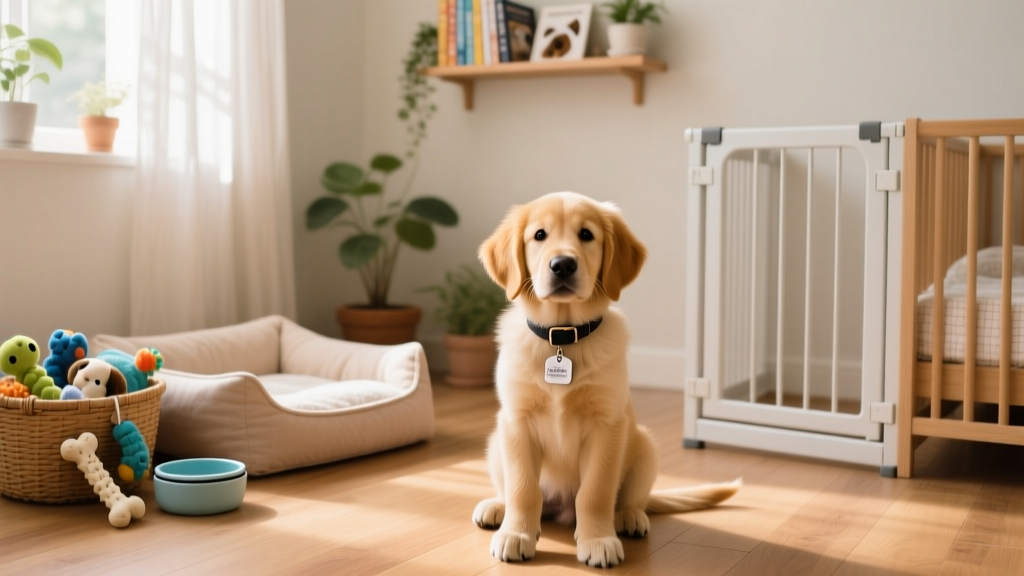
New Rescue Dog: First Week Essentials
Help your rescue dog settle in during the critical first week. Learn the 3-3-3 rule, daily routines, and trust-building tips for anxious dogs.

The First Week Sets the Tone
Bringing a rescue dog home is exciting, but the first seven days are critical for their adjustment. Your new companion has left behind everything familiar — their shelter routine, cage mates, and known environment. How you handle this transition week shapes the foundation of your relationship for months to come.
Understanding the 3-3-3 Adjustment Timeline
Rescue professionals use the 3-3-3 rule to set expectations for newly adopted dogs. In the first three days, your dog will likely feel overwhelmed and may hide, refuse food, or test boundaries. Around week three, they begin settling into a routine and showing their real personality. By three months, most rescue dogs feel fully at home and have built trust with their new family.
What to Expect Each Day
Days one and two focus on safety and observation. Let your dog explore one room at a time and resist the urge to introduce them to every family member at once. Days three through five often bring the first signs of comfort — relaxed body posture, tail wags, or playful behaviour. By the end of the week, most dogs have identified their favourite sleeping spot and started approaching you for attention.
Setting Up Before They Arrive
Preparation makes a huge difference. Choose a quiet room as your dog's base camp, complete with a comfortable bed, fresh water, and a few durable toys. Remove electrical cords, toxic plants, and anything valuable from floor level. If you have other pets, keep them separated initially and plan gradual, scent-based introductions over several days.
Feeding and Potty Schedule
Ask the shelter what food your dog has been eating and continue with the same brand for at least the first week. Sudden diet changes combined with the stress of relocation can cause digestive upset. Feed two measured meals per day at consistent times.
Take your dog outside every two to three hours, especially after eating, drinking, or waking from a nap. Use the same door and same spot each time. Praise calmly when they eliminate outdoors — avoid loud celebrations that might startle a nervous dog. Indoor accidents are normal in the first week; clean them thoroughly with an enzymatic cleaner to remove scent markers.
Building Trust Without Pressure
The biggest mistake new rescue owners make is overwhelming their dog with attention. Sit on the floor near your dog rather than leaning over them. Offer treats from an open palm instead of reaching toward their head. Speak in a soft, steady voice and avoid direct eye contact, which many dogs perceive as threatening.
If your dog retreats to their bed or under furniture, respect that boundary. They will come out when they are ready. Forcing interaction prolongs the adjustment period and can damage trust before it forms.
Common First-Week Mistakes to Avoid
- Too many visitors: Each new person resets the adjustment clock. Limit guests for the first two weeks.
- Skipping the vet: Schedule a wellness check within the first week to establish care and discuss any shelter health notes.
- Changing everything at once: Keep food, routine, and sleeping arrangements consistent before making any changes.
- Punishing accidents: Your dog does not know the rules yet. Positive reinforcement works far better than scolding.
- Off-leash freedom too soon: Keep your rescue on a leash or in a secure area until you understand their recall behaviour.
When to Seek Professional Help
Most first-week challenges resolve naturally with patience and routine. Contact your vet or a certified behaviourist if your dog refuses water for more than 24 hours, shows signs of aggression such as growling or snapping, or displays extreme fear responses like uncontrollable shaking or self-harm. Early intervention prevents these issues from becoming entrenched patterns.
Your First Week Checklist
- Prepare a quiet base room with bed, water, and toys
- Maintain the shelter's feeding schedule and food brand
- Establish a consistent potty routine from day one
- Limit visitors and keep the household calm
- Schedule a veterinary wellness check
- Observe behaviour without forcing interaction
- Begin gentle training with sit and come commands using treats
Oliver Marsh
All our authors care for dogs every day — read more of their work on the authors page.