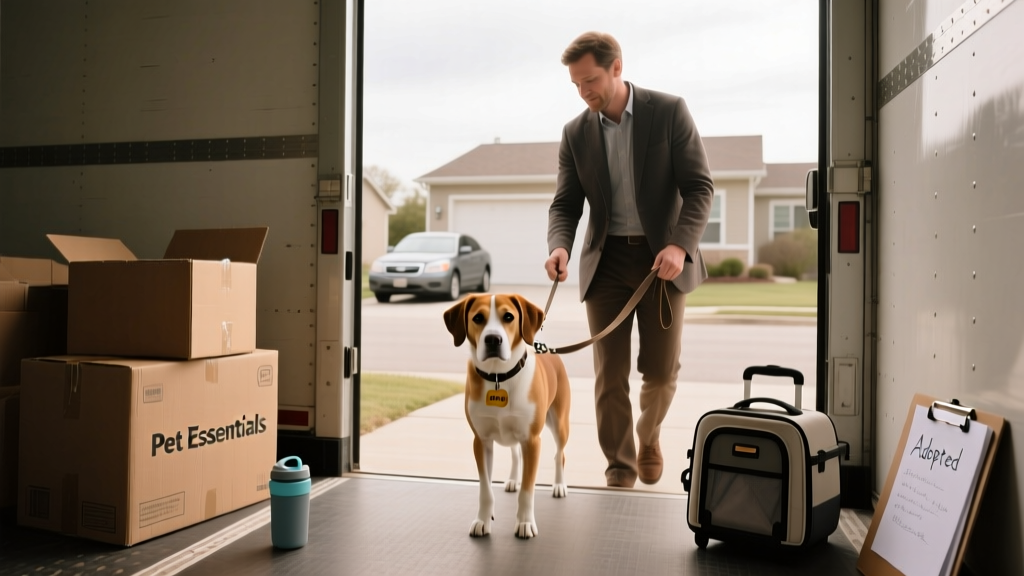
The Marmie Rescue Dog Story: Real First-Year Ownership...
Follow the Marmie rescue dog story and discover real first-year dog ownership costs, monthly budgets, insurance analysis, and money-saving strategies...

Meet Marmie: A Rescue Dog Story That Changed Everything
When Sarah pulled into the parking lot of Paws & Hearts Rescue in rural Ohio on a cold February morning in 2025, she had $400 in her checking account earmarked for "dog stuff." She left with Marmie — a 3-year-old terrier mix with one floppy ear, a history of neglect, and a heartworm-positive test result that would reshape her entire understanding of what dog ownership actually costs.
The Marmie rescue dog story isn't unusual. According to the ASPCA, approximately 3.1 million dogs enter shelters each year, and roughly 2 million are adopted. What is unusual is how transparently Sarah documented every dollar she spent during Marmie's first year — from the $65 adoption fee to the $1,847 heartworm treatment to the surprise $320 emergency visit when Marmie swallowed a sock.
This article follows Marmie's real first-year journey to answer the question every prospective dog owner asks: How much does it actually cost to own a dog? We'll break down initial costs, monthly expenses, hidden fees, insurance decisions, and emergency planning — all grounded in real numbers from a real rescue story.
Total First-Year Cost Summary: What Marmie's Year Actually Cost
Before we break down each category, here's the complete picture. Sarah tracked every expense in a spreadsheet. Below, we've mapped her actual spending against national low, medium, and high estimates compiled from AVMA pet care cost data and 2025–2026 industry surveys.
| Category | Low Estimate | Medium Estimate | High Estimate | Marmie's Actual |
|---|---|---|---|---|
| Adoption/Purchase | $50–$200 | $300–$800 | $1,500–$4,000 | $65 |
| Initial Vet & Medical | $200–$400 | $500–$900 | $1,200–$3,000 | $2,412 |
| Supplies & Gear | $150–$250 | $300–$500 | $600–$1,200 | $387 |
| Food & Treats (annual) | $240–$480 | $480–$840 | $960–$1,800 | $528 |
| Preventive Medications | $120–$240 | $240–$480 | $480–$720 | $312 |
| Insurance (annual) | $0 | $480–$720 | $840–$1,440 | $672 |
| Training & Socialization | $0–$50 | $150–$400 | $600–$1,500 | $280 |
| Grooming | $0–$60 | $240–$480 | $600–$1,200 | $0 |
| Emergency/Unplanned Vet | $0 | $200–$600 | $1,000–$5,000+ | $320 |
| License & Misc | $15–$50 | $50–$150 | $150–$400 | $35 |
| TOTAL FIRST YEAR | $775–$1,530 | $2,940–$5,870 | $7,930–$20,260 | $5,011 |
Marmie's first year cost $5,011 — squarely in the medium range, but heavily skewed by the heartworm treatment ($1,847 including diagnostics, immiticide injections, and follow-up X-rays) that most adopted dogs won't need.
Initial Costs Breakdown: The First 30 Days With a New Dog
The first month is always the most expensive. Here's exactly what Sarah spent in Marmie's first 30 days, itemized with national averages for comparison.
Adoption Fee vs. Purchase Price
Marmie's adoption fee was $65, which included her initial DHPP vaccine, a microchip, and a basic wellness exam by the rescue's partner vet. This is typical for municipal shelters and smaller rescues. Larger breed-specific rescues often charge $250–$500 because they invest more in pre-adoption medical care, behavioral evaluation, and foster socialization.
For comparison, purchasing a puppy from a responsible AKC-registered breeder typically costs $1,500–$4,000 for popular breeds. Rare or show-quality dogs can exceed $8,000. The AKC's responsible breeder guidelines emphasize health testing (OFA hips, cardiac clearance, genetic panels) that legitimate breeders invest $2,000–$5,000 per litter into — costs reflected in puppy pricing.
First Vet Visit: What to Expect and Budget
Sarah took Marmie to her personal veterinarian within 72 hours of adoption — a critical step many new owners skip. That first visit cost $185 and included:
- Comprehensive physical examination ($65–$95)
- Fecal parasite panel ($45–$65)
- Heartworm antigen test ($35–$55)
- 4Dx SNAP test (heartworm + tick-borne diseases) ($55–$75)
- DHPP booster vaccine ($25–$35)
- Rabies vaccine ($20–$30, if not already given)
- Bordetella vaccine ($25–$35, recommended for dogs who'll attend training classes)
Marmie's heartworm test came back positive, triggering a treatment protocol that would dominate her first-year medical costs. The American Heartworm Society recommends the melarsomine (Immiticide) protocol: two months of doxycycline and prednisone pretreatment, followed by three deep intramuscular injections over one month, plus strict exercise restriction throughout. Total cost: $1,200–$2,500 depending on dog size and regional vet pricing.
Spay/Neuter Costs
Marmie was already spayed before adoption — included in her $65 fee. For dogs adopted intact, spay/neuter costs range widely:
- Low-cost clinic (spay/neuter): $50–$150
- Private practice spay (female): $250–$600
- Private practice neuter (male): $150–$400
- Giant breed or complicated cases: $500–$1,000+
Microchip and Registration
Marmie was already microchipped, but Sarah still needed to pay $19 to transfer the registration to her name through the chip manufacturer's database. If your dog isn't chipped, expect to pay $35–$60 for implantation plus $0–$20 for lifetime registry enrollment (some brands like HomeAgain charge annual fees; others like AKC Reunite offer lifetime plans for a one-time fee).
Essential Supplies: The Real Shopping List
Here's what Sarah actually bought in month one, with prices reflecting 2025–2026 retail averages:
| Item | Budget Option | Mid-Range | Premium |
|---|---|---|---|
| Crate (wire or plastic, size-appropriate) | $35–$55 | $60–$95 | $120–$200 |
| Bed (washable, chew-resistant) | $20–$35 | $40–$75 | $90–$180 |
| Leash + Harness (front-clip recommended) | $15–$25 | $30–$55 | $60–$110 |
| Food & water bowls (stainless steel) | $8–$15 | $15–$30 | $35–$60 |
| Collar + ID tags | $8–$15 | $15–$30 | $30–$55 |
| Chew toys + puzzle feeders (3–5 items) | $15–$30 | $30–$60 | $60–$120 |
| Poop bags + holder | $8–$12 | $12–$20 | $20–$35 |
| Enzymatic cleaner (for accidents) | $8–$12 | $12–$20 | $20–$35 |
| Grooming basics (brush, nail clippers, shampoo) | $15–$25 | $30–$55 | $60–$120 |
| Baby gates / exercise pen (if needed) | $25–$40 | $45–$80 | $90–$160 |
| TOTAL SUPPLIES | $157–$264 | $299–$520 | $585–$1,075 |
Sarah spent $387 on supplies, buying mostly mid-range items with a few budget picks (she got Marmie's crate secondhand from a neighbor for $15 — a smart money-saving move).
Ongoing Monthly Costs: What You'll Spend Every Month
After the initial setup, dog ownership settles into a predictable monthly rhythm. Here's Marmie's typical monthly budget as a 28-pound terrier mix living in suburban Ohio:
Marmie's Monthly Budget Worksheet
| Food (high-quality kibble, ~$45/bag lasting 5 weeks) | $36 |
| Treats (training treats + dental chews) | $14 |
| Heartworm preventive (Heartgard Plus, by weight) | $12 |
| Flea/tick preventive (NexGard) | $22 |
| Pet insurance (Lemonade, accident + illness, $250 deductible) | $56 |
| Toys / enrichment (rotating puzzle toys, occasional new chew) | $10 |
| Poop bags, grooming wipes, misc consumables | $6 |
| MONTHLY TOTAL | $156 |
Annualized: $1,872/year in ongoing costs (excluding annual vet visits, license, and emergencies)
These numbers scale significantly by dog size. A 150-pound Great Dane will eat three to four times what Marmie eats, and preventive medications are priced by weight tier — a giant-breed heartworm preventive can cost $25–$35/month versus Marmie's $12.
How Breed Size Affects Total Ownership Costs
One of the biggest budgeting mistakes new owners make is underestimating how dramatically dog size affects costs. Here's a side-by-side comparison across four size categories:
| Expense Category | Toy (5–12 lb) | Medium (25–50 lb) | Large (60–90 lb) | Giant (100–180 lb) |
|---|---|---|---|---|
| Annual food | $180–$300 | $360–$600 | $540–$900 | $840–$1,440 |
| Preventive meds (HW + flea/tick) | $180–$280 | $300–$450 | $380–$560 | $480–$720 |
| Insurance (accident + illness) | $360–$600 | $480–$780 | $540–$900 | $720–$1,200 |
| Grooming (if professional) | $300–$600 | $360–$720 | $480–$960 | $600–$1,200 |
| Spay/neuter (one-time) | $150–$350 | $250–$500 | $350–$650 | $500–$1,000 |
| Boarding/daycare (per day) | $30–$50 | $35–$60 | $40–$75 | $50–$90 |
| ESTIMATED ANNUAL TOTAL (ongoing) | $1,020–$1,780 | $1,500–$2,550 | $1,940–$3,320 | $2,640–$4,560 |
For context on breed-specific costs: toy breeds like Chihuahuas and Toy Poodles cost the least in food and medication but often have longer lifespans (14–18 years), meaning more total years of care. Giant breeds like Great Danes and Saint Bernards have steep monthly costs and shorter lifespans (7–10 years), but their veterinary bills tend to be concentrated in fewer, more expensive visits — particularly orthopedic issues like hip dysplasia and cardiac conditions.
Annual Costs: The Yearly Expenses You Can Plan For
Beyond monthly spending, several costs hit once or twice per year. Marmie's annual expenses included:
- Annual wellness exam: $65–$95 (many vets recommend twice-yearly for seniors)
- Vaccine boosters: DHPP and rabies boosters every 1–3 years depending on local law and vaccine type ($45–$85 per visit)
- Heartworm test: Annual 4Dx test recommended even with preventive use ($35–$55)
- Dental cleaning: Professional cleaning under anesthesia every 1–3 years ($300–$800; Marmie didn't need one in year one, but Sarah budgeted for year two)
- Dog license: $15–$35 annually in most US municipalities (often discounted for spayed/neutered dogs)
- Training classes: Sarah enrolled Marmie in a 6-week positive reinforcement group class at $140 — essential for a rescue dog with leash reactivity
Training: An Investment That Saves Money Long-Term
Marmie came from the rescue with significant leash reactivity — barking and lunging at other dogs on walks. Sarah chose force-free, positive reinforcement training using counter-conditioning and desensitization protocols. The 6-week group class cost $140, followed by two private sessions at $70 each ($280 total training investment).
This is where many new owners cut costs, but it's a false economy. Untreated behavioral issues are the leading cause of dog surrender to shelters. Investing $200–$500 in professional training during the first year can prevent thousands in property damage, liability claims, or re-homing costs later.
Pet Insurance Analysis: Is It Worth It for a Rescue Dog?
Sarah debated insurance for weeks before enrolling Marmie in a Lemonade accident-and-illness plan at $56/month with a $250 annual deductible and 80% reimbursement rate. Here's the framework she used — and the same one we recommend for evaluating whether pet insurance makes sense for your situation.
Insurance Comparison: Top Provider Structures (2026)
| Provider | Monthly Range (Medium Dog) | Deductible Options | Reimbursement | Pre-Existing Conditions |
|---|---|---|---|---|
| Trupanion | $50–$110 | $0–$1,000 | 50–90% | Excluded |
| Healthy Paws | $35–$80 | $100–$1,000 | 50–80% | Excluded |
| Lemonade | $25–$70 | $100–$500 | 70–90% | Excluded |
| Figo | $30–$85 | $100–$1,500 | 70–100% | Excluded (curable exception) |
| Embrace | $35–$90 | $200–$1,000 | 70–90% | Excluded (curable after 12 months) |
The Rescue Dog Insurance Dilemma
Here's what most insurance guides won't tell you: pre-existing conditions are universally excluded. Marmie's heartworm — diagnosed before her insurance waiting period ended — was never covered. That $1,847 treatment came entirely out of pocket.
However, Marmie's insurance did pay for $256 of her $320 emergency visit when she swallowed a sock eight months later (80% reimbursement after the deductible was met). And when she developed a skin infection in month ten, the $185 vet visit yielded a $124 reimbursement.
Sarah's total insurance spend: $672. Total reimbursements: $380. Net cost: $292. On paper, she lost money in year one. But insurance is risk management, not an investment — it protects against the $5,000 emergency surgery or $8,000 cancer treatment that could come in year three or year eight.
Emergency Fund: How Much Should You Set Aside?
Three months into Marmie's adoption, Sarah's friend's dog needed an emergency gastropexy (stomach tacking surgery for bloat) that cost $4,200 at the emergency clinic. That story prompted Sarah to open a dedicated pet emergency savings account.
Common Emergency Costs to Budget For
| Emergency Scenario | Typical Cost Range | Urgency Level |
|---|---|---|
| Foreign body ingestion (endoscopy) | $1,500–$3,500 | Immediate |
| Foreign body (surgical removal) | $3,000–$7,000 | Immediate |
| Toxin ingestion (treatment + hospitalization) | $1,000–$5,000 | Immediate |
| Hit by car (trauma, fractures) | $2,000–$10,000+ | Immediate |
| GDV / Bloat surgery | $3,000–$7,500 | Immediate |
| Emergency dental extraction | $500–$1,500 | Same-day |
| Severe allergic reaction | $300–$1,200 | Immediate |
| ACL/CCL tear repair (TPLO) | $3,500–$6,000 | Within 1–2 weeks |
Emergency Fund Recommendation
Minimum target: $2,000 for toy/small breeds, $3,000–$5,000 for medium/large breeds, $5,000–$8,000 for giant breeds.
Ideal target: Enough to cover your most likely worst-case scenario without credit. For most households, this means $5,000 in a dedicated high-yield savings account that you never touch for non-pet expenses.
If you can't build this fund immediately: Pet insurance or a veterinary financing option like CareCredit (a healthcare credit card with promotional 0% APR periods) can bridge the gap — but both come with costs and qualification requirements.
Hidden Costs New Dog Owners Consistently Miss
Sarah's spreadsheet revealed $847 in expenses she hadn't anticipated before adopting Marmie. These hidden costs catch nearly every first-time dog owner off guard:
The "Nobody Warned Me" Cost List
- Dog walking ($15–$30/walk): If you work 8+ hours outside the home, a midday walker isn't optional — it's a welfare necessity. Budget $300–$600/month if used daily.
- Daycare ($30–$55/day): For social dogs who struggle alone. Two days/week = $240–$440/month.
- Home damage: Marmie chewed through a $180 pair of running shoes and scratched a $350 door frame during her first month's separation anxiety phase. Sarah estimates $600 in total property damage in year one.
- Replacement supplies: Beds get destroyed, leashes fray, bowls crack. Budget 30–50% of your initial supply cost annually for replacements.
- Increased rent or pet deposits: Many rental properties charge $25–$75/month in pet rent plus $200–$500 non-refundable pet deposits. Over a 12-month lease, that's $500–$1,400.
- Travel complications: Pet-friendly hotels charge $25–$100/night in pet fees. Boarding runs $35–$75/night. Pet sitters charge $20–$40 per visit or $50–$90 for overnight stays.
- Yard and landscaping: Dogs destroy grass, dig under fences, and may require fence repairs or upgrades. Sarah spent $200 reinforcing her fence after Marmie discovered she could squeeze through a gap.
- Liability coverage increase: Some homeowner's or renter's insurance policies require additional liability coverage for dog owners ($50–$150/year), and some breeds face coverage exclusions entirely.
Regional Cost Variations: Where You Live Matters
Marmie's costs reflect suburban Ohio pricing. Dog ownership in Manhattan, San Francisco, or rural Mississippi looks very different. Here's how geography reshapes the budget:
| Cost Factor | Rural/Low COL Area | Suburban/Mid COL | Urban/High COL |
|---|---|---|---|
| Routine vet visit | $45–$65 | $65–$95 | $95–$175 |
| Emergency vet visit | $150–$400 | $300–$700 | $500–$1,500 |
| Dog walking (per walk) | $10–$15 | $15–$25 | $25–$45 |
| Boarding (per night) | $25–$40 | $40–$60 | $60–$100 |
| Grooming (full service) | $40–$65 | $60–$95 | $90–$160 |
| Training (6-week group class) | $80–$120 | $120–$200 | $200–$400 |
Urban dog owners should expect total first-year costs 30–60% higher than rural estimates. International comparisons are even more dramatic: veterinary care in the UK and Australia tends to be 10–20% less expensive than US pricing, while Nordic countries and parts of East Asia can be comparable or higher.
Money-Saving Strategies That Don't Compromise Care
Sarah found several ways to reduce Marmie's costs without cutting corners on health or welfare. These strategies are drawn from her experience and recommendations from veterinary professionals:
Smart Savings (Do These)
- Buy secondhand crates, gates, and beds from trusted sources
- Use Chewy or Amazon Subscribe & Save for 5–10% off recurring food/medication orders
- Ask your vet about 3-year rabies vaccines (where legally permitted) to reduce visit frequency
- Learn basic grooming (nail trimming, ear cleaning, brushing) at home
- Use positive reinforcement training with high-value food rewards you already buy (small pieces of boiled chicken work better than expensive training treats)
- Compare pharmacy prices — many vets will write prescriptions for medications you can fill at Costco, Walmart, or online pharmacies at 30–60% savings
- Invest in durable toys (Kong Classic, West Paw designs) that last months instead of cheap toys destroyed in days
- Look for low-cost vaccine clinics through local animal welfare organizations for routine boosters
False Economies (Don't Do These)
- Skipping heartworm preventive to save $10–$25/month (treatment costs $1,200–$2,500 and risks permanent heart/lung damage)
- Feeding the cheapest kibble available (low-quality food increases vet visits for GI issues, skin problems, and obesity)
- Delaying dental care until teeth are visibly damaged (preventive dental cleanings cost $300–$500; emergency extractions cost $500–$1,500+)
- Using aversive training tools (shock collars, prong collars) — these increase fear and aggression, creating behavioral problems that cost more to fix than positive reinforcement training
- Skipping pet insurance and not building an emergency fund (having neither means facing a $5,000 bill with no plan)
- Buying from backyard breeders or puppy mills to save on purchase price (health problems from poor breeding often cost thousands more in year one)
Which Dog Breeds Cost the Most and Least to Own?
If budget is a primary concern, breed choice matters enormously. Here's a breakdown based on typical health predispositions, size-related costs, grooming needs, and insurance premiums:
Least Expensive Breeds to Own (Annual Ongoing: $1,000–$2,000)
- Chihuahua: Minimal food costs, generally healthy, low grooming needs. Watch for dental issues and luxating patellas.
- Greyhound (retired racer): Surprisingly low-maintenance, short coat, minimal grooming. Adoption fees often $200–$400. Prone to dental disease and sensitivity to cold.
- Australian Cattle Dog: Hardy, medium-sized, few hereditary health problems. High exercise needs (which can reduce behavioral costs if met).
- Basenji: Small-to-medium, self-grooming, relatively healthy. Unique vocalizations may reduce barking-related complaints.
- Mixed-breed/mutt (medium-sized): Hybrid vigor may reduce hereditary disease risk. Often the most cost-effective choice, especially from shelters.
Most Expensive Breeds to Own (Annual Ongoing: $3,000–$6,000+)
- French Bulldog: Brachycephalic obstructive airway syndrome (BOAS), spinal issues, skin fold infections, frequent C-sections for breeding. Insurance premiums among the highest of any breed. Expect $500–$2,000+ in annual breed-specific medical costs.
- English Bulldog: Similar to French Bulldogs but larger — more food, higher medication costs, more severe orthopedic issues.
- Great Dane: Giant-breed food costs ($840–$1,440/year), high risk of GDV/bloat (prophylactic gastropexy recommended at $1,500–$3,000), cardiac disease, hip dysplasia.
- German Shepherd: Hip/elbow dysplasia, degenerative myelopathy, hemangiosarcoma predisposition. Insurance premiums reflect these risks.
- Bernese Mountain Dog: Cancer rates estimated at nearly 50% of the breed. Short lifespan (7–10 years) with expensive end-of-life care likely.
Consult your veterinarian when researching breed-specific health risks — they can provide personalized guidance based on your local area, lifestyle, and budget constraints.
Marmie's Year in Review: Lessons From a Rescue Dog's First Year
One year after that cold February morning, Sarah sat on her couch with Marmie curled at her feet — heartworm-negative (confirmed by follow-up testing), leash-reactivity reduced from "meltdown at 50 feet" to "mild glance at 10 feet," and fully integrated into the family.
Total investment: $5,011. Was it worth it? Sarah's answer was immediate: "Absolutely. But I wish someone had told me the real number before I committed, so I could have planned properly."
That's the core lesson of the Marmie rescue dog story: dog ownership costs aren't a barrier — they're a planning exercise. When you know the real numbers, you can budget, save, and make informed decisions about insurance, breed choice, and care levels. The owners who struggle aren't those who spend too much — they're those who didn't plan for what they'd actually need to spend.
Frequently Asked Questions
How much does it cost to own a dog per year?
After the first year, ongoing annual costs typically range from $1,200 to $4,500 depending on breed size, location, and care choices. This includes food ($180–$1,440), preventive medications ($180–$720), insurance ($360–$1,440), routine vet care ($150–$400), grooming ($0–$1,200), and miscellaneous expenses ($100–$400). Emergency and unplanned costs add $0–$3,000+ on top.
How much does a dog cost in the first year?
First-year costs range from $2,100 to $7,800 for most owners, with rescue dogs with pre-existing conditions often landing in the $3,500–$5,500 range. The first year is always the most expensive due to initial medical setup (vaccines, spay/neuter, microchip), supply purchases, and the higher likelihood of behavioral or medical surprises with a new dog.
What are the ongoing monthly costs of a dog?
Monthly costs typically range from $100 to $400 and include food ($20–$120), treats ($10–$30), preventive medications ($20–$50), insurance ($30–$120), and miscellaneous consumables ($10–$30). Add $300–$600/month if you need dog walking or daycare services.
Is pet insurance worth it for a rescue dog?
Pet insurance will not cover pre-existing conditions identified before or during the waiting period, which means many rescue dogs' known issues won't be covered. However, insurance protects against future unexpected illnesses and accidents. It's most worthwhile if you cannot comfortably absorb a $3,000–$8,000 emergency bill and if the dog is young enough that future conditions are likely to develop after coverage begins.
How much should I budget for dog emergencies?
Target $2,000–$5,000 in a dedicated savings account, scaled to your dog's size and breed risk factors. Giant breeds and breeds predisposed to emergency conditions (bloat, cardiac events) should aim for the higher end. If you carry pet insurance with a low deductible, a $2,000 emergency fund to cover the deductible and non-covered expenses is typically sufficient.
Which dog breeds cost the most to own?
French Bulldogs, English Bulldogs, Great Danes, German Shepherds, and Bernese Mountain Dogs consistently rank as the most expensive breeds due to high rates of hereditary conditions requiring ongoing veterinary care, expensive preventive surgeries, and elevated insurance premiums. The least expensive breeds include Chihuahuas, Greyhounds, Australian Cattle Dogs, and medium-sized mixed breeds.
Beth Carrasco
All our authors care for dogs every day — read more of their work on the authors page.