Great Pyrenees Dog Price & First-Year Ownership Cost Guide
What's the real Great Pyrenees dog price and first-year cost? We break down purchase, vet, food, insurance, and hidden expenses for giant breeds.

Great Pyrenees Dog Price: What You'll Actually Pay in 2026
If you've fallen for the calm, majestic look of a Great Pyrenees, you're not alone. These gentle giants have surged in popularity, and the Great Pyrenees dog price reflects both their size and their dedicated breeding community. But the purchase price is just the beginning. As someone who has counseled dozens of families through giant-breed ownership, I can tell you that a 100-pound dog eats, medicates, and requires veterinary care at a scale that surprises most first-time owners.
This guide breaks down every dollar you'll spend in year one — and beyond — using real 2026 pricing from breeders, veterinary clinics, and pet insurers across the United States. Whether you're comparing a Great Pyrenees puppy to adoption or weighing pet insurance options, you'll find exact numbers here, not vague estimates.
Initial Purchase & Adoption Costs
The upfront cost of acquiring a Great Pyrenees varies dramatically depending on your source. Here's what the market looks like right now:
| Source | Price Range | What's Typically Included |
|---|---|---|
| Reputable AKC Breeder | $1,500 – $3,500 | Health testing (OFA hips, elbows), first vaccines, dewclaw removal, microchip, health guarantee, take-back clause |
| Show/Breeding Prospect | $3,000 – $5,000+ | All of the above plus breeding rights, champion pedigree, extended health guarantees |
| Breed-Specific Rescue | $300 – $600 | Spay/neuter, vaccines, microchip, basic vet screening, behavioral assessment |
| General Shelter/Humane Society | $50 – $250 | Spay/neuter, initial vaccines, microchip (availability varies — Pyr mixes are uncommon in general shelters) |
The AKC Great Pyrenees breed standard describes a dog standing 25–32 inches at the shoulder and weighing 85–120+ pounds. Responsible breeders listed on the Great Pyrenees Club of America typically perform OFA hip and elbow evaluations, cardiac exams, and patella checks before breeding. These health tests cost breeders $500–$800 per breeding pair, which is reflected in puppy pricing.
First-Year Veterinary Costs for a Giant Breed
Giant breeds like the Great Pyrenees require the same core veterinary protocol as smaller dogs, but dosages — and therefore costs — scale with body weight. A 90-pound Pyr puppy receiving heartworm prevention costs roughly 2–3× what a 20-pound dog pays for the same medication.
| Veterinary Service | Low Estimate | Medium Estimate | High Estimate | Notes |
|---|---|---|---|---|
| Initial Wellness Exam | $65 | $100 | $175 | First visit within 72 hours of bringing puppy home |
| DHPP Vaccine Series (3 rounds) | $90 | $135 | $210 | Given at 8, 12, and 16 weeks |
| Rabies Vaccine | $25 | $40 | $65 | Required by law; given at 12–16 weeks |
| Bordetella Vaccine | $30 | $45 | $70 | Recommended if attending puppy classes or daycare |
| Spay/Neuter (giant breed) | $400 | $700 | $1,200 | Giant breeds often delayed to 12–18 months per AVMA orthopedic guidelines; higher anesthesia cost due to body weight |
| Microchip + Registration | $35 | $50 | $75 | Often included by reputable breeders |
| Fecal Exam & Deworming | $45 | $75 | $120 | 2–3 rounds typical for puppies |
| Heartworm Test | $35 | $50 | $75 | Annual; first test at 7 months |
| Vet Subtotal | $725 | $1,195 | $1,990 |
Always consult your veterinarian for a personalized preventive care schedule. Giant-breed puppies have unique growth plate considerations — the Merck Veterinary Manual notes that large and giant breeds mature skeletally later than small breeds, which affects spay/neuter timing and nutritional requirements.
Food, Treats & Preventive Medications: Monthly Costs
This is where owning a Great Pyrenees diverges sharply from owning a mid-size breed. An adult Pyr eating 4–6 cups of high-quality kibble daily will go through a 30-pound bag in roughly two weeks.
| Monthly Expense | Low | Medium | High | Details |
|---|---|---|---|---|
| Food (giant breed adult) | $80 | $140 | $250 | Low: budget AAFCO-approved kibble ($40/30lb bag). Medium: premium brands like Purina Pro Plan Large Breed ($65/30lb). High: fresh/raw diets (The Farmer's Dog, Nom Nom) at $8–12/day |
| Treats | $15 | $30 | $60 | Training treats, dental chews, enrichment stuffables (Kong, West Paw Toppl) |
| Heartworm Prevention | $18 | $28 | $42 | Heartgard Plus, Interceptor Plus, or Simparica Trio — dosed by weight (51–100 lb bracket for most Pyrs) |
| Flea & Tick Prevention | $15 | $25 | $40 | NexGard, Bravecto, or Frontline Plus — large dog dosing |
| Pet Insurance | $50 | $85 | $150 | See insurance comparison below |
| Monthly Subtotal | $178 | $308 | $542 |
Supplies & Gear: One-Time and Replacement Costs
Giant breeds require oversized everything. That cute medium-sized crate from your last dog won't work — a Great Pyrenees needs a 54-inch crate minimum. Here's a realistic supply budget:
| Item | Low | Medium | High |
|---|---|---|---|
| XXL Crate (54", e.g., Midwest iCrate or Frisco) | $80 | $130 | $220 |
| Orthopedic Dog Bed (XL/XXL, e.g., Big Barker, Furhaven) | $60 | $180 | $350 |
| Stainless Steel Bowls (large, set of 2) | $20 | $35 | $55 |
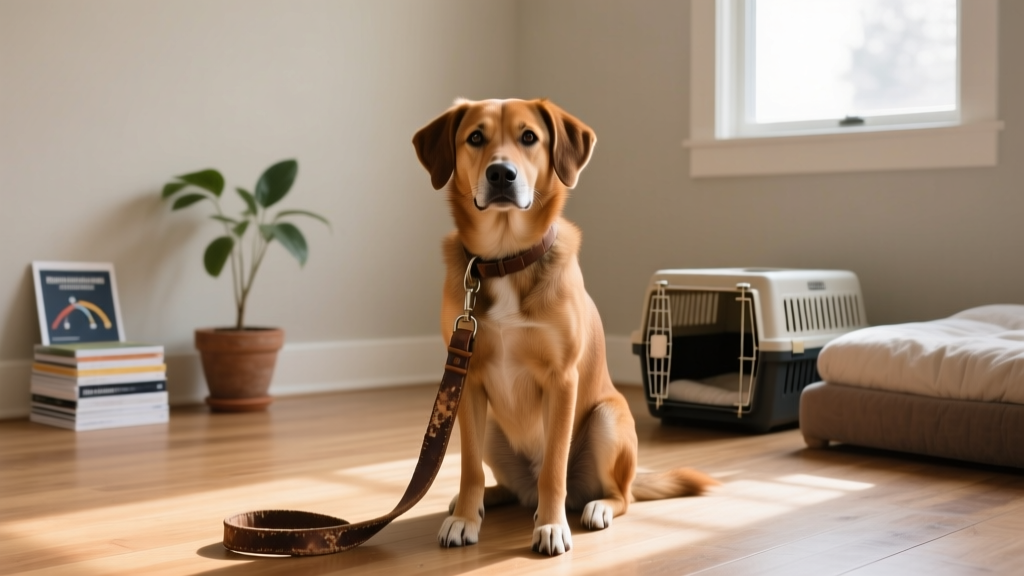
| Heavy-Duty Leash & Harness (6ft, front-clip; e.g., RuffWear Front Range) | $35 | $65 | $110 |
| Grooming Supplies (undercoat rake, slicker brush, deshedding tool) | $25 | $55 | $90 |
| Enrichment Toys (Kong XXL, puzzle feeders, chew toys) | $30 | $60 | $120 |
| Poop Bags, Cleanup Supplies, Enzymatic Cleaner | $15 | $30 | $50 |
| Baby Gates / Exercise Pen (for puppy confinement) | $40 | $80 | $150 |
| Supplies Subtotal | $305 | $635 | $1,145 |
Annual & Recurring Costs
After the first-year startup costs settle, you'll face a predictable annual cycle. These costs remain relatively stable year over year, with inflation adjustments:
- Annual Wellness Exam: $65–$175 (giant-breed vets may recommend bi-annual exams after age 5)
- Vaccine Boosters: $50–$120 (rabies every 1–3 years depending on local law; DHPP booster annually or per titer results)
- Dog License: $10–$50 (varies by county; often discounted for spayed/neutered dogs)
- Professional Training: $200–$600 for group classes; $600–$1,500 for private sessions. Great Pyrenees are independent thinkers — early positive-reinforcement puppy classes are highly recommended
- Grooming: $0–$800/year. Pyrs should never be shaved, but professional deshedding baths run $80–$150 per session if you don't manage the coat at home. Budget 4–6 professional sessions/year if outsourcing
- Boarding/Pet Sitting: $50–$90/night for giant breeds at most kennels; in-home sitters charge $60–$120/night. Budget $500–$2,000/year depending on travel frequency
Total First-Year Cost Summary
Here's the comprehensive picture, combining every category. The "Low" column assumes adoption from rescue, budget-conscious purchasing, and no major health issues. The "High" column reflects breeder-purchased puppy, premium products, urban veterinary pricing, and professional grooming/training.
| Category | Low | Medium | High |
|---|---|---|---|
| Dog Acquisition (purchase/adoption) | $300 | $1,800 | $3,500 |
| First-Year Veterinary Care | $725 | $1,195 | $1,990 |
| Food & Treats (12 months) | $1,140 | $2,040 | $3,720 |
| Preventive Medications (12 months) | $396 | $636 | $984 |
| Supplies & Gear | $305 | $635 | $1,145 |
| Training | $0 | $350 | $1,200 |
| Grooming | $0 | $400 | $900 |
| Pet Insurance (12 months) | $600 | $1,020 | $1,800 |
| Boarding/Pet Sitting | $0 | $500 | $2,000 |
| License & Miscellaneous | $30 | $75 | $150 |
| TOTAL FIRST-YEAR COST | $3,496 | $8,651 | $17,389 |
Pet Insurance for Giant Breeds: Is It Worth It?
With Great Pyrenees predisposed to costly conditions like hip dysplasia, osteosarcoma, and gastric dilatation-volvulus (bloat), pet insurance is a conversation every Pyr owner should have. A single bloat surgery can cost $3,000–$7,000, and bilateral hip replacement runs $5,000–$8,000 per hip.
| Provider | Monthly Premium (Giant Breed Puppy) | Annual Deductible | Reimbursement | Notable Coverage |
|---|---|---|---|---|
| Trupanion | $75–$140 | $250–$1,000 | 90% | No payout caps, direct vet pay available, covers hereditary conditions |
| Healthy Paws | $55–$110 | $250–$500 | 70–90% | Unlimited annual cap, no upper age enrollment limit |
| Lemonade | $40–$95 | $100–$500 | 70–90% | Fast claims processing, optional wellness add-on |
| Fetch (formerly Petplan) | $60–$120 | $250–$1,000 | 70–90% | Covers dental illness, exam fees included |
| ASPCA Pet Insurance | $50–$105 | $200–$500 | 70–90% | Multi-pet discount, covers behavioral conditions |
Emergency Fund: How Much Should You Set Aside?
Even with pet insurance, you'll typically pay the vet bill upfront and file for reimbursement. This means you need liquid cash available for emergencies. Here's what common Great Pyrenees emergencies actually cost:
| Emergency Scenario | Estimated Cost | Details |
|---|---|---|
| Gastric Dilatation-Volvulus (Bloat) Surgery | $3,000 – $7,000 | Great Pyrenees are a deep-chested breed at elevated risk; gastropexy (preventive tacking) adds $400–$800 if done during spay |
| Hip Dysplasia — Total Hip Replacement | $5,000 – $8,000 per hip | May need bilateral; rehabilitation adds $500–$1,500 |
| Emergency After-Hours Visit (no surgery) | $200 – $600 | ER clinic exam fee + diagnostics (bloodwork, X-rays) |
| Toxic Ingestion Treatment | $500 – $3,000 | Induced vomiting, activated charcoal, IV fluids; larger doses needed for giant breeds |
| ACL/CCL Tear Repair (TPLO Surgery) | $3,500 – $5,500 | Common in large breeds; 8–12 week recovery with restricted activity |
| Osteosarcoma Diagnosis & Amputation | $3,000 – $8,000 | Giant breeds are overrepresented; chemotherapy adds $3,000–$6,000 |
If your dog ingests something potentially toxic, call the ASPCA Animal Poison Control Center at (888) 426-4435 (24/7, consultation fee applies) immediately. They can advise you and your emergency vet on the appropriate treatment protocol.
Breed Size Cost Comparison: How Giant Breeds Compare
To put Great Pyrenees costs in perspective, here's how annual spending scales across breed sizes. Food and medication are the biggest differentiators:
| Category | Toy (5–12 lb) e.g., Chihuahua |
Medium (30–50 lb) e.g., Cocker Spaniel |
Giant (85–120+ lb) e.g., Great Pyrenees |
|---|---|---|---|
| Annual Food | $240–$480 | $480–$960 | $960–$3,000 |
| Heartworm Prevention (annual) | $96–$156 | $156–$240 | $216–$504 |
| Spay/Neuter | $150–$400 | $250–$600 | $400–$1,200 |
| Monthly Insurance Premium | $25–$55 | $40–$80 | $50–$150 |
| Boarding (per night) | $30–$55 | $40–$70 | $55–$100 |
| Estimated Annual Total (ongoing, no emergencies) | $1,200–$2,800 | $1,800–$4,200 | $2,800–$7,500 |
The takeaway: owning a Great Pyrenees costs roughly 2–3× what a toy breed costs annually, driven primarily by food volume, medication dosing, and higher surgical/anesthesia fees.
Hidden Costs New Owners Miss
After helping hundreds of families budget for giant breeds, here are the expenses that catch people off guard:
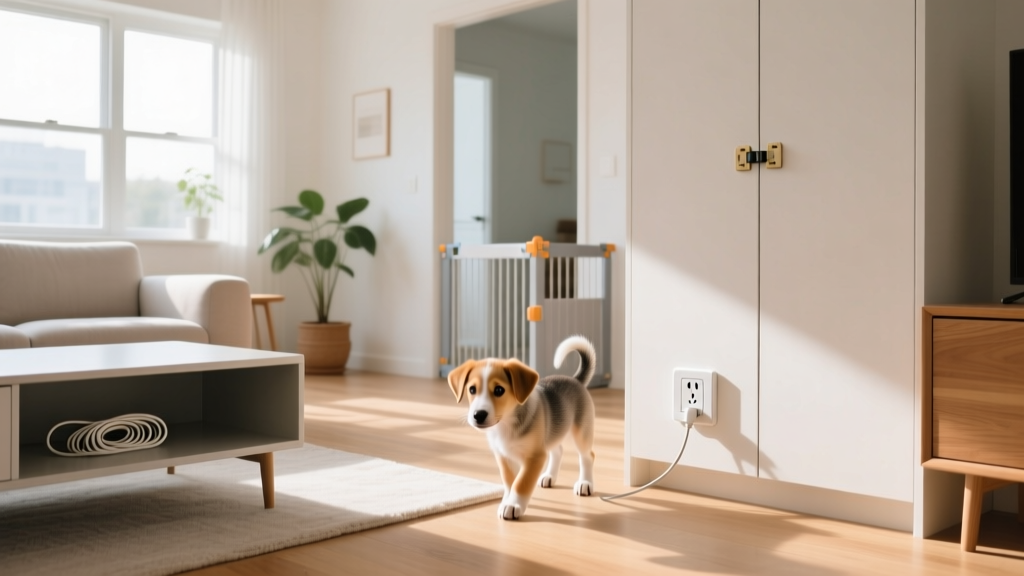
- Home modifications: A 100-pound Pyr puppy will destroy standard screen doors, lightweight fencing, and garden landscaping. Budget $200–$1,500 for reinforced gates, fence repairs, and yard-proofing in year one.
- Vehicle accommodations: You'll need an XXL cargo liner ($50–$120), a crash-tested harness or crate for car travel, and possibly a ramp ($40–$150) for older Pyrs with joint issues entering SUVs.
- Replacement supplies: Giant breeds destroy beds, bowls, and toys faster. Plan to replace the dog bed annually ($60–$350) and toys quarterly.
- Dog walking: If you work long hours, a 100-lb dog needs more than a bathroom break. Professional walkers charge $20–$35 per 30-minute walk; daily service runs $400–$700/month.
- Increased utility bills: More baths mean more water. More shedding means more vacuuming (and possibly upgrading to a heavy-duty vacuum like a Dyson or Shark rated for pet hair, $200–$500).
- Travel complications: Many airlines won't accept giant breeds in cargo due to brachycephalic-breed embargoes that sometimes sweep up large dogs in summer months. Road trips may require pet-friendly hotel surcharges ($25–$100/night).
- Property damage deposits: Renters may face higher pet deposits ($250–$500) or monthly pet rent ($25–$75) for large breeds.
Regional Cost Variations
Where you live significantly affects your total cost of Great Pyrenees ownership:
Urban / Coastal (NYC, SF, LA)
- Vet exams: $120–$200
- Emergency vet visit: $300–$600 base fee
- Boarding: $70–$120/night
- Dog walking: $25–$40/walk
- Great Pyrenees breeder price: $2,000–$4,000+
- Add 30–50% to all estimates above
Rural / Midwest / South
- Vet exams: $50–$100
- Emergency vet visit: $150–$350 base fee
- Boarding: $35–$60/night
- Dog walking: $15–$25/walk (less available)
- Great Pyrenees breeder price: $1,000–$2,500
- Subtract 20–35% from estimates above
International note: Great Pyrenees prices in Canada range CAD $1,800–$4,000. In the UK, expect £1,200–£2,500. European prices vary widely by country, with Scandinavian breeders often charging €1,500–€3,000 due to extensive mandatory health testing protocols.
Money-Saving Strategies That Don't Compromise Care
Owning a giant breed on a budget is possible — if you know where to save and where to never cut corners:
Where You CAN Save
- Adopt from breed rescue: The Great Pyrenees Club of America maintains a rescue network. You'll get a vetted, temperament-tested dog for $300–$600 instead of $2,000+.
- Buy food in bulk: Chewy and Petco offer 5% auto-ship discounts. A 30-lb bag at $55 with auto-ship becomes $52.25 — that's $50+/year saved.
- Use veterinary schools: University teaching hospitals (e.g., UC Davis, Cornell, Texas A&M) offer specialty care at 20–40% lower cost than private specialty clinics.
- Groom at home: A good undercoat rake ($20–$35) and weekly brushing sessions eliminate $80–$150 professional deshedding visits.
- Ask about multi-pet and annual payment discounts: Many insurers offer 5–10% discounts for insuring multiple pets.
- Low-cost vaccine clinics: Many Tractor Supply, PetSmart, and local shelter clinics offer core vaccines for $15–$25 each versus $30–$50 at private practices.
Where You Should NEVER Save
- Heartworm prevention: Skipping months costs $1,000–$3,000+ in treatment if your Pyr contracts heartworm — and treatment in giant breeds carries higher complication risk.
- Quality food: Budget kibble with poor ingredient sourcing leads to skin issues, loose stools, and long-term health problems. Look for AAFCO "complete and balanced" statements and named protein sources.
- Spay/neuter at a qualified clinic: Low-cost spay clinics designed for 20-lb dogs may lack the anesthesia monitoring equipment needed for a 90-lb giant breed.
- Dental care: Periodontal disease affects 80% of dogs by age 3. Daily brushing costs $0; a dental extraction under anesthesia for a giant breed costs $500–$2,000+.
Frequently Asked Questions
How much does it cost to own a dog per year?
Annual dog ownership costs range from $1,200 to $7,500+ depending on breed size, location, and care choices. For a Great Pyrenees specifically, budget $2,800–$7,500 per year for ongoing costs (food, preventive care, insurance, grooming, boarding) after the first year. Giant breeds consistently cost more due to scaled medication dosages, larger food requirements, and higher surgical fees.
How much does a Great Pyrenees cost in the first year?
The total first-year cost for a Great Pyrenees ranges from approximately $3,500 (adopted, budget-conscious) to $17,000+ (breeder-purchased, urban area, premium care). The medium estimate for most families is $8,000–$9,000, which includes the puppy purchase price, veterinary care, supplies, food, insurance, and training.
What are the ongoing monthly costs of a Great Pyrenees?
Monthly costs for a Great Pyrenees range from $178 to $542, covering food ($80–$250), treats ($15–$60), heartworm prevention ($18–$42), flea/tick prevention ($15–$40), and pet insurance ($50–$150). This does not include boarding, dog walking, grooming, or replacement supplies.
Is pet insurance worth it for a Great Pyrenees?
Yes — for most owners, pet insurance is strongly recommended for giant breeds. Great Pyrenees are predisposed to expensive conditions including hip dysplasia, bloat (GDV), osteosarcoma, and cardiac issues. A single emergency surgery can cost $3,000–$8,000. Insurance premiums of $50–$150/month provide financial predictability. The key is enrolling as a puppy before any conditions are documented in veterinary records.
How much should I budget for dog emergencies?
Keep $2,000–$5,000 in a dedicated pet emergency fund if you have insurance (to cover upfront costs before reimbursement), or $8,000–$10,000 if self-insuring. Great Pyrenees emergencies tend to be expensive because anesthesia, surgical supplies, and medication dosages all scale with their 85–120+ lb body weight.
Which dog breeds cost the most and least to own?
The most expensive breeds to own are giant breeds (Great Pyrenees, Great Dane, Saint Bernard, Irish Wolfhound) and brachycephalic breeds (English Bulldog, French Bulldog) due to high rates of respiratory and orthopedic surgery. The least expensive breeds to own are small, generally healthy breeds like Chihuahuas, Dachshunds, and mixed-breed small dogs, with annual costs as low as $1,200–$2,000.
Are Great Pyrenees expensive to maintain long-term?
Yes. Beyond the initial purchase price, Great Pyrenees require $2,800–$7,500 annually in ongoing care. Their thick double coat demands regular grooming (or professional deshedding sessions), their size drives up food and medication costs, and their predisposition to orthopedic and cancer conditions means higher veterinary spending in middle and senior years (ages 6–10). Their average lifespan of 10–12 years means lifetime ownership costs of $30,000–$80,000+.
Aaron Whyte
All our authors care for dogs every day — read more of their work on the authors page.