Find the Right Dog for Your Life
Choosing the right dog isn’t about looks—it’s about lifestyle fit. Learn key questions to ask before adopting or buying.

Find the Right Dog for Your Life
Bringing home a dog is one of life’s most joyful decisions—but it’s also a 10–15 year commitment. Too many well-meaning people choose based on cuteness, trends, or childhood nostalgia—only to face frustration, rehoming, or unmet needs down the road. The truth? There’s no ‘best’ dog—only the right dog for your life. Here’s how to match wisely.
Start With Your Daily Reality—Not Your Wishlist
Before browsing breed lists or scrolling rescue photos, pause and answer these five practical questions honestly:
- How many hours per day will your dog be alone? (e.g., 8+ hours? Avoid high-needs breeds like Border Collies or Australian Shepherds.)
- What’s your typical weekday activity level? (Sedentary office job? Frequent travel? Active hiking or biking?)
- Do you have secure outdoor space—and how much time can you spend outdoors daily? (A 60-lb dog in a studio apartment with no yard needs far more structured walks than a calm, low-energy companion.)
- Who lives with you? (Kids under 10? Elderly parents? Other pets? Small dogs or sensitive breeds may not suit chaotic or unpredictable households.)
- What’s your realistic budget—not just for adoption, but for the next decade? (Think: quality food, preventive vet care, grooming, training, potential emergencies. Some breeds average $2,000+/year in routine care.)
Breed Traits Matter—But Individuality Matters More
Yes, genetics influence temperament and energy—but environment, socialization, and training shape behavior profoundly. That said, broad breed tendencies offer helpful guardrails:
- High-energy working breeds (e.g., German Shepherds, Vizslas, Jack Russells) need mental + physical work daily—or they’ll invent their own (chewing, barking, digging).
- Guardian or protective types (e.g., Rottweilers, Dobermans, Mastiffs) thrive with confident, consistent leadership—and early socialization is non-negotiable.
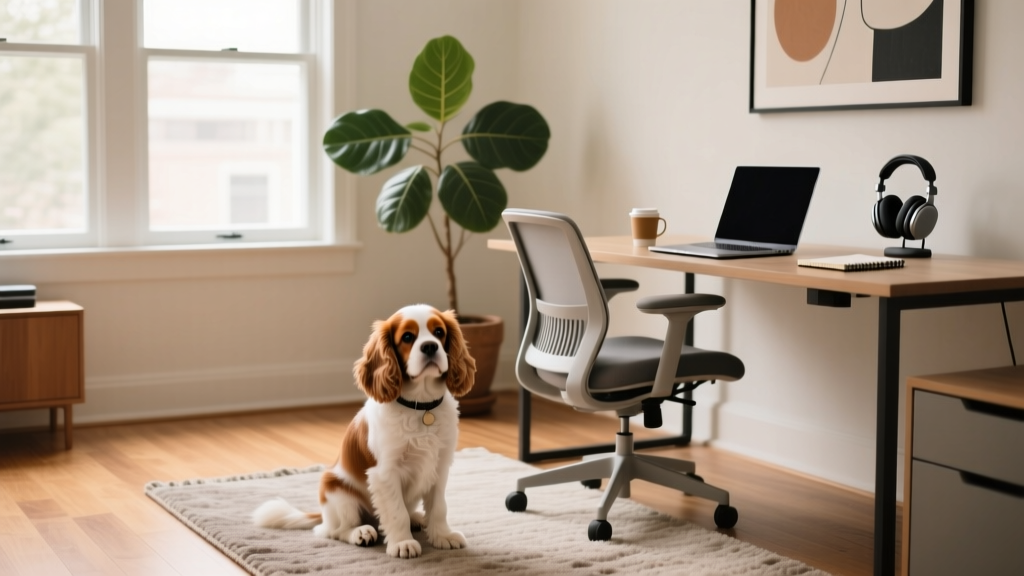
- Low-maintenance companions (e.g., Bichon Frises, Cavalier King Charles Spaniels, Greyhounds) often adapt well to apartments and quieter routines—but still require daily walks and affection.
- Toy & small breeds (e.g., Shih Tzus, Pugs, French Bulldogs) aren’t automatically ‘easy.’ Many are prone to separation anxiety, require vigilant temperature control, and need consistent training to avoid small-dog syndrome.
Pro tip: Visit local shelters or rescues *before* deciding on a breed. Staff often know individual dogs’ quirks—like which ones love cats, ignore squirrels, or settle instantly on a couch. A mixed-breed rescue dog with known history may be a safer, more predictable match than an untested purebred puppy.
Lifestyle Fit Over Looks or Status
We’ve all seen the Instagram-famous Pomeranian or TikTok-famous Bernedoodle—but viral appeal ≠ real-world compatibility. Ask yourself:
- Does this dog’s natural pace align with mine? (A sprinter won’t thrive with a walker; a napper won’t keep up with a marathoner.)
- Can I commit to grooming every 4–8 weeks—or handle shedding that coats your sofa, car, and coffee mug year-round?
- Am I prepared for breed-specific health risks? (e.g., Brachycephalic breeds like Bulldogs face breathing challenges; large breeds may develop hip dysplasia; Cavaliers often develop heart disease.)
- Will my living situation stay stable for years? (Renters: Confirm pet policies *in writing*. Travelers: Vet reliable pet-sitters or boarding options *before* adoption.)
Age Is a Critical Factor—Often Overlooked
Puppies are adorable—but they’re also 16-hour-a-day jobs for 6–12 months: potty training, bite inhibition, socialization windows, crate training, and constant supervision. If your schedule is packed or you value sleep and quiet, consider an adult dog (1–3 years old). They’re often house-trained, know basic cues, and reveal their true temperament faster. Senior dogs (7+ years) offer calm companionship, lower exercise needs, and profound gratitude—but may come with medical histories requiring management.
Test-Drive Before You Commit
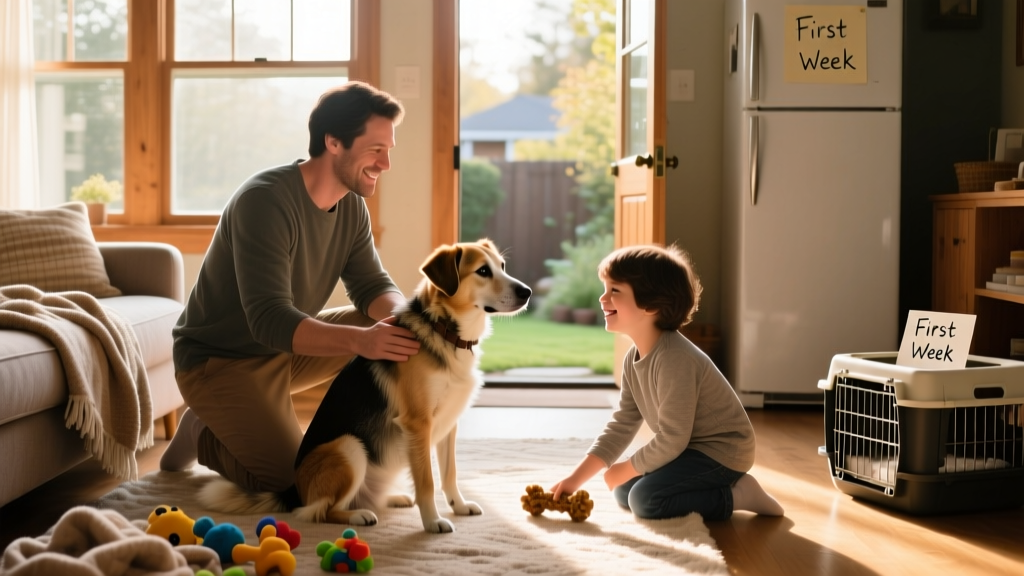
Reputable rescues and ethical breeders encourage meet-and-greets—and multiple visits. Bring household members (including kids and other pets) to observe interactions. Try a short walk together. Sit quietly in a park. See how the dog responds to distractions, new sounds, or gentle handling. Does their energy feel sustainable? Do they lean in—or pull away? Trust your gut: discomfort now saves heartbreak later.
Your Responsibility Doesn’t End at Adoption
Finding the right dog is step one. Sustaining that match is step two—and it hinges on consistency:
- Invest in force-free training from day one—even if your dog seems ‘perfect.’ It builds trust, prevents misunderstandings, and strengthens your bond.
- Schedule annual vet wellness checks (not just vaccines)—and discuss nutrition, dental care, and behavioral health proactively.
- Build routine, not rigidity. Dogs thrive on predictability: same walk times, feeding windows, and safe spaces help reduce stress and unwanted behaviors.
- Reassess every 6–12 months. Your life changes—job, home, family, health. So might your dog’s needs. Stay curious, flexible, and compassionate.
Choosing the right dog isn’t about perfection. It’s about humility, honesty, and respect—for your limits, your lifestyle, and the unique, sentient being who’ll share your home and heart. When fit is intentional, love has room to grow deep, steady, and lifelong.
Tom Renshaw
All our authors care for dogs every day — read more of their work on the authors page.